2026 Best Horse Salt Licks and Mineral Blocks Why?

Time:2026-09-09 Author:Sophia
0%

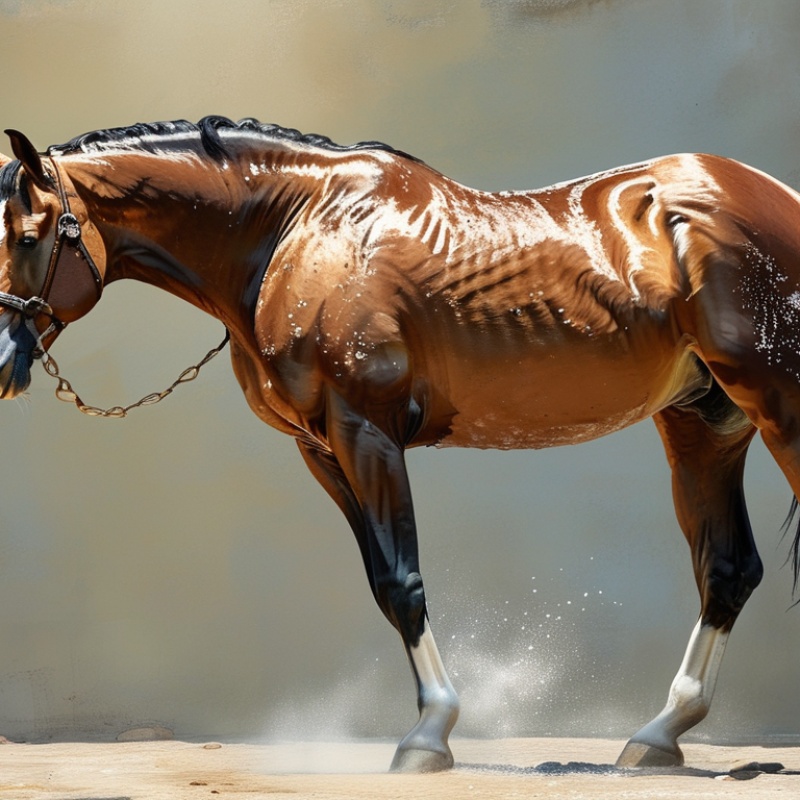
Why do horses need salt licks and mineral blocks? The answer begins with basic physiology. Horses lose sodium and chloride through sweat, urine, and daily movement. On a warm trail ride, a horse may return with a damp neck, tired muscles, and a stronger need for electrolytes. Salt supports fluid balance, nerve signals, and normal muscle function. It is not merely a stable decoration.

Dr. Eleanor Kellon, VMD, a respected equine nutrition authority, explains, “Salt is an essential nutrient, not a treat.” That simple point matters when comparing the 2026 best horse salt licks and mineral blocks. A plain salt block can help meet sodium needs, while a mineral block may add nutrients such as copper, zinc, or selenium. However, every block is different. Some contain too much sugar. Others offer minerals in amounts that do not match a horse’s forage, soil, or workload.

A practical check is useful. Watch whether the horse drinks normally, licks the block, and maintains healthy manure moisture. Keep clean water beside the block. Never assume a horse will balance every mineral by instinct. Some horses ignore blocks completely. Others consume them too quickly. That is where this topic becomes less tidy. Forage testing and veterinary guidance remain more dependable than packaging claims. This guide compares ingredients, consumption patterns, durability, and real stable use, while recognizing that the “best” choice may change from one horse to another.
2026 Best Horse Salt Licks and Mineral Blocks Why?

2026 Horse Salt Licks vs Mineral Blocks: What Each One Supplies

2026 Horse Salt Licks vs Mineral Blocks: What Each One Supplies

A plain salt lick mainly supplies sodium and chloride, which support fluid balance, nerve function, and muscle activity. Horses lose salt through sweat, especially during summer work or long trailer trips. A white salt block is usually simple and predictable. However, some horses barely touch hard blocks. Loose salt may be easier for them to consume, but it requires careful measuring.

Mineral blocks supply salt plus selected nutrients, such as calcium, phosphorus, copper, zinc, selenium, or iodine. Their exact contents vary widely, so the label matters more than the block’s color. A mineral block cannot correct every deficiency. Soil, forage, age, workload, and local water quality all influence the horse’s needs. I once assumed a mineral block covered everything. That was too convenient, and sometimes wrong. A forage test provides better guidance than guesswork.

Tips: Keep fresh water beside every salt source. Track the block’s weight weekly, not just its appearance. Ask an equine nutrition professional before adding concentrated supplements. Avoid stacking several mineral products, because excessive selenium or other nutrients can cause harm. Watch manure, appetite, drinking habits, and body condition. These clues help, but they do not replace veterinary advice.

NRC 2007: Why Sodium Needs Start Near 0.04% of Dietary Dry Matter

NRC 2007: Why Sodium Needs Start Near 0.04% of Dietary Dry Matter

The National Research Council’s Nutrient Requirements of Horses, published in 2007, lists about 0.04% sodium in dietary dry matter as a basic maintenance starting point. For a 500-kilogram horse eating 10 kilograms of dry matter daily, that equals roughly 4 grams of sodium. This is about 10 grams of ordinary salt, since salt contains approximately 39% sodium.

A salt lick can help, but it does not guarantee adequate intake. Horses often use blocks unevenly, especially during cold weather or when forage already supplies sodium. The 2021 National Academies report on livestock and equine nutrition also emphasizes that sweat increases electrolyte losses. A working horse may therefore need more than the maintenance figure. Hot, humid conditions can change the calculation quickly.

Watch the water bucket.

Forage testing gives better evidence than guesswork. A practical review should compare hay sodium, workload, sweating, and actual lick consumption. An experienced caretaker may notice a horse licking rails, eating soil, or leaving a block untouched. None of these signs proves a deficiency. That is where judgment can fail. Sodium needs also depend on total ration dry matter, not just the visible feed weight. NRC 2007 provides a useful baseline, but it is not a complete feeding prescription. Fresh water must remain available whenever salt intake increases.

How Guaranteed Analysis Compares Salt, Copper, Zinc, and Selenium Levels

Choosing the best horse salt lick or mineral block starts with its guaranteed analysis, not its color or shape. Salt is usually listed as sodium chloride. Compare sodium levels, because a block may contain plenty of salt but little usable mineral support. A sweating horse may need more sodium than a lightly worked pony. Fresh water must always be available.

Copper and zinc deserve closer inspection. Their levels should be compared together, not separately. Many forage-based diets provide enough zinc but too little copper. A useful copper-to-zinc balance may support coat quality, hoof growth, and normal immune function. However, the label alone cannot show mineral absorption. Organic and inorganic sources can perform differently.

Selenium requires extra caution. Its safe range is narrow, and regional forage levels vary widely. A block with a higher selenium figure is not automatically better. Check the amount per daily serving, then compare it with forage test results and the horse’s complete ration. I have seen owners compare percentages while missing the actual grams consumed. That mistake is easy.

Read the guaranteed analysis beside feeding directions. A weathered block may also lose appeal, leaving the horse under-consuming it. Some horses lick steadily; others barely touch a hard block. A loose, measured supplement can sometimes provide more predictable intake, but it needs careful dosing. Ask an equine nutrition professional or veterinarian to review the full diet before adding concentrated copper, zinc, or selenium. Labels help. They do not tell the whole story.

Best Block Types by Workload, Pasture Quality, Climate, and Water Intake

Choosing the best horse salt lick in 2026 starts with workload, not advertising claims. A pleasure horse walking lightly usually needs a plain salt block and balanced forage. A sweating horse may need loose salt, because blocks can limit daily intake. That difference matters. For hard work, electrolyte planning should follow veterinary guidance, especially during long, hot sessions. A mineral block suits horses needing steady access, but it cannot replace a measured ration.

Pasture quality changes the decision. Sparse, weathered grass may lack copper, zinc, or selenium. A trace-mineral block can support the diet when forage testing confirms a gap. Rich pasture may already provide enough minerals, so adding a fortified block can create unnecessary excess. Do not guess. Test the forage when possible. My own field notes are not flawless; some horses barely touch blocks, while others finish them quickly. Intake must be watched, not assumed.

Climate and water intake also shape the choice. In hot, humid weather, place salt near clean water and shade. During freezing conditions, check that the block remains usable and the water stays open. Water intake needs monitoring. A horse drinking poorly after work needs attention, not just more salt. Weigh the block weekly and record the change. Sudden increases may reflect sweat loss, boredom, or an imbalanced ration. A veterinarian or equine nutritionist can interpret those clues alongside workload, body condition, and forage results.

Safety Limits: Keep Selenium Below NRC’s 0.5 mg/kg Dietary Dry Matter Upper Level

2026 Best Horse Salt Licks and Mineral Blocks Why?

Safety Limits: Keep Selenium Below NRC’s 0.5 mg/kg Dietary Dry Matter Upper Level

A mineral block can look harmless beside a water trough. Selenium still deserves careful calculation. The National Research Council’s Nutrient Requirements of Horses, 6th Revised Edition, reports about 0.1 mg/kg dietary dry matter as an adequate selenium concentration for mature horses. This equals roughly 1 mg daily for a 500-kilogram horse eating 10 kilograms of dry matter. Keep total dietary selenium below the cited 0.5 mg/kg upper level. That includes hay, concentrate, supplements, and the block.

Read the guaranteed analysis, then estimate actual intake. A horse consuming 100 grams of block daily may receive very different selenium amounts from another horse. Forage testing matters. The same NRC report notes that diet composition and intake affect nutrient exposure. Merck Veterinary Manual also warns that selenium toxicity can follow excessive supplementation, with hoof changes, hair loss, weakness, and severe illness. I would not trust licking behavior alone. It changes with weather, workload, salt access, and boredom. That assumption is uncomfortable. Use a scale for several days, record the block’s selenium concentration, and ask an equine nutritionist to review the complete ration. Do not stack multiple selenium sources casually. A shiny mineral block is not automatically a safe one.

FAQS

: What does 0.04% sodium in dry matter mean for a horse?

: It is a basic maintenance starting point. A 500-kilogram horse eating 10 kilograms of dry matter needs about 4 grams of sodium daily.

How much ordinary salt provides about 4 grams of sodium?

Roughly 10 grams of salt supplies 4 grams of sodium. This estimate assumes salt contains about 39% sodium.

Can a salt block guarantee adequate sodium intake?

No. Horses may use blocks unevenly. Some lick them daily, while others leave them untouched.Not always predictable.

When might a horse need more sodium?

Sweating increases electrolyte losses. Hot, humid weather and hard work can raise sodium needs above maintenance levels.

Is loose salt better than a salt block?

Loose salt may suit sweating horses because intake is easier to measure. A block can work for light exercise and steady access.

How does forage quality affect mineral-block choices?

Sparse or weathered forage may lack certain trace minerals. Rich pasture may already provide enough, making fortified blocks unnecessary.

What should I check before adding more minerals?

Test the forage when possible. Compare its sodium content with workload, sweating, body condition, and total dry-matter intake.Guesswork can mislead.

Why is water important when increasing salt intake?

Fresh water must remain available. Place salt near clean water and shade during hot weather, then monitor drinking after exercise.

How can I monitor salt-block consumption?

Weigh the block weekly and record the change. Sudden increases may reflect sweating, boredom, or an unbalanced ration.

What signs might suggest a feeding plan needs review?

Rail licking, soil eating, poor drinking, or a completely untouched block may provide clues. None proves a sodium deficiency, so professional review may help.

Conclusion

Choosing the right horse salt lick or mineral block begins with understanding what each one supplies. Why do horses need salt licks and mineral blocks? Salt licks primarily provide sodium and chloride, which support fluid balance, nerve function, muscle activity, and normal thirst. Mineral blocks may also contain copper, zinc, selenium, and other nutrients, but their actual value depends on the guaranteed analysis and how much the horse consumes. According to NRC 2007 guidance, sodium needs can begin near 0.04% of dietary dry matter, although exercise, sweating, heat, and water intake may increase requirements.

The best block depends on workload, pasture quality, climate, and access to fresh water. Lightly worked horses on balanced forage may need only plain salt, while growing, breeding, or heavily exercised horses may benefit from a carefully formulated mineral source. Always compare sodium, copper, zinc, and selenium levels on the label, and avoid excessive supplementation. Selenium should remain below the NRC upper limit of 0.5 mg/kg of dietary dry matter. Free-choice use should still be monitored because individual intake can vary significantly.

Sophia

Sophia

Sophia is a dedicated marketing professional with an exceptional depth of knowledge about her company's products and services. With a keen understanding of market trends and customer needs, she crafts insightful blog posts that not only inform but also engage readers, enriching the company’s online......