Amino acids play a crucial role in the formation of proteins, acting as their fundamental building blocks. Dr. Sarah Thompson, a leading biochemist, states, "Amino acids link together to create the diverse array of proteins that drive life." This highlights the importance of understanding why amino acids are considered building blocks of protein.
Proteins perform vital functions in the body. They are essential for growth, repair, and maintaining overall health. Without amino acids, the body would lack the necessary components to form proteins, which could lead to various health issues. Each protein has a unique structure, determined by its specific amino acid sequence.
Understanding why amino acids are considered building blocks of protein involves recognizing their basic role in sustaining life. They combine in intricate ways. The complexity of protein structures reflects the diversity of amino acids available. However, this process also presents challenges. Our diets must provide all essential amino acids to avoid deficiencies. Reflecting on this imbalance can lead to a deeper understanding of nutrition and health.
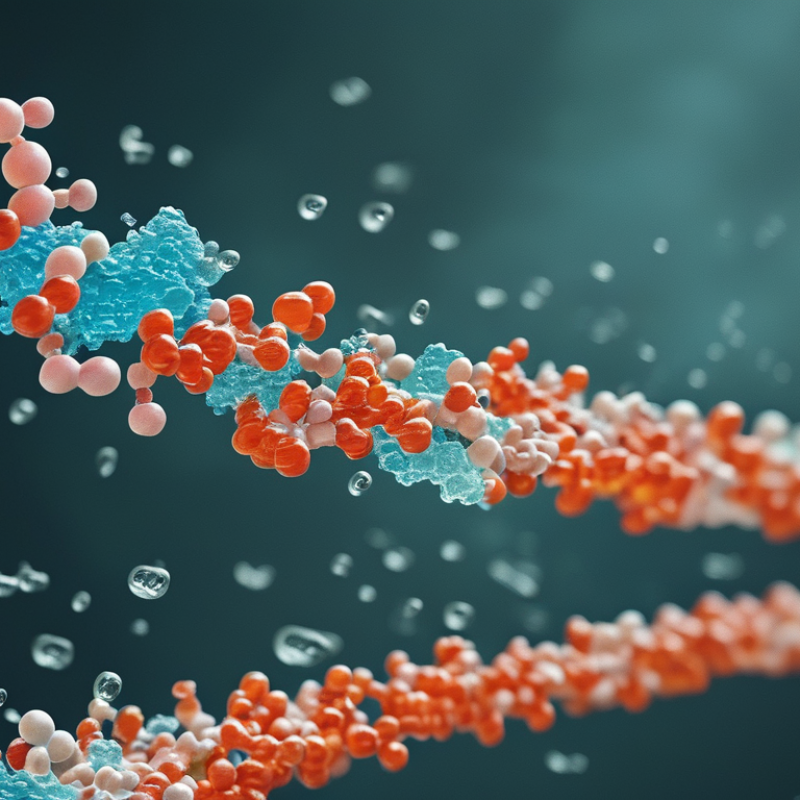
Amino acids play a vital role in protein synthesis. They are the basic units that link together to form proteins. Human cells need 20 different amino acids to create proteins, which are crucial for cell structure and function. According to the National Institutes of Health, amino acids account for about 75% of the body's protein content. This statistic highlights their importance in maintaining various physiological functions.
When proteins are synthesized, amino acids form chains through peptide bonds. This process is guided by mRNA, which carries the genetic code from DNA. Each protein produced is tailored to perform specific tasks in the body, from enzyme activity to immune response. Interestingly, only nine of these amino acids are considered essential because the body cannot produce them. Therefore, they must be obtained from our diet.
Tips: Include a variety of protein sources in your meals, such as legumes, meat, dairy, and nuts. This ensures you get all essential amino acids. You might rethink your current protein intake if you frequently feel fatigued or unwell. Consider checking with a nutritionist to evaluate your amino acid levels. These small adjustments can significantly impact your overall health.
Amino acids play a crucial role in human biology. These compounds are the building blocks of proteins. There are 20 different amino acids, each serving various functions in the body. They help in repair, growth, and maintenance of tissues. Some are classified as essential, meaning the body cannot produce them. We must obtain them from our diet.
Key types of amino acids include leucine, lysine, and tryptophan. Leucine is vital for muscle growth. It helps stimulate protein synthesis. Lysine supports immune function and bone health. Tryptophan is a well-known precursor to serotonin, influencing mood and sleep. Each amino acid has unique roles but works best in harmony with others.
Tip: Include a variety of protein sources in your meals. Think beyond meat. Consider beans, lentils, and nuts. Ensuring a balanced intake can improve overall health. However, always consult a healthcare professional before making significant dietary changes. Reflect on your current protein sources. Are they diverse enough?
Amino acids play a crucial role in determining the structure and function of proteins. Each of the 20 standard amino acids has unique properties that influence how proteins fold and interact. For instance, hydrophobic amino acids like leucine tend to cluster together, stabilizing the protein's core. This clustering can significantly affect the overall shape of the protein, which in turn impacts its functionality. According to a 2021 study published in the Journal of Molecular Biology, a protein's activity can decrease by up to 30% if its amino acid composition deviates from the optimal ratio.
Furthermore, the sequence of amino acids governs not only structural integrity but also catalytic efficiency. Enzymes, for example, rely on specific amino acids at their active sites for substrate binding. A research analysis revealed that modifications in just one amino acid in an enzyme can reduce its activity by 50% or more. This underscores the importance of each amino acid in a protein's operational framework.
Nevertheless, understanding the influence of amino acid composition poses challenges. The diverse roles of post-translational modifications add complexity. For example, glycosylation can change how a protein behaves, affecting everything from immune response to drug metabolism. As research progresses, the importance of precise amino acid compositions becomes even clearer, encouraging a deeper investigation into protein engineering and design strategies.
Amino acids are critical for our health. They form proteins, which are vital for building tissues and muscles. There are twenty different amino acids, categorized as essential and non-essential. Essential amino acids must come from our diet. We cannot produce them in our bodies.
Animal proteins, like meat and fish, generally provide all essential amino acids. Plant sources, such as beans and nuts, can sometimes lack one or two. This difference can have significant implications for vegans or vegetarians. They must combine different plant foods to get all essential amino acids.
Non-essential amino acids are produced by our bodies. While they are vital, we typically get them through regular diets. An imbalance can lead to health issues. Ensuring a balanced intake of both essential and non-essential amino acids is crucial. If not addressed, deficiencies may arise, impacting muscle growth and recovery.
Amino acids play a critical role in muscle growth. They are the building blocks of protein, essential for muscle repair and synthesis. When you engage in resistance training, your muscles undergo stress. This stress leads to tiny tears in muscle fibers. Amino acids help to rebuild these fibers, making them stronger and bigger over time.
Protein metabolism is influenced heavily by the availability of these amino acids. They can be classified into essential and non-essential types. Essential amino acids must be obtained from diet since the body cannot produce them. When consumers lack these critical nutrients, protein synthesis can slow down. This may negatively impact muscle recovery and growth.
It's important to reflect on dietary habits. Many individuals don't consume enough protein or amino acids. Those aiming for muscle gains must evaluate their intake. Eating a balanced diet is crucial, but so is understanding individual needs. What works for one may not work for another. Exploring personal nutrition can lead to better outcomes in muscle development.
| Amino Acid | Role in Muscle Growth | Effect on Protein Metabolism | Recommended Daily Intake (g) |
|---|---|---|---|
| Leucine | Stimulates muscle protein synthesis | Enhances recovery and muscle repair | 2-3 |
| Isoleucine | Supports endurance and energy production | Contributes to glucose metabolism during exercise | 1-2 |
| Valine | Aids in muscle regeneration | Maintains nitrogen balance | 1-2 |
| Glutamine | Supports muscle recovery and immune function | Prevents catabolism of muscle tissue | 5-10 |
| Arginine | Promotes blood flow to muscles | Enhances nutrient transport | 2-6 |
: Amino acids are the building blocks of proteins. They aid in tissue repair, growth, and maintenance.
There are 20 different amino acids, each with specific functions in the human body.
Essential amino acids cannot be produced by the body. We must obtain them from our diet.
Leucine is vital for muscle growth. It stimulates protein synthesis in muscle tissue.
The unique properties of amino acids affect how proteins fold and interact, influencing their overall shape.
A deviation can lead to reduced protein activity. For some, it can drop by up to 30%.
The sequence determines structural integrity and catalytic efficiency, especially in enzymes.
Understanding their diverse roles, especially post-translational modifications, adds complexity to research.
Include various protein sources in your meals. Diversity can improve health, but reflect on choices made.
Changing just one can reduce enzyme activity by 50% or more, highlighting its critical role.
Amino acids play a crucial role in protein synthesis, serving as the essential building blocks from which proteins are formed. They are categorized into key types, each with specific functions that support various biological processes in the human body. The composition of amino acids significantly influences the structure and function of proteins, affecting everything from hormonal regulation to immune responses.
Why are amino acids considered building blocks of protein? This is due to their ability to link together in specific sequences to create diverse protein structures, which in turn dictate their functional roles. Furthermore, amino acids can be categorized into essential and non-essential types, emphasizing their importance in dietary sources. Additionally, they are vital for muscle growth and protein metabolism, underscoring their importance in overall health and physical performance.

Treo Nutrition