Understanding when to fertilize pasture grass is crucial for optimal growth. Industry expert Dr. Emily Clarke states, “Proper timing in fertilization can make or break your pasture health.” Many farmers often wonder, "When is the best time to fertilize pasture grass?" The ideal timing can vary depending on specific grass types, soil conditions, and climate.
Spring is a common choice for many pastures. At this time, grass is beginning to grow and is in need of essential nutrients. However, applying fertilizer too early can lead to nutrient leaching. On the other hand, late applications may not provide sufficient time for uptake before the growing season ends.
Fertilization requires precision. It's not just about the quantity of fertilizer used but also about timing. Failures in timing can lead to suboptimal growth or wasted resources. Reflecting on past experiences, farmers should reconsider their fertilization schedules and adapt them based on yearly changes.
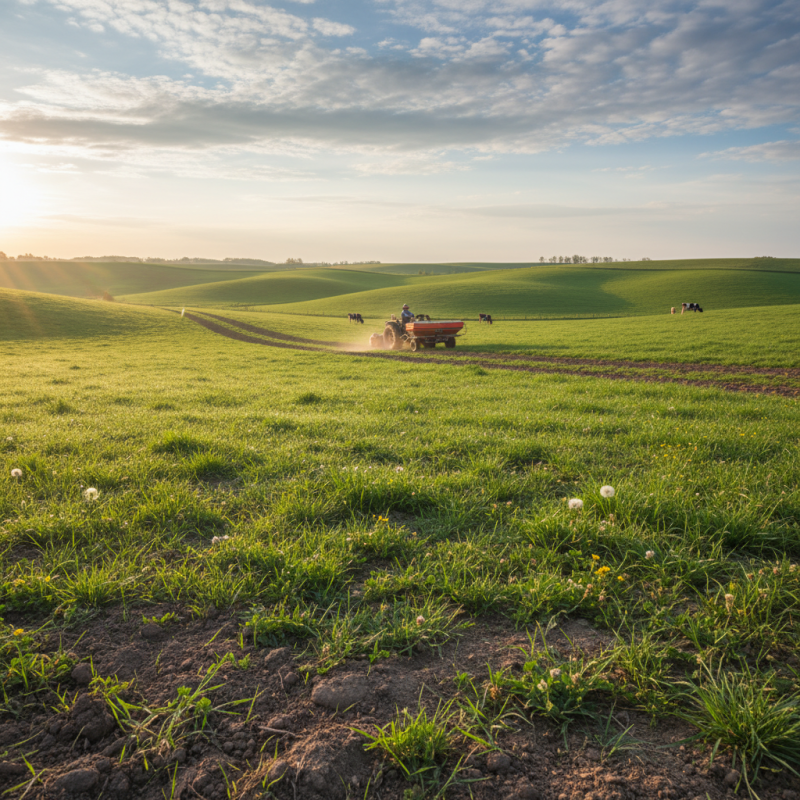
Understanding the growth cycle of pasture grass is essential for effective fertilization. Most pasture grass types, like perennial ryegrass and tall fescue, flourish during spring and fall. During these periods, nutrient uptake peaks. Fertilizing at this time can significantly enhance growth.
Research shows that optimal nitrogen application boosts pasture yield. For example, a study by the USDA indicated that application rates of 80-120 pounds of nitrogen per acre can increase production by 25-40%. This period corresponds with the grass's natural growth cycle, where temperatures and moisture levels are favorable.
However, timing matters. Applying fertilizer too early or too late can lead to waste and runoff. Grass may not utilize the nutrients effectively, leading to environmental issues. Monitoring soil health and testing nutrient levels can help refine fertilization strategies. Understand your local conditions to maximize your pasture's potential.
Fertilizing pasture grass effectively requires attention to key nutrients that promote optimal growth.
Nitrogen (N) is crucial. It supports leaf development, leading to a healthier canopy.
Studies indicate that a nitrogen application of 50 to 100 pounds per acre can enhance growth significantly during the growing season.
Phosphorus (P) encourages root development. A sufficient phosphorus level can improve the grass's resilience to drought.
A soil test is advised to determine existing nutrient levels and to tailor applications accordingly.
Potassium (K) is another vital nutrient. It aids in water regulation within the plant.
Reports suggest that potassium can increase the drought tolerance of pasture grasses by up to 30%.
The timing of fertilization also matters. Early spring is often optimal, as grasses begin to actively grow.
However, over-fertilizing can lead to issues like nitrogen leaching and grass diseases.
Therefore, it's essential to apply fertilizers judiciously, ensuring that the amounts match the specific grass type and soil conditions.
Testing soil and adjusting practices based on outcomes can lead to better strategies over time.
Timing is crucial for fertilizing pasture grass. Each season brings specific needs for optimal growth. Spring is typically the best time. Grass begins to wake up from dormancy. Nutrients are essential as shoots emerge. A soil test beforehand can guide you. Understanding nutrient levels ensures effective fertilization.
In summer, the focus shifts. Many pastures are actively growing. However, excessive heat can stress the grass. Timing fertilizer application during cooler periods helps prevent burn. Late summer applications can provide a boost. It prepares the grass for the cooler months ahead.
Fall also plays a significant role. Fertilizing now can enhance root development. Strong roots ensure better recovery in spring. However, timing can be tricky. Applying too late risks leaching in winter rains. Getting this balance right is vital for success. Assessing weather patterns may help in decision-making.
When it comes to fertilizing pasture grass, timing is crucial for achieving optimal growth. Spring is typically the best time to apply fertilizer. According to the American Society of Agronomy, cool-season grasses thrive when fertilized in March or April. This timing coincides with their active growth phase. An application of nitrogen during this period can boost grass density and yield significantly.
However, it’s important to consider other seasonal strategies. Research indicates that a second application in early fall can enhance resilience against winter conditions. A study by the University of Wisconsin found that applying fertilizer in September can increase root depth, allowing grasses to access more water and nutrients. This dual approach caters to the unique growth cycles of different grass species.
Farmers often face challenges, such as unpredictable weather patterns. These factors can affect fertilizer effectiveness. Soil testing before application is essential. It provides a more accurate picture of nutrient needs. Following best practices, like calibrating spreaders, minimizes waste and optimizes coverage. Adjusting to environmental conditions can lead to more sustainable pasture management. Each season carries its own considerations, making flexibility key in a successful fertilization strategy.
| Season | Optimal Fertilization Time | Recommended Fertilizer Type | Rate of Application (lbs/acre) | Additional Notes |
|---|---|---|---|---|
| Spring | March - April | Nitrogen-rich fertilizers | 60-100 | Apply before the first major growth spurt. |
| Summer | June - July | Balanced fertilizers (NPK) | 50-80 | Monitor moisture levels to prevent burn. |
| Fall | September - October | Potassium-rich fertilizers | 70-90 | Helps prepare grass for winter. |
| Winter | December - February | Soil amendments (lime, gypsum) | As needed | Focus on soil health management. |
Determining the right time for fertilizing pasture grass requires careful observation. Look for signs of nutrient deficiency in your grass. Yellowing leaves can indicate a lack of nitrogen. If your pasture has stunted growth or sparse coverage, it likely needs nourishment. Additionally, weeds might thrive in under-fertilized areas, outcompeting your grass.
Another vital sign is the season. Early spring is typically a good time for fertilization. The grass is waking up and needs essential nutrients for that initial growth burst. Checking soil tests can also be useful. They provide insight into nutrient levels. Poor soil health translates to weak grass, making it crucial to intervene where necessary.
Lastly, pay attention to moisture levels. If your pasture appears dry and crunchy, even after rain, it might signal a deeper issue. Poor fertility can exacerbate drought stress. Observing these signs will enable you to apply fertilization effectively. Often, people overlook subtle changes in their pastures. Regular checks can help avert bigger problems.
This chart illustrates the optimal nutrient levels in pasture grass during different times of the year. The peak fertilization occurs in late spring, ensuring robust growth during the cooler months ahead.
: Timing ensures that grass receives nutrients when they need them most for optimal growth.
Spring is generally the best time as grass wakes up from dormancy and requires essential nutrients.
Yellowing leaves and stunted growth suggest nutrient deficiency. Sparse coverage also points to the need for nourishment.
Soil tests reveal nutrient levels, guiding effective fertilization and ensuring grass health.
Timing should focus on cooler parts of the day to prevent grass burn from excessive heat.
It boosts root development, leading to stronger grass recovery in spring, but timing must be carefully managed.
Applying fertilizer too late might lead to nutrient leaching during winter rains, harming your pasture.
Dry, crunchy grass suggests poor fertility, which can worsen drought stress, impacting growth and recovery.
Subtle changes in pasture appearance can easily be missed without regular checks and observation.
Weeds thriving in under-fertilized areas show that grass is not receiving the necessary nutrients for growth.
When is the best time to fertilize pasture grass? Understanding the growth cycle of pasture grass is crucial, as it informs the timing and types of nutrients needed for optimal growth. Key nutrients such as nitrogen, phosphorus, and potassium play vital roles in enhancing grass health. The timing factors for fertilization are influenced by seasonal changes and specific growth phases, making it essential to pay attention to climate conditions and soil health.
Implementing seasonal fertilization strategies can ensure that pasture grass receives the right nutrients at the right time. Best practices involve observing the grass for signs that indicate the need for fertilization, such as slow growth or yellowing leaves. By recognizing these indicators and adapting fertilization practices accordingly, pasture owners can significantly improve the quality and yield of their grass, ultimately leading to healthier pastures.

Treo Nutrition