Improving eggshell quality is crucial for poultry production. The demand for strong, durable eggshells is ever-increasing. Dr. Jane Smith, a leading expert in animal nutrition, emphasizes, "Mineral nutrition is key to enhancing eggshell integrity." This statement highlights the importance of essential minerals in poultry diets.
How to boost eggshell quality with mineral nutrition? This question involves understanding the role of minerals like calcium, phosphorus, and magnesium. These minerals directly influence the formation and strength of eggshells. A well-balanced diet rich in these nutrients leads to healthier birds and better quality eggs.
Despite the science behind this, many producers may overlook specific mineral requirements. These gaps can result in weak eggshells, leading to economic loss. Through tailored mineral strategies, poultry farmers can significantly improve their outcomes. Enhanced eggshell quality not only benefits producers but also meets consumer expectations for high-quality products. Careful attention to mineral nutrition can foster better practices within the industry.
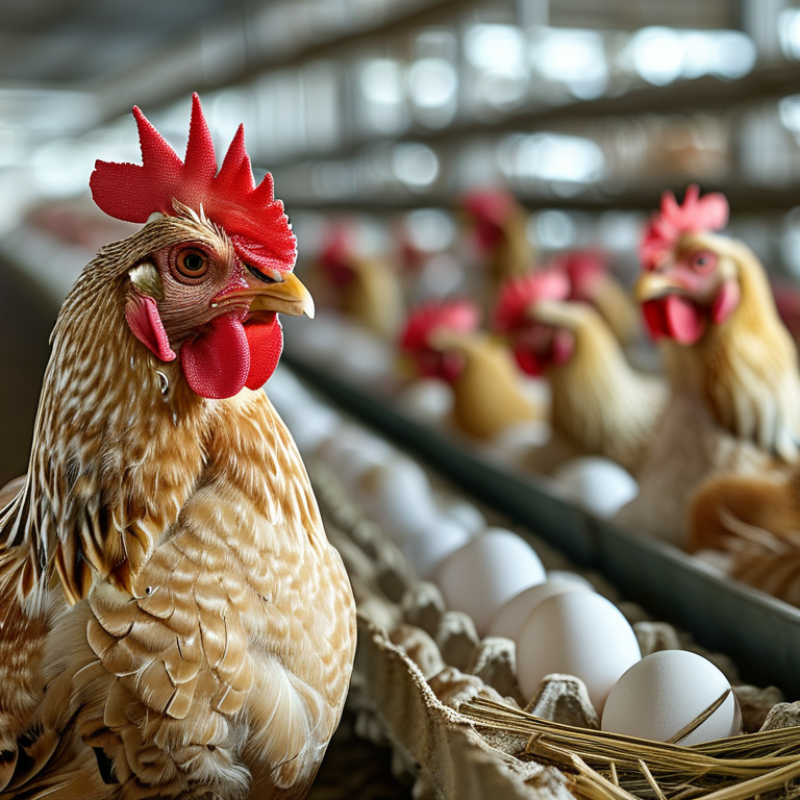
Eggshell quality plays a pivotal role in poultry production. High-quality eggshells are essential for the overall health of poultry and the economic viability of farms. Reports indicate that approximately 7% of eggs produced are lost due to cracked shells. This loss directly impacts the profitability of producers. Strong eggshells protect the contents within, ensuring better hatchability rates and reducing mortality in chicks. Weak shells lead to higher breakage rates, which can significantly affect both the supply chain and consumer trust.
Research has shown that essential minerals, such as calcium and phosphorus, are crucial for optimal eggshell formation. A deficiency in these minerals can cause thin shells. It is estimated that incorporating the right balance of minerals can reduce shell defects by up to 30%. Moreover, regular monitoring of mineral intake is essential. Failures in this area can lead to higher production costs and reduced output. Producers must remain vigilant and adapt their nutrition programs as needed to optimize eggshell quality. This aspect of poultry management is often overlooked but is vital for sustainable production practices.
Eggshell quality is crucial for poultry health. Essential minerals play a key role in developing strong eggshells. Calcium, phosphorus, and magnesium are vital for optimal shells. Calcium is the most critical mineral. It forms the structure of the eggshell, which protects the embryo. Ensuring adequate calcium intake can be challenging. Layers may not always consume enough from their diet.
Phosphorus supports calcium utilization. It enhances eggshell strength and overall egg production. A balanced ratio of calcium to phosphorus is important. Too much or too little can lead to weaker shells. Magnesium, while less discussed, also contributes. It aids in the process of eggshell formation and influences muscle function.
Essential minerals must be supplied consistently. Uneven mineral levels can lead to variability in eggshell quality. Regular monitoring and adjustments in feed are necessary for improvements. Farmers and producers must be vigilant. Each adjustment impacts not only productivity but the integrity of the eggs themselves. Investing in this knowledge is essential for success.
Mineral nutrients play a crucial role in enhancing eggshell strength. Research shows that calcium, phosphorus, and magnesium are essential for optimal shells. Calcium is the primary component, making up about 94% of eggshells. Without adequate calcium, eggshells may become thin and brittle, increasing breakage rates.
Phosphorus also contributes significantly. It aids in bone structure, supporting overall health in hens. A deficiency can result in weaker bones, affecting the hen's ability to produce strong eggshells. Magnesium is another key player. It assists in the formation of calcified shells and supports metabolic functions. Farmers may overlook magnesium, but it influences shell quality.
The interaction of these minerals is complex. For instance, an imbalance can lead to deficiencies. Some studies indicate that optimal mineral ratios can improve eggshell quality by up to 15%. However, nutrition isn't the only factor. Environmental conditions like humidity and temperature also affect eggshell integrity. Thus, a holistic approach is necessary to ensure strong eggshells.
Identifying deficiencies in essential minerals is crucial for ensuring optimal eggshell quality in hens. Hens with inadequate calcium often produce weak or thin shells. This can lead to breakage during handling, reducing marketability. Inadequate phosphorus also plays a key role. It contributes to the overall strength of the eggshell, and its deficiency can be difficult to identify until it causes a significant issue.
Beyond calcium and phosphorus, low levels of vitamin D can lead to poor eggshell quality. Vitamin D aids in calcium absorption, promoting stronger shells. Hens lacking in this vitamin often display signs of weakness or a decline in overall health. Observing hens that seem lethargic or are laying fewer eggs may indicate nutritional gaps.
Farmers should monitor their flocks regularly. Look for eggs with rough surfaces or inconsistent sizes. These can be signs of underlying nutritional issues. It’s essential to reflect on the nutritional protocols in place. Regular analysis of feed can help ensure that hens receive balanced nutrition, improving eggshell quality and flock productivity.
| Mineral | Function in Eggshell Quality | Signs of Deficiency | Recommended Source |
|---|---|---|---|
| Calcium | Essential for developing strong eggshells | Thin or soft shells, increased breakage | Crushed oyster shells, limestone |
| Phosphorus | Works with calcium to strengthen eggshells | Weak shells, poor shell quality | Dicalcium phosphate, meat and bone meal |
| Magnesium | Contributes to calcification of eggshells | Inconsistent shell thickness, brittle eggs | Magnesium oxide, green leafy vegetables |
| Vitamin D | Facilitates calcium absorption | Poor shell formation, weak eggs | Sunlight exposure, fortified feed |
| Zinc | Supports overall health and eggshell integrity | Deformed shells, reduced egg production | Zinc oxide, whole grains |
Enhancing the quality of eggshells requires careful mineral supplementation in chicken diets. Essential minerals, such as calcium, phosphorus, and magnesium, play crucial roles in eggshell formation. These minerals build the structure and integrity of eggshells. A diet deficient in any of these nutrients can lead to weak, fragile eggshells, affecting both the health of the hen and the viability of the eggs.
When supplementing minerals, consider various sources. For calcium, crushed oyster shells or limestone can be effective. Always provide minerals in a balanced manner. Too much of one mineral can hinder the absorption of others.
Tips: Ensure that the hens have access to fresh water. Proper hydration aids in the digestion and absorption of minerals. Monitor the hens’ egg production closely. If there is a sudden drop, reevaluate their dietary mineral intake.
Incorporating trace minerals like zinc and manganese is beneficial, too. These help with not only eggshell quality but also overall hen health. However, don’t overlook potential excesses. Over-supplementation can lead to toxicity. Balancing mineral intake is crucial for optimal eggshell quality.
: High-quality eggshells are vital for poultry health and farm profitability. Cracked shells cause significant losses.
Approximately 7% of eggs produced are lost because of cracked shells. This affects the bottom line for farmers.
Calcium and phosphorus are crucial for optimal eggshell formation. They're necessary to prevent thin shells.
Deficiencies can lead to weaker shells. This increases breakage and reduces the marketability of eggs.
Vitamin D is important for calcium absorption. Its deficiency can lead to poor eggshell quality and health issues.
Rough shell surfaces and inconsistent egg sizes can indicate nutritional deficiencies. Regular monitoring is key.
Farmers should analyze feed regularly. This ensures hens receive balanced nutrition to enhance eggshell quality.
Lethargic hens or those laying fewer eggs can signal nutritional gaps. These signs require prompt attention.
Regular checks help identify deficiencies in essential minerals. Prompt adjustments can lead to better eggshell quality.
Ignoring this issue can raise production costs and lead to decreased output. Reflection on protocols is necessary.
The article titled "Boosting Eggshell Quality with Essential Mineral Nutrition?" delves into the critical role that eggshell quality plays in poultry production. It emphasizes the essential minerals necessary for optimal eggshell development, exploring how these nutrients strengthen eggshells and enhance overall poultry health. Additionally, it highlights various signs indicating deficiencies in hens, leading to poor eggshell quality.
To successfully address the question of how to boost eggshell quality with mineral nutrition, the article outlines best practices for supplementing minerals in chicken diets. By understanding the importance of mineral nutrition and implementing effective dietary strategies, poultry producers can significantly improve eggshell strength and quality, ultimately benefiting egg production sustainability and economic viability.

Treo Nutrition