What Causes Copper Toxicity in Certain Sheep Breeds?

Time:2026-07-06 Author:Sienna
0%

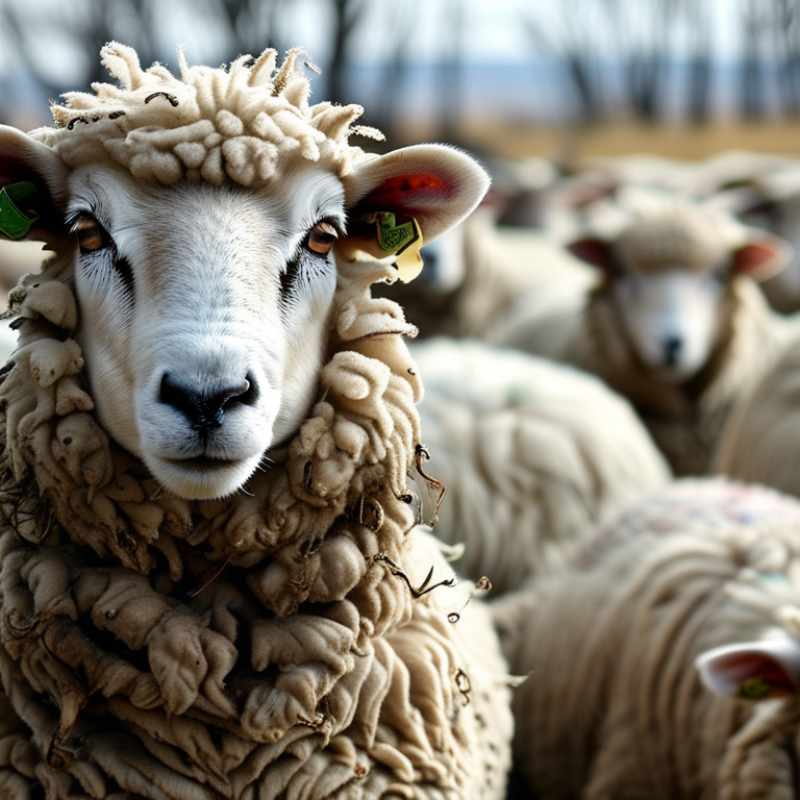
Copper toxicity in sheep is a pressing issue in livestock management. Understanding what causes copper toxicity in certain sheep breeds is crucial for farmers. Dr. Emily Moore, a renowned veterinary toxicologist, notes, "Genetic predisposition plays a significant role in the susceptibility of specific sheep breeds to copper." This highlights that not all sheep face the same risk from copper.

Certain breeds, like Merinos and Suffolks, are more vulnerable. These breeds have a limited ability to excrete copper. Accumulation over time can lead to severe health problems. Farmers often underestimate the risks, thinking all sheep can tolerate similar copper levels. This misconception can be detrimental.

Regular monitoring of copper levels in feed is essential. Using sheep genetic testing can also provide insight into the risk factors. Understanding what causes copper toxicity in certain sheep breeds allows for proactive management. The cost of prevention is far lower than treating toxicity. By becoming informed, farmers can make better decisions for their herds.
What Causes Copper Toxicity in Certain Sheep Breeds?

What is Copper Toxicity in Sheep?

Copper toxicity in sheep is a significant health concern, especially for certain breeds like the Merino and Suffolk. These breeds exhibit a predisposition to accumulate excess copper in their liver. This accumulation can lead to severe health problems, including liver failure. Understanding the signs and causes of copper toxicity is crucial for sheep farmers.

Sheep primarily obtain copper from their diet. Forages, grains, and supplements often contain varying copper levels. While copper is necessary for health, too much is harmful. Symptoms of copper toxicity can include jaundice, lethargy, and abdominal pain. Affected animals may also display behavioral changes or even develop neurological issues. These signs serve as critical indicators for farmers to monitor closely.

Managing copper levels is vital to prevent toxicity. Regular diet assessments are essential. Consulting with veterinarians can ensure proper nutrition for breeding flocks. Observing sheep for unusual behaviors can aid in early detection. Farmers must balance copper intake carefully to protect their livestock. It is a challenge that requires ongoing attention and adjustments.

What Causes Copper Toxicity in Certain Sheep Breeds? - What is Copper Toxicity in Sheep?

Sheep Breed Copper Tolerance Level (ppm) Symptoms of Toxicity Management Strategies
Merino 30 Anemia, liver failure, jaundice Monitor feed copper levels, provide copper chelators
Suffolk 25 Depression, lethargy, sudden death Regular health checks, avoid high-copper feeds
Dorset 20 Abdominal pain, vomiting, diarrhea Cautious feed formulation, veterinary guidance
Cheviot 15 Dizziness, weakness, skin lesions Regular monitoring, limit copper in water and supplements

Understanding Sheep Breeds Prone to Copper Toxicity

Copper toxicity in sheep is a significant concern, particularly for specific breeds. Some sheep, like the Merino and Suffolk, are particularly sensitive. These breeds have a lower tolerance for copper due to their unique metabolic capabilities. They absorb copper efficiently but struggle to excrete it.

When copper accumulates excessively in these sheep, it leads to serious health issues. Symptoms include lethargy, jaundice, and even sudden death. Farmers must be cautious when formulating diets. Feeds high in copper can trigger adverse reactions in susceptible breeds. Regular monitoring of copper levels is essential for maintaining their health.

Understanding the characteristics of these vulnerable breeds helps manage copper toxicity. Genetic factors influence how different sheep process copper. Education on proper nutrition and copper sources is vital for sheep owners. This knowledge fosters healthier environments for these animals. Fostering this awareness can improve sheep management practices significantly.

Causes of Copper Toxicity in Certain Sheep Breeds

Mechanisms of Copper Accumulation in Sheep

Copper accumulation in sheep is a complex issue, particularly for certain breeds such as Merinos. These sheep can naturally accumulate copper in their liver, leading to toxicity. Factors influencing this accumulation include dietary copper intake, as well as genetic predisposition. Some reports highlight that Merino sheep can absorb up to 60% more copper than other breeds. This heightened absorption significantly raises the risk of toxicity, particularly in regions with high copper in pasture or feed.

The liver stores excess copper, but an overload can be detrimental. Upon reaching critical levels, copper is released back into the bloodstream, causing severe health issues, including hemolytic anemia. The effects can vary widely among individual sheep, as some may exhibit symptoms while others remain asymptomatic despite similar copper exposure. A study indicated that 20% of affected sheep did not show early signs, complicating diagnosis.

Management of copper levels is crucial. Regular monitoring of dietary inputs and understanding the sheep's genetics can prevent toxicity. Farmers can implement mineral testing to balance minerals in sheep diets. However, unexpected copper release from the liver can still pose challenges. Continuous education and awareness are vital for effective prevention strategies in susceptible breeds.

Symptoms and Effects of Copper Toxicity on Affected Sheep

Copper toxicity is a significant concern for certain sheep breeds, particularly those with a lower tolerance to copper. Symptoms can vary but generally include lethargy, loss of appetite, and jaundice. Affected sheep may show signs of abdominal pain and may struggle to stand. These manifestations can quickly escalate, leading to severe health complications or even death if not addressed promptly.

Observation plays a crucial role in early detection. Regular monitoring of sheep for any behavioral changes is essential. If sheep begin to behave differently, it may signal copper toxicity. Conducting routine checks of their feed for copper content is also advisable. Over time, copper accumulates in the liver, leading to toxicity. So, awareness and proactive measures can save lives.

Providing a balanced diet is fundamental. Always seek guidance from a veterinary nutritionist to ensure correct mineral ratios. Consider introducing copper binders if copper levels in the diet are high. These binders can help reduce absorption and mitigate toxicity risks. Regular veterinary check-ups can enhance overall herd health. Copper toxicity can result from both dietary and environmental factors. Understanding these will lead to better management of affected sheep.

Preventive Measures and Treatments for Copper Toxicity in Sheep

Copper toxicity in sheep can pose serious health risks, especially among certain breeds. Preventing this condition requires a solid understanding of dietary balance. Sheep, particularly those sensitive to copper, should receive a copper intake closely monitored. According to recent studies, the optimal copper level in sheep diets should not exceed 10-25 ppm. Exceeding these limits can lead to toxic reactions.

To combat copper toxicity, adding zinc to the diet is beneficial. Zinc competes with copper for absorption, potentially reducing toxicity levels. Regularly testing liver copper concentrations allows farmers to track copper buildup in their flock. Signs of copper toxicity include jaundice, weakness, and even death. Therefore, timely intervention is crucial when symptoms appear.

Other preventive measures include rotational grazing and using supplements wisely. Observing individual sheep for changes in behavior or health is essential. Sometimes, increasing awareness about copper levels in pasture and feed is necessary. Though strategies exist, it’s important to reflect on their effectiveness regularly. Continuous education on copper toxicity is vital for successful sheep management.

FAQS

: What is copper toxicity in sheep?

: Copper toxicity occurs when sheep accumulate excess copper in their liver. It can lead to serious health issues.

Which sheep breeds are more prone to copper toxicity?

Breeds like Merino and Suffolk are especially susceptible to copper accumulation.

How do sheep get copper?

Sheep obtain copper primarily from their diet, including forages, grains, and supplements.

What are the symptoms of copper toxicity?

Symptoms include jaundice, lethargy, abdominal pain, and behavioral changes. Severe cases can lead to neurological issues.

How can farmers prevent copper toxicity in sheep?

Farmers must regularly assess diets and monitor copper levels. Consulting veterinarians can provide guidance on nutrition.

What dietary measures help manage copper levels?

Keeping copper intake between 10-25 ppm is essential. Adding zinc to the diet can also help reduce toxicity.

Why is monitoring sheep behavior important?

Observing sheep for unusual behavior can facilitate early detection of copper toxicity signs, leading to timely intervention.

Is rotational grazing beneficial?

Yes, rotational grazing can help manage copper levels and reduce toxicity risks.

How often should liver copper concentrations be tested?

Regular testing of liver copper concentrations is necessary to track copper buildup in the flock.

What challenges exist in managing copper levels?

Balancing copper intake is a constant challenge. Farmers need to reflect on the effectiveness of their strategies regularly.

Conclusion

Copper toxicity in sheep is a significant health concern, particularly affecting certain breeds that are genetically predisposed to accumulate high levels of copper in their bodies. This condition occurs when the liver's ability to store copper is overwhelmed, leading to toxic effects. Sheep breeds such as Merino and Suffolk are more susceptible, as their genetic makeup influences copper metabolism.

The mechanisms behind copper accumulation involve dietary intake, hepatic storage, and release into the bloodstream. Affected sheep may exhibit various symptoms, including lethargy, jaundice, and hemolytic anemia, which can ultimately lead to severe health consequences. Preventive measures include monitoring copper levels in feed and implementing regular health assessments. Addressing the question, "What causes copper toxicity in certain sheep breeds?" entails understanding both genetic predispositions and environmental factors that contribute to this condition, ensuring sheep health and productivity.

Sienna

Sienna

Sienna is a skilled marketing professional with a deep expertise in our company’s core products and services. With a passion for innovation and detail, she plays a pivotal role in crafting insightful blog posts that not only highlight the unique features of our offerings but also provide valuable......