How to Choose the Best Fertilizer for Acidic Soil?

Time:2026-06-13 Author:Liam
0%

Choosing the right fertilizer for acidic soil can significantly impact agricultural productivity. According to the USDA, nearly 40% of the U.S. farmland has acidic soil, especially in regions like the Southeast. This means that understanding soil chemistry is critical for farmers aiming for healthy crops. Dr. Emily Johnson, a soil fertility expert, emphasizes, “Understanding soil pH is crucial when selecting fertilizers.”

When considering how to choose the right fertilizer for acidic soil, one must grasp the relationship between soil pH and nutrient availability. For instance, certain nutrients become less available in acidic conditions. This reality can lead to subpar plant growth if not addressed properly. Reports suggest that improper fertilization can yield up to a 20% reduction in crop yields.

Farmers should think carefully about their specific soil conditions. Not all fertilizers are created equal. Some may exacerbate acidity, while others may help neutralize it. Addressing these challenges helps create a balanced soil environment that fosters robust plant growth. Hence, the question remains vital: how to choose the right fertilizer for acidic soil? Engaging with experts and conducting soil tests can pave the way for informed decisions.
How to Choose the Best Fertilizer for Acidic Soil?

Understanding Acidic Soil: pH Levels and Nutrient Deficiencies

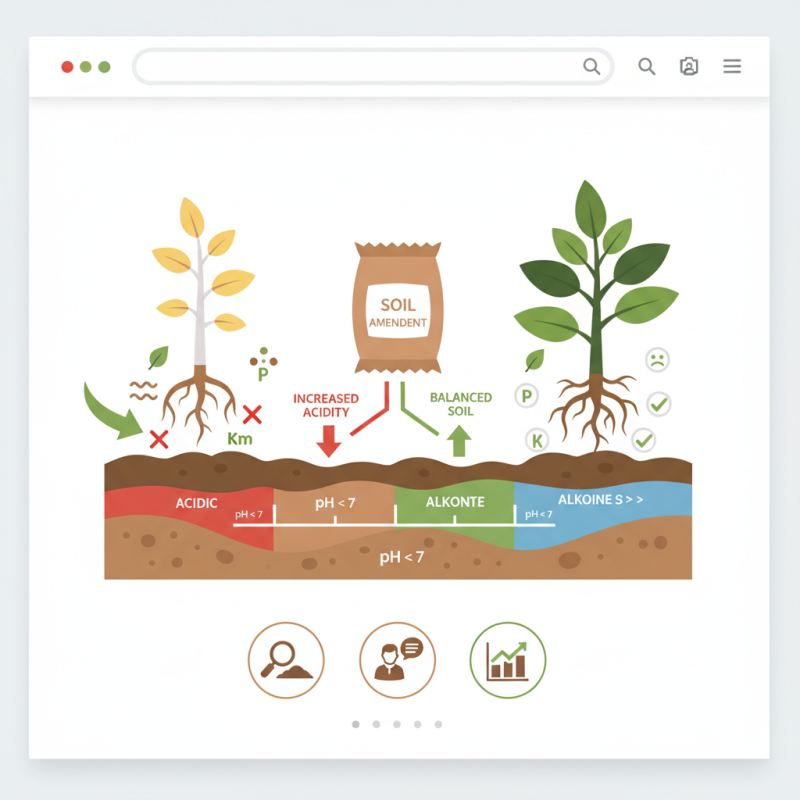
Understanding the pH levels of acidic soil is crucial for effective gardening. Acidic soil typically has a pH level below 6.0. This condition limits nutrient availability. Essential elements like nitrogen, phosphorus, and potassium can become deficient. A study from the USDA indicates that nearly 40% of U.S. soils are acidic. These soils often yield poor plant growth.

Nutrient deficiencies in acidic soil can manifest as yellowing leaves or stunted growth. For instance, iron deficiency is common. Plants may struggle to absorb it when pH drops below 5.5. Research by the University of Illinois shows that increasing soil pH can enhance nutrient uptake. However, adjusting pH isn’t a quick fix. It requires careful testing and monitoring.

When selecting fertilizers, consider both nutrient type and soil pH. Lime-based amendments can raise pH but may take time to show effects. Furthermore, using balanced fertilizers can help address multiple deficiencies. Blending organic matter into the soil can also improve nutrient retention. Remember, every soil is unique, and ongoing testing is vital to ensure optimal conditions.

Key Nutrients for Acidic Soil: Nitrogen, Phosphorus, and Potassium Needs

When dealing with acidic soil, understanding key nutrients is crucial. Nitrogen, phosphorus, and potassium are essential for plant growth. Each nutrient plays a unique role. Nitrogen promotes healthy leaf growth. Plants need it for strong foliage. Without enough nitrogen, leaves may yellow and growth can stall.

Phosphorus supports root development and flowering. It is vital for energy transfer in plants. Deficiency can lead to poor root systems, affecting overall health. Farmers must monitor phosphorus levels closely, as acidic conditions can limit availability. Effective fertilization strategies should consider this need.

Potassium is crucial for water regulation and disease resistance. Plants lacking potassium may struggle with stress conditions. They become more prone to pests and diseases. Regular testing of soil pH and nutrient levels helps identify any deficiencies. Adjusting fertilizer types can enhance nutrient uptake. Experiencing challenges in balancing these needs is common. Reflecting on past fertilization practices can lead to better results in future crops.

How to Choose the Best Fertilizer for Acidic Soil?

Nutrient Recommended Level (ppm) Functions Sources
Nitrogen (N) 20-40 Promotes leaf and stem growth Urea, Ammonium sulfate
Phosphorus (P) 15-25 Supports root development and flowering Bone meal, Rock phosphate
Potassium (K) 120-200 Enhances overall plant health and disease resistance Kelp meal, Potassium sulfate

Evaluating Fertilizer Types: Organic vs. Inorganic Options for Acidic Soils

When it comes to fertilizing acidic soils, choosing the right type is crucial. Organic fertilizers often provide slow-release nutrients. They improve soil structure and enhance microbial activity. A study from the Journal of Soil Science indicates that organic options can significantly increase soil carbon levels. This is vital for long-term soil health.

Inorganic fertilizers, on the other hand, release nutrients more quickly. They can be effective for immediate nutrient needs. However, excessive use may lead to nutrient leaching. According to the International Plant Nutrition Institute, improper application can harm the surrounding environment. Frequent soil testing can help determine nutrient needs and reduce over-reliance on synthetic options.

Balancing organic and inorganic fertilizers is an ongoing challenge. Organic amendments can be slow to show results. In contrast, synthetic options may benefit short-term growth but risk long-term soil health. Identifying the right balance requires careful observation and adjustment. Consider the specific plants and their nutrient uptake patterns for optimal results.

Application Techniques: Timing and Methods for Effective Fertilization

When fertilizing acidic soil, timing and methods are crucial for good results. Apply fertilizers when plants show signs of growth. The early spring is often best, as nutrients will be available when plants need them most. During this period, the soil temperature begins to rise, which helps activate microbial activity. This encourages effective nutrient uptake by plants.

Using the correct application technique is essential. Broadcasting fertilizers evenly across the soil ensures that all plants receive an adequate dose. For concentrated areas, consider side-dressing, where you apply fertilizer in bands next to crops. This method can help reduce nutrient loss. Also, softening the soil slightly before application can aid absorption.

Tips: Water your plants after fertilizing. This will help nutrients penetrate the soil and reach the roots. Monitor plant growth closely to adjust future applications. Not every fertilizer will work perfectly for your soil type, so be prepared to experiment with different options. Keep a journal of your results for better decision-making in the future.

Measuring Soil Improvement: Monitoring pH Changes and Plant Health

Monitoring the pH levels of acidic soil is crucial for successful gardening. Soil pH directly impacts nutrient availability. For example, at a pH of 5.5, essential elements like nitrogen may be less accessible. This change can affect plant growth and yield. Regular soil testing helps determine the right time to amend soil.

Measuring soil improvement goes beyond just monitoring pH levels; assessing plant health is equally important. A study by the Soil Science Society suggests that healthy plants typically show vibrant colors and robust growth. If your plants appear stunted or discolored, it might indicate deficiencies linked to acidic conditions. Soil amendments should be evaluated not just by pH changes but by observing plant responses over seasons.

However, the journey to optimizing soil health is not always perfect. Some amendments may not yield immediate results. Understanding the specific needs of your plants requires patience and observation. A reliable approach involves adjusting amendments based on ongoing plant performance, not just static pH readings. This dynamic process reflects nature's complexity and the need for continued learning and adaptation.

FAQS

: When is the best time to fertilize acidic soil?

: Early spring is ideal for fertilizing. It's when plants show growth, and nutrients become available.

What application method ensures even fertilizer distribution?

Broadcasting fertilizers evenly across the soil is effective. It helps all plants receive nutrients adequately.

How can side-dressing be beneficial?

Side-dressing applies fertilizer in bands beside crops. This reduces nutrient loss in concentrated areas.

Should soil be softened before applying fertilizer?

Yes, softening the soil can aid in absorption of nutrients. It enhances the effectiveness of the application.

Why is monitoring pH levels important?

Soil pH affects nutrient availability. Regular tests help identify when to amend soil for better plant health.

How can plant health indicate soil improvement?

Vibrant colors and robust growth signify healthy plants. Stunted or discolored plants may suggest deficiencies.

Should I expect immediate results from soil amendments?

Not always. Some amendments take time to show effects. Patience and observation are necessary for success.

Is it necessary to track fertilizer results?

Yes, keeping a journal of results helps in decision-making for future applications. It aids experimentation.

Can nutrient availability vary with pH changes?

Yes, at certain pH levels, essential nutrients may be less accessible. This impacts overall plant growth and yield.

What is a reliable approach to soil health?

Adjusting amendments based on plant performance is key. A dynamic process reflects the complexity of nature.

Conclusion

When considering "How to choose the right fertilizer for acidic soil?", it's essential first to understand the characteristics of acidic soil, focusing on its pH levels and potential nutrient deficiencies. Key nutrients such as nitrogen, phosphorus, and potassium play a crucial role in promoting healthy plant growth in these soils.

Furthermore, one must evaluate the types of fertilizers available, weighing the benefits of organic versus inorganic options, and utilizing appropriate application techniques. Timing and methods are critical for effective fertilization to achieve optimal results. Lastly, monitoring soil improvement by checking pH changes and assessing plant health will help determine the success of your fertilization strategy, ensuring that you meet the specific needs of acidic soil effectively.

Liam

Liam

Liam is a dedicated marketing professional with a profound expertise in the industry, where he excels at highlighting the unique advantages of our core products. With a keen understanding of market trends and consumer needs, Liam frequently updates our company’s professional blog, providing......