Understanding dairy cows' dietary requirements is crucial for optimal milk production. How much protein does a dairy cow need daily? This question holds significant importance for farmers. Providing the right amount of protein influences milk yield and animal health.
Cows require a specific protein intake to maintain productivity. Factors such as age, weight, and lactation stage affect these needs. Dairy cows typically require about 16-18% of protein in their diet. This protein comes from forages and commercial feeds. Adequate protein supports muscle maintenance and milk synthesis.
However, the exact protein requirement can vary. Not all cows respond similarly to protein intake. Monitoring body condition and milk output can help adjust their diet accordingly. Finding the right balance can be challenging. It’s essential to reflect on each cow's unique needs to ensure their well-being and productivity.
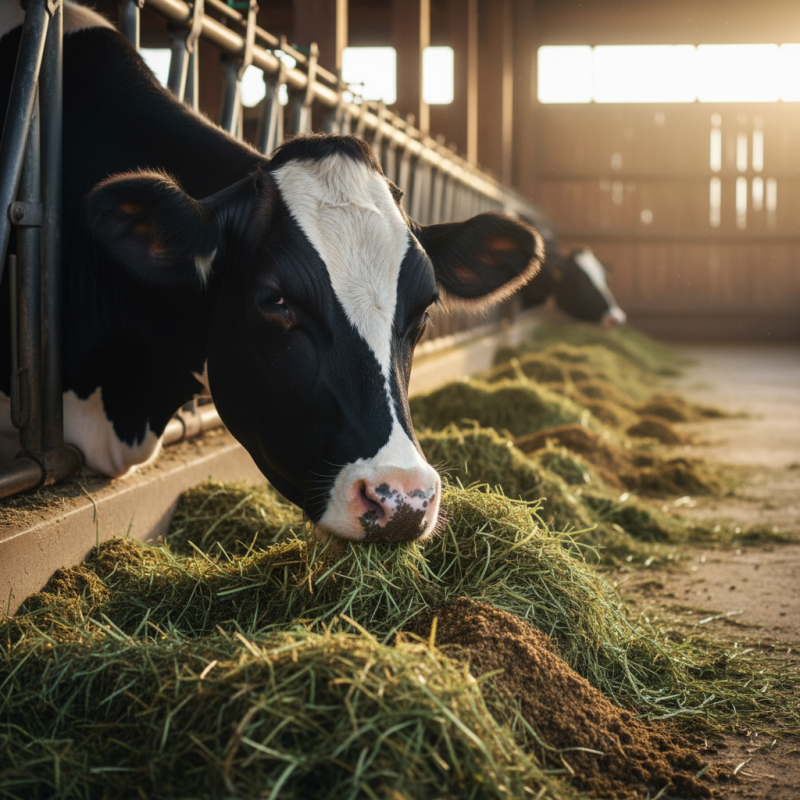
Daily protein requirements for dairy cows play a crucial role in their overall health and milk production. On average, a lactating dairy cow needs between 16% to 18% of protein in her diet. This amount can vary based on factors such as age, stage of lactation, and body condition. A well-balanced diet not only supports milk yield but also enhances the cow's immune function and reproductive health.
Protein sources for dairy cows include soybean meal, alfalfa, and canola meal. These ingredients provide essential amino acids that cows need for growth and lactation. However, assessing how much protein is adequate can be tricky. Farmers should evaluate their feeding strategies regularly. Monitoring the cow's body condition score can indicate whether her protein intake meets her requirements. If cows are losing weight or producing less milk, their protein needs may not be met.
Balancing protein intake is also vital to prevent excesses. Overfeeding protein can lead to issues such as increased nitrogen output, which harms the environment. Therefore, adjusting the protein in a cow’s diet requires careful consideration and regular adjustments based on her specific needs. Observing changes in milk production and health is essential to making informed decisions.
Dairy cows have specific protein needs that vary based on several factors. A report from the American Dairy Science Association indicates that a lactating dairy cow requires about 16-18% protein in her diet. However, this percentage can change based on her stage of lactation. Cows in early lactation often need more protein compared to those at the end of their lactation cycle.
The cow’s age and body condition also play significant roles. Younger cows, still growing, need a higher protein level. Older cows may require less protein if they are not producing as much milk. Nutritionists often recommend monitoring body condition scores. These scores help ensure cows are neither under-fed nor over-fed. Balancing protein intake with energy in the diet is crucial to avoid metabolic issues.
Environmental factors cannot be overlooked. Temperature and humidity affect a cow’s feed intake and, subsequently, her protein requirements. During hot weather, cows may eat less, necessitating a higher protein concentration in their feed. Farmers need to adjust diets based on these conditions, ensuring that cows receive the necessary nutrients without overloading their systems. Understanding these factors is essential for optimizing dairy production.
When considering protein sources for dairy cows, it is crucial to evaluate the nutritional content and digestibility of each option. Common protein sources include soybeans, alfalfa, and canola meal. According to the National Animal Feed Nutritional Association, soybeans provide a high level of digestible protein. They contain approximately 44% protein, making them an excellent choice for lactating cows. However, this source is also high in anti-nutritional factors, which may limit digestibility.
In contrast, alfalfa is another popular protein source. It has about 20-25% crude protein content. Its high fiber content complements the cow's needs and can enhance milk production. A study published in the Journal of Dairy Science reports that cows fed alfalfa performed comparably to those fed higher protein diets. However, the lower protein level requires careful balance in rations to meet overall protein needs.
Canola meal offers another alternative, with around 35% crude protein. It’s less popular but growing in use due to its favorable amino acid profile. However, the potential for variability in nutrient content necessitates regular testing. Dairy producers must assess the nutritional value and costs of various protein sources. Balancing protein in dairy cow diets is an ongoing challenge that requires careful consideration of each ingredient's benefits and drawbacks.
The protein needs of dairy cows can vary throughout their lactation cycle. Early in lactation, cows require more protein due to the demands of milk production. This period typically spans the first 10 weeks after calving. Here, a higher protein intake ensures that the cow can meet her energy and nutritional requirements. Research shows that protein levels significantly influence milk yield and quality, which is critical for dairy farmers.
As lactation progresses, protein requirements gradually decrease. Cows in mid to late lactation have less urgent needs as their milk production stabilizes. During this phase, excessive protein can lead to inefficiencies and health issues. Dairy farmers must adjust the diet accordingly to prevent waste. The key is finding the right balance that supports the cow's health without oversupplying nutrients.
Monitoring protein intake requires consistent evaluation of each cow's condition and milk output. Many factors, such as genetics and feeding management, play a role. Understanding the individual needs of each cow can be challenging. Relying solely on standard guidelines may not yield the best outcomes. Addressing these nuances is crucial for effective dairy herd management.
Dairy cows, like all ruminants, require an adequate amount of protein for optimal health. When cows don’t receive enough protein, they exhibit specific signs. One noticeable sign is reduced milk production. Milk yield may drop, affecting overall farm productivity. If the protein shortage continues, it can lead to weight loss and a decline in body condition.
Behavioral changes are another indicator of protein deficiency. Cows might become lethargic and less active. They may also show signs of reduced appetite. Observing these behavioral shifts can signal a need for dietary adjustments. Farmers must remain vigilant and recognize these early signs to prevent more severe health issues.
Monitoring the herd closely is crucial. Regular health checks help identify deficiencies. Nutritional adjustments can be made based on these observations. Failing to address protein needs may result in long-term effects on the dairy operation. Reflecting on how to improve feeding practices can enhance herd health and productivity.
| Nutritional Requirement | Recommended Daily Intake (grams) | Signs of Protein Deficiency |
|---|---|---|
| Lactating Dairy Cows | 900 - 1100 | Reduced milk production, weight loss |
| Heifers (Growing) | 700 - 900 | Slow growth rate, poor appetite |
| Dry Cows | 200 - 400 | Increased susceptibility to diseases |
| Early Lactation Cows | 1000 - 1200 | Fat mobilization, decreased fertility |
: Lactating dairy cows typically need 16-18% protein in their diet.
Cows need more protein early in lactation, especially in the first 10 weeks.
Monitoring body condition helps avoid underfeeding or overfeeding cows.
Younger cows require more protein for growth, while older cows may need less, depending on milk production.
Temperature and humidity can affect a cow's feed intake and, thus, protein requirements.
Farmers should increase protein concentration in feed during hot weather when cows eat less.
Too much protein can lead to inefficiencies and health issues in dairy cows.
Continuous evaluation helps adjust diets based on each cow's condition and milk output.
Relying on standard guidelines alone may not meet each cow's individual needs.
Factors like genetics and feeding management complicate understanding each cow's requirements.
Determining "how much protein does a dairy cow need daily?" is essential for optimal health and productivity. Daily protein requirements for dairy cows vary based on their age, weight, and stage of lactation. Factors such as diet composition, milk production levels, and environmental conditions can also significantly influence these protein needs.
A comparative analysis of different protein sources reveals that quality and digestibility impact the effectiveness of protein supplementation. Moreover, the stage of lactation plays a critical role; protein intake must be adjusted to meet the varying demands during early, mid, and late lactation. Recognizing the signs of protein deficiency, such as reduced milk yield and poor body condition, is vital for farmers to ensure their cows receive adequate nutrition for maximum health and productivity.

Treo Nutrition