Balancing winter feed with protein concentrates is crucial for livestock health. Dr. Emily Johnson, a leading expert in animal nutrition, emphasizes, "Selecting the right protein source is key to winter feed success." This highlights the need for a careful approach during colder months.
Winter poses unique challenges for livestock. Feed availability and nutritional value often decrease. Many farmers struggle with ensuring adequate protein intake. This is where understanding how to balance winter feed with protein concentrates becomes essential. Livestock require stable protein levels to maintain their energy and health.
Farmers may rush choices or stick to familiar routines. However, this can lead to nutrient deficiencies or waste. For instance, using a high-protein concentrate without assessing animal needs can cause imbalance. Listening to experienced voices like Dr. Johnson can help guide better practices. Feeding decisions must be informed, deliberate, and flexible to improve livestock performance this winter.
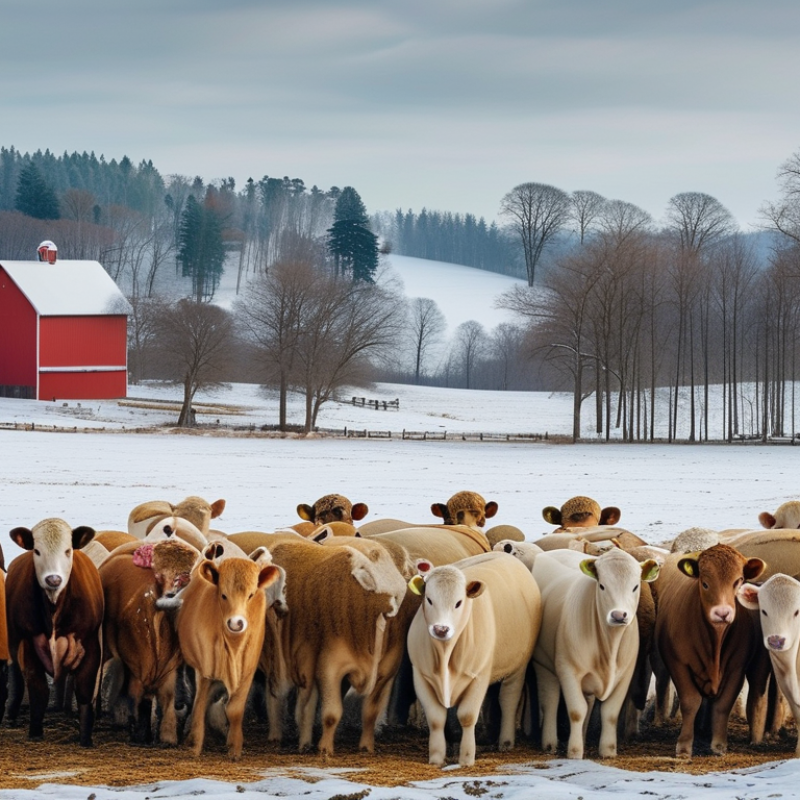
During winter, livestock have unique nutritional needs. Cold temperatures increase their energy requirements. Animals require adequate protein and energy sources to maintain health. Balancing feed effectively ensures they receive essential nutrients.
Incorporating protein concentrates into winter feeding plans can be beneficial. These concentrates provide high-quality protein essential for growth and reproduction. However, over-reliance on concentrates can lead to dietary imbalances. It's critical to monitor livestock reactions to changes in diet.
Additionally, forage quality often declines during winter. Farmers should evaluate their current feed supplies regularly. Testing forage for nutritional content can guide adjustments in the diet. Regular assessments help prevent deficiencies and ensure animals thrive. Understanding these needs enhances livestock productivity and overall health, even during harsh winter months.
When it comes to winter feeding, choosing the right protein concentrate is crucial. Several factors should guide your decision. The nutritional needs of livestock often change during colder months. Animals require more energy and protein to maintain body heat and health.
Sourcing suitable protein concentrates involves evaluating local options. Soybean meal and alfalfa hay are common choices. Both deliver essential amino acids. However, sourcing strategies can be challenging. Prices may fluctuate due to demand. It's essential to stay informed about market trends.
Balancing cost and quality is another hurdle. Some farmers might opt for cheaper alternatives. Yet, this can lead to deficiencies. Regular testing of feed components can help identify quality issues. Take time to assess the nutritional value of each protein source before making decisions. Engaging with local agricultural experts can provide additional insights and improve feeding strategies.
Winter feeding poses unique challenges for livestock producers. Designing a balanced ration requires careful consideration of protein levels, forage quality, and nutrient requirements. In many cases, forages alone may not meet the protein needs of animals during colder months. To address this, incorporating protein concentrates is essential to ensure optimal animal health and performance.
Utilizing various protein supplements allows for a more tailored approach. Options such as soybean meal or alfalfa pellets can elevate protein levels without compromising energy intake. Monitoring the overall diet is critical. A blend of forages and protein sources can promote efficient digestion and nutrient absorption. However, it's important to evaluate the cost-effectiveness of protein supplements. Over-reliance on high-cost proteins may not be sustainable long-term.
Challenging weather can lead to feed shortages. This circumstance often forces producers to adapt their rations unexpectedly. Regular testing of both forages and supplements aids in understanding the nutritional value of available feeds. Balancing the ration effectively might reveal gaps in nutrient delivery, requiring further adjustments. Continuous observation and adaptation are key for maintaining livestock efficiency during winter.
| Feed Type | Protein Concentrate (g/kg) | Energy (MJ/kg) | Fiber (% DM) | Cost ($/kg) |
|---|---|---|---|---|
| Alfalfa Hay | 180 | 10.5 | 30 | 0.25 |
| Corn Silage | 80 | 11.2 | 35 | 0.15 |
| Soybean Meal | 450 | 8.8 | 7 | 0.60 |
| Oats | 140 | 12.0 | 11 | 0.30 |
| Barley | 130 | 12.5 | 8 | 0.28 |
Monitoring livestock health during winter feeding is crucial for optimal performance. Research indicates that protein supplementation can enhance digestion and nutrient absorption. For instance, the National Livestock Producers Association suggests that a balanced ration should contain at least 12% crude protein for growing cattle in cold weather.
It's essential to observe body condition scores (BCS) closely. Animals losing weight may indicate inadequate nutrition. Ensuring consistent access to clean water is also vital for maintaining hydration and promoting health. Check for signs of stress, such as decreased feed intake or lethargy.
Tips: Regularly weigh a sample of your livestock to track growth rates. Utilize stress management techniques, like proper shelter, to enhance animal comfort. Incorporate high-quality forage to improve the overall nutrition profile of your feed, as it can directly impact your livestock’s vitality and output. Even small adjustments can yield notable improvements in performance.
In winter, animal nutrition becomes crucial due to the scarcity of fresh forage. As temperatures drop, animals require energy-rich diets to maintain warmth and health. Protein concentrates can effectively complement winter feed, ensuring livestock receives adequate nutrients. Adjusting feeding practices based on seasonal changes is essential for optimal animal performance.
**Tips:** Monitor feed availability regularly. If forage is limited, increase protein sources gradually. Observe animal behavior closely. Some may show disinterest in colder months. Providing a variety of feeds can stimulate appetite.
Seasonal changes impact nutrient absorption as well. Cold weather affects digestion, making high-quality protein vital. Focus on incorporating supplements that bolster energy levels. However, be cautious; over-supplying may lead to digestive issues. It’s a delicate balance that requires constant attention.
**Tips:** Track body weight weekly. Look for signs of weight loss or gain. Make adjustments as needed to ensure consistent nutrition. Gradual changes often yield the best results. Consider consulting with a livestock nutritionist for tailored advice.
: It ensures livestock receive enough energy and protein to maintain health during cold months.
Soybean meal and alfalfa hay are two popular options that provide essential amino acids.
Prices can fluctuate due to demand, making it vital to stay informed about local market conditions.
Cheaper alternatives might lead to nutritional deficiencies. Quality should be prioritized for animal health.
Regular testing of feed components helps identify quality issues and ensures proper protein levels.
Weather conditions can cause feed shortages, requiring unexpected ration adjustments.
They help meet protein needs, ensuring a balanced diet without reducing energy intake.
It enhances digestion and nutrient absorption, crucial for maintaining livestock health.
They provide insights that can help improve feeding plans and address potential deficiencies.
Continuous observation allows for tailored ration changes, enhancing overall animal health and performance.
Effectively balancing winter feed with protein concentrates is crucial for maintaining livestock health during the colder months. Understanding the nutritional needs of livestock in winter requires knowledge of their dietary requirements, which may vary due to environmental conditions. Identifying suitable protein concentrates, such as soy or alfalfa, can enhance the quality of winter feed and support overall animal health.
To achieve the best results, farmers should strategically balance winter feed rations with these supplements while monitoring livestock health and performance closely. Adjusting feeding practices based on seasonal changes and the availability of feed resources ensures that livestock receive optimal nutrition throughout the winter. Therefore, it is essential to continually ask, "How to balance winter feed with protein concentrates?" to maintain an effective feeding strategy.

Treo Nutrition