Newborn calves are vulnerable and require special care to thrive. One essential aspect of this care is the administration of vitamin and mineral shots. These shots play a crucial role in enhancing immunity and promoting growth. According to a study published in the Journal of Dairy Science, early supplementation can reduce health issues in calves by about 30%.
Veterinarian Dr. Lisa Smith emphasizes, “Why do newborn calves need vitamin and mineral shots? They are critical for establishing a strong immune foundation.” This insight highlights the importance of nutrient delivery soon after birth. Without adequate vitamins and minerals, calves are more susceptible to disease, impacting their long-term productivity.
The early weeks are vital for a calf's development. During this period, the gastrointestinal system is still maturing. Deficiencies in nutrition can lead to significant growth setbacks. In an industry where every calf's potential counts, investment in their health through targeted supplementation shows promise. Addressing these needs is a proactive measure that reflects on the future viability of dairy operations.
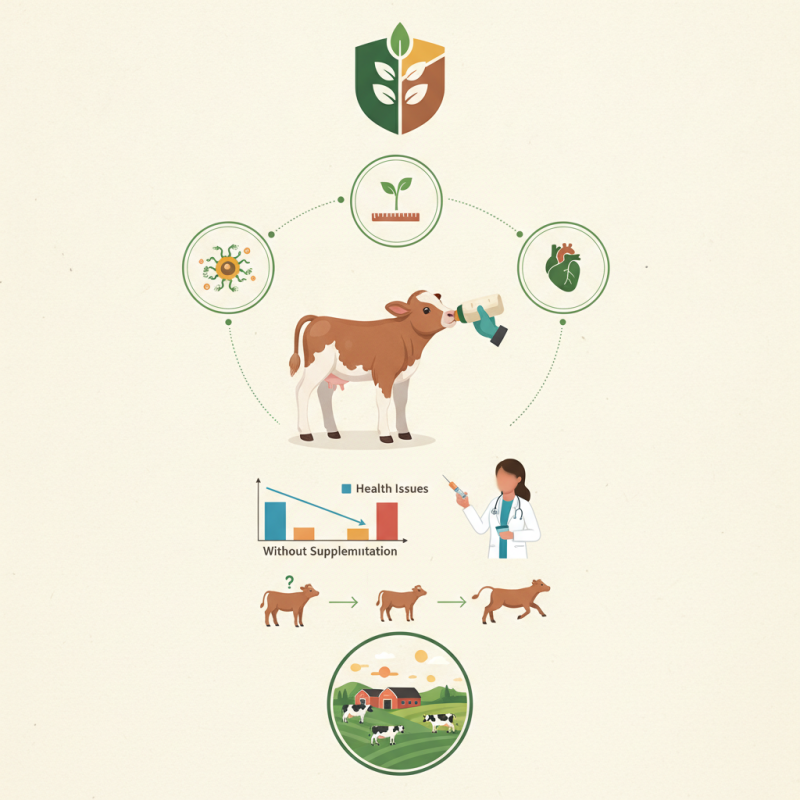
Newborn calves are incredibly delicate. Their nutritional needs are crucial for healthy growth and development. At birth, calves may not receive adequate nutrition from their mothers. This can lead to deficiencies that impact their overall health. Providing essential vitamins and minerals through shots can make a significant difference.
These shots ensure that calves get vital nutrients. Vitamin D, for instance, supports bone health and immune function. Calcium and phosphorus are critical for muscle and bone development. When these minerals are lacking, calves may face health issues. It's common for farmers to overlook these needs, assuming natural intake is sufficient.
Regularly administering these shots can prevent many problems. While it requires extra effort, the positive impact on calf health is evident. Observing the thriving growth of calves after proper nutrition gives farmers peace of mind. Yet, it's essential to continuously assess and adapt nutrition plans. Regular monitoring can help identify deficiencies early on.
| Nutrient | Function | Signs of Deficiency | Recommended Dosage |
|---|---|---|---|
| Vitamin A | Essential for vision and immune function | Night blindness, poor growth | 1000 IU/kg body weight |
| Vitamin D | Promotes calcium absorption for bone health | Rickets, weak bones | 200 IU/kg body weight |
| Vitamin E | Antioxidant, supports immune function | Muscle degeneration, poor reproductive health | 10 IU/kg body weight |
| Selenium | Antioxidant, necessary for thyroid function | White muscle disease, immune issues | 0.3 mg/kg body weight |
| Iron | Essential for hemoglobin formation | Anemia, lethargy | 100 mg at birth |
: These shots boost immune systems. Calves receiving them are 30% less likely to get diseases.
It's best to administer them within the first 24 hours after birth. This timing is crucial for their health.
Follow-up shots are recommended every two to four weeks. This helps maintain their nutrient levels.
Deficiencies can lead to respiratory issues and stunted growth. Some can experience reduced milk production later.
No, not all calves get enough nutrients from milk alone. Regular diet analysis is essential to prevent deficiencies.
Monitor growth rates closely and adjust supplementation as needed. Individual needs can vary based on environment and diet.
Yes, working with a veterinarian can enhance nutrition plans. Tailored advice is critical for optimal calf growth.
Poor nutrition can affect overall health and productivity later on. Investing in proper shots today pays off in the future.
Newborn calves require optimal nutrition to ensure their growth and health, and this is where the question arises: "Why do newborn calves need vitamin and mineral shots?" These shots play a crucial role in enhancing their overall health by providing essential vitamins and minerals that support immune function, growth, and development.
Proper supplementation can significantly reduce the risk of common diseases and promote better resilience during vulnerable early life stages. To achieve the best results, it is important to administer these shots safely and according to a recommended schedule. Understanding the appropriate timing and frequency for vitamin and mineral supplementation is essential for maximizing benefits and supporting the vital health of newborn calves.

 Treo Nutrition