Why Do Horses Need Salt Licks and Mineral Blocks for Health?

Time:2026-05-16 Author:Charlotte
0%

Horses, like all living beings, have specific nutritional needs that must be met for optimal health. One critical aspect is electrolytes, which can be replenished through salt licks and mineral blocks. Dr. Jane Smith, an equine nutritionist, articulates this need succinctly: “Salt licks are essential for horses to maintain hydration and overall health.”

Why do horses need salt licks and mineral blocks? Salt aids in balancing fluids within the horse's body. It helps regulate temperature and supports muscle function during exercise. Additionally, mineral blocks provide important trace elements that horses may not acquire from their regular diet.

It is crucial to monitor your horse’s intake. Too much salt can lead to health issues, but too little can be equally harmful. Providing access to salt licks and mineral blocks promotes self-regulation, allowing horses to adjust their intake based on their needs. Understanding this balance is vital for horse owners everywhere.
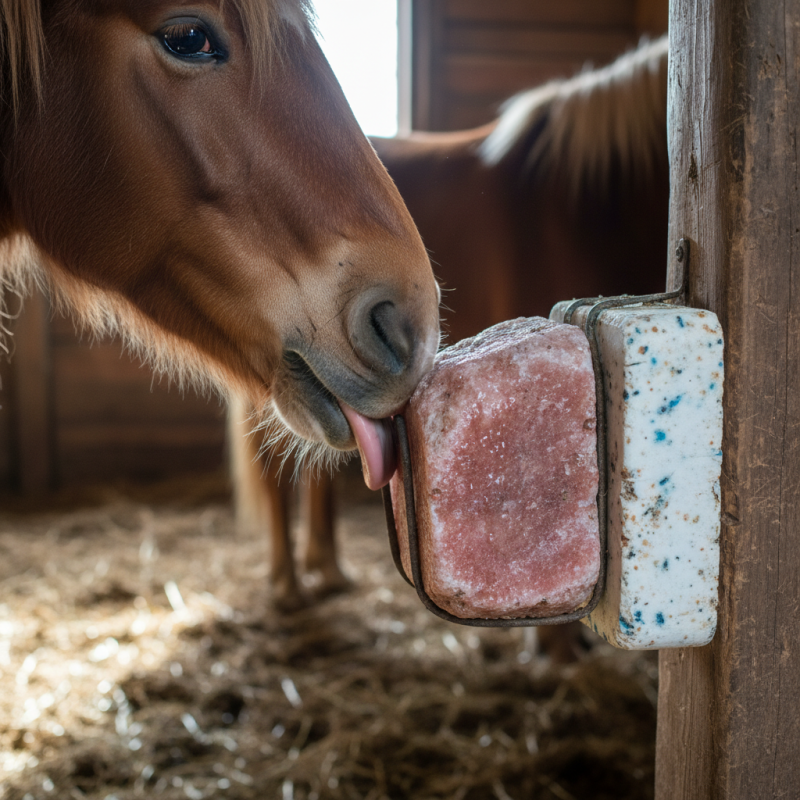
Why Do Horses Need Salt Licks and Mineral Blocks for Health?

The Importance of Salt Licks and Mineral Blocks for Horses

Horses, like all animals, require essential nutrients for optimal health. Salt licks and mineral blocks are critical supplements for equine diets. These products provide not just salt but also a range of vital minerals. Electrolytes, for instance, play key roles in muscle function and hydration. A study by the University of Kentucky highlights that sodium is one of the most frequently deficient minerals in horse diets.

Mineral blocks often contain calcium, phosphorus, magnesium, and trace minerals, which are crucial for bone strength and muscle development. Inadequate intake of these minerals can lead to serious health issues. Horses in heavy training, especially, require higher amounts of these nutrients. Research indicates that a lack of sodium can result in decreased performance and increased fatigue.

However, not all horses consume minerals adequately. Factors such as dietary preferences and environmental conditions affect intake. Sometimes, horses may not lick enough to meet their needs. It's essential for horse owners to monitor their animals closely and adjust diets accordingly. Providing free access to salt licks and mineral blocks can help ensure optimal mineral intake. Understanding individual horse needs is a critical part of effective equine management.

Essential Minerals and Vitamins Required by Horses

Horses require a balanced diet to maintain optimal health. Essential minerals and vitamins play a crucial role in their overall well-being. Key minerals like calcium, phosphorus, and potassium support bone health and muscle function. Magnesium and sodium are vital for nerve transmission and hydration. These minerals are often lacking in natural forage, making salt licks and mineral blocks an important addition to a horse's diet.

When providing supplements, consider the needs of each horse. Factors like age, activity level, and health status affect mineral requirements. Regularly assess your horse's condition to identify any deficiencies. A palpable change in their energy or coat quality could indicate a need for more specific nutrients.

Tips: Offer a variety of supplements to allow horses to self-regulate. Observe their preferences; this might signal what they need most. Additionally, monitor their water intake closely, as proper hydration is crucial when introducing new minerals. Each horse is different, and understanding their unique needs will enhance their health effectively.

Essential Minerals for Horses

How Salt Licks Support Equine Hydration and Overall Health

Salt licks play a vital role in equine hydration and health. Horses, being large animals, require various minerals for optimal bodily functions. According to the National Research Council, a horse typically needs 0.5 to 1 ounce of salt per day. This is especially true in warmer climates where they sweat more.

When horses sweat, they lose not just water, but also essential electrolytes like sodium and chloride. This can lead to dehydration if not replenished. Providing salt licks encourages horses to drink more water. Increased water intake supports digestion and helps maintain a healthy electrolyte balance. Studies show that proper hydration improves overall performance and reduces the risk of health issues.

Equine diets often lack sufficient minerals. A lack of salt can result in impaired muscle function, appetite loss, and metabolic issues. Horses exhibit symptoms like lethargy and lower endurance when deprived of adequate minerals. Observing your horse's behavior can provide insights. If your horse is reluctant to drink, re-evaluate their mineral intake. Salt licks are essential for promoting hydration and a balanced diet, ensuring your horse stays healthy and active.

Why Do Horses Need Salt Licks and Mineral Blocks for Health?

Nutrient Function Sources Deficiency Effects
Sodium Regulates fluid balance and nerve function Salt licks, mineral blocks Dehydration, muscle cramps
Calcium Supports bone health and muscle function Mineral blocks, hay Weak bones, poor growth
Phosphorus Aids in energy production and bone formation Grains, mineral blocks Decreased energy, weak bones
Magnesium Helps with muscle function and enzyme activation Mineral blocks, grain Muscle spasms, lethargy
Potassium Maintains fluid balance and nerve transmission Grass, mineral blocks Heart issues, weakness

Identifying Signs of Mineral Deficiency in Horses

Horses rely on a balanced diet to remain healthy. An essential part of this diet is salt and minerals. Deficiencies can lead to significant health issues. Identifying signs of mineral deficiency is crucial for horse owners.

Look for changes in behavior. A horse lacking minerals may exhibit lethargy or depression. These horses might also be less interested in their food. Physical signs include dull coats and poor hoof health. A study by the Equine Research Foundation noted that 70% of horses show signs of mineral imbalance at some point in their lives.

Another indicator is the horse's performance. Reduced stamina and strength may suggest a lack of key nutrients. Young horses, in particular, require extra minerals for growth. Watch for developmental issues or slow growth rates in foals. Regular veterinary check-ups can help detect these deficiencies early. Monitoring your horse's diet is essential for its overall well-being.

Popular Types of Salt Licks and Mineral Blocks for Equines

Horses require essential minerals and salt for optimal health. Salt licks and mineral blocks cater to this need. The most popular types include block salt, mineralized salt, and trace mineral blocks. Each type provides unique benefits that target specific deficiencies.

Block salt is straightforward and helps maintain hydration. It contains sodium and chloride, vital for fluid balance. Mineralized salt combines essential minerals, like calcium and phosphorus, important for bone health. Trace mineral blocks are enriched with vital elements, such as zinc and copper, promoting a healthy immune system. According to a study by the University of Kentucky, 60% of horses show mineral deficiencies due to unbalanced diets.

Mineral blocks can be challenging for some equines. Horses with specific dietary requirements might struggle to obtain adequate nutrients. Observing horse behavior around these blocks can reveal preferences. Some may prefer certain flavors over others. It is crucial to monitor their intake to ensure they receive the right minerals. Implementing salt licks and mineral blocks should be done thoughtfully, matching the individual horse’s needs.

FAQS

: What minerals are essential for horses?

: Key minerals include calcium, phosphorus, potassium, magnesium, and sodium. They support bone, muscle, and nerve function.

How do I know if my horse needs more minerals?

Look for changes in energy, coat quality, or behavior. Lethargy or poor appetite may indicate deficiencies.

Can mineral supplements be harmful?

Yes, excess minerals can cause issues. Tailor supplements to each horse's specific needs to avoid over-supplementation.

How can I monitor my horse’s mineral intake?

Regularly assess their diet and water intake. Observe their preferences for certain supplements and adjust accordingly.

What are signs of mineral deficiency?

Dull coat, poor hoof health, and reduced stamina are common signs. Watch for changes in your horse’s behavior, too.

Why are veterinary check-ups important for horses?

They help detect mineral deficiencies early. Regular exams ensure your horse’s health and proper dietary needs are met.

How does age affect a horse's mineral needs?

Younger horses require more minerals for growth. Adjust their diet based on their developmental stage and activity level.

What role does hydration play with mineral intake?

Proper hydration is crucial. Monitor water consumption, especially when introducing new minerals to their diet.

Can horses self-regulate their mineral intake?

Yes, offering a variety of supplements allows horses to choose what they need most. Observe their choices closely.

Are there long-term effects of mineral imbalances?

Yes, ongoing deficiencies can cause serious health issues. Regular monitoring and adjustment of their diet are essential.

Conclusion

Horses require a balanced intake of essential minerals and vitamins for optimal health, which raises the question: "Why do horses need salt licks and mineral blocks?" These formed blocks provide horses with necessary nutrients that might be lacking in their regular diet, ensuring they receive essential electrolytes like sodium, chloride, and potassium. Additionally, salt licks support equine hydration, as adequate mineral intake helps maintain fluid balance and encourages water consumption.

Identifying signs of mineral deficiency, such as changes in behavior or coat condition, is crucial for horse owners. By recognizing these signs, they can provide appropriate supplements like salt licks and mineral blocks to enhance their horses' overall health. Various types of mineral blocks are available, catering to the diverse nutritional needs of equines, ensuring they remain healthy and thriving.

Charlotte

Charlotte

Charlotte is a seasoned marketing professional with a deep understanding of the company's portfolio and a passion for elevating its presence in the market. With a keen eye for detail and a commitment to excellence, she ensures that our professional blog is regularly updated with insightful articles......