Zinc plays a crucial role in the health of pigs. Deficiency can lead to serious problems. Farmers need to be aware of the signs. Understanding “What are the signs of zinc deficiency in pigs?” is essential for effective management.
Zinc deficiency often manifests as poor growth. Skin lesions, redness, and swelling may appear. Pigs may also show signs of lethargy and decreased appetite. Reproductive issues can arise, impacting breeding success. Behavioral changes might indicate discomfort or pain. These signs can be subtle, making early detection challenging.
Recognizing these symptoms requires keen observation. Regular health checks are vital for timely intervention. Engaging with veterinary professionals ensures accurate assessments. Owners should take these signs seriously. Ignoring them can lead to long-term health issues. Awareness and action can lead to healthier pigs and better production outcomes.
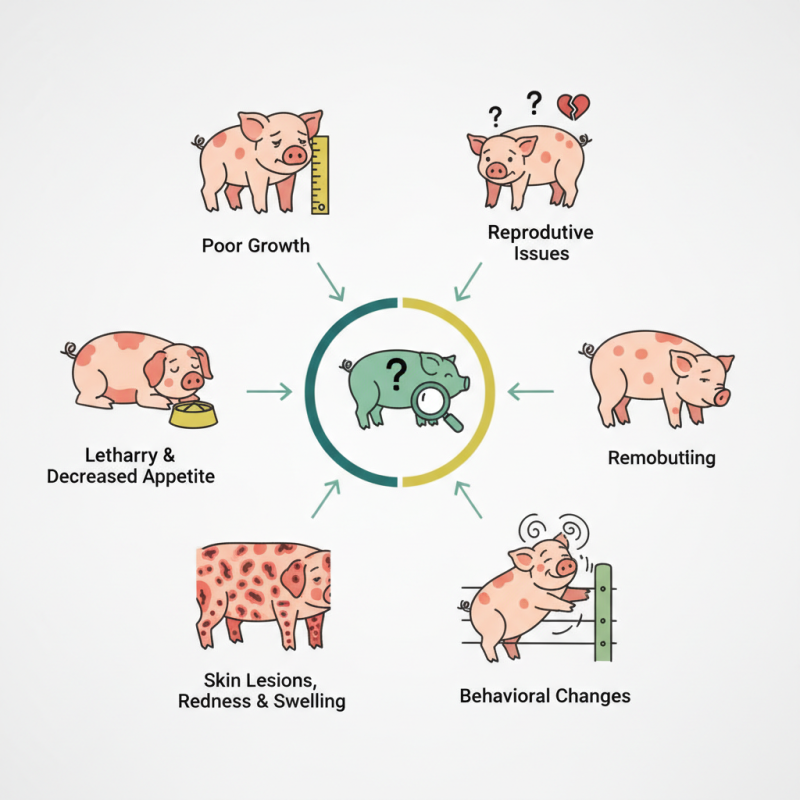
Zinc plays a crucial role in maintaining pig health. This vital trace element is essential for immune function, skin integrity, and overall growth performance. Research indicates that pigs that are deficient in zinc may experience delayed growth and increased susceptibility to diseases. Reports from the National Animal Health Monitoring System highlight that around 30% of pigs can show signs of zinc deficiency during critical growth phases.
Zinc deficiency can lead to skin lesions and poor coat condition. These issues can escalate, resulting in more severe health problems. According to recent studies, a zinc-deficient pig may exhibit reduced feed intake and lower weight gain by 20-25%. Keeping track of zinc levels in pig diets is paramount to ensuring their health.
Tips: Regularly monitor your pigs for signs like rough skin or reduced growth. Adjust zinc levels in their feed to optimize health. Consult with veterinarians to develop a proper nutritional plan. Remember, early detection of zinc deficiency can prevent costly health issues. Consider periodic testing of feed to ensure adequate zinc availability.
| Sign of Deficiency | Description | Impact on Health | Recommended Action |
|---|---|---|---|
| Poor Growth Rate | Pigs with zinc deficiency often exhibit slow or stunted growth. | Reduced weight gain affects overall production efficiency. | Increase dietary zinc levels through supplements. |
| Skin Lesions | Zinc deficiency can cause dermatitis, visible as rough, scaly skin. | Increased susceptibility to infections and reduced overall health. | Consult a veterinarian for proper diagnosis and treatment. |
| Reproductive Issues | Breeding pigs may have lower fertility rates and reproductive failures. | Economic losses due to reduced litter sizes and increased culling. | Enhance zinc intake prior to breeding cycles. |
| Bone Weakness | Zinc plays a role in bone development; deficiency can lead to weakened bones. | Increased risk of fractures and lameness. | Ensure a balanced diet with adequate minerals. |
: Common symptoms include poor growth, rough skin, and behavioral changes. Pigs might be less active and withdrawn.
Farmers can monitor for signs like stunted growth, lesions, and poor reproductive performance. Regular health checks are essential.
Clinical observation, blood tests, and tissue analysis are common methods. Consulting with veterinarians ensures accurate results.
Regular monitoring helps catch deficiencies early. Observing unusual behavior is vital for pig health management.
A balanced diet with sufficient zinc from natural sources is crucial. Supplements may be needed, but consult a veterinarian first.
Diet impacts zinc absorption. Some pigs may exhibit deficiencies despite proper feeding, requiring individual adjustments.
Working with veterinarians and nutritionists can lead to tailored dietary solutions. This improves overall herd health management.
Excess zinc can pose health risks. Maintaining balanced zinc levels is essential for optimal pig health.
Keeping accurate records of feed formulation and pig health can help identify potential deficiencies over time.
Taking early action is key. Consult with a veterinarian for proper diagnosis and treatment options.
Zinc plays a vital role in maintaining the overall health of pigs, influencing their growth, immune function, and skin integrity. Understanding zinc's importance is crucial for any pig farmer. Common symptoms of zinc deficiency in pigs include poor growth rates, rough skin, and susceptibility to infections. To effectively identify these issues, it is essential to ask, "What are the signs of zinc deficiency in pigs?" Farmers can utilize various diagnostic methods, such as blood tests and dietary assessments, to determine zinc levels.
Preventive measures include ensuring adequate zinc intake through balanced nutrition and feed formulations. For pigs already affected by zinc deficiency, effective treatment options involve supplementation and adjusting diet plans. By focusing on these strategies, farmers can enhance pig health, prevent deficiencies, and improve overall productivity in their herds.

 Treo Nutrition