Can over-fertilizing damage soil long-term? This question is critical for agricultural sustainability. Research from the Food and Agriculture Organization (FAO) indicates that excessive fertilizer use can lead to soil degradation. In the United States, approximately 50% of applied nitrogen is lost to the environment, impacting soil health significantly.
Over time, the accumulation of fertilizers can disrupt soil microbiomes. A study published in the journal Soil Biology and Biochemistry shows that high nutrient levels may harm beneficial microorganisms. These vital organisms support nutrient cycling and soil structure. As these beneficial communities decline, soil fertility may suffer in the long run.
Moreover, over-fertilization can cause nutrient imbalances. When farmers apply more fertilizers than needed, they might enhance one nutrient while depleting others. For example, an excess of potassium can reduce magnesium levels. This imbalance makes crops more vulnerable to diseases and pests. The long-term effects of these practices may not be immediately visible, but they pose significant risks to soil health and agricultural productivity.
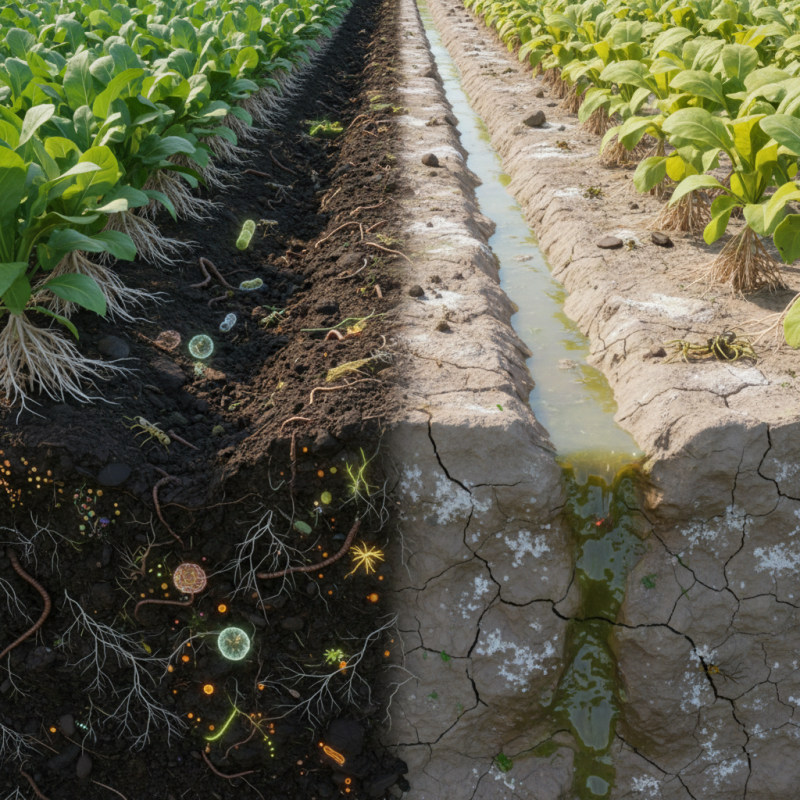
Over-fertilizing can severely disrupt soil health, affecting microbial diversity and functionality. Excess nutrients create an imbalanced ecosystem. Certain microbes thrive, while others decline. This loss in diversity limits the soil's ability to perform essential functions. For instance, nutrient cycling becomes inefficient. Healthy soil relies on a wide range of microorganisms for optimal performance.
A reduction in microbial diversity also affects plant growth. Plants depend on diverse soil life for nutrient uptake. With fewer microbes, the soil struggles to support them. Some plants may exhibit stunted growth or increased susceptibility to diseases. The long-term impacts can lead to decreased crop yields over time.
Over-fertilizing can significantly impact soil pH levels and nutrient availability. Excessive fertilizer applications often lead to soil acidification. Research indicates that nitrogen fertilizers can lower soil pH by 0.5 to 1.0 units over time. This change can hinder nutrient absorption by plants, mainly affecting macronutrients like phosphorus and potassium. When soil pH drops below optimal levels, these nutrients become less available for plant uptake.
In a study published by the Soil Science Society, it was found that high fertilizer usage can cause long-term imbalances in soil nutrients. This imbalance often results in a deficiency of essential elements, like calcium and magnesium. These nutrients are critical for plant growth and overall soil health. For cereals, nutrient deficiencies can reduce yields by approximately 30%. Additionally, a soil’s microbial activity also declines with altered pH, affecting soil structure and fertility.
Some farmers may over-rely on fertilizers, thinking it guarantees better yields. However, this approach can damage the soil ecosystem. A balanced nutrient management strategy is vital for sustaining soil health. In many cases, farmers have to reflect on their fertilization practices to maintain a productive and healthy environment.
| Impact | Description | Long-term Effect on Soil pH | Impact on Nutrient Availability | Possible Remedies |
|---|---|---|---|---|
| Soil Acidification | Over-fertilization can lead to the leaching of essential minerals and depletion of soil alkalinity. | Increased acidity, with pH levels dropping below optimal ranges. | Nutrients like calcium and magnesium become less available. | Incorporate lime to raise pH and enhance mineral content. |
| Nutrient Imbalance | Excess application of certain fertilizers can cause nutrient lockout. | Can lead to poor pH balance affecting microbial life. | Decreases availability of other crucial nutrients. | Test soil regularly and apply balanced fertilizers. |
| Increased Soil Salinity | High fertilizer use can lead to salt accumulation in the soil. | Can elevate pH levels temporarily before creating a toxic environment. | Reduces the availability of water to plants. | Implement regular irrigation practices to leach salts. |
| Soil Erosion | Weakened soil structure can result from overuse of fertilizers. | Increased runoff can alter pH levels based on erosion profile. | Loss of fertile topsoil reduces overall nutrient content. | Adopt conservation tillage and cover cropping techniques. |
| Microbial Community Disruption | High levels of nutrients can disrupt beneficial soil microbes. | Altered pH can favor harmful microbes over beneficial ones. | Negative impact on nutrient cycling processes. | Focus on organic amendments to foster healthy microbes. |
| Compaction and Reduced Porosity | Heavy machinery used in fertilization can lead to soil compaction. | Can cause water retention issues affecting soil pH levels. | Inhibits root growth and nutrient uptake. | Incorporate aeration practices to relieve compaction. |
| Chemical Residues | Residual fertilizers can contaminate water supplies. | May alter local soil pH over time due to residues. | Potential toxic effects on soil health and plant growth. | Promote the use of organic fertilizers where possible. |
| Decreased Soil Biodiversity | Excess nutrients can harm diverse microbial and insect populations. | Changes in pH may favor fewer species. | Reduced biodiversity can harm nutrient cycling processes. | Encourage diverse planting to support various soil organisms. |
| Plant Toxicity | Certain nutrient excesses can become toxic to plants. | Altered pH levels can enhance toxicity. | Decreases plant health and growth potential. | Proper nutrient management and soil testing. |
| Declining Organic Matter | Over-fertilizing can lead to the decline of natural soil organic matter. | Changes in pH can affect decomposition rates. | Inhibits the overall nutrient buffering capacity of the soil. | Use of compost and organic mulches to enhance organic matter. |
Over-fertilizing can severely degrade soil structure and increase erosion risk. When excess fertilizers are applied, nutrients can leach away, leading to soil depletion. This alters the natural balance of soil microbes and can create hard, compacted layers. These changes restrict root development and water infiltration, making plants vulnerable to drought and disease.
Soil erosion becomes a pressing concern with over-fertilization. Nutrient runoff can wash away the topsoil, which is rich in organic matter. This loss of topsoil diminishes land productivity and can pollute nearby waterways. Farmers may notice declining crop yields over time, creating a cycle of dependency on even more inputs.
Tips: Use soil tests to determine nutrient needs accurately. Apply fertilizers at recommended rates to avoid excess. Incorporate organic matter, like compost, to improve soil structure naturally. Regularly monitor soil health to make effective adjustments.
Over-fertilizing can lead to an accumulation of toxic elements in the soil. Excessive use of fertilizers often results in elevated levels of metals like cadmium and lead. According to a study by the Environmental Protection Agency, long-term exposure can threaten both plant health and food safety. These toxic elements do not just vanish; they accumulate over time, altering the soil ecosystem.
Salinity issues are another significant concern linked to over-fertilization. When fertilizers dissolve, they can increase the sodium concentration in the soil. A report from the Food and Agriculture Organization indicates that high salinity can hinder plant growth and reduce crop yields by up to 50%. This creates a vicious cycle, as farmers may apply more fertilizers, thinking it will help, while they inadvertently make the situation worse.
Restoration of over-fertilized soil is challenging and often requires a strategic approach. Crop rotation and the introduction of organic matter can aid in mitigating salinity. However, it can take years to restore soil health. Frequent testing and adjusting fertilization practices become essential. Understanding these impacts is crucial for sustainable farming.
Over-fertilizing may seem beneficial at first, but its long-term effects are alarming. Excess nutrients can create nutrient imbalances in the soil. This can harm beneficial microorganisms essential for healthy soil ecosystems. As a result, soil health deteriorates, leading to challenges in sustaining crop yields.
Farmers often notice a decline in crop vitality over time. High nutrient levels can lead to soil acidification, which is detrimental. Acidic soil can hinder plant growth and yield. It also reduces the soil's ability to hold water, making plants more vulnerable during droughts.
Tips: Regular soil testing is crucial. This can help farmers apply the right amount of fertilizers. It’s wise to adopt organic methods, enhancing soil health naturally. Employing cover crops can also restore nutrient balance. Learning from past mistakes is important for future sustainability. These practices not only support healthier crops but also promote long-term soil health. Consider re-evaluating your fertilization strategies to align with these insights.
: Over-fertilization lowers soil pH and affects nutrient availability. This can hinder plant growth.
Nitrogen fertilizers can reduce soil pH by 0.5 to 1.0 units over time, making nutrients less available.
Macronutrients like phosphorus and potassium become less available when soil pH drops below optimal levels.
Yes, excessive fertilizer use can cause long-term nutrient imbalances, leading to deficiencies in calcium and magnesium.
Poor soil health can reduce crop yields by approximately 30%, affecting overall agricultural productivity.
Acidic soil can hinder plant growth, reduce water retention, and make crops vulnerable during droughts.
Regular soil testing helps apply the right fertilizer amount, maintaining balance and health in the soil.
Adopting organic methods and using cover crops can enhance soil health and restore nutrient balance.
Farmers should evaluate their fertilization strategies to ensure they support sustainable soil health.
Beneficial microorganisms are essential for a healthy soil ecosystem. Their decline can affect soil structure and fertility.
The question "Can over-fertilizing damage soil long-term?" addresses a significant concern for agricultural practices and soil health. Over-fertilization can lead to detrimental impacts on soil microbial diversity and functionality, resulting in a less resilient ecosystem. Additionally, it alters soil pH levels, which affects nutrient availability, potentially leading to nutrient imbalances that hinder crop growth.
Moreover, excessive fertilizer application can degrade soil structure, increasing the risk of erosion and further compromising soil integrity. It may also lead to the accumulation of toxic elements and salinity issues, which pose long-term challenges to sustainability and crop yields. As farming practices evolve, understanding these impacts is crucial for maintaining soil health and ensuring productive agriculture in the future.

Treo Nutrition