How to Improve Livestock Health with Magnesium Benefits?

Time:2026-05-03 Author:Oliver
0%

Magnesium plays a crucial role in maintaining livestock health. Many farmers often overlook this essential mineral. What does magnesium do for livestock health? Understanding its benefits can lead to improved animal welfare and productivity.

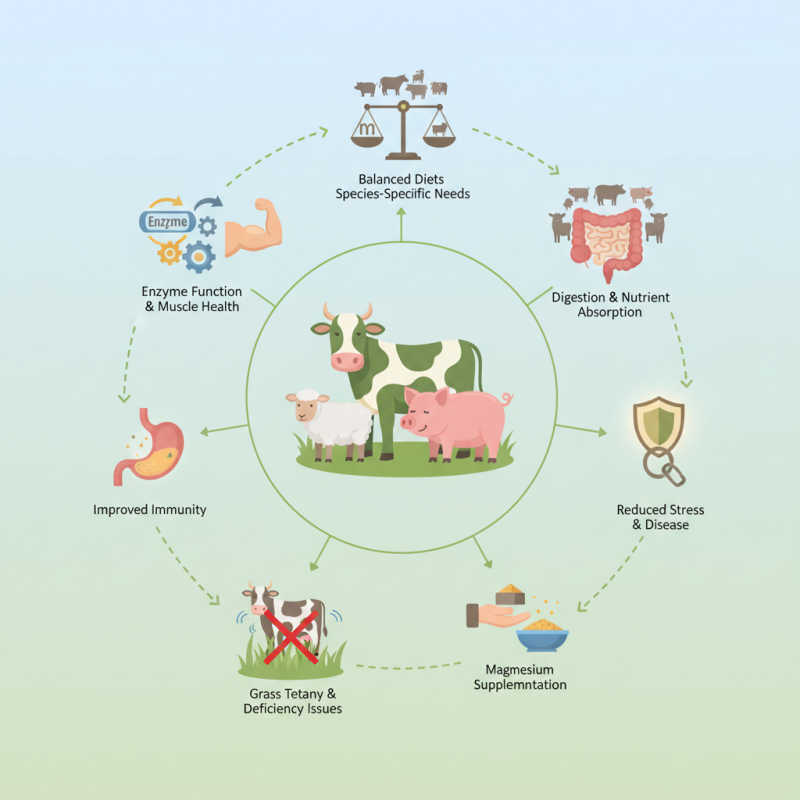
Magnesium aids in enzyme function and muscle health. It helps with digestion and absorption of nutrients. Animals receiving adequate magnesium show better immunity. They also exhibit fewer signs of stress and disease. However, deficiencies can lead to severe issues, such as grass tetany in cattle. This highlights the importance of proper magnesium levels. Yet, many producers are unaware of the symptoms of deficiency.

Incorporating magnesium into livestock diets can enhance overall health. Farmers can introduce magnesium supplements or mineral blocks. Monitoring magnesium levels can aid in preventing serious health problems. Recognizing the impact of this mineral is vital for effective livestock management. As with any nutrient, balance is key. Consideration should be given to varying dietary needs across different species. Addressing these factors helps ensure healthier livestock.
How to Improve Livestock Health with Magnesium Benefits?

Understanding the Role of Magnesium in Livestock Health

Magnesium plays a vital role in livestock health, contributing to various physiological processes. Deficiency in magnesium can lead to significant health issues, such as grass tetany, particularly in ruminants. According to the National Animal Health Monitoring System, magnesium deficiency affects roughly 20% of dairy herds in certain regions. Ensuring an adequate intake of magnesium is essential for optimal growth and productivity.

Livestock benefit from magnesium in several ways. It helps regulate muscle contractions and supports the immune system. Recent studies indicate that adequate magnesium levels can enhance overall metabolic processes. These functional benefits result in healthier animals and improved milk production.

Tips: Regularly test soil and forage magnesium levels to ensure adequate supply. Consider mineral supplements to address deficiencies. Monitor livestock for signs of magnesium deficiency, such as decreased appetite and abnormal behavior. Maintaining appropriate magnesium levels is crucial for both animal welfare and farm profitability.

Benefits of Magnesium for Various Livestock Species

Magnesium plays a crucial role in maintaining the health of various livestock species. For cattle, magnesium deficiency can lead to muscle spasms and decreased milk production. Ensuring adequate magnesium levels can improve their overall strength and vitality. This mineral is vital for ruminants, impacting their digestive processes. Without sufficient magnesium, they may experience metabolic disorders.

In poultry, magnesium contributes to bone health and egg production. Birds that lack magnesium may lay fewer eggs, affecting farm productivity. This mineral supports proper muscle function and helps in maintaining energy levels. Farmers must monitor dietary sources of magnesium to keep poultry healthy.

Swine also benefit significantly from magnesium-rich diets. This mineral aids in muscle tone and helps with stress management. Swine under high-stress conditions may struggle without adequate magnesium, impacting growth rates. Regular assessments of their diet can prevent these issues and support smoother operations.

Monitoring magnesium levels can feel daunting, but it's crucial. Simply relying on standard feeds may not suffice. Incorporating specific magnesium sources into diets can yield significant improvements in livestock health. Ensuring proper education on magnesium's role is essential for farmers aiming for optimal livestock management.

How to Improve Livestock Health with Magnesium Benefits? - Benefits of Magnesium for Various Livestock Species

Livestock Species Magnesium Benefits Recommended Daily Intake (grams)
Cattle Improves muscle function, reduces stress, prevents grass tetany 25-40
Sheep Boosts immune function, aids in reproduction, supports lactation 10-20
Goats Enhances digestion, reduces anxiety, improves milk production 15-25
Pigs Supports growth, improves feed efficiency, stabilizes heart function 2-5
Horses Promotes muscle relaxation, enhances endurance, prevents cramping 15-25

Signs of Magnesium Deficiency in Farm Animals

Magnesium plays a vital role in livestock health. A deficiency can lead to several noticeable signs in farm animals. One common symptom is increased excitability. Animals may show signs of nervousness or agitation. This can be distressing for both the animals and the farmers managing them.

Another sign is a loss of appetite. When animals don't consume enough feed, their overall health declines. Magnesium deficiency can also result in muscle tremors. Farmers might observe twitching or stiffness in their livestock. This can severely affect animals' physical performance.

Moreover, low magnesium levels can lead to metabolic issues. Pregnant or lactating animals are especially at risk. They may face complications, impacting both their health and their offspring. Recognizing these signs early is key. Enhanced awareness of magnesium's importance ensures a healthier herd. It’s essential to monitor livestock closely for these indicators.

Effective Ways to Supplement Magnesium in Livestock Diets

Magnesium plays a vital role in livestock health. Supplementing magnesium in a livestock diet can improve overall well-being. Here are some effective ways to introduce magnesium into your livestock's nutrition plan.

One tip is to incorporate magnesium-rich feed ingredients. Sources like green leafy vegetables, certain grains, and legumes can boost magnesium levels. When trying new feed options, monitor how your livestock responds. Adjustments may be necessary based on their needs.

Another approach is to offer magnesium supplementation through mineral blocks. These blocks can ensure livestock get the necessary amounts of magnesium daily. Keep an eye on usage. Some animals may overconsume, while others might ignore them altogether.

It's essential to evaluate the dietary balance regularly. Too much magnesium can lead to health issues, while too little can cause deficiencies. Include regular health checks in your routine to identify potential issues early. Your livestock’s health is invaluable.

Practical Tips for Monitoring Magnesium Levels in Livestock

Monitoring magnesium levels in livestock is essential for ensuring their overall health. Magnesium plays a crucial role in many physiological functions. A deficiency can lead to serious health issues like grass tetany in cattle. According to the National Animal Feed Strategy, up to 30% of cattle in the U.S. may suffer from magnesium deficiency. It highlights the need for regular monitoring.


One practical approach to monitor magnesium levels is through regular blood tests. Farmers should schedule these tests at least twice a year, especially before high-risk periods like calving or lactation. Additionally, monitoring dietary intake is vital. Forages like alfalfa typically have high magnesium content. However, soil quality can affect mineral levels in forage. A soil test can reveal whether your pasture provides adequate magnesium.


Farmers can record magnesium levels and correlate them with livestock health indicators. When livestock show symptoms like muscle tremors, it may indicate a magnesium deficiency. Adjusting the magnesium supplementation based on these observations can enhance livestock well-being. Regular checks create a proactive approach to livestock management, ensuring that magnesium levels meet their nutritional needs.

FAQS

: Why is magnesium important for cattle?

: Magnesium is crucial for cattle health. Deficiency can cause muscle spasms and lower milk production.

How does magnesium affect poultry?

Magnesium helps with bone health and egg production in poultry. A lack of it can reduce egg-laying.

What role does magnesium play for swine?

Magnesium aids muscle tone and stress management in swine. Insufficient magnesium can hinder their growth rates.

How can farmers monitor magnesium levels effectively?

Farmers should conduct blood tests at least twice a year. This ensures accurate magnesium level assessments.

What dietary sources are high in magnesium?

Forages like alfalfa are rich in magnesium. However, soil quality can influence their nutrient content.

What symptoms indicate magnesium deficiency in livestock?

Symptoms like muscle tremors may signal a magnesium deficiency. Observing these signs is essential for early intervention.

Why is regular monitoring of magnesium levels necessary?

Regular monitoring helps prevent serious health issues like grass tetany. It’s a proactive way to manage livestock health.

How can soil tests help in magnesium monitoring?

Soil tests determine if pastures provide enough magnesium. This information guides dietary adjustments for livestock.

Can magnesium supplementation improve livestock health?

Yes, adjusting magnesium supplementation based on health observations can enhance livestock well-being significantly.

What challenges do farmers face in monitoring magnesium?

Monitoring magnesium levels can feel overwhelming. Relying solely on standard feeds may not be adequate, requiring extra effort.

Conclusion

Magnesium plays a crucial role in maintaining livestock health, prompting the question, "What does magnesium do for livestock health?" This essential mineral aids in various biological functions, including nerve transmission, muscle contraction, and enzyme activity, which are vital for the overall vitality of different livestock species. Understanding the benefits of magnesium can help farmers recognize signs of deficiency, such as muscle spasms, weakness, and reduced appetite, which could compromise animal welfare and productivity.

To address magnesium deficiency, farmers can adopt effective supplementation strategies, integrating magnesium-rich feeds or mineral blocks into livestock diets. Monitoring magnesium levels is equally important; practical tips include regular veterinary assessments and dietary evaluations to ensure animals receive optimal magnesium intake. By prioritizing magnesium in livestock management, farmers can significantly enhance the health and performance of their animals, leading to improved profitability and sustainability on the farm.

Oliver

Oliver

Oliver is a seasoned marketing professional with a wealth of expertise in driving brand awareness and engagement. With a deep understanding of our company's product offerings, he consistently delivers high-quality content that enriches our professional blog. His insights not only shed light on......