Ruminant health is critical for maximizing production in livestock. Effective nutrition is essential for their growth and milk yield. Recent studies indicate that bypass protein can significantly enhance protein efficiency in ruminants. According to a report by the NRC, ruminants can utilize bypass protein more efficiently, leading to better health and productivity.
What are the benefits of bypass protein for ruminants? Bypass protein, or rumen-protected protein, improves amino acid availability. This is vital for muscle development and overall health. In addition, it can boost milk production by providing essential nutrients directly to the small intestine, avoiding degradation in the rumen.
However, not every feed formulation incorporates the optimal levels of bypass protein. Some producers might overlook its importance. There is still much to explore regarding the balance of bypass protein in ruminant diets. Addressing this gap can lead to significant advancements in both animal health and productivity outcomes.
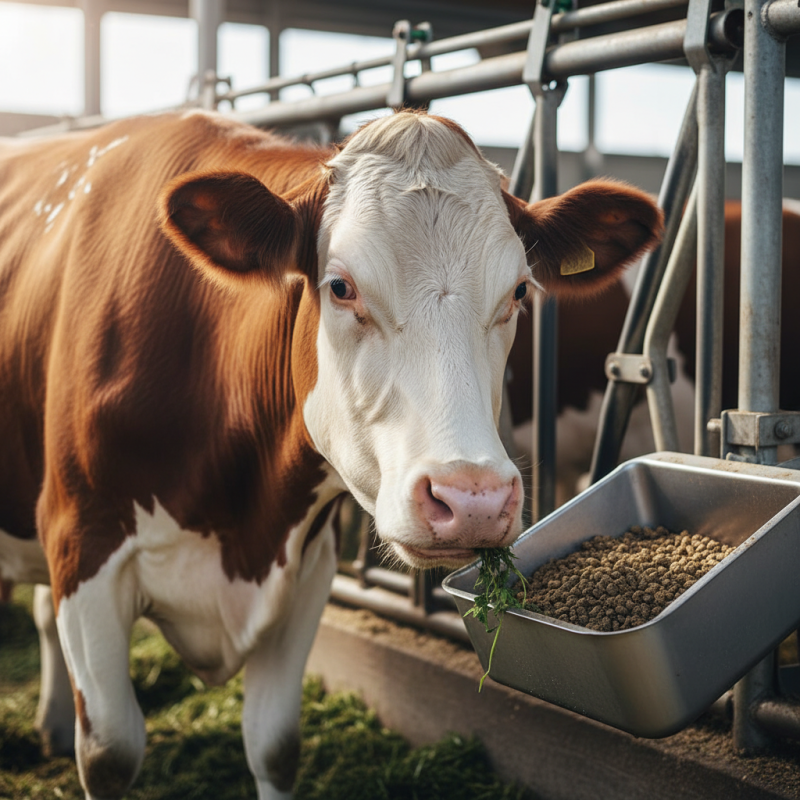
Bypass protein is a crucial component in ruminant nutrition. It refers to protein that escapes ruminal degradation, reaching the intestines intact. This allows for better protein utilization in animals like cattle and sheep. When integrated effectively, bypass protein can enhance overall health and productivity.
Incorporating bypass protein can support growth and milk production. Ruminants require a balanced diet for optimal performance. However, not all proteins are created equal. Some sources may not provide adequate bypass properties. It can be challenging to determine the right inclusion levels and sources. Monitoring these levels can be complex, given variations in animal needs and dietary compositions.
Regular evaluation of feeding strategies is vital. Adjustments may be necessary due to changes in feed quality or animal performance. Engaging with a nutritionist can provide insights on best practices for implementing bypass protein. Understanding the specific requirements of your ruminants is essential for maximizing their health and productivity.
| Nutrient | Function | Sources | Benefits |
|---|---|---|---|
| Bypass Protein | Supports tissue growth, reproduction, and milk production | Soybean meal, canola meal, fish meal | Increases protein availability post-rumen |
| Rumen Degradable Protein (RDP) | Supports microbial growth in the rumen | Alfalfa, wheat gluten, yeast | Enhances overall protein utilization |
| Energy Supplements | Provides vital energy for metabolism | Molasses, grains, fats | Improves growth rates and milk yield |
| Minerals & Vitamins | Supports immune function and metabolic processes | Trace mineral blocks, fortified feeds | Enhances overall health and productivity |
: Bypass proteins resist rumen degradation. They provide essential amino acids for growth and milk production.
It reveals nutrient deficiencies and imbalances. Body condition scores and milk yield provide vital insights.
Watch for variations in behavior, energy levels, and feed intake. Any changes deserve attention.
Variability in rumen degradation creates inconsistent nutrient absorption. This affects growth and production.
Assess the return on investment. Regular performance monitoring helps justify the costs involved.
Incorrect formulations can reduce bypass protein benefits. Experts can help create balanced diets.
Consistent evaluations are necessary. Regular adjustments can maintain optimal health and performance.
Yes, it can lead to nutrient imbalances. Balance is key to supporting long-term health.
Staying informed on research aids effective diet management. It’s important for navigating challenges.
It allows informed adjustments to diets. Good records can enhance overall livestock health.
The article explores the crucial role of bypass protein in enhancing ruminant health, detailing its significance in ruminant nutrition. Bypass protein, which escapes degradation in the rumen, provides a valuable source of amino acids to support growth, reproduction, and overall health in ruminants. Key benefits of bypass protein include improved nutrient absorption, better immune function, and enhanced production performance. The article outlines effective strategies for integrating bypass protein into ruminant diets, such as evaluating feed composition and tailoring feeding regimens.
Additionally, monitoring health indicators is essential to assess the impacts of bypass protein utilization, ensuring that ruminants receive optimal nutrition. While there may be potential challenges in the implementation of bypass protein, such as cost and feed formulation complexities, the article proposes practical solutions to overcome these obstacles. Overall, the inquiry "What are the benefits of bypass protein for ruminants?" is addressed, emphasizing its significant contribution to ruminant health and productivity.

 Treo Nutrition