How to Mix Protein Supplements for Healthier Backyard Chickens?

Time:2026-05-05 Author:Henry
0%

Are you interested in improving your backyard chickens' health? Many chicken owners search for effective ways to boost their flock's protein intake. One effective method is asking: "How to mix protein supplements for backyard chickens?" This process can significantly enhance their overall well-being.

Protein is crucial for chickens. It supports growth, egg production, and overall vitality. However, it’s not just about throwing in some supplements. Mixing the right ingredients is key. You want to create a balanced diet that meets their specific needs. There are various protein sources available, and each comes with its own benefits and drawbacks.

It's easy to get lost in the options. Sometimes, trial and error is necessary. You may not get it right the first time. Understanding how your chickens respond to different supplements takes patience. What works for one flock might not suit another. Pay attention to their behavior and health. Adjust your mixes based on what you observe. Ensuring your backyard chickens thrive is a rewarding process that requires knowledge and attentiveness.
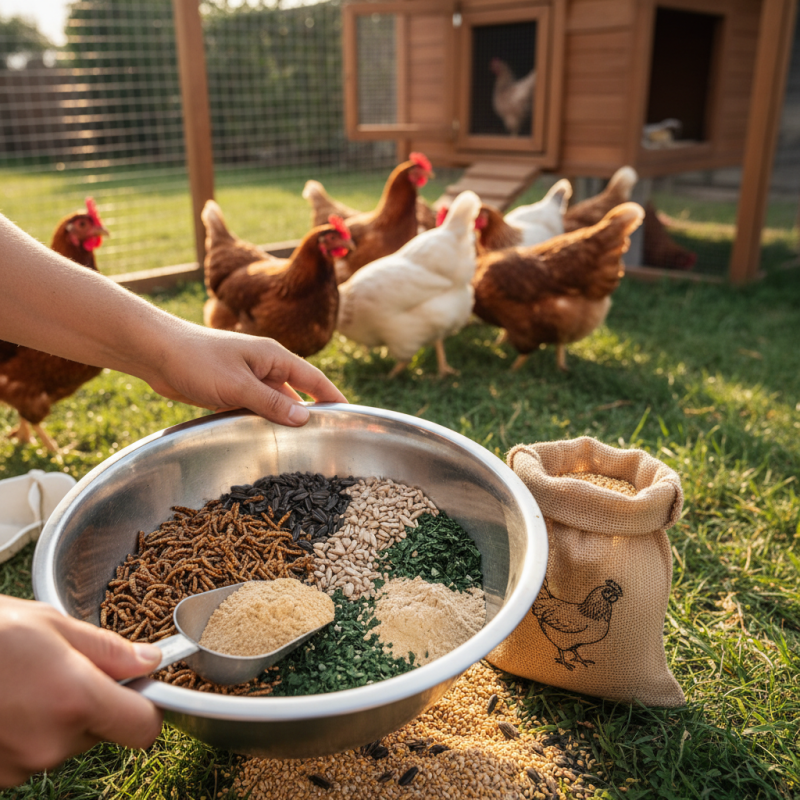
How to Mix Protein Supplements for Healthier Backyard Chickens?

Understanding the Nutritional Needs of Backyard Chickens

Backyard chickens require a balanced diet to thrive. Their nutritional needs include proteins, vitamins, and minerals. A study by the American Poultry Association indicates that adult hens need about 16-18% protein in their diet. This protein supports egg production and overall health.

Understanding the specific dietary requirements of your flock is crucial. For instance, young chicks need around 20-24% protein for proper growth. Inadequate protein can lead to poor feathering or stunted growth. It's vital to assess your chicken's life stage and adjust their diet accordingly.

While commercial feed can provide these nutrients, homemade mixes are gaining popularity. Many owners are exploring alternatives like legumes, fish meal, and insect protein. However, ensure that mixes are well-balanced. Inadequate nutrition can cause health issues and lower production. Reflecting on the nutritional choices is important for maintaining flock vitality.

Selecting the Right Protein Supplements for Your Chickens

When selecting the right protein supplements for your backyard chickens, focus on their nutritional needs. Chickens require a balanced diet to thrive. Protein is vital for growth, egg production, and overall health. Consider using whole grains, legumes, and quality meal supplements. These options provide essential amino acids.

Tips: Monitor your chickens' behavior. If they seem lethargic or reduce egg production, reassess their diet. Offering too much protein can cause health issues. Strike a balance; too much can be as harmful as too little.

Incorporating new supplements can be tricky. Chickens may be choosy eaters. Gradually introduce different protein sources. Observe how they react to new options. Adjust the amounts accordingly to find what works best. Keep track of their diet changes to ensure proper nutrition.

How to Mix Protein Supplements for Healthier Backyard Chickens? - Selecting the Right Protein Supplements for Your Chickens

Supplement Type Protein Content (%) Benefits Recommended Mix Ratio
Soybean Meal 44-49 Rich in essential amino acids 15-20%
Fish Meal 60-72 High in omega-3 fatty acids 5-10%
Pea Protein 24-30 Good for poultry digestion 10-15%
Sunflower Seed Meal 28-32 Provides fiber and energy 10-20%
Whey Protein 80+ Supports muscle growth 2-5%

Creating a Balanced Feed Mix for Optimal Chicken Health

Creating a balanced feed mix for your backyard chickens is crucial for their health. Chickens require a variety of nutrients for optimal growth and egg production. A mix can include grains, protein sources, and essential vitamins. Using a base of corn or wheat adds energy, while mixing in soy or peas boosts protein levels. Incorporating a small amount of minerals like calcium is essential for strong eggshells.

Consider the age and purpose of the chickens. Layers require more calcium, while meat birds benefit from higher protein levels. Monitor their reactions to the feed. If they seem uninterested or lethargic, it may need adjustment. A well-balanced mix supports vigorous flock behavior and better egg quality.

Experiment with proportions to find what works for your specific flock. Some local grains may be more affordable or fresher than others. Occasionally, you may notice wastage or unconsumed feed, which signals a need for revision. Observing your chickens’ health and production will guide you in fine-tuning their diet over time. Keep logs of changes and effects you notice. This reflective practice can enhance both your chickens’ wellbeing and your feeding strategy.

Proper Mixing Techniques for Protein Supplements

Mixing protein supplements for chickens requires attention to detail and proper techniques. Start with a base of grains. This will ensure your mix is palatable. Use corn or wheat as they provide energy and are loved by hens. Add protein sources like soybean meal or dried insects. These will support muscle growth and egg production.

Tips: Always measure your ingredients. A scale can help ensure accuracy. Small changes can impact health. Maintain a balanced ratio of grains to protein, around 70:30. It is essential to mix thoroughly. Uneven distribution can lead to nutrient deficiencies. Consider using a mixer or large container.

Be mindful of your chickens' preferences. Some may refuse certain ingredients. Observe their reactions and adjust accordingly. Mixing can be a trial-and-error process. Keep a journal of ingredients and results. It may help refine your approach over time. Regularly evaluate the health and production of your flock. This feedback will inform future mixes.

Monitoring Your Chickens' Health and Adjusting Their Diet

Monitoring your chickens' health is crucial for their well-being. Regular observation helps detect issues early, such as lethargy or decreased egg production. Research shows that poor diet can lead to diminished health in backyard flocks. In fact, a study indicated that up to 30% of health problems in poultry arise from nutritional deficiencies.

Adjusting their diet is essential as seasons change. Chickens need more protein during molting and winter months. Some farmers successfully increase protein intake by introducing insect meal. This dietary adjustment can improve feather regrowth and egg quality. Moreover, keeping a detailed feeding log can help track changes in health and production.

It's also important to note that not all chickens react the same way to diets. Each flock may have unique needs. Observing individual chickens can reveal their preferences. Analyzing behaviors, such as pecking order and feed consumption, may provide insights into their nutritional requirements. This hands-on approach ensures a more tailored diet, leading to healthier chickens overall.

FAQS

: Why is a balanced feed mix important for chickens?

: A balanced feed mix is crucial for chicken health, supporting growth and egg production.

What should a chicken feed mix include?

It should include grains, protein sources, and essential vitamins.

How do I start creating a chicken feed mix?

Begin with a base of corn or wheat to provide energy.

Should I adjust the feed based on chicken age?

Yes, layers need more calcium, while meat birds need higher protein levels.

What signs indicate that the feed mix needs adjustment?

If chickens seem uninterested or lethargic, the mix may need changes.

How can I prevent feed wastage?

Monitor consumption closely and adjust ingredient proportions to reduce excess feed.

Is it necessary to measure ingredients when mixing?

Yes, accurate measurements ensure a balanced mix and contribute to chicken health.

How can I determine the best ingredient proportions?

Experiment with ratios and observe the health and production of your flock.

What should I do if some ingredients are refused by chickens?

Observe their reactions and consider adjusting the mix based on preferences.

How can maintaining a journal help with feeding strategies?

Keeping records of ingredients and outcomes helps refine this process over time.

Conclusion

In exploring "How to mix protein supplements for backyard chickens?", it's essential to first understand their nutritional needs, which include adequate protein levels for growth, egg production, and overall health. Choosing the right protein supplements is crucial; options may include soybean meal, fish meal, or even plant-based alternatives.

Creating a balanced feed mix is vital for optimal chicken health, ensuring that the protein source is complemented with carbohydrates, fats, vitamins, and minerals. Proper mixing techniques are important to ensure even distribution of nutrients, which can be done using simple tools or machinery designed for feed mixing. Finally, monitoring your chickens' health and making necessary dietary adjustments will help to maximize their growth and productivity, leading to a healthier and more thriving flock.

Henry

Henry

Henry is a dedicated marketing professional with a profound expertise in the company's offerings. With years of experience in the industry, he possesses an impressive understanding of the market dynamics and consumer behaviors that drive success. Henry is committed to sharing his insights through......