How to Naturally Enhance Soil Fertility Without Chemicals?

Time:2026-06-01 Author:Liam
0%

In the quest for sustainable agriculture, the question arises: how to improve soil fertility without chemicals? Renowned agronomist Dr. Jane Smith emphasizes, “Nature provides the answers if we listen closely.” Her insights lay the foundation for understanding the balance between soil health and chemical dependency.

Natural methods offer numerous techniques to enrich soil fertility. Composting is a simple yet effective way to return nutrients to the ground. This organic matter enhances microbial life, which is essential for plant health. Cover crops, too, can protect the soil and prevent erosion while adding nutrients back to the soil when tilled in.

However, it’s important to recognize the challenges. Transitioning from chemical fertilizers to natural alternatives can be daunting. Farmers may face initial setbacks, including lower yields. It demands patience and a willingness to adapt. Yet, the rewards are substantial: healthier crops and a revitalized ecosystem. By exploring how to improve soil fertility without chemicals, we embrace a holistic approach to farming.
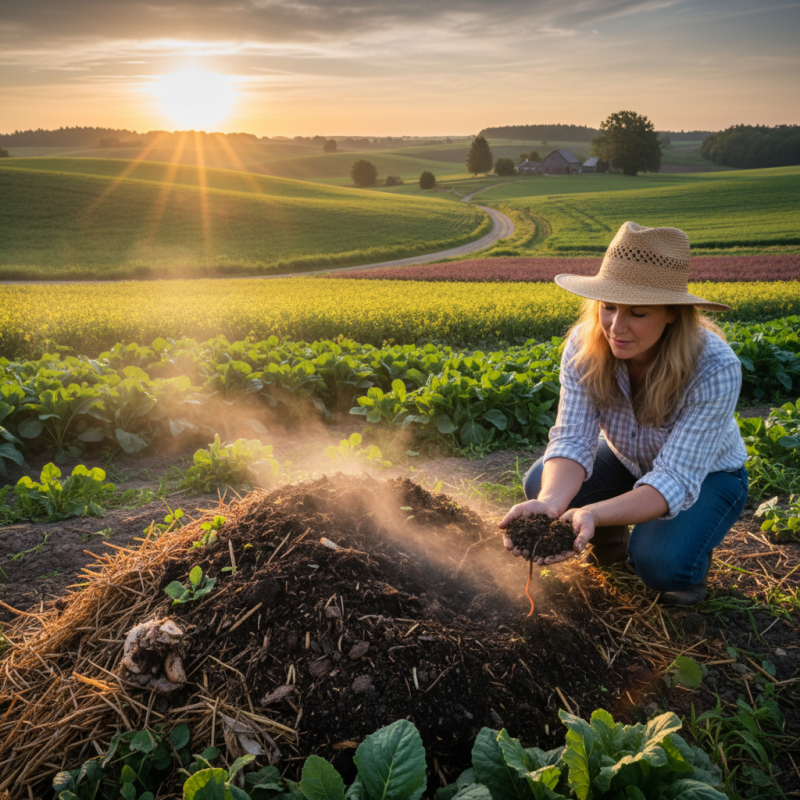
How to Naturally Enhance Soil Fertility Without Chemicals?

Understanding Soil Fertility: Key Components and Importance

Healthy soil is vital for productive gardening and farming. Understanding soil fertility involves recognizing key components like organic matter, nutrients, and microbial life. Organic matter acts as a reservoir for nutrients. It improves soil structure and promotes water retention. Nutrients such as nitrogen, phosphorus, and potassium are essential for plant growth. Microbial life, on the other hand, supports nutrient cycling and enhances soil health.

Tips: Incorporate compost into your soil. This adds rich organic matter and useful microbes. Use cover crops to improve soil structure and fertility. They prevent erosion and suppress weeds, enhancing nutrient availability. Regularly test your soil to understand its nutrient profile. This can help you make informed amendments.

Improving soil fertility takes time and effort. You might notice that some plants still struggle in less-than-ideal conditions. This could indicate that more specific adjustments are needed. Experiment with different techniques to find what works best. Remember, not all methods will yield instant results. Soil health is a continuous journey.

How to Naturally Enhance Soil Fertility Without Chemicals? - Understanding Soil Fertility: Key Components and Importance

Key Component Description Natural Enhancements Benefits
Organic Matter Decomposed plant and animal residues that improve soil structure and nutrient content. Composting, mulching with leaves, adding manure. Increases soil aeration, retains moisture, and supports microbial activity.
Soil pH Measure of acidity or alkalinity affecting nutrient availability. Applying lime to reduce acidity, using sulfur to increase acidity. Optimizes nutrient absorption for plants.
Microbial Activity Involves bacteria, fungi, and other organisms crucial for nutrient cycling. Using beneficial microbes, compost teas, and crop rotation. Enhances nutrient availability and improves soil health.
Nutrient Levels Essential nutrients such as nitrogen, phosphorus, and potassium are vital for plant growth. Planting cover crops, incorporating green manures, and using natural fertilizers like bone meal. Supports healthy plant growth and increases crop yields.
Soil Structure Physical arrangement of soil particles that affects water movement and root penetration. Adding organic materials, reducing tillage, practicing agroforestry. Improves drainage, root growth, and reduces erosion.

Natural Soil Enhancers: Organic Matter and Nutrient Sources

Natural soil enhancers play a crucial role in sustainable agriculture. Organic matter, such as compost, significantly boosts soil fertility. According to the USDA, adding organic matter can increase soil moisture retention by 20-40%. This helps crops withstand drought conditions.

Nutrient sources like manure and green manure can provide essential nutrients. Manure is rich in nitrogen, phosphorus, and potassium, vital for plant growth. A study published in the Journal of Soil Science found that farms using these organic amendments had a 30% higher yield compared to those relying on synthetic fertilizers.

However, the incorporation of organic materials can be challenging. It requires time for decomposition and proper management. Farmers often face the difficulty of balancing nutrient levels, as too much organic matter can lead to nutrient imbalances. Continuous reflection on these practices is essential for optimizing soil health and productivity.

Beneficial Practices: Crop Rotation and Cover Cropping Techniques

Crop rotation and cover cropping are essential practices for enhancing soil fertility naturally. Crop rotation involves changing the type of crops grown in a specific area year after year. This prevents nutrient depletion and reduces pest issues. For example, rotating legumes with cereals can naturally reinvigorate nitrogen levels in the soil. However, it requires careful planning to avoid unforeseen challenges, like crop compatibility and timing.

Cover cropping complements crop rotation effectively. By planting cover crops, farmers protect their soil from erosion and nutrient loss. These plants, often fast-growing, enrich the soil. They fix nitrogen, improve soil structure, and enhance microbial activity when tilled into the ground. Yet, choosing the right cover crops can be tricky. Not all crops suit every climate or soil type, which calls for a bit of experimentation.

Nevertheless, both practices don’t always yield immediate results. Soil health improvement takes time. There might be periods of reduced yields or issues with transitioning. Observing results and adjusting is vital. Documenting successes and failures helps refine the approach, ensuring that the soil remains fertile and vibrant over the long term. These are not merely agricultural methods; they require a commitment to learning and adapting.

Crop Rotation and Cover Cropping Effects on Soil Fertility

Utilizing Microorganisms: Composting and Vermicomposting Benefits

Enhancing soil fertility naturally is essential for sustainable agriculture. One effective way to boost soil health is through the use of microorganisms via composting and vermicomposting. According to a report from the Food and Agriculture Organization, healthy soils increase crop yields by over 20%. Composting promotes the growth of beneficial bacteria and fungi, which break down organic matter and contribute vital nutrients back to the soil.

Vermicomposting, utilizing earthworms, adds another layer of enrichment. Earthworm castings are nutrient-rich, containing up to seven times more available nitrogen and phosphorus than traditional soil. This process not only enhances nutrient levels but also improves soil structure, making it more porous and enhancing water retention.

Here are some practical tips for effective composting and vermicomposting:

- Ensure a good carbon-to-nitrogen ratio in your compost. A mix of brown (dry leaves, paper) and green materials (food scraps, grass clippings) is ideal.
- Monitor moisture levels. Compost should be moist but not soggy. If it's too dry, add water; if too wet, turn it and aerate.
- Use a variety of materials. Different items, like coffee grounds, eggshells, and garden waste, help diversify microbial activity, enhancing breakdown efficiency.

While composting can be an excellent solution, it’s not always perfect. Some may find unpleasant odors if the compost is not aerated properly. A focus on balance is necessary to achieve the best results.

Soil Management: Mulching and Conservation Tillage Strategies

Mulching is an excellent strategy for enhancing soil fertility. It involves covering the soil with organic materials like leaves, straw, or wood chips. These natural materials decompose over time, enriching the soil with nutrients. Mulching also helps retain moisture, reducing the need for frequent watering. It can suppress weeds effectively, ensuring that plants have the essential nutrients they need.

Conservation tillage is another vital practice. It minimizes soil disturbance, which can lead to erosion and loss of valuable topsoil. By leaving crop residues on the surface, nutrients remain in the soil, promoting a healthier ecosystem. However, not all crops are suited for this method. Experimenting with different plants and rotations may be necessary to identify the best fit for your specific area.

Both techniques promote sustainability, yet they require patience and reflection. The soil's response may not be immediate. Changes take time. Observing how the soil reacts to different practices can lead to valuable insights. Understanding local soil conditions is crucial for success. What works for one garden may not work for another. Always be open to adjustments and learning from nature.

FAQS

: What is the importance of healthy soil?

: Healthy soil is crucial for productive gardening and farming. It supports plant growth and sustains ecosystems.

What are the key components of soil fertility?

Key components include organic matter, nutrients, and microbial life. Each plays a vital role in soil health.

How does organic matter benefit soil?

Organic matter improves soil structure, increases water retention, and provides nutrients for plants. It supports healthy plant growth.

Why are nutrients like nitrogen, phosphorus, and potassium important?

These nutrients are essential for robust plant growth, impacting overall yield and health of crops.

What role do microbes play in the soil?

Microbial life helps with nutrient cycling and enhances overall soil health. They are essential for maintaining fertility.

How can I improve my soil's fertility naturally?

Incorporate compost, use cover crops, and test soil regularly. This enhances structure and nutrient availability over time.

What challenges might arise when adding organic materials?

It can take time for organic matter to decompose, and managing nutrient levels can be tricky without careful monitoring.

Why should I experiment with different soil techniques?

Different methods yield varying results. Finding what suits your soil’s unique conditions is crucial for optimal health.

Is improving soil fertility a quick process?

No, improving soil fertility requires time and effort. Instant results are rare, and continuous reflection is necessary.

How can I tell if my plants are struggling?

Struggling plants may indicate nutrient deficiencies or soil health issues. Adjustments may be needed for better growth.

Conclusion

Enhancing soil fertility without chemicals is essential for sustainable agriculture and environmental health. Understanding soil fertility involves recognizing its key components and importance, including essential nutrients and organic matter. Natural methods to improve soil fertility include integrating organic matter and diverse nutrient sources, which can significantly enrich the soil ecosystem.

Beneficial practices such as crop rotation and cover cropping techniques help maintain nutrient levels and prevent soil depletion. Additionally, utilizing microorganisms through composting and vermicomposting introduces beneficial bacteria and fungi that promote soil health. Effective soil management strategies like mulching and conservation tillage contribute to preserving moisture and preventing erosion, ultimately leading to healthier and more fertile soil. By following these methods, farmers and gardeners can effectively learn how to improve soil fertility without chemicals, promoting a thriving agricultural system.

Liam

Liam

Liam is a dedicated marketing professional with a profound expertise in the industry, where he excels at highlighting the unique advantages of our core products. With a keen understanding of market trends and consumer needs, Liam frequently updates our company’s professional blog, providing......