How Does Selenium Improve Sheep Reproduction?

Time:2026-09-19 Author:Amelia
0%

Selenium is a small nutrient with large reproductive consequences in sheep. What is the role of selenium in sheep reproduction? It supports antioxidant enzymes, thyroid metabolism, immunity, sperm quality, and early embryonic development. These functions matter during mating, pregnancy, and lambing.

The National Research Council’s Nutrient Requirements of Small Ruminants reports an estimated dietary selenium requirement near 0.1 mg/kg dry matter for sheep. However, requirements vary with breed, forage, soil, sulfur intake, and animal stress. The Merck Veterinary Manual also warns that selenium deficiency can contribute to poor growth, weak lambs, retained placenta, and reduced reproductive performance. More is not better. Excess selenium can become toxic.

Professor Peter F. Surai, a widely cited selenium researcher, states, “Selenium is an essential trace element for all animals, including humans.” His work connects selenium-dependent glutathione peroxidase with protection against oxidative damage in reproductive tissues. In practical terms, a ewe entering breeding season with inadequate selenium may show weaker conception outcomes, while a ram may produce sperm with poorer movement or membrane integrity. A forage test, blood selenium assessment, and veterinary review provide stronger evidence than guesswork.

The picture is not perfectly clean. Selenium does not replace energy, protein, minerals, or sound flock management. Results also differ between farms and supplementation methods. Still, reports from the NRC and peer-reviewed reproductive nutrition studies support careful selenium management as part of a complete breeding strategy. A narrow safety margin demands precision. Tiny amounts matter.
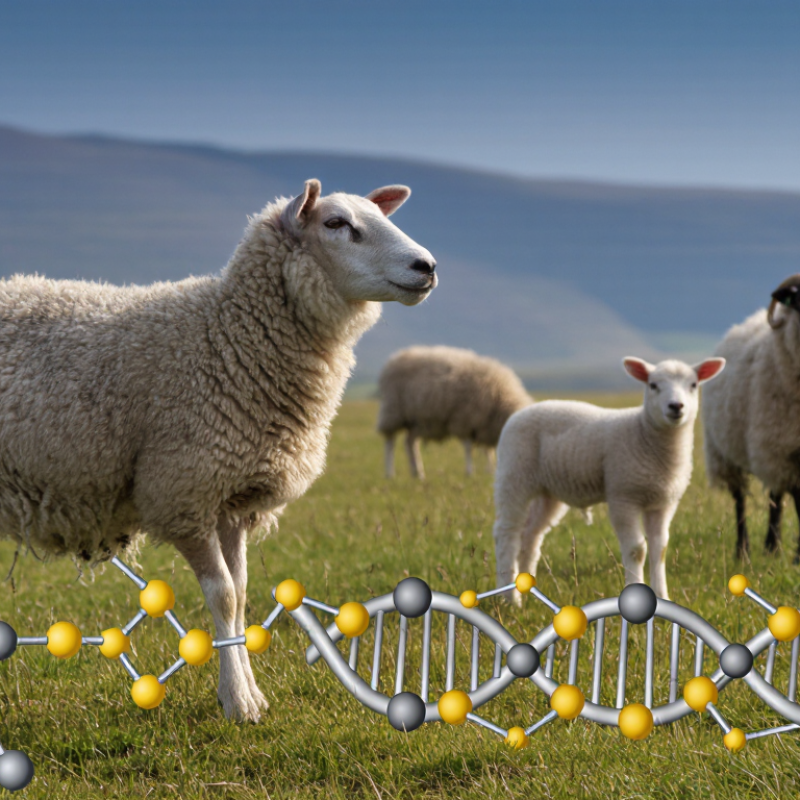
How Does Selenium Improve Sheep Reproduction?

Selenium’s Role in Sheep Reproductive Health

Selenium’s role in sheep reproductive health begins with its antioxidant function. It supports glutathione peroxidase, an enzyme that helps protect reproductive cells from oxidative damage. In ewes, adequate selenium may support healthy ovarian activity, embryo development, placental function, and recovery after lambing. Deficiency has been linked with weak lambs, poor conception, retained placenta, and white muscle disease.

Rams need attention too. Selenium contributes to testicular function and sperm quality, including movement and membrane protection. A ram entering breeding season with poor nutrition may show disappointing fertility, even when he appears active and healthy. The response is not always dramatic. Soil, forage, and weather can change selenium levels across nearby fields, so assumptions can mislead. Blood or tissue testing, combined with feed analysis, gives a more reliable picture.

Practical flock management often focuses on the weeks before breeding and late pregnancy. A veterinarian or qualified nutritionist can select a suitable mineral program and check local requirements. Too little selenium can impair reproduction, but too much can become toxic. More is not better. I have seen how a single mineral issue can be blamed for every reproductive loss, although energy balance, parasites, heat stress, and disease may matter more. Selenium should be treated as one part of a measured plan, not a quick fix. Keep records of conception rates, lamb vigor, placenta retention, and pasture changes; these details reveal patterns that memory often misses.

How Selenium Supports Ovulation and Fertility

How Does Selenium Improve Sheep Reproduction?

Selenium supports ovulation and fertility through antioxidant protection. It helps selenium-dependent enzymes control oxidative stress in ovarian tissues. This matters as follicles grow and prepare to release an egg. Healthy follicles can support better oocyte quality and more predictable ovulation.

Selenium also supports the corpus luteum after ovulation. This temporary ovarian structure produces progesterone, which helps maintain early pregnancy. When ewes lack selenium, conception may become less consistent, especially alongside poor energy intake or vitamin E deficiency. Yet selenium is not a magic switch. Fertility also depends on body condition, ram health, disease control, and accurate breeding timing. In flock work, reproductive problems are often blamed on one mineral too quickly.

Tips: Test forage, feed, or blood selenium status before changing supplementation. Local soil can create large differences between farms. Use veterinary guidance because selenium has a narrow safety margin. Record joining dates, returns to heat, and lambing results. These details reveal patterns that memory may miss. Avoid assuming more is better. A balanced ration usually matters more than a dramatic single adjustment.

Selenium and Reproductive Hormone Regulation in Ewes

How Does Selenium Improve Sheep Reproduction?

Selenium helps regulate reproductive hormones in ewes through antioxidant and thyroid pathways. The thyroid connection matters. Selenium-dependent enzymes convert thyroxine, or T4, into active triiodothyronine, or T3. Stable T3 levels support energy use, follicle growth, and seasonal reproductive activity. Selenium also supports glutathione peroxidase, which protects ovarian cells from oxidative damage. Healthier follicles may produce more consistent estradiol before ovulation, while better luteal protection can support progesterone after mating.

The NRC Nutrient Requirements of Small Ruminants (2007) lists approximately 0.10 mg selenium per kilogram of dietary dry matter for sheep. However, forage values vary sharply with soil type, rainfall, and plant species. A ewe eating low-selenium pasture may show reduced conception, weaker lamb vitality, or delayed return to cycling. Research reviews, including reports in Animals and the Journal of Animal Science, associate adequate selenium status with improved progesterone patterns and pregnancy outcomes. The response is not perfectly predictable. Breed, vitamin E status, body condition, and parasite pressure also matter.

Tips: Test forage, feed, and blood selenium before changing the ration. Use veterinary or nutritionist guidance. Avoid “more is better”; selenium has a narrow safety margin. Record scanning rates, lambing percentages, and ewe body condition. These practical records can reveal whether hormone-related improvements are real or only assumed.

How Does Selenium Improve Sheep Reproduction? - Selenium and Reproductive Hormone Regulation in Ewes

Reproductive Dimension How Selenium Functions Hormonal or Cellular Link Potential Reproductive Effect in Ewes Practical Interpretation
Antioxidant protection Selenium is incorporated into selenoproteins such as glutathione peroxidases and thioredoxin reductases, which help control oxidative damage. Supports redox balance in ovarian tissue, follicles, oocytes, and the uterine environment. May support normal follicular development, oocyte quality, fertilization, and early embryo survival when dietary selenium is inadequate. The benefit is most likely in deficient or marginal-status animals; extra selenium does not automatically improve reproduction in adequately supplied ewes.
Thyroid hormone metabolism Selenium-dependent deiodinase enzymes participate in the conversion and regulation of thyroid hormones. Thyroid hormones influence basal metabolism, ovarian activity, tissue development, and energy utilization. Adequate selenium can help maintain physiological conditions that support estrous cycling and pregnancy. Selenium acts mainly through metabolic and cellular pathways rather than functioning as a direct reproductive hormone.
Estrous cyclicity By reducing oxidative stress and supporting energy metabolism, selenium helps maintain normal reproductive tissue function. May indirectly support the hypothalamus–pituitary–ovarian axis, including coordinated GnRH, LH, FSH, estrogen, and progesterone activity. Can contribute to more consistent expression of estrus and normal ovulation in selenium-deficient flocks. Selenium should be viewed as a nutritional support factor, not as a substitute for reproductive management or synchronization protocols.
Luteal function Selenoproteins help protect luteal cells from excessive reactive oxygen species. A healthy corpus luteum is required for adequate progesterone production after ovulation. May help support progesterone-dependent maintenance of the uterine environment during early pregnancy. The response depends on overall nutrition, energy balance, vitamin E status, disease control, and the ewe's baseline selenium status.
Follicular development and ovulation Selenium supports antioxidant defenses in growing follicles and may help protect granulosa and theca cells. These cells participate in steroidogenesis and respond to gonadotropins such as FSH and LH. Adequate selenium may support normal ovulation and reduce cellular stress during follicle maturation. Reproductive gains are not linear with dose; excessive intake can be toxic.
Fertilization and early embryo development Selenium-dependent antioxidant systems help limit oxidative damage to gametes and early embryonic cells. Supports cellular integrity during fertilization, cleavage, and embryo–uterine signaling. May improve embryo viability and reduce early reproductive loss when deficiency is present. Evidence is strongest for correcting deficiency; effects in selenium-adequate ewes are variable.
Uterine health and implantation environment Selenium contributes to antioxidant and immune defenses in reproductive tissues. Helps regulate inflammatory and redox processes that influence uterine receptivity and embryo survival. May support establishment and continuation of pregnancy, particularly under nutritional or oxidative stress. It cannot replace diagnosis and treatment of uterine infection, poor hygiene, or other causes of infertility.
Placental development and pregnancy maintenance Selenium supports antioxidant enzymes and cellular metabolism in maternal and placental tissues. Adequate placental function supports nutrient and oxygen transfer and helps maintain pregnancy-related hormonal signaling. May reduce risks associated with poor fetal development and pregnancy failure linked to selenium deficiency. The result is influenced by fetal number, maternal body condition, energy supply, and other trace minerals.
Parturition and placental separation Selenium, often working alongside vitamin E, supports muscle, immune, and antioxidant functions. Normal uterine contractions and controlled inflammatory processes are important for lambing and placental expulsion. Adequate status is associated with lower risk of retained placenta and related postpartum complications in deficient flocks. Retained placenta has multiple causes; selenium status should be evaluated rather than assumed to be the only factor.
Maternal and neonatal outcomes Selenium supports immune competence and antioxidant protection in the ewe and developing lamb. Improved maternal health can indirectly support colostrum production, postpartum recovery, and neonatal vigor. May reduce deficiency-related problems such as weak lambs and nutritional myodegeneration. Benefits should be assessed at flock level using reproductive rate, lamb survival, health records, and laboratory status indicators.
Selenium status assessment Whole-blood selenium or erythrocyte glutathione peroxidase activity can help assess longer-term status; serum or plasma selenium reflects more recent intake. Laboratory values help determine whether altered reproductive performance may be associated with deficiency or excess. Testing can improve the accuracy and safety of flock supplementation decisions. Interpret results using laboratory-specific reference intervals and local veterinary or nutritional guidance.
Safety and dose management Selenium is an essential trace element with a relatively narrow safety margin. Both deficiency and excess can impair health, while excessive exposure may cause toxicity. Correcting deficiency may improve reproductive efficiency, but unnecessary supplementation can create health risks. Use a complete diet assessment and regionally appropriate veterinary or feed-formulation recommendations; do not combine multiple selenium sources without calculating total intake.

Note: Selenium supports reproductive physiology primarily by maintaining antioxidant protection, thyroid hormone metabolism, immune function, and cellular integrity. The reproductive response is greatest when a deficiency or marginal status is corrected, and supplementation should be based on the total diet and professional guidance.

Effects of Selenium on Ram Sperm Quality

How Does Selenium Improve Sheep Reproduction?

Effects of Selenium on Ram Sperm Quality

Selenium supports ram fertility through antioxidant protection. Sperm cells contain vulnerable, highly unsaturated membranes. Glutathione peroxidase, a selenium-dependent enzyme, helps limit oxidative damage during sperm production and storage. The NRC Nutrient Requirements of Small Ruminants reports 0.10 mg selenium per kilogram of dry matter as the dietary requirement for sheep. It also lists 2 mg/kg dry matter as the maximum tolerable concentration. More is not automatically better.

In practical flock work, selenium adequacy may improve sperm motility, membrane stability, and normal morphology. These traits matter when rams face heat stress, transport, illness, or poor nutrition. A deficient ram may produce fewer progressively moving sperm. However, responses vary between animals. Soil selenium, forage type, body condition, and vitamin E status can change the result. The evidence is useful, but not perfectly predictable. That deserves caution. EFSA’s scientific assessments also warn that selenium has a narrow safety margin, so supplementation should follow feed analysis and veterinary guidance. Blood or liver testing can provide stronger evidence than guesswork.

Tips: Check the complete ration before adding selenium. Record ram body condition and breeding dates. Have semen evaluated before joining, including concentration, motility, and morphology. Avoid relying on one visible sign, such as libido. A vigorous ram can still have poor semen quality. Recheck after management changes, because sperm production takes several weeks.

Sources: NRC, Nutrient Requirements of Small Ruminants, 2007; EFSA Panel on Additives and Products, selenium safety assessments, 2016.

Selenium Supplementation for Flock Reproduction Management

Selenium supplementation can support flock reproduction when sheep lack enough selenium in their diet. This trace mineral helps protect cells from oxidative stress and supports thyroid function, immunity, and muscle development. These roles matter before breeding, during pregnancy, and after lambing. A selenium-deficient ewe may show weak lambs, poor growth, or reduced reproductive performance. Yet these signs can have several causes.

Good management begins with forage, soil, and feed assessment. Selenium levels vary between fields, seasons, and feed batches. A veterinarian or nutritionist can review these details and recommend suitable testing. Blood or tissue results may support the assessment, but they require careful interpretation. Do not treat every reproductive problem as selenium deficiency. That assumption can waste time.

Timing also matters. A controlled supplementation plan before mating may support ovulation and conception, while adequate intake during pregnancy helps fetal development. Mineral mixes, oral supplements, or injections may be used under professional direction. Dose accuracy is essential because selenium has a narrow safety margin. More is not better. Follow local veterinary guidance and product instructions.

Track practical results. Record conception rates, lambing difficulty, birth weights, stillbirths, and lamb vigor. Compare these records across seasons, not just one breeding cycle. Some flocks improve slowly. Others show little change because nutrition, disease, genetics, or body condition remains the main limitation. A simple plan may still need revision.

FAQS

How does selenium support reproductive health in ewes?

Selenium supports antioxidant enzymes that protect ovarian cells and developing embryos. It may also support placental function and recovery after lambing. It is not a magic fix.

What reproductive problems may suggest selenium deficiency?

Possible signs include poor conception, weak lambs, retained placenta, and white muscle disease. These signs have other possible causes. Do not assume selenium is responsible.

How can selenium affect ram fertility?

Selenium helps protect sperm membranes from oxidative damage. Adequate intake may support sperm movement, concentration, and normal shape. A lively ram can still have poor semen quality.

When should a flock’s selenium status be checked?

Check before breeding and during late pregnancy. Review forage, soil, feed batches, and seasonal changes. Nearby fields may have different selenium levels.

What tests provide better evidence than guesswork?

Feed analysis can estimate dietary selenium. Blood or liver testing may provide additional evidence. Semen testing can measure concentration, movement, and morphology.

How much selenium do sheep need?

One published small-ruminant guideline lists 0.10 milligrams per kilogram of dry matter. It lists 2 milligrams per kilogram as the maximum tolerable concentration. Requirements vary. Use professional advice.

Can selenium supplementation become dangerous?

Yes, excessive selenium can become toxic because its safety margin is narrow. More is not better. Follow local veterinary guidance and exact dosing instructions.

How should producers judge whether supplementation helped?

Record conception rates, lambing difficulty, birth weights, retained placentas, and lamb vigor. Compare several seasons, not one breeding cycle. My first explanation may be wrong.

What other factors can reduce reproductive performance?

Energy shortage, parasites, heat stress, disease, genetics, and poor body condition may matter more. Selenium should be one part of a measured flock plan. Recheck the plan.

Conclusion

Selenium plays an important role in supporting sheep reproductive health by helping protect cells from oxidative stress and maintaining normal body functions. What is the role of selenium in sheep reproduction? In ewes, adequate selenium may support healthy ovulation, improve fertility, and contribute to balanced reproductive hormone activity. It can also help the reproductive system respond properly during breeding, pregnancy, and early lamb development. However, the amount required depends on factors such as forage quality, soil conditions, animal age, and overall nutrition.

In rams, selenium supports the development and protection of sperm cells, which may contribute to improved sperm movement, structure, and fertilizing ability. For flock reproduction management, selenium supplementation should be considered as part of a complete nutrition plan rather than as a replacement for balanced feed, mineral management, or veterinary guidance. Testing feed and forage, monitoring flock condition, and avoiding excessive intake are important steps when using selenium to support consistent reproductive performance.

Amelia

Amelia

Amelia is a seasoned marketing professional with a wealth of expertise in our company’s core offerings. With an unwavering passion for driving growth and innovation, she plays a pivotal role in shaping our marketing strategies and enhancing brand visibility. A key aspect of her responsibilities......