Zinc plays a critical role in pig health and production. It is vital for growth, immune function, and skin integrity. However, zinc deficiency can lead to severe health issues in pigs. According to the National Pork Board, around 30% of pigs raised in intensive farming systems show some signs of mineral deficiency, largely due to inadequate dietary zinc.
"What are the signs of zinc deficiency in pigs?" is a question that many farmers and veterinarians grapple with. Dr. Alex Johnson, a swine nutrition expert, emphasizes, "Recognizing zinc deficiency early is essential for maintaining healthy herds." Common signs include rough skin, stunted growth, and poor immune responses. Observing these symptoms can help farmers take timely action.
Understanding zinc deficiency requires keen observation. Factors such as diet, environmental stress, and genetics can complicate its diagnosis. Pigs might show subtle signs initially, such as reduced appetite or lethargy. These signs can be easily overlooked, leading to more significant health consequences if left unchecked. Prompt recognition and intervention are key to ensuring optimal pig health and productivity.
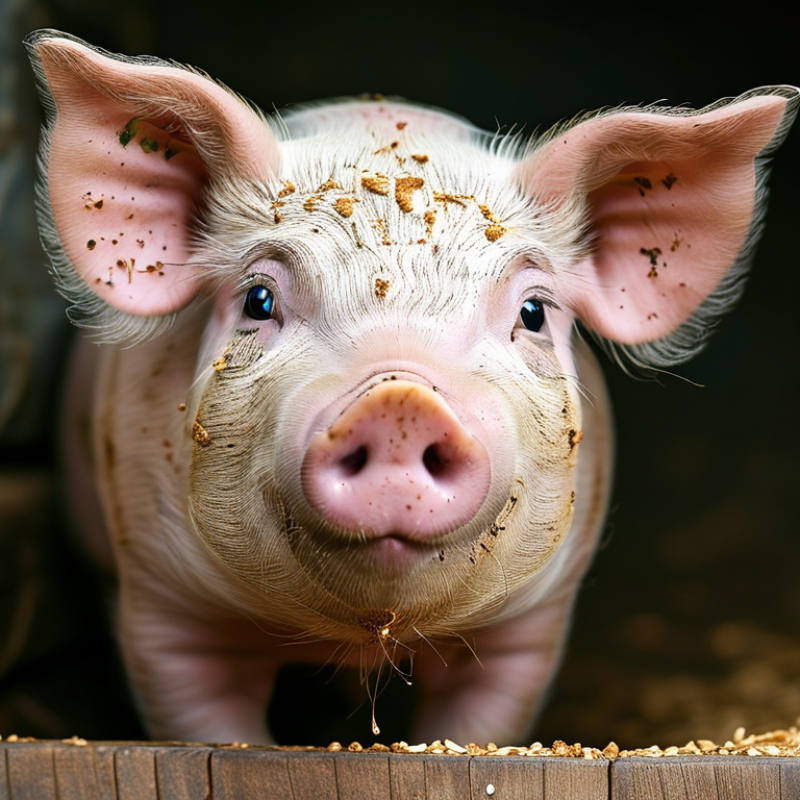
Symptoms of Zinc Deficiency in Pigs
Zinc is crucial for the health of pigs. A deficiency can lead to several noticeable symptoms. Look for signs such as skin lesions, hair loss, and poor coat condition. Pigs might also experience delayed growth and reproductive issues. Their immune systems can weaken, making them more susceptible to infections. Pay attention to these signs to ensure your herd stays healthy.
Monitoring zinc levels in pig diets is essential. If you notice any symptoms, consult with a veterinarian immediately. They can recommend adjustments to the diet. Sometimes, low-quality feed may lack sufficient zinc. Regular nutritional assessments help maintain balanced diets.
Providing access to quality mineral supplements can be beneficial. Ensure pigs have a varied diet that meets their nutritional needs. Sometimes, pigs may refuse new foods that contain zinc. Be patient; it may take time for them to accept these changes. Regular check-ups are key to catching deficiencies early.
Behavioral Changes Indicating Zinc Deficiency
Zinc deficiency in pigs can lead to significant behavioral changes. Pigs suffering from this deficiency may show unusual aggression or restlessness. You might notice them engaging in repetitive behaviors. These may include excessive rooting or pacing. Such changes often signal that something is wrong.
Another notable behavior is a decrease in social interaction. Pigs may isolate themselves from the group. This withdrawal can manifest in less playfulness and reduced vocalization. Keep an eye on their eating habits too. A pig that suddenly refuses food or drinks less is often showing signs of distress. Observing these changes closely is crucial for timely intervention.
Some pigs may even exhibit signs of irritability or anxiety. They might seem more nervous in familiar settings. If you notice these symptoms repeatedly, it’s essential to assess their diet. A diet lacking adequate zinc can disrupt their mental health. Reflecting on their behavior can lead to quicker actions for their well-being. Proper zinc levels are vital not only for physical health but also for maintaining a balanced temperament.
Signs of Zinc Deficiency in Pigs
Physical Signs to Observe in Affected Pigs
Zinc deficiency in pigs can lead to various physical signs that are critical to identify early. Affected pigs often exhibit rough, scaly skin. This dermatitis primarily affects the face and feet. The skin may appear crusty or inflamed, showing that the animal is in distress. Research indicates that zinc is crucial for skin health and repair.
According to studies, a 2003 report found that over 30% of pigs in intensive farming systems showed signs of insufficient zinc levels.
Another common symptom is reduced growth rates. Pigs lacking adequate zinc may struggle to gain weight or show stunted growth. In a controlled trial, pigs receiving low zinc diets gained 20% less weight compared to those with adequate zinc intake. Such findings highlight the importance of closely monitoring diet composition and zinc levels to ensure optimal growth.
Changes in appetite can also indicate zinc deficiency. Affected pigs might refuse to eat, leading to further health complications. Behaviorally, these pigs may appear lethargic and unresponsive to their environment. Observing these signs can be the first step in preventing more serious health issues and improving overall herd welfare. Early intervention is key to mitigating the impacts of zinc deficiency and maintaining healthy livestock.
Impact of Zinc Deficiency on Pig Growth and Health
Zinc deficiency in pigs can significantly impact their growth and overall health, leading to substantial economic losses for farmers. According to recent studies, inadequate zinc levels can decrease weight gain by as much as 20%. This deficiency often manifests in poor appetite, slower growth rates, and increased susceptibility to disease. One report indicated that young pigs are particularly vulnerable. They may show signs of skin lesions and impaired immune responses, which can lead to higher mortality rates.
Zinc plays a crucial role in enzyme function and protein synthesis. Insufficient zinc can hinder proper neurological and reproductive development. A study revealed that pigs with adequate zinc intake exhibited improved feed conversion ratios compared to those with deficiencies. The increase in efficiency underscores the importance of monitoring dietary zinc. Farmers should conduct regular tests to assess zinc levels in feed. Ultimately, ensuring adequate zinc is vital for maintaining optimal health and improving productivity in pig operations. Recognizing these signs early can prevent potential setbacks and financial losses.
Preventative Measures for Zinc Deficiency in Swine
Zinc deficiency in pigs poses significant challenges for swine producers. To prevent this, adequate supplementation is vital. According to research from the National Swine Research and Technology Center, pigs require 50-100 mg of zinc per kg of diet for optimal health. Insufficient zinc can lead to stunted growth, poor skin condition, and increased susceptibility to disease.
Implementing a balanced diet is crucial. Use high-quality feed ingredients that naturally contain zinc. Regularly test feed for nutrient content to ensure it meets pigs' dietary needs. Additionally, monitor zinc levels in pigs' bodies through blood tests. Address deficiencies immediately to avoid long-term health impacts.
Observe pigs closely for signs of zinc deficiency. Look for skin lesions and poor appetite. These indicators can cause a cascade of problems if not addressed swiftly. Consider rotating feed sources to maintain mineral balance.
Always consult with a swine nutritionist to tailor zinc additions effectively. Adjustments based on specific farm conditions can lead to better health outcomes. Promote overall herd wellness through heightened awareness and proactive measures. Regular education on nutritional needs can create a more resilient pig population.
Signs of Zinc Deficiency in Pigs & Preventative Measures for Zinc Deficiency in Swine
| Signs of Zinc Deficiency |
Description |
Preventative Measures |
Recommended Zinc Sources |
| Poor Growth Rate |
Pigs exhibit slower weight gain and stunted growth. |
Regularly supplement zinc in diet; monitor growth rates. |
Zinc oxide, zinc sulfate |
| Dermatitis |
Skin lesions and irritation, especially around snouts and ears. |
Ensure adequate zinc levels in feed; address skin issues promptly. |
Feed-grade zinc, chelated zinc |
| Reproductive Issues |
Reduced fertility rates and increased abortion rates. |
Provide zinc supplements to sows pre- and post-breeding. |
Organic zinc, zinc methionine |
| Impaired Immune Response |
Increased susceptibility to infections and diseases. |
Maintain balanced nutrition with sufficient zinc; vaccinate regularly. |
Zinc-enriched feed, trace mineral mixes |
Conclusion
Zinc deficiency in pigs can present a variety of signs that are crucial for farmers to recognize to ensure the health and growth of their livestock. Common symptoms include skin lesions, rough coat, and slow growth rates. What are the signs of zinc deficiency in pigs? Behavioral changes may manifest as decreased appetite or lethargy, while physical signs can include crusty skin and swelling around the eyes and joints. The impact of zinc deficiency is significant, leading to impaired immune function and overall poor health in pigs, which can ultimately affect their productivity.
To prevent zinc deficiency, it's vital to provide a balanced diet that meets their nutritional needs, ensuring adequate zinc levels are maintained. Monitoring the pigs for any unusual behavioral or physical changes can help in early detection and intervention, ultimately safeguarding livestock health and enhancing growth performance. Regular veterinary check-ups and nutrient assessments can further assist in preventing potential deficiencies.

 Treo Nutrition