How to Stop Grass Tetany in Cattle During Spring?

Time:2026-06-07 Author:Oliver
0%

Spring brings lush pastures, but it also increases the risk of grass tetany in cattle. This condition is linked to magnesium deficiency and can result in serious health issues. As cattle owners, understanding "How to prevent grass tetany in cattle during spring?" is crucial. The right management strategies can make a significant difference.

We must pay attention to various factors. Soil quality, forage types, and cattle nutrition play vital roles. Cattle on spring pastures may not receive enough magnesium. This can lead to symptoms like muscle tremors and increased heart rates. Early detection is vital for successful treatment.

Implementing a sound feeding program is essential. Magnesium supplementation could be a key strategy. However, how much and what type of supplements are best? Cattle behavior also provides clues. Keep an eye on signs of stress or unease. Proper monitoring can help prevent severe episodes. Remember, even the best plans can experience unforeseen challenges. Continuous learning is necessary in this field.
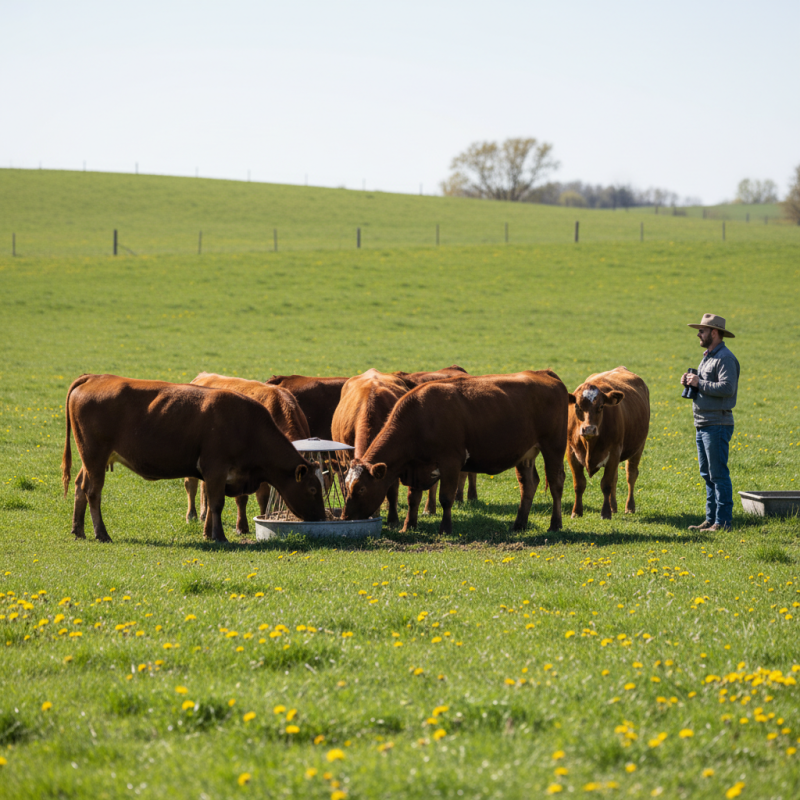
How to Stop Grass Tetany in Cattle During Spring?

Understanding Grass Tetany in Cattle: Causes and Symptoms

Grass tetany is a metabolic disorder affecting cattle, especially in spring. It arises from low magnesium levels in lush green pastures. Cattle are particularly vulnerable during the rapid growth of grasses, when potassium levels rise, further reducing magnesium absorption.

Symptoms often include muscle tremors, stiffness, and, in severe cases, convulsions. Affected animals may graze less and appear restless. Industry statistics indicate that grass tetany can lead to a 20% reduction in milk production. Moreover, fatalities can occur if not addressed promptly.

Tips: Supplement magnesium before spring grazing. A magnesium-rich mineral block helps support cattle health. Monitor cattle closely for early signs of distress. Regular blood tests can provide critical information for managing pasture health.

Ensuring that cattle receive adequate minerals can mitigate risks. It is essential to adapt grazing practices based on environmental conditions. Educational resources from veterinary professionals offer valuable insights. Understanding your herd's nutritional needs can significantly lower risks associated with grass tetany. Consistent monitoring and proactive measures can create a resilient herd during challenging seasons.

How to Stop Grass Tetany in Cattle During Spring? - Understanding Grass Tetany in Cattle: Causes and Symptoms

Dimension Details
Cause Magnesium deficiency in pasture
Symptoms Muscle twitching, staggering, excessive salivation, and convulsions
Risk Factors Rapidly growing grass, low magnesium in feed, high potassium levels in soil
Prevention Strategies Supplement magnesium, manage grazing patterns, soil testing
Treatment Intravenous magnesium solution, oral magnesium supplements
Affected Species Primarily affecting lactating cows, but can impact all cattle

Importance of Mineral Supplementation in Spring for Cattle

Spring brings lush grass, but it can also lead to grass tetany in cattle. This condition often stems from low magnesium levels in fresh pasture. Research indicates that magnesium deficiency can severely impact cattle health, especially in the early spring months. In fact, studies show that magnesium levels drop by up to 40% during this time, increasing the risk of tetany.

Mineral supplementation is crucial for maintaining cattle health in spring. Cattle require higher magnesium intake during the lush growth of spring grass. Farmers should consider providing mineral blocks or loose minerals rich in magnesium and calcium. According to industry reports, ensuring adequate mineral intake can reduce tetany cases by nearly 50%. Proper supplementation not only helps prevent health issues but also promotes better growth and overall productivity in cattle.

Monitoring mineral levels is vital. Regular testing of pasture and water sources can provide valuable insights. A common practice is testing soil and forage samples for nutrient content. Addressing mineral imbalances proactively can lead to healthier herds and reduced veterinary costs. Observing cattle for signs of tetany is equally important. Early intervention can save animals from severe health complications.

Management Practices to Prevent Grass Tetany in Pastures

Managing pasture health is crucial in preventing grass tetany in cattle. During spring, lush grass growth can lead to high potassium levels and low magnesium content in the forage. This imbalance can cause serious health issues, including grass tetany, particularly in lactating cows. To mitigate this, monitoring soil nutrient levels is essential. Regular soil testing can provide insights into nutrient availability.

Another effective practice is offering mineral supplements. These supplements typically contain magnesium, which is vital for preventing tetany. Providing free-choice mineral blocks or specific supplements can help cattle meet their dietary needs. Moreover, it’s important to observe grazing patterns. Cattle may selectively graze, leading to uneven nutrient intake. Rotational grazing can mitigate this issue by ensuring cows access diverse pasture areas.

Cattle health is interconnected with their environment. Regularly rotating pastures reduces the chance of nutrient depletion in any single area. Farmers should also keep an eye out for early signs of tetany, such as muscle twitching or nervousness. Addressing these symptoms promptly can prevent more serious conditions. Balancing pasture management and monitoring cattle behavior will enhance herd health during spring months.

Identifying High-Risk Cattle and Monitoring Their Diet

Spring poses significant risks for cattle, particularly due to grass tetany. This condition arises from low magnesium levels in lush, rapidly growing pastures. Identifying high-risk cattle is crucial in preventing this situation. Cows that are pregnant, lactating, or older tend to be more vulnerable. Early detection of symptoms like trembling and a lack of coordination can help mitigate severity.

Monitoring the diet of these at-risk cattle is essential. Ensure their feed contains adequate magnesium, especially during spring months. Incorporating magnesium supplements can be beneficial. Pay close attention to mineral balance; it impacts cattle health significantly. Don't underestimate the importance of observing your herd regularly. Lack of action may lead to severe health issues.

You may find some cattle show symptoms later than expected. This delay can complicate early diagnosis. Keeping a consistent feeding schedule can also improve their health. Even small changes in diet can have unforeseen effects. Regular consultations with a veterinarian can provide deeper insights. Re-evaluating feeding practices based on current conditions is vital for success.

Grass Tetany Risk in Cattle During Spring

This bar chart illustrates the percentage of cattle at different risk levels for grass tetany during the spring season. It highlights the importance of monitoring dietary intake among cattle to mitigate the risks associated with this condition.

Emergency Treatments and Solutions for Affected Cattle

Grass tetany is a critical issue for cattle during spring. Cattle often graze on lush, rapidly growing pasture that is low in magnesium. A report from the National Animal Health Monitoring System indicates that magnesium deficiency can lead to severe health impacts. Early signs include nervousness and muscle tremors. As magnesium levels drop, affected cattle can experience convulsions or even death.

To address this issue, immediate treatment is necessary. Administering magnesium supplements is vital. Magnesium oxide or magnesium sulfate can provide relief. Intravenous injections can deliver quick results but require veterinary assistance. Research shows that providing oral magnesium sources in feed can help prevent future occurrences.

In addition to emergency treatments, preventive measures should be implemented. Test pasture soils for nutrient levels. This can provide insight into magnesium content. A recent study reported that nearly 40% of pastures in certain regions are deficient in magnesium during spring. Altering feeding strategies to include minerals can mitigate the risk of grass tetany. This proactive approach can ensure healthier cattle and a more sustainable livestock operation.

FAQS

: What causes grass tetany in cattle?

: Grass tetany arises from low magnesium levels in lush pastures, especially in spring.

What are the symptoms of grass tetany?

Symptoms include muscle tremors, stiffness, restlessness, and in severe cases, convulsions.

How can magnesium levels in cattle be supported?

Supplementing with magnesium-rich mineral blocks before grazing can help support cattle health.

Why is soil testing important for pasture health?

Regular soil testing provides insights into nutrient availability, helping manage magnesium levels.

What grazing practices can help prevent grass tetany?

Rotational grazing allows cows access to diverse pastures, reducing the chance of nutrient depletion.

How should affected cattle be treated?

Administering magnesium supplements, like magnesium oxide or sulfate, is vital for immediate relief.

What are the risks if grass tetany is not addressed?

Untreated grass tetany can lead to convulsions, reduced milk production, and even death.

What is the significance of early monitoring?

Observing symptoms early allows for prompt action, preventing more severe health issues.

How can farmers adapt to prevent grass tetany?

Understanding herd nutritional needs and modifying feeding strategies can mitigate risks effectively.

Are there educational resources available for farmers?

Yes, veterinary professionals provide valuable insights into managing pasture health and cattle nutrition.

Conclusion

Grass tetany is a serious metabolic disorder in cattle primarily caused by low magnesium levels, often triggered by spring pasture growth. Understanding the causes and symptoms is crucial for effective management. To answer the question "How to prevent grass tetany in cattle during spring?", it is essential to ensure proper mineral supplementation, as this enhances cattle health and reduces the risk of tetany.

Additionally, implementing effective management practices such as analyzing pasture quality, providing mineral blocks, and closely monitoring the diets of high-risk cattle can further mitigate the issue. Early identification of at-risk animals and timely emergency treatments can also make a significant difference in managing outbreaks of grass tetany. By adopting these proactive measures, cattle producers can safeguard their herds during the vulnerable spring season.

Oliver

Oliver

Oliver is a seasoned marketing professional with a wealth of expertise in driving brand awareness and engagement. With a deep understanding of our company's product offerings, he consistently delivers high-quality content that enriches our professional blog. His insights not only shed light on......