Phosphorus plays a critical role in animal nutrition. Its importance is often overlooked. However, its functions are vital for growth, reproduction, and overall health. According to the Animal Nutrition Report 2022, phosphorus deficiencies can lead to significant productivity losses in livestock. This highlights the question: Why is phosphorus important in animal mineral nutrition?
Dr. Emily Thompson, a leading expert in animal nutrition, emphasizes, "Phosphorus is essential for energy transfer and bone mineralization in animals." Phosphorus contributes to the formation of ATP, the energy currency of cells. Moreover, it is a key component of DNA and RNA, linking it to cellular functions and growth. The National Research Council states that optimal phosphorus levels can enhance feed efficiency and animal performance.
Despite its significance, many farmers lack knowledge about phosphorus requirements. This gap can result in either deficiencies or excesses. Both conditions can harm animal health and production. Understanding phosphorus is crucial for sustainable livestock management. It is essential to reflect on how we can better educate the industry on this vital nutrient.
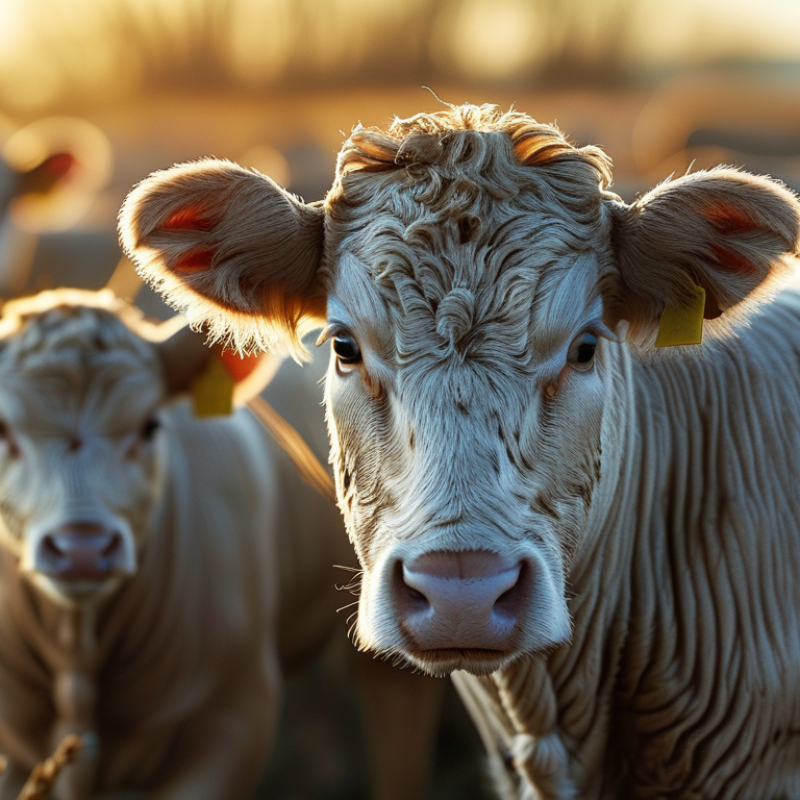
Importance of Phosphorus in Animal Cell Structure and Function
Phosphorus plays a crucial role in animal cell structure and function. It's a key component of DNA and RNA, essential for cell replication and growth. Without adequate phosphorus, animals may experience stunted growth and reproductive issues. This mineral is also vital in energy transfer within cells. It forms part of ATP, the energy currency driving cellular processes.
In addition, phosphorus contributes to bone health. It works alongside calcium to maintain strong bones and teeth. A deficiency can lead to weak bones and fragility. This imbalance can affect not only individual animals but also entire herds if not addressed promptly. Furthermore, phosphorus is integral to maintaining acid-base balance in the body. An optimal level helps regulate enzyme functions, influencing metabolic pathways.
Overlooking phosphorus needs can have dire consequences. Some animals may exhibit poor appetite or reduced milk production. Monitoring phosphorus levels in diets is essential for overall animal health. Farmers must be attentive to signs of deficiency, such as lethargy or poor coat condition. It’s a reminder that nutrient balance is vital in animal nutrition.
Top 10 Reasons Why Phosphorus Is Vital for Animal Nutrition
| Reason |
Description |
| 1. Energy Transfer |
Phosphorus is essential for ATP production, which is vital for energy transfer in cells. |
| 2. Bone Formation |
It plays a crucial role in the mineralization of bones and teeth. |
| 3. Cell Membrane Structure |
Phosphorus is a key component of phospholipids, which make up cell membranes. |
| 4. Protein Synthesis |
It facilitates the synthesis of proteins by activating ribosomes. |
| 5. Genetic Material |
Phosphorus is a component of DNA and RNA, essential for genetic coding. |
| 6. Enzyme Activation |
It acts as a cofactor in many enzymatic reactions, aiding metabolism. |
| 7. Acid-Base Balance |
Phosphorus helps maintain the body's acid-base balance, crucial for cellular functions. |
| 8. Nervous System Function |
It's involved in the transmission of nerve impulses. |
| 9. Muscle Function |
Phosphorus is essential for muscle contraction and function. |
| 10. Healthier Growth |
Adequate phosphorus levels promote faster growth rates in livestock. |
Role of Phosphorus in Energy Metabolism and ATP Production
Phosphorus plays a crucial role in animal nutrition, particularly in energy metabolism and ATP production. As a vital mineral, phosphorus is involved in the synthesis of adenosine triphosphate (ATP), the energy currency of cells. ATP is essential for various biological processes, including muscle contraction and nerve transmission. Reports from the National Animal Feed Industry indicate that phosphorus is a key component of energy metabolism, influencing overall animal performance.
In animal diets, the right balance of phosphorus is critical. Too little can lead to poor growth and reduced energy levels. Conversely, excess phosphorus can result in metabolic issues. Properly formulated diets ensuring optimal phosphorus levels contribute to better feed efficiency and animal health. A study in Animal Feed Science and Technology highlighted that phosphorus supplementation can enhance growth rates by up to 20% in young livestock.
Tip: Regularly monitor phosphorus levels in animal feeds. This helps in maintaining optimal performance while preventing deficiency or excess. Keep in mind that variations in animal requirements exist based on age, species, and production goals.
Phosphorus also interacts with other minerals, such as calcium. An imbalance can affect energy metabolism negatively. It's essential to develop feeding strategies that consider these interactions. A survey published by the Journal of Animal Science suggested that an appropriate phosphorus-to-calcium ratio is vital for maximizing nutrient absorption and energy utilization in livestock. Understanding these relationships can greatly influence production outcomes.
Contribution of Phosphorus to Bone Development and Health
Phosphorus plays a crucial role in bone development and overall health for animals. It is a key component of DNA and RNA, essential for cell division and growth. Without adequate phosphorus, animals may experience stunted growth and weak bones. A well-balanced phosphorus intake helps in the formation of hydroxyapatite, the mineral complex that gives bones their strength.
Tips: Monitor phosphorus levels in animal diets. It's essential to ensure they are in range. Too little will hinder bone development, while excess can lead to other health issues.
Bone health is not just about calcium. Phosphorus must also be present. A deficiency can lead to issues like osteomalacia, characterized by softening of bones. Animals may show signs of pain and discomfort, affecting their mobility. Regular nutritional assessments are vital to prevent such deficiencies.
Tips: Incorporate diverse feed sources that provide phosphorus naturally. Always consult a nutritionist if uncertainties arise regarding phosphorus levels. Balancing all nutrients is key to optimal animal health. Even small adjustments in diet can lead to significant improvements in bone strength.
Impact of Phosphorus on Protein Synthesis and Muscle Growth
Phosphorus plays a crucial role in animal nutrition, particularly in
protein synthesis and muscle growth. This mineral is
essential for the formation of ATP, the energy currency of cells. ATP is required for
many cellular processes, including protein production. Without sufficient phosphorus, animals may
struggle to build and repair muscle effectively.
Moreover, phosphorus interacts with other nutrients like calcium and vitamin D.
This relationship is vital for muscle function and health. A deficiency can lead to reduced muscle mass and overall growth.
Animals may exhibit weakness, fatigue, or stunted development due to low phosphorus levels.
However, the correct balance is essential. Too much phosphorus can lead to health issues, such as
kidney damage. Animal nutritionists must carefully monitor phosphorus intake to optimize growth potential.
It's a delicate balance that requires ongoing evaluation and adjustments in diet. Regular testing can ensure that animals receive adequate
phosphorus for their needs.
Essential Functions of Phosphorus in Enzyme Activation and Regulation
Phosphorus plays a crucial role in animal nutrition, especially in enzyme activation and regulation. This macro mineral is vital for numerous biochemical reactions. Approximately 85% of the phosphorus in animals is found in bones and teeth. However, its role extends far beyond structural support. Phosphorus is integral in forming adenosine triphosphate (ATP), the energy currency of cells. Research indicates that animals with inadequate phosphorus often experience reduced energy metabolism and impaired growth.
Additionally, phosphorus is involved in activating enzymes. Enzymes are proteins that accelerate biochemical reactions. Phosphorylation, the addition of a phosphate group to a molecule, is a key mechanism in this activation. A report by the National Research Council highlights that insufficient phosphorus can lead to disrupted enzymatic functions. This disruption impacts digestion and nutrient absorption, resulting in metabolic inefficiencies.
It is worth noting that the ratio of phosphorus to calcium is significant for optimal animal health. Mismatched ratios can lead to health issues. Many farmers and nutritionists overlook this detail. Awareness of phosphorus levels can make a difference in growth performance and overall animal welfare. Ensuring proper phosphorus intake is essential, yet the complexity surrounding its interactions with other nutrients cannot be ignored.
FAQS
: Phosphorus is essential for DNA and RNA, driving cell replication and growth.
Deficiency can cause stunted growth, reduced reproductive health, and weak bones.
It works with calcium to maintain strong bones, helping form a mineral complex called hydroxyapatite.
A balanced intake prevents deficiencies, thereby ensuring proper growth and overall animal health.
Look out for lethargy, poor appetite, and a decline in milk production.
Phosphorylation, the addition of phosphate, is crucial for activating enzymes that aid biochemical reactions.
An improper ratio can lead to health issues and affect overall growth performance.
Yes, even minor changes in phosphorus intake can improve bone strength and overall well-being.
It forms part of ATP, the energy currency necessary for various cellular processes.
Absolutely, professional guidance ensures optimal nutrition and helps prevent potential deficiencies.
Conclusion
Phosphorus is a crucial mineral in animal nutrition, serving multiple vital roles within the body. Primarily, it contributes to the structural integrity and function of animal cells, ensuring that cellular processes operate smoothly. Moreover, phosphorus is essential for energy metabolism, aiding in the production of ATP, which fuels various biological functions. Its significance extends to bone development, where it supports healthy skeletal formation and maintenance.
In addition, phosphorus plays a key role in protein synthesis and muscle growth, facilitating the development of lean muscle tissue. It also participates in enzyme activation and regulation, impacting numerous biochemical reactions vital for overall health. Given these critical functions, one might wonder, "Why is phosphorus important in animal mineral nutrition?" The answer lies in its diverse contributions to energy, growth, and cellular function, all of which are integral to the well-being of animals.

 Treo Nutrition