Why Is Organic Fertilizer Slower Than Synthetic 7 Tips?

Time:2026-09-29 Author:Amelia
0%

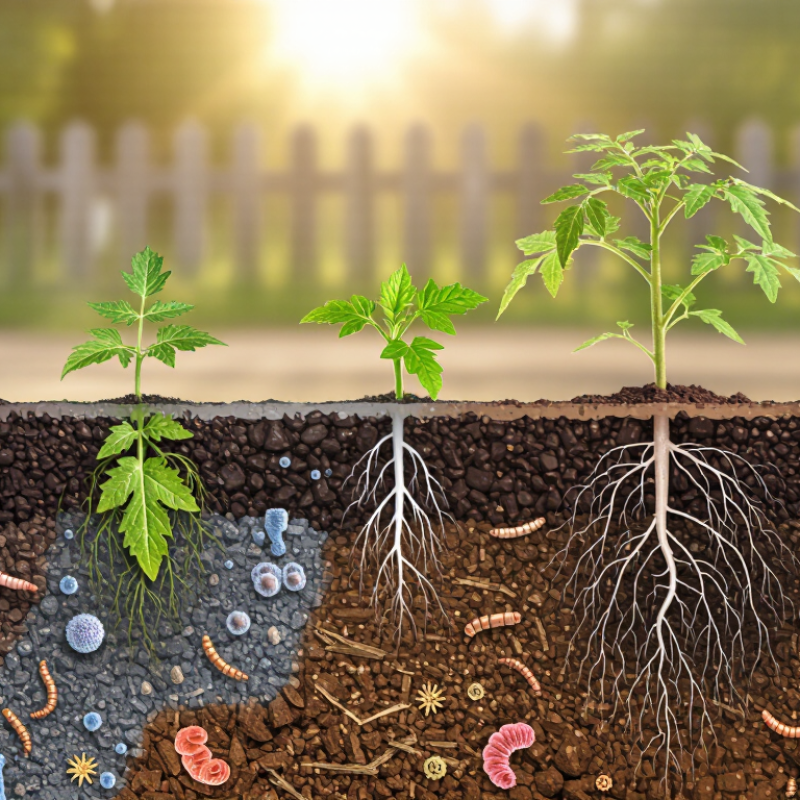
Why Is Organic Fertilizer Slower Than Synthetic? The answer begins with what happens after each product reaches the soil. Synthetic fertilizers often supply nutrients in readily available forms, so plants can absorb them quickly. Organic materials, such as compost, manure, and meal-based fertilizers, usually need soil organisms to break them down first. That process takes time. Sometimes more time than a gardener expects.

Soil microbiologist Dr. Elaine Ingham’s work emphasizes the role of living soil organisms in nutrient cycling. Put simply, microbes help make nutrients in organic matter available to plants. This is a paraphrase of her research, not a direct quotation. The pace depends on temperature, moisture, soil biology, and the material itself. A handful of cool, dry soil will not process compost like warm, moist soil with active microbial life.

That difference matters in a vegetable bed. A tomato seedling showing pale leaves may not respond immediately to compost added yesterday. Organic fertilizer can support longer-term soil health, but it is not always a quick fix. And timing can be tricky. This guide explains seven reasons organic fertilizers may act more slowly, plus practical ways to set realistic expectations. One caveat: “organic” does not mean every product releases nutrients at the same speed. Labels, soil conditions, and plant needs deserve a closer look.
Why Is Organic Fertilizer Slower Than Synthetic 7 Tips?

How Organic and Synthetic Fertilizers Release Nutrients

Organic and synthetic fertilizers release nutrients through different pathways. Organic materials must decompose before plants can use much of their nitrogen. Soil microbes drive this process, and their activity depends on moisture, warmth, oxygen, and the material’s carbon-to-nitrogen ratio. A cool, dry bed may release nutrients very slowly. Synthetic fertilizers usually dissolve quickly after watering, making nutrients available almost immediately. Fast is not always better.

In my vegetable garden, I learned to check the soil before adding anything. A soil test can reveal whether nitrogen, phosphorus, or potassium is actually needed. Choose mature organic compost, because unfinished material may temporarily tie up nitrogen. Keep the soil slightly moist, but never waterlogged. Spread organic fertilizer evenly and mix it shallowly into the soil. Timing matters. Apply it several weeks before heavy plant growth when possible.

Synthetic fertilizer needs a different approach. Use smaller applications and split them during the growing season, especially in sandy soil. Water after application, but avoid flooding, which can move soluble nutrients beyond the roots. Watch leaf color, growth, and root development instead of trusting the bag alone. I once added too much organic fertilizer, expecting faster results, and damaged young plants with excess salts. That mistake changed my routine. Organic release is slower, but it is not perfectly predictable. Temperature, compost quality, and microbial life can shift the schedule. My advice remains practical: test, observe, adjust, and record what happens.

Why Organic Fertilizers Usually Act More Slowly

Why Is Organic Fertilizer Slower Than Synthetic? 7 Tips

Organic fertilizers usually act more slowly because soil microbes must break complex materials into plant-available nutrients. Temperature, moisture, oxygen, and carbon-to-nitrogen ratios control that process. Synthetic fertilizers often dissolve quickly, so roots can access nutrients within hours or days. The simple story is incomplete, though. Some organic meals release nutrients fairly quickly, while composted materials may release them over several months.

USDA Natural Resources Conservation Service guidance estimates that only about 10% to 30% of compost nitrogen may become available during the first year. The rate changes with the material and soil conditions. FAO reports also emphasize that manure nutrient content varies widely, making laboratory testing essential. My practical advice is simple: test the soil, check the label analysis, incorporate mature compost, apply before crop demand, maintain steady moisture, protect microbial activity, and avoid treating organic fertilizer like instant plant food. Small details matter.

A weak point remains. Release estimates are not guarantees. A cool spring can delay mineralization, while heavy rain can move soluble nutrients away. I have seen healthy soil respond slowly, then accelerate after warmer weather arrives. That delay can frustrate growers. It can also reduce waste when applications match real crop demand. Soil testing and repeated observation provide better decisions than a single calendar date.

Why Is Organic Fertilizer Slower Than Synthetic? 7 Tips on Why Organic Fertilizers Usually Act More Slowly
Tip Key Factor Organic Fertilizer Synthetic Fertilizer Practical Guidance
1 Nutrient form A substantial share of nitrogen is contained in organic compounds. Soil organisms must break these compounds down before plants can absorb the nitrogen as ammonium or nitrate. Many products provide nitrogen directly as nitrate, ammonium, or urea. Nitrate and ammonium are immediately available, while urea must first be converted in the soil. Read the guaranteed analysis and identify how much nitrogen is water-soluble, slow-release, or dependent on biological breakdown.
2 Microbial decomposition Release depends on bacteria, fungi, moisture, oxygen, temperature, and the carbon-to-nitrogen ratio of the material. Release generally depends less on decomposition because the nutrient salts or soluble compounds are already chemically available. Apply organic materials to biologically active soil rather than expecting the same response from cold, dry, compacted, or waterlogged soil.
3 Temperature Decomposition and mineralization usually slow substantially in cool soil. Biological activity commonly increases as soil temperature rises within a suitable range. Dissolution can occur across a wider range of temperatures, although plant uptake and soil reactions still slow in cold conditions. For early-season crops, apply organic fertilizer before peak demand or combine it with a carefully calculated readily available nitrogen source.
4 Nutrient concentration Many composts and manures contain relatively low nutrient concentrations and release only part of their total nitrogen during the first growing season. Concentrated formulations can supply a larger nutrient amount in a smaller mass, making rate calculations and rapid correction easier. Base application rates on a soil test and the fertilizer’s nutrient analysis, not on volume alone. Avoid overapplying phosphorus from repeated manure applications.
5 Carbon-to-nitrogen ratio High-carbon materials, such as straw or coarse wood residues, may temporarily tie up available nitrogen while microbes decompose them. Most synthetic fertilizers do not add large amounts of decomposable carbon, so short-term nitrogen immobilization is less likely. Use well-composted materials or balance high-carbon amendments with an appropriate nitrogen source. Do not mix fresh woody residues into the root zone immediately before planting.
6 Moisture and placement Dry conditions limit microbial activity, while excessive water can reduce oxygen and slow aerobic decomposition. Nutrients also need to move into the soil solution. Granules generally need sufficient moisture to dissolve, but nutrient release is often more predictable after dissolution. Incorporate suitable organic amendments into the root zone and maintain consistent soil moisture without creating prolonged saturation.
7 Release pattern and crop timing Nutrient release is often gradual and variable. This can reduce leaching risk but may not match a crop’s short, high-demand period. Nutrients can become available quickly, allowing faster correction of a documented deficiency but increasing the risk of leaching, runoff, or salt injury if misapplied. Use organic fertilizer as part of a long-term soil-fertility plan. For immediate deficiencies, confirm the diagnosis and use a precise, soil-test-based supplemental application.

Soil Conditions That Affect Organic Nutrient Release

Why Is Organic Fertilizer Slower Than Synthetic? 7 Tips

Organic fertilizer releases nutrients through microbial activity, not immediate dissolution. Soil temperature, moisture, oxygen, and pH control that activity.

Tip 1: Test the soil before applying.

Tip 2: Apply during active growing conditions. Microbes work slowly in cold soil. Below about 10°C, nutrient release may become noticeably limited.

Tip 3: Avoid waterlogged beds. Saturated soil reduces oxygen and can suppress decomposition.

Tip 4: Improve drainage with compost and suitable physical amendments. USDA NRCS reports that soil organic matter can hold nearly 20 times its weight in water, but excess moisture still creates problems.

Tip 5: Check the fertilizer’s carbon-to-nitrogen balance. High-carbon materials may temporarily tie up available nitrogen.

Tip 6: Maintain a soil pH suited to the crop. Many vegetables perform best near pH 6.0 to 7.0, where microbial processes remain active.

Tip 7: Split applications instead of burying one large dose. Small additions match plant demand better.

The FAO’s Status of the World’s Soil Resources identifies organic matter loss as a major threat to soil function. That matters here. Healthy soil usually releases nutrients more steadily. Poor soil may release them unpredictably.

In my own planting trials, damp compost warmed faster under mulch, but the release was still uneven. I expected perfection. That was unrealistic. Nutrient labels cannot explain every raised bed, especially when compaction, drought, or low biological activity is involved.

How to Help Organic Fertilizers Work More Effectively

Organic fertilizer often works slowly because soil organisms must break complex materials into plant-available nutrients. Temperature, moisture, soil biology, and fertilizer maturity all affect this process. In my garden, a cool spring delayed visible growth by nearly two weeks. I first blamed the fertilizer, but the soil was simply too cold.

A soil test can reveal whether nitrogen, phosphorus, or potassium is actually needed. Use well-matured compost to reduce odor and avoid sudden nutrient shortages. Apply organic fertilizer near the active root zone, then water it into the soil. Keep moisture steady, because dry soil slows microbial activity. A thin mulch layer can protect moisture and moderate temperature. Split the recommended amount into two or three applications instead of using it all at once. Choose a faster organic source when plants need early-season support, but check its nutrient analysis carefully. Not every natural product has the same strength.

Watch the plants, not only the calendar. Pale older leaves may suggest nitrogen shortage, while weak growth can have other causes. Record application dates, weather, and plant response. This makes adjustments more evidence-based. I once added extra fertilizer after seeing slow growth, and the plants developed excessive leaves with few flowers. More was not better. Organic feeding rewards patience, but patience without observation can become guesswork.

Seven Ways to Plan Around Slower Nutrient Availability

Organic fertilizer can act more slowly than synthetic fertilizer because microbes must release many nutrients from organic matter. Temperature, moisture, oxygen, and soil biology control that process. Cold spring soil can delay availability, even when the fertilizer looks rich on paper.

Seven planning habits can reduce the timing gap.

  • Apply compost several weeks before heavy plant growth.
  • Use a soil test before adding more nutrients.
  • Choose mature material with a mild, earthy smell.
  • Split applications instead of using one large dose.
  • Mix fertilizer into the root zone without damaging roots.
  • Maintain steady moisture, because dry soil slows microbial activity.
  • Watch leaf color and growth each week, then adjust carefully.

Do not trust appearance alone. A dark material may still be immature. I once treated a calendar date as proof that nutrients were available; the plants disagreed. That mistake matters. Weather can change the schedule by several weeks. Keep simple records of application dates, rainfall, soil temperature, and plant response. A small control area without extra fertilizer can reveal whether growth improved. Avoid adding more simply because results look slow. Excess nutrients can move beyond the root zone or create nutrient imbalances. Organic sources also vary widely, so label analysis and laboratory testing deserve attention.

FAQS

Why does organic fertilizer usually work more slowly than synthetic fertilizer?

Soil microbes must break complex materials into nutrients roots can use. Synthetic products often dissolve within hours or days. Microbes need time.

How much compost nitrogen becomes available during the first year?

Often, only about 10% to 30% becomes available. The percentage changes with the material and soil conditions.

Which soil conditions speed up nutrient release?

Warm, moist, oxygen-rich soil supports microbial activity. Nutrient release often improves above about 10°C. Cold soil slows the process.

Can excess water delay organic fertilizer?

Yes. Waterlogged soil loses oxygen and can suppress decomposition. Heavy rain may also move soluble nutrients away.

Should I test the soil before applying organic fertilizer?

Yes. Testing shows existing nutrient levels and pH. It prevents guessing. One calendar date cannot fit every garden.

How does soil pH affect organic nutrient release?

Many vegetables perform well near pH 6.0 to 7.0. Unbalanced pH can reduce microbial activity and nutrient availability.

Does the carbon-to-nitrogen ratio matter?

Yes. High-carbon materials may temporarily tie up available nitrogen. Leaves, straw, and woody materials can cause this effect.

How should organic fertilizer be applied?

Use smaller split applications instead of one large dose. Apply before crop demand increases. Mix mature compost into the soil.

Can organic fertilizer release nutrients unevenly?

Yes. Compaction, drought, cold weather, and weak biological activity can create delays. Healthy soil usually releases nutrients more steadily.

Is slow nutrient release always a disadvantage?

Not always. Matching applications with crop demand can reduce waste. Still, waiting is frustrating. I expected perfect timing, but that was unrealistic.

Conclusion

Why is organic fertilizer slower than synthetic? The main reason is how nutrients are released. Synthetic fertilizers usually provide nutrients in forms that dissolve quickly in water, while organic fertilizers depend on soil organisms to break down natural materials before plants can absorb them. This gradual process supports steadier nutrition and may improve soil structure, but its speed depends on moisture, temperature, oxygen, microbial activity, and soil pH.

The article explains how to make organic fertilizers work more effectively by applying them in advance, mixing them into the soil when appropriate, maintaining consistent moisture, and supporting healthy microbial activity with compost and organic matter. It also recommends testing the soil, selecting materials that match crop needs, applying nutrients in smaller planned amounts, and adjusting timing according to weather and plant growth. These seven practical strategies help gardeners plan around slower nutrient availability while encouraging long-term soil health and dependable plant development.

Amelia

Amelia

Amelia is a seasoned marketing professional with a wealth of expertise in our company’s core offerings. With an unwavering passion for driving growth and innovation, she plays a pivotal role in shaping our marketing strategies and enhancing brand visibility. A key aspect of her responsibilities......