Zhengzhou Treo Nutrition Co., Ltd., with over 20 years of industry experience, is committed to delivering innovative, efficient, and sustainable nutrition solutions for both animal husbandry and modern agriculture. Leveraging deep technical expertise and continuous research, the company has established a strong foundation in the field of animal nutrition. We specialize in high-quality feed ingredients and additives such as Corn Gluten Meal 60%, Mycoprotein 70%, and Rice Protein Powder 70%, which are widely recognized for their stable quality, high nutritional value, and cost-effectiveness. Through scientific formulation and strict quality control, we help customers improve feed efficiency, animal health, and overall productivity.
In response to the increasing global demand for sustainable agricultural practices, Treo Nutrition has strategically expanded its business scope into crop nutrition and soil health management. Our diversified product portfolio now includes CSL Powder 42%, Organic NPK Fertilizers, soil conditioners, and tailor-made nutrient solutions. These products are designed to enhance soil structure, increase nutrient availability, boost crop resilience, and ultimately improve yield and quality, while reducing environmental impact.
To better serve international markets, the company operates offices in Zhengzhou and Hong Kong, supported by multiple modern production facilities located in Shandong, Hebei, and Jiangsu. With a well-integrated supply chain and advanced manufacturing processes, we ensure consistent product quality, reliable supply, competitive pricing, and timely global delivery. Our logistics and service teams work closely with partners worldwide to provide flexible and customized solutions.
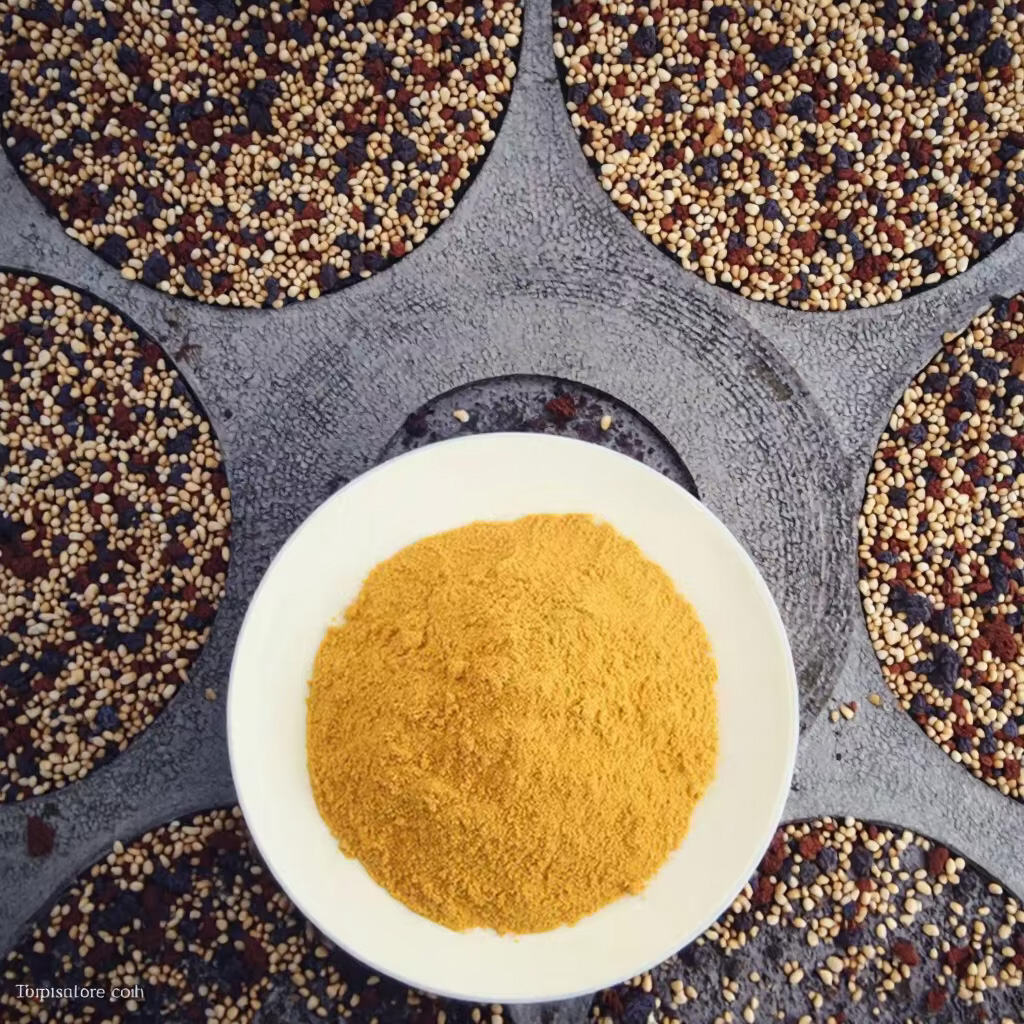
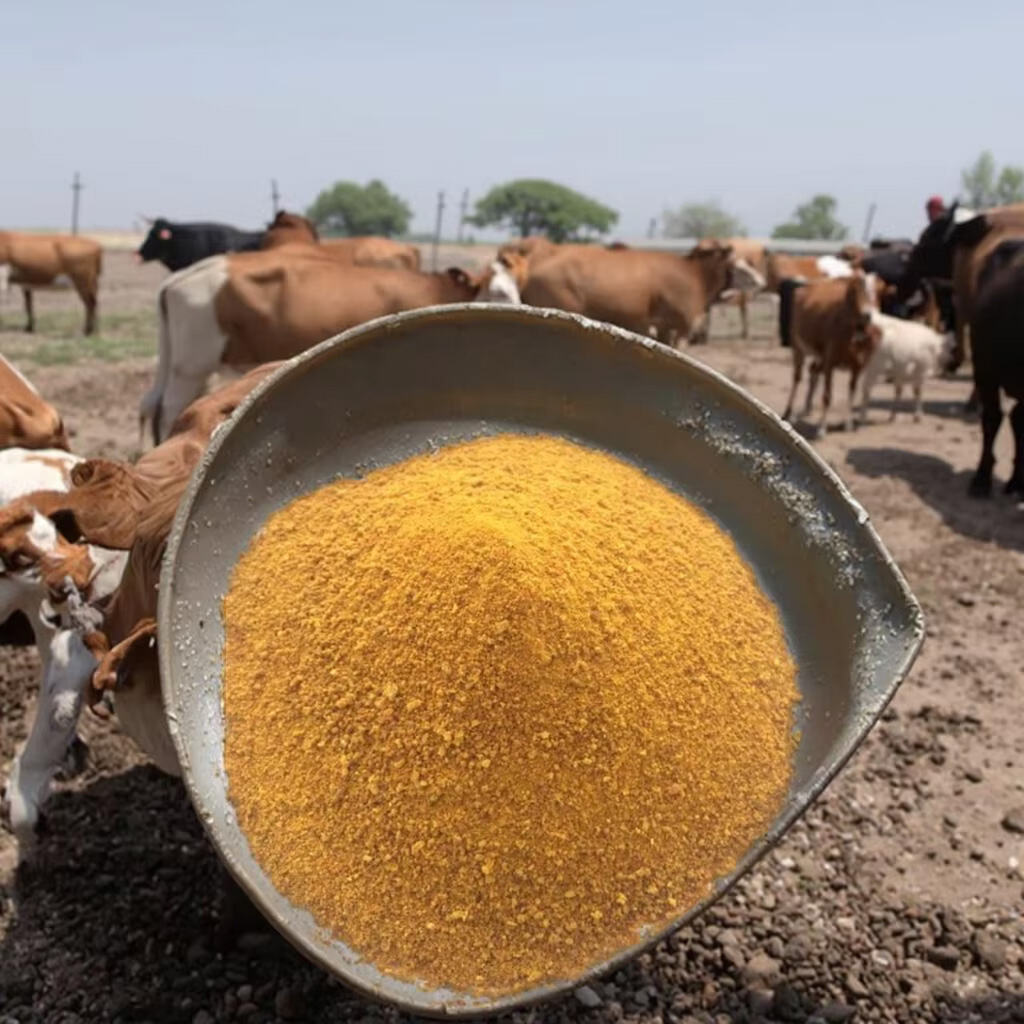
Agricultural paradigms are shifting rapidly. With the global population projected to reach 9.7 billion by 2050, modern intensive farming must balance double-digit yield increases with zero ecological degradation. Conventional nitrogen fertilizers—such as standard urea or ammonium nitrate—exhibit extremely low Nitrogen Use Efficiency (NUE), often losing up to 50% to 70% of applied nutrients via ammonia volatilization, nitrate leaching, and nitrous oxide emissions. This ecological waste has triggered stringent regulations worldwide, most notably the European Union's 2019/1009 Regulation (CE Marking) for Fertilizing Products.
Under current CE compliance mandates, biological and chemical fertilizer safety is tightly scrutinized. Governments are subsidizing transitions to slow-release and controlled-release mechanisms. This regulatory push has elevated EEFs from niche premium inputs to mainstream requirements.
Industrialized cropping systems face depleted soils and critical moisture constraints. By regulating osmotic release profiles, CE-marked EEFs deliver precise nutritional pulses synchronized with the plant’s biological growth curves, preserving microbial soil balances.
Integrating advanced additives like Urea Formaldehyde (MU/UF) lowers global application frequency, directly reducing agricultural labor overheads, transport diesel emissions, and total raw material energy inputs.
Enhanced Efficiency Fertilizers operate on distinct physical and chemical pathways. Understanding these mechanics is vital for commercial agronomists and distributors selecting products for diverse soil systems.
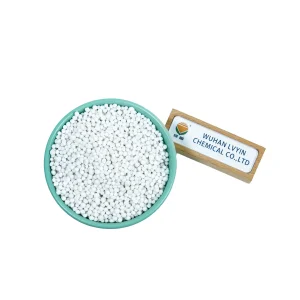
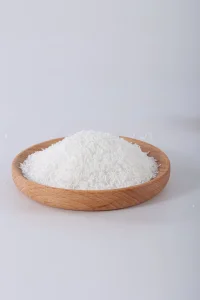
Synthesized via the acid-catalyzed condensation of urea with formaldehyde, products like Urea Formaldehyde MU28-0-0 PRO and Methylene Urea UF38% are comprised of polymer chains of varying molecular weights. The release of nitrogen is not merely dependent on water solubility, but on the enzymatic breakdown by native soil microorganisms. Short-chain polymers dissolve rapidly for initial establishment, while long-chain fractions sustain soil fertility for up to 120 days, avoiding the salinity spikes common with traditional urea.
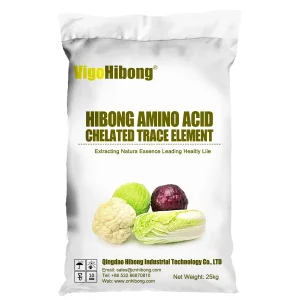
Micronutrients, when applied as simple inorganic salts, quickly become locked in alkaline or acidic soils, rendering them unavailable. Our EDTA 4na and Amino Acid Chelated Molybdenum neutralize soil-binding charges. The organic ligands coat the metal ions, permitting direct assimilation through the leaf cuticle or root system without chemical interference.
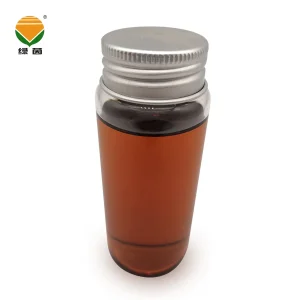
Integrating raw materials like CSL Powder 42% (Corn Steep Liquor) and organic protein components provides a rich carbon source. These biological stimulants trigger beneficial mycorrhizal colonization, amplifying the root surface area and working synergistically with chemical nitrogen inhibitors to increase nutrient capture.
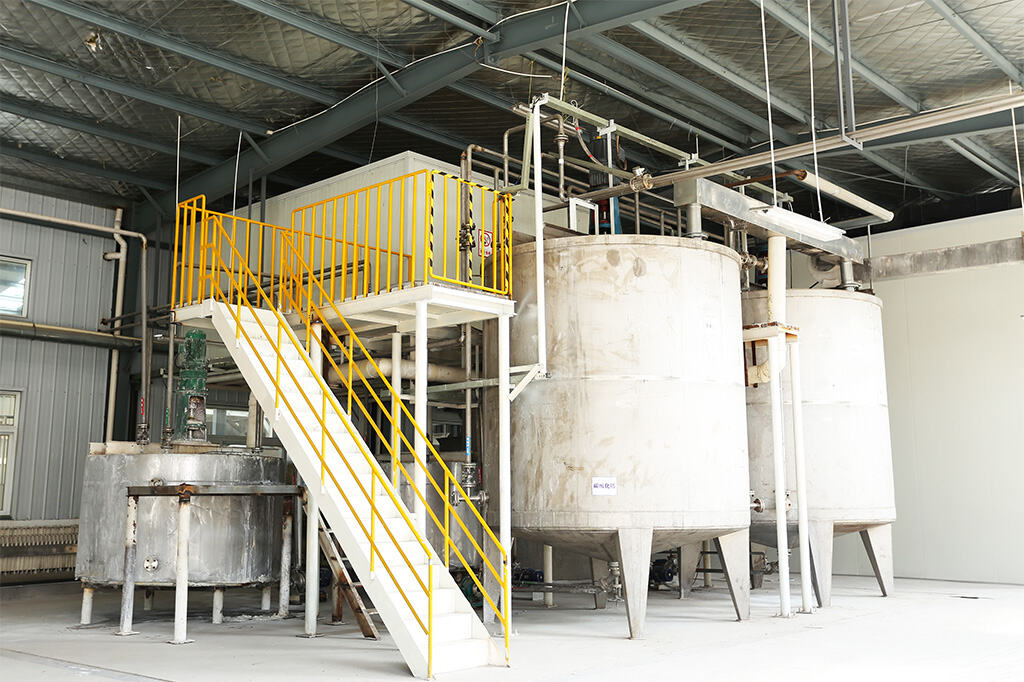
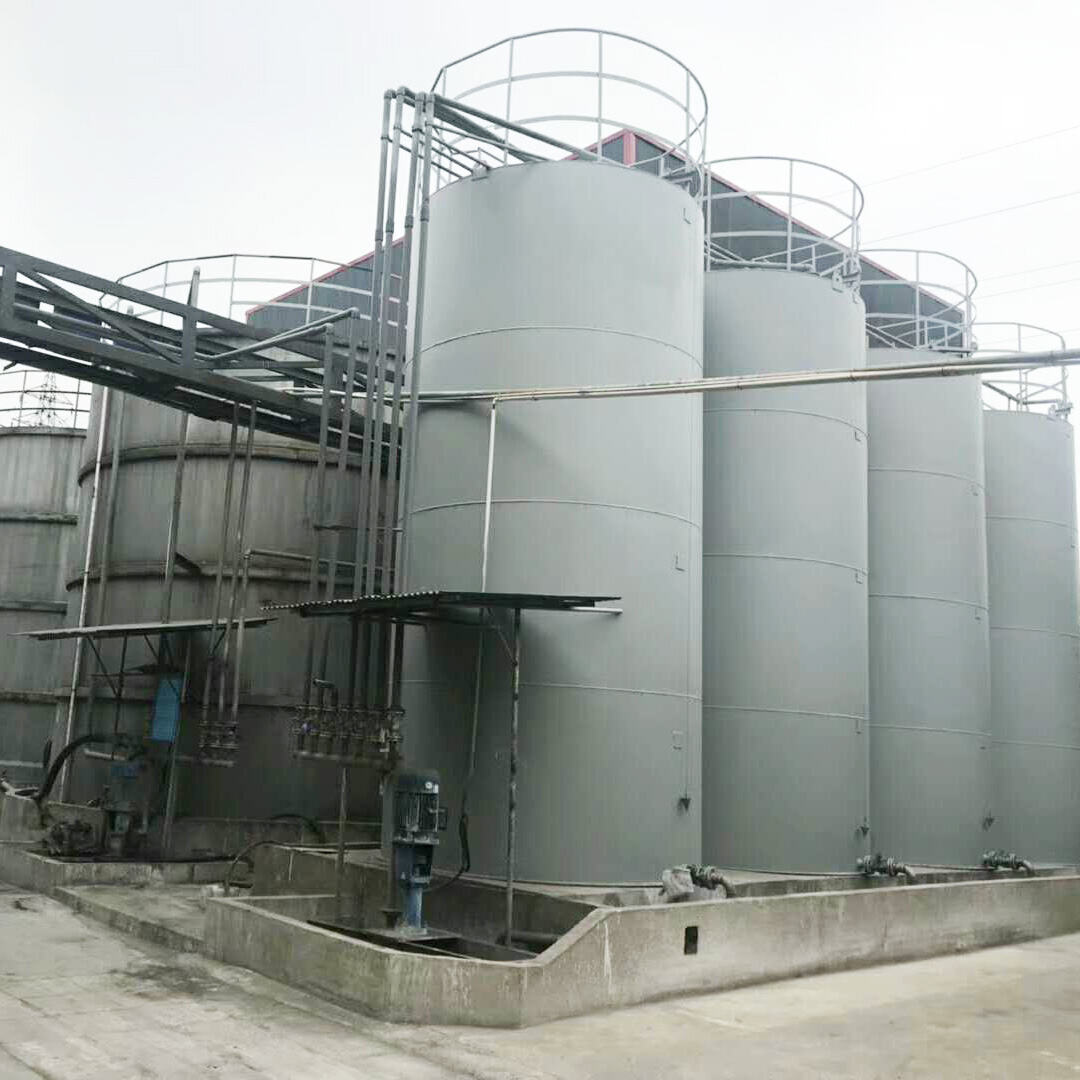
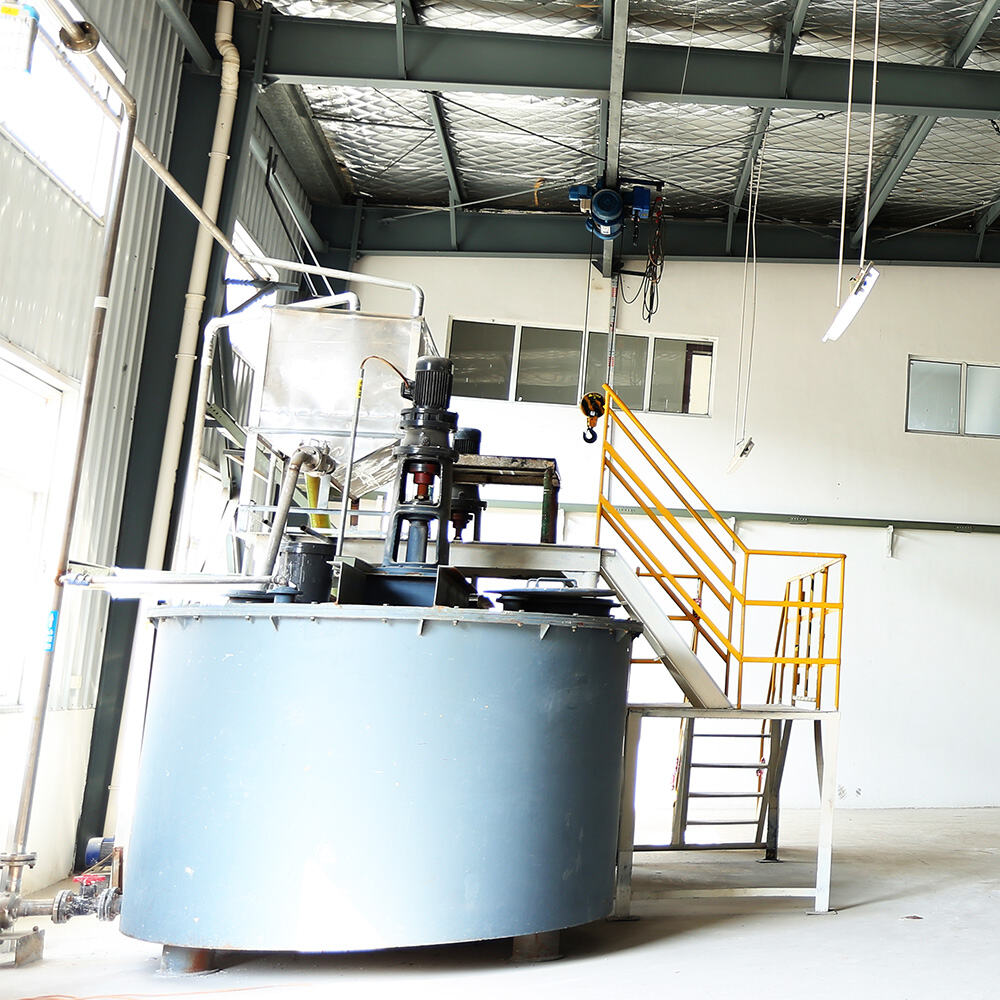
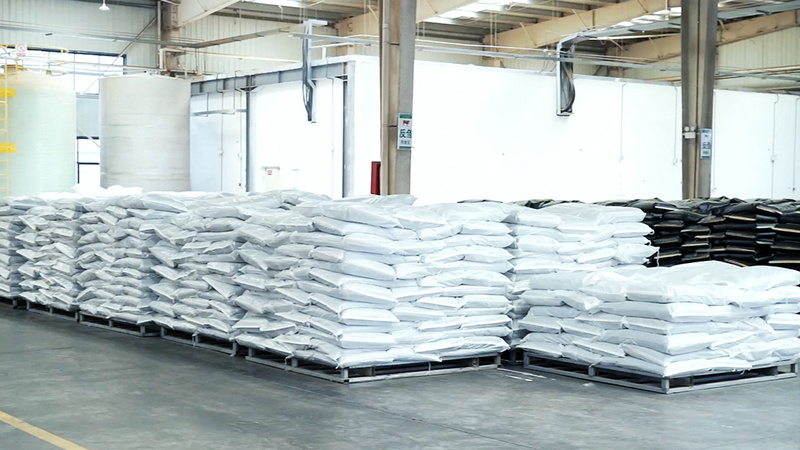
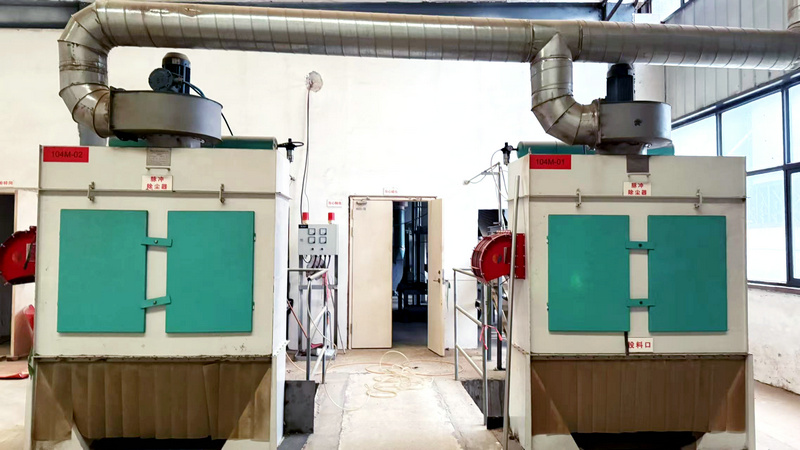
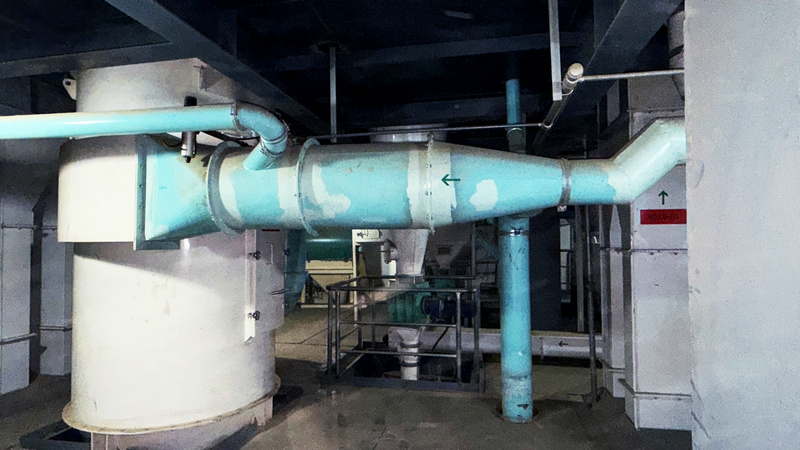
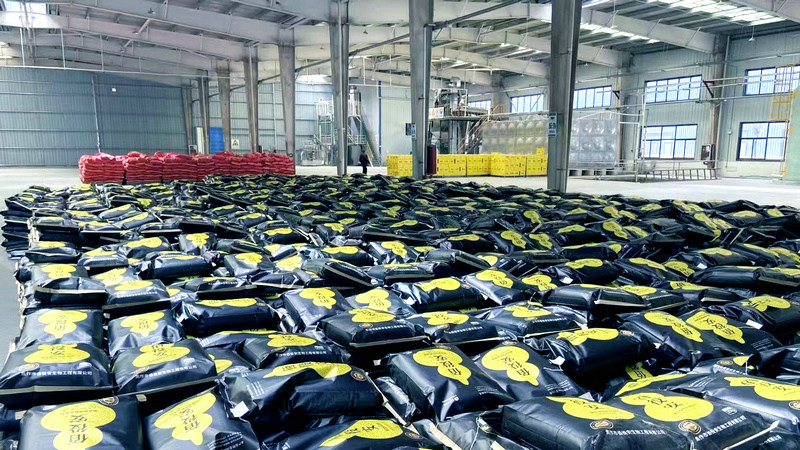
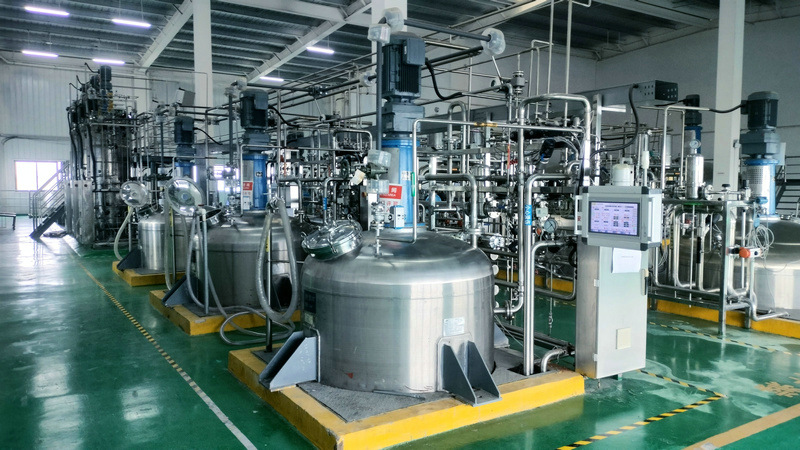
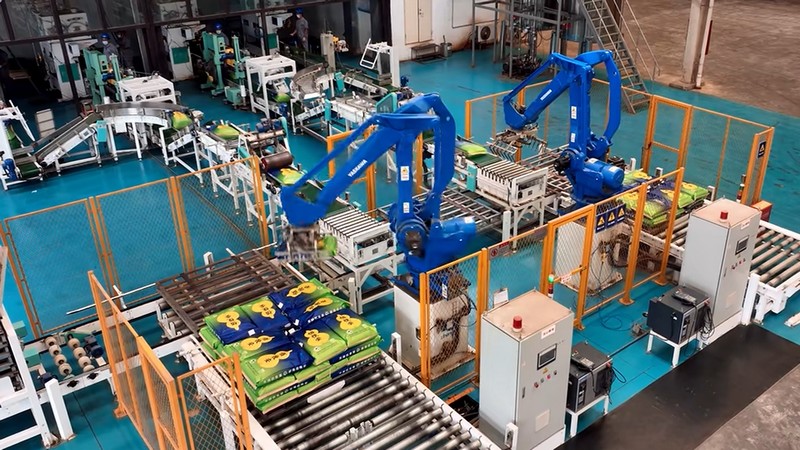
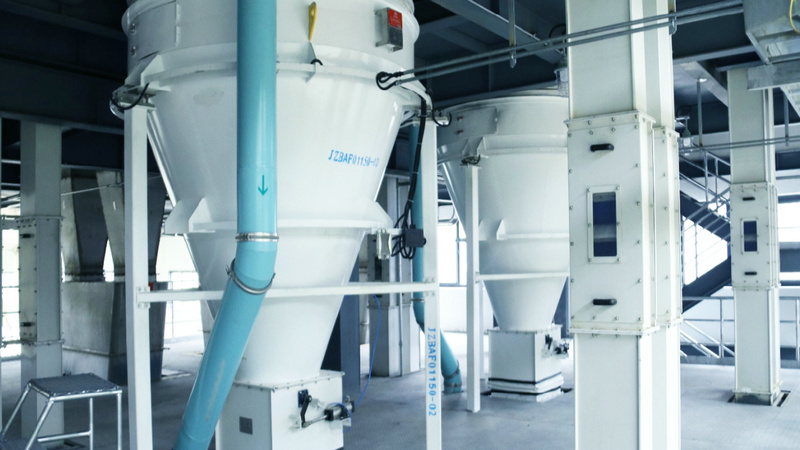
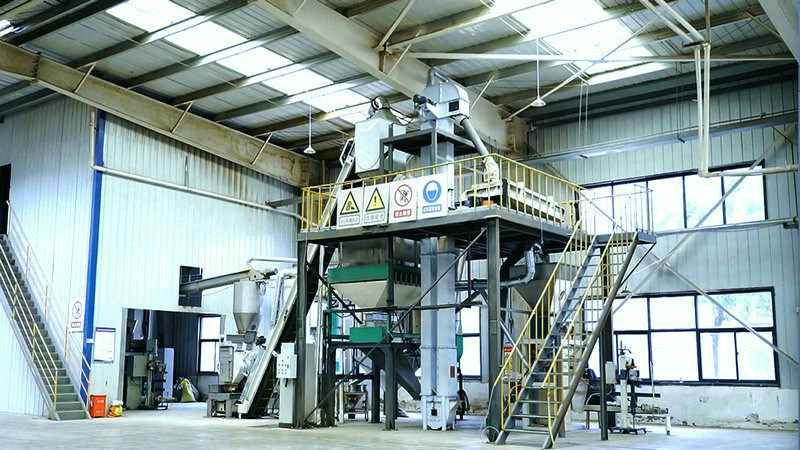
Treo Nutrition's factory production lines utilize closed-loop, automated processes to satisfy the strict environmental and chemical consistency guidelines mandated by CE standards. By operating three specialized manufacturing facilities across Shandong, Hebei, and Jiangsu, we manage every segment of the product lifecycle.
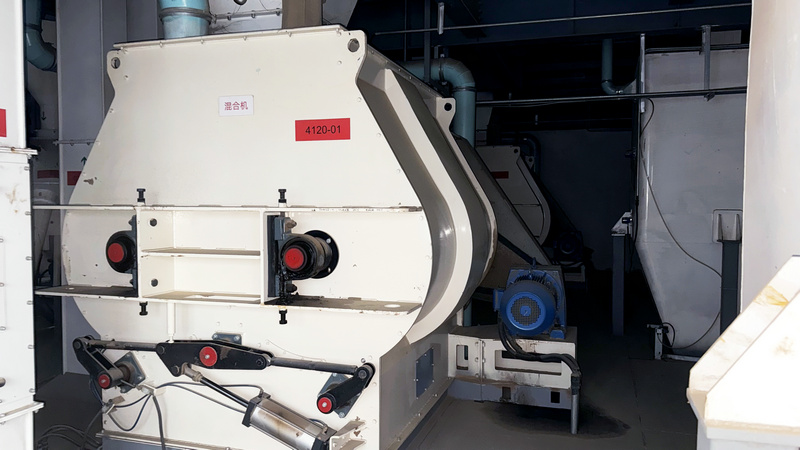
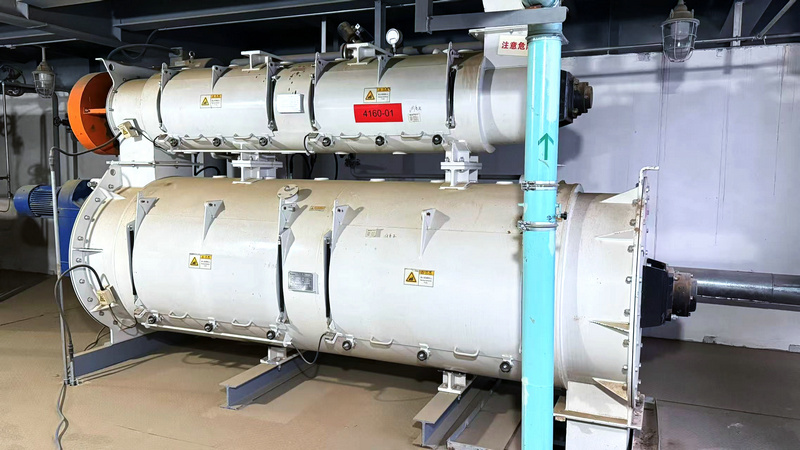
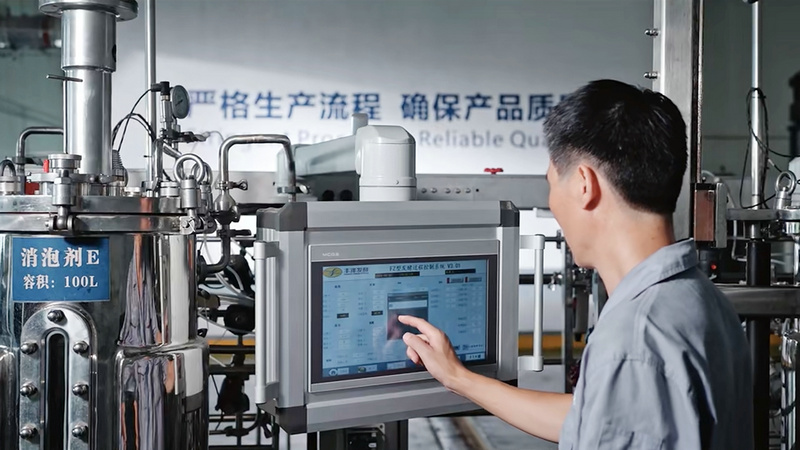
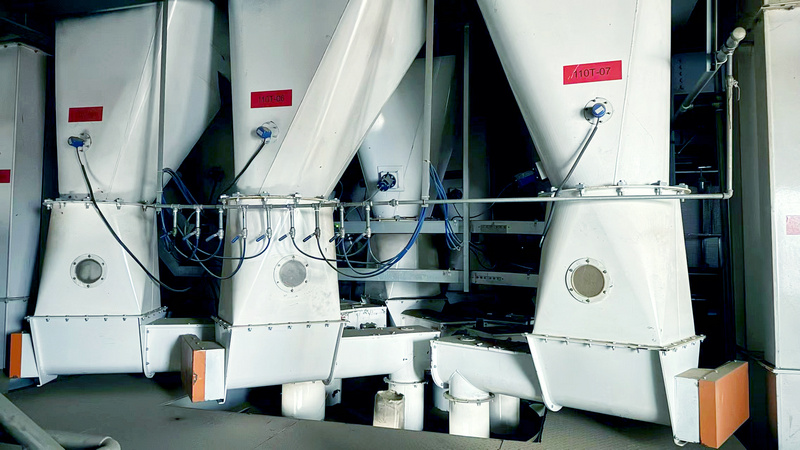


Agricultural conditions differ greatly depending on geography, crop type, and soil profile. Treo Nutrition engineers customized formulas to suit distinct environmental parameters:
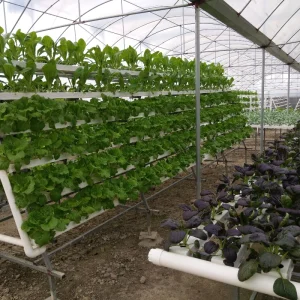
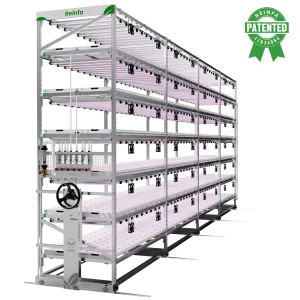
In controlled hydroponic environments (such as Vertical Farming NFT and DWC systems), water-soluble purity is essential. Utilizing highly refined EDTA chelates (EDTA 4na, EDTA 2na) prevents root mineral blockages, stabilizing pH values and optimizing ion exchange across recirculation channels.
Under intensive crop rotations, applying solid slow-release nitrogen (Methylene Urea UF38%) during sowing ensures a baseline supply of nitrogen. This reduces the need for subsequent topdressings, protecting soil structure from heavy wheel compaction.
Foliar nitrogen spraying with liquid MU28 avoids chemical burn on sensitive turf leaves. The sticky nature of Methylene Urea acts as an adhesive, extending absorption windows and enhancing foliar Nitrogen Use Efficiency (NUE).

 Treo Nutrition