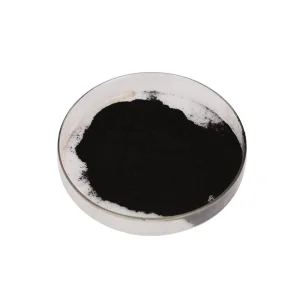
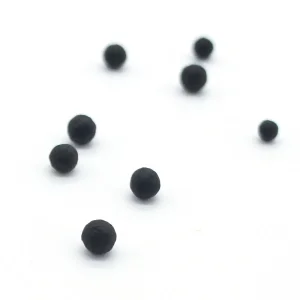
Engineered humic matrices and biological conditioners optimized to rebuild soil organic carbon (SOC) and enhance cation exchange capacity in heavy-weathered tropical soils.
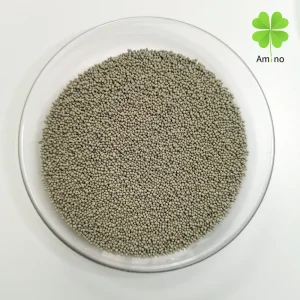
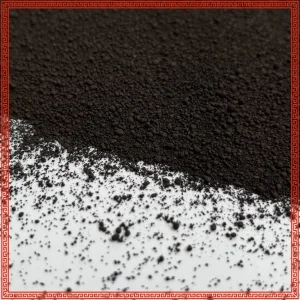

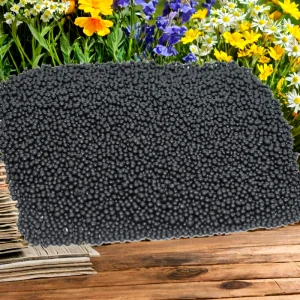
The Democratic Republic of the Congo (DR Congo) possesses vast agricultural potential, with over 80 million hectares of arable land. However, only a fraction is cultivated productively. The primary systemic barrier to optimizing yields in provinces such as Kwilu, Kongo Central, and the Kivu region is severe soil degradation, nutrient leaching, and acidification. Driven by high annual rainfall in the equatorial belt, key farming soils (mainly Oxisols and Ultisols) suffer from rapid organic matter decomposition and depleted Cation Exchange Capacity (CEC).
Furthermore, the intensive mining activity in the southern Katanga region and Kolwezi has introduced severe soil compaction and heavy metal contamination challenges. The utilization of standard synthetic nitrogen-phosphorus-potassium (NPK) fertilizers has accelerated soil acidification, leading to phosphate fixation where crucial nutrients are chemically locked and unavailable to crop roots. To unlock this agricultural potential, Zhengzhou Treo Nutrition Co., Ltd. offers customized bulk shipments of high-grade organic soil conditioners designed to reintroduce stable humus, activate local microflora, and unlock macro-nutrients from the mineral complex.
Globally, the transition toward regenerative agriculture and soil carbon sequestration has elevated the status of organic soil conditioners from niche organic farming additives to mainstream industrial inputs. As global supply chains face volatile chemical fertilizer costs and stricter environmental mandates, heavy agricultural economies are prioritizing soil health. The market value for humates, fulvates, and seaweed-based soil additives is projected to grow exponentially, reaching over USD 4.5 billion by 2028.
As a leading exporter from China, Treo Nutrition leverages its integrated production lines in Shandong, Hebei, and Jiangsu to produce soil conditioners that meet these global trends. By incorporating biological extracts, high-purity humic matrices, and water-soluble potassium fulvates, we provide the global market with sustainable alternatives that lower chemical dependencies and mitigate climate risks through carbon-retentive agricultural methods.
Our tailored agricultural formulations are engineered to support the specific soil environments of Central Africa:
The chemical and biological pathways through which Treo Nutrition's products restore damaged soil structures.
Our active humate complexes introduce abundant carboxyl and phenolic hydroxyl functional groups. These groups attract and hold positively charged nutrient ions (K+, Ca2+, Mg2+, NH4+), preventing them from washing away in equatorial rains.
In acidic DR Congo soils, phosphorus is locked by iron and aluminum oxides. Our fulvic acid complexes compete for these binding sites, releasing bound phosphate ions back into the soil solution for root absorption.
By providing a carbon-rich food source alongside seaweed-derived polysaccharides, we trigger rapid multiplication of beneficial soil bacteria, including mycorrhizae and nitrogen-fixing strains.
With over 20 years of expertise in biological nutrition, Zhengzhou Treo Nutrition Co., Ltd. manages modern manufacturing centers across Shandong, Hebei, and Jiangsu provinces. We ensure seamless global delivery through mature supply chains, direct shipments via Qingdao or Tianjin ports, and optimized logistics to African hubs, including the Port of Matadi (DR Congo) and eastern transit corridors via Dar es Salaam and Mombasa.
Our production protocols are backed by strict quality assurance systems, ensuring that our products retain their bio-activity throughout long transit periods under variable temperature and humidity conditions. We deliver standardized, bulk agricultural formulations designed to perform reliably in sub-Saharan climates.
Our manufacturing workflow is highly structured and clean, ensuring that the raw active compounds are refined and pelletized without degrading their molecular structure. Below is an overview of our advanced production pipeline:
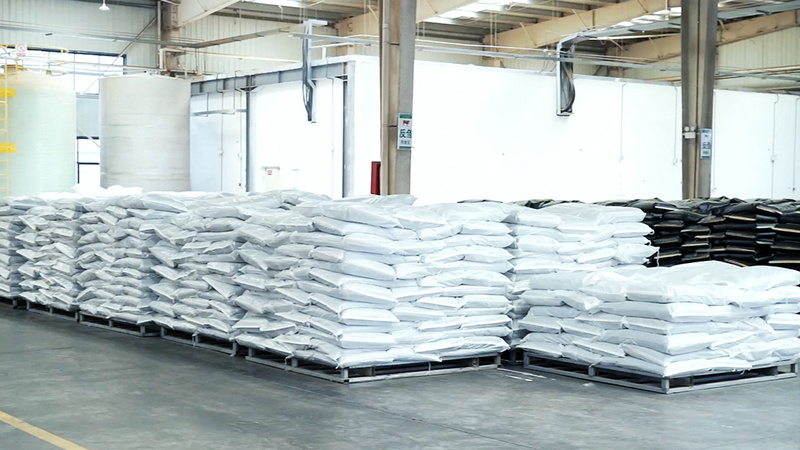
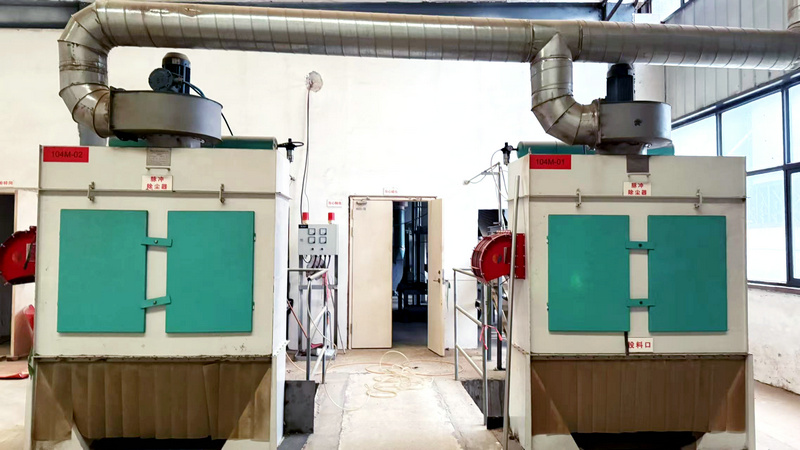
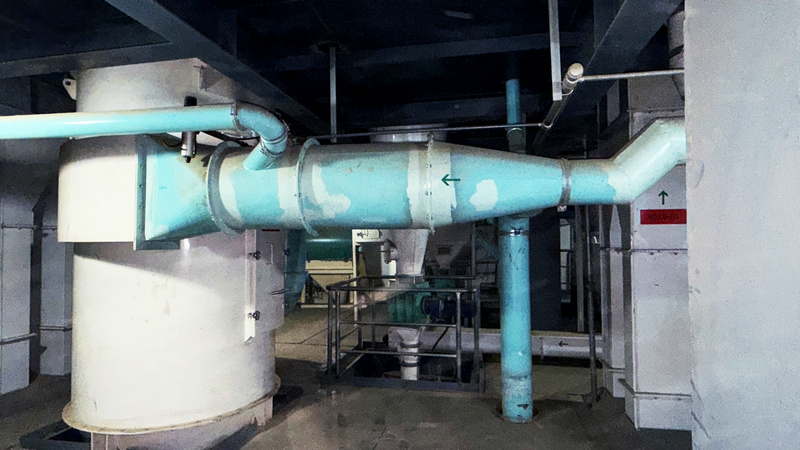
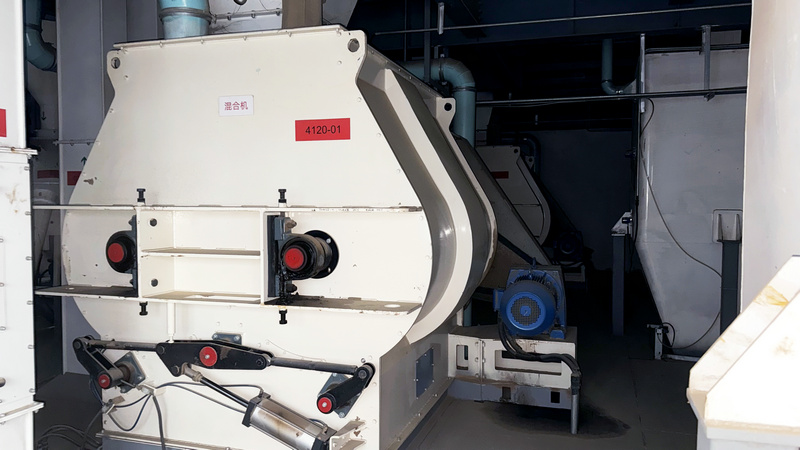
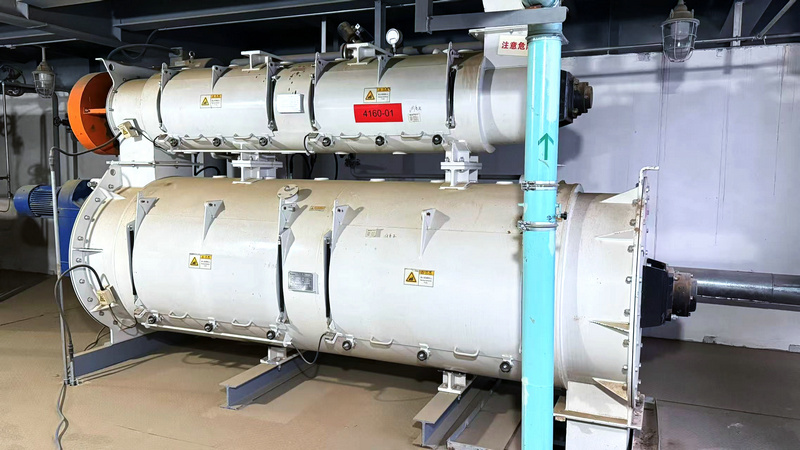
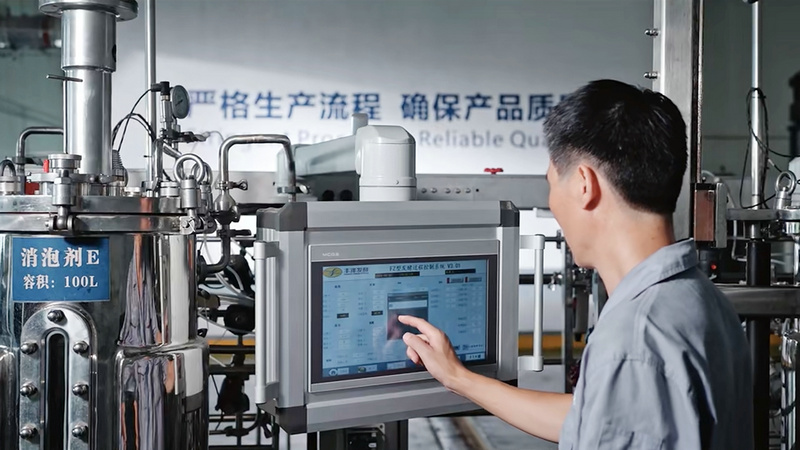
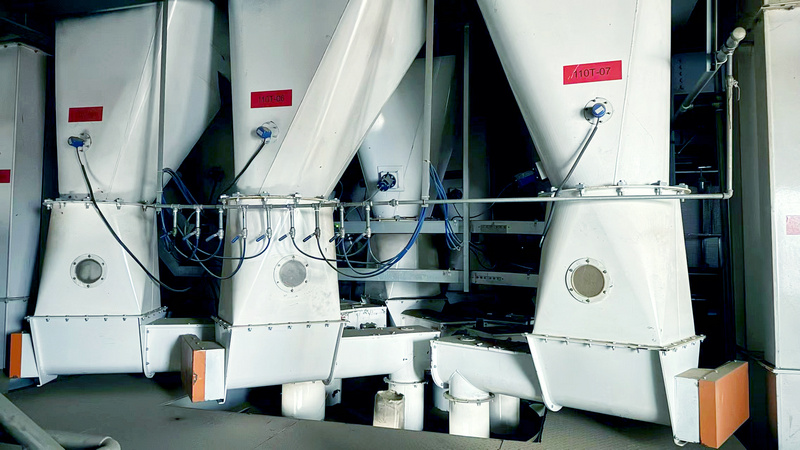

Furthermore, our infrastructure includes heavy equipment optimized for agricultural chemistry processing:
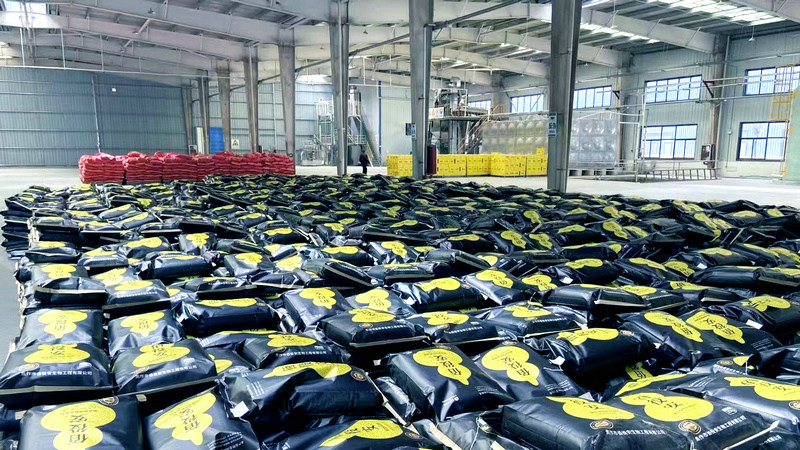
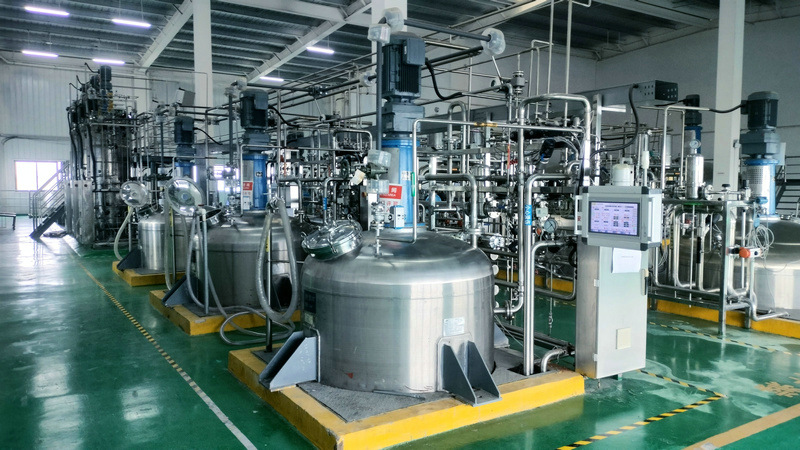
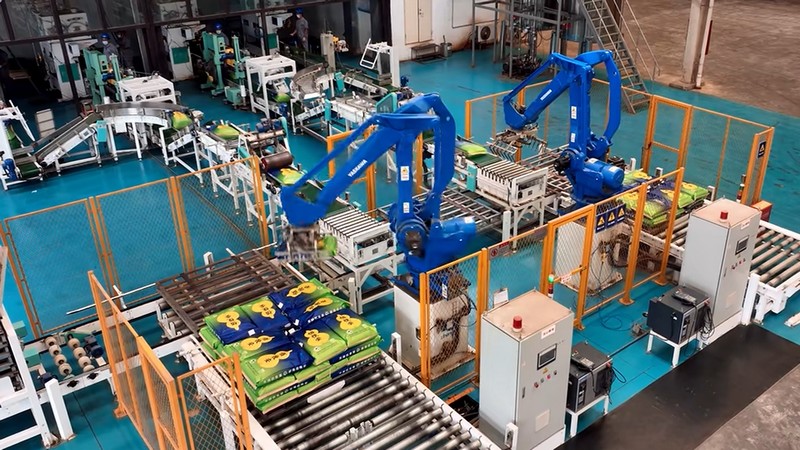

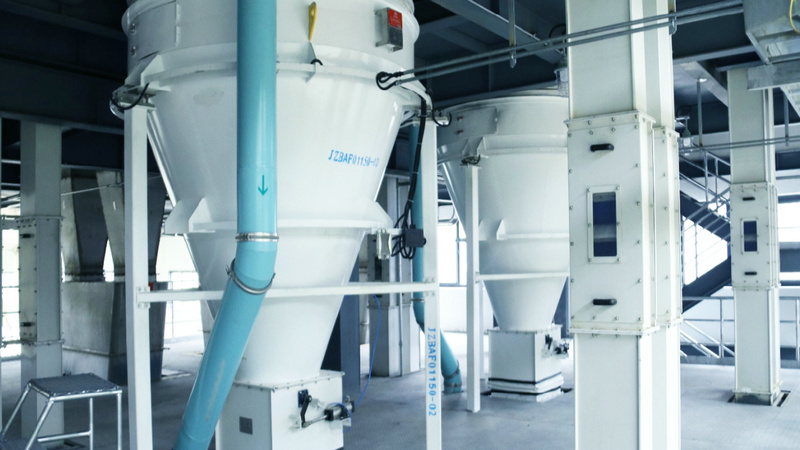
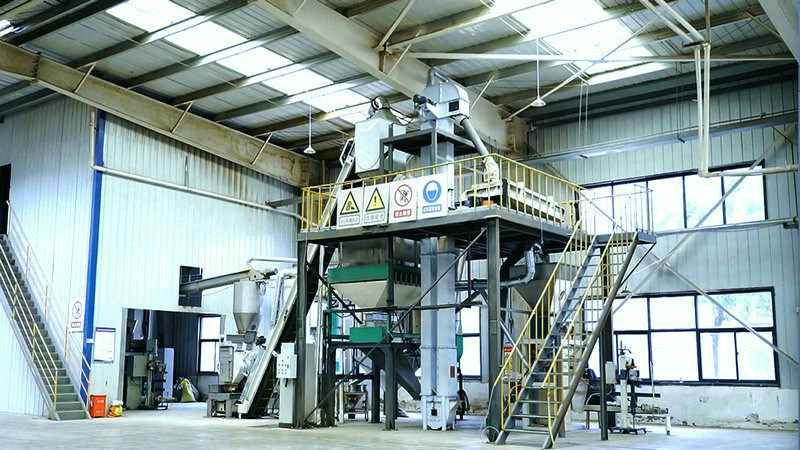
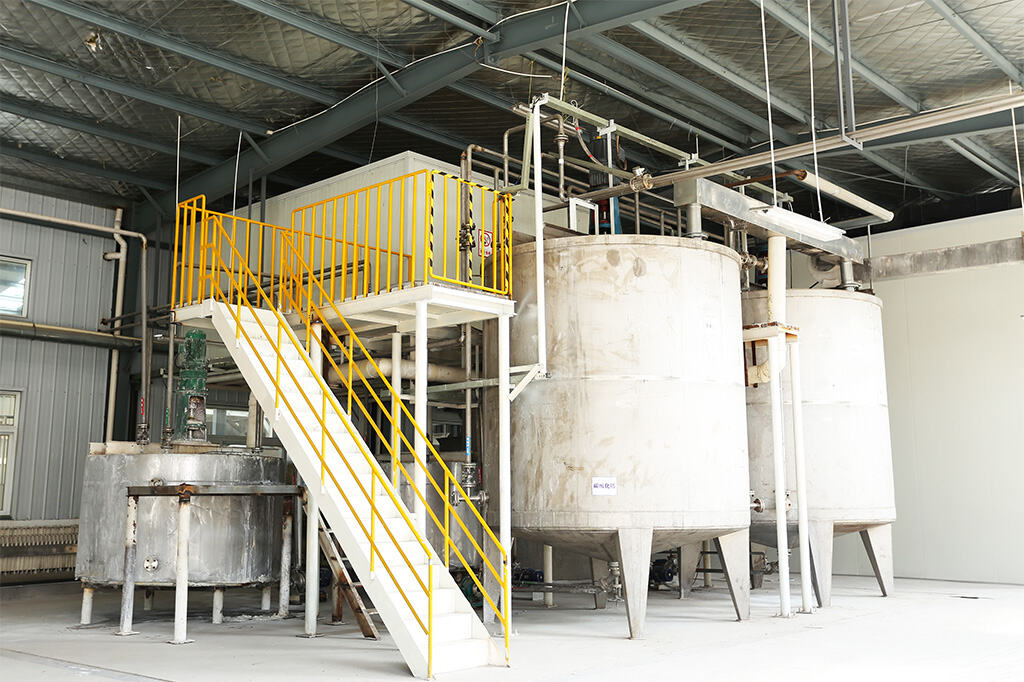
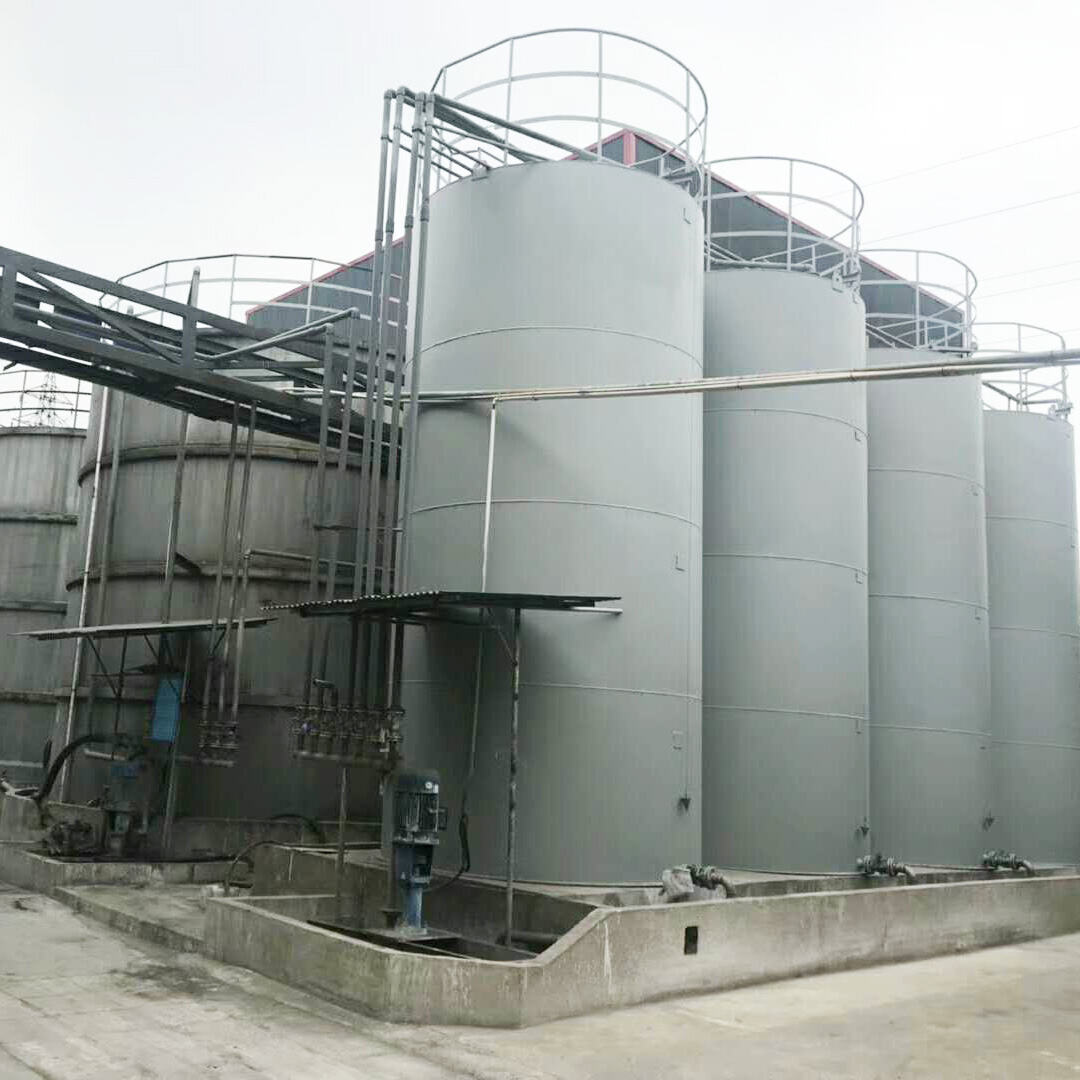
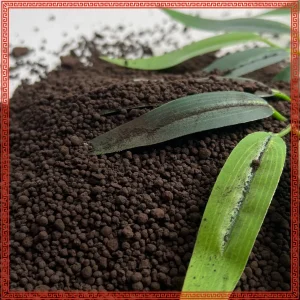
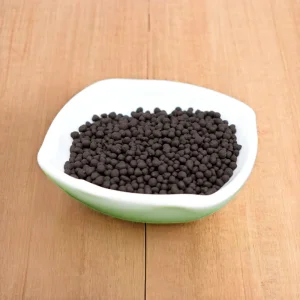
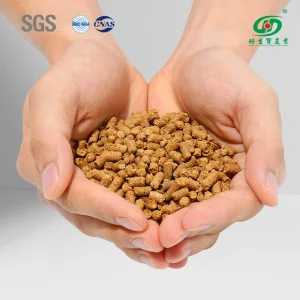
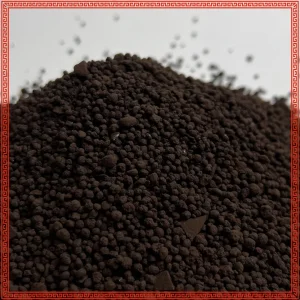
Our diverse range of high-efficiency humic acids, fulvic minerals, seaweed extracts, and biological soil reconstruction agents.
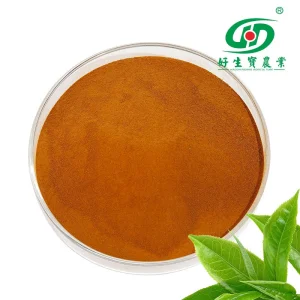
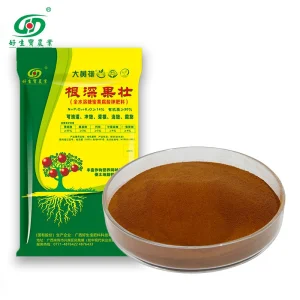
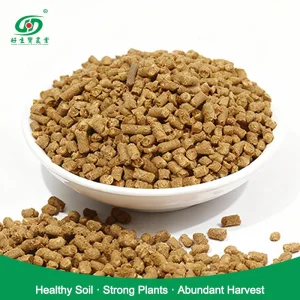

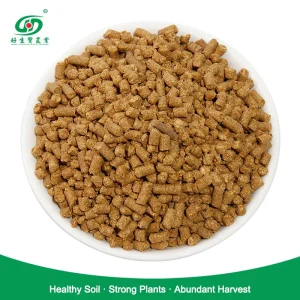
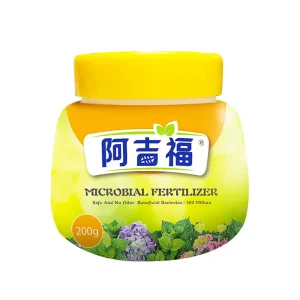
Get professional advice on logistics, application protocols, and product formulations tailored for the sub-Saharan agricultural corridor.
 Treo Nutrition