Treo Nutrition
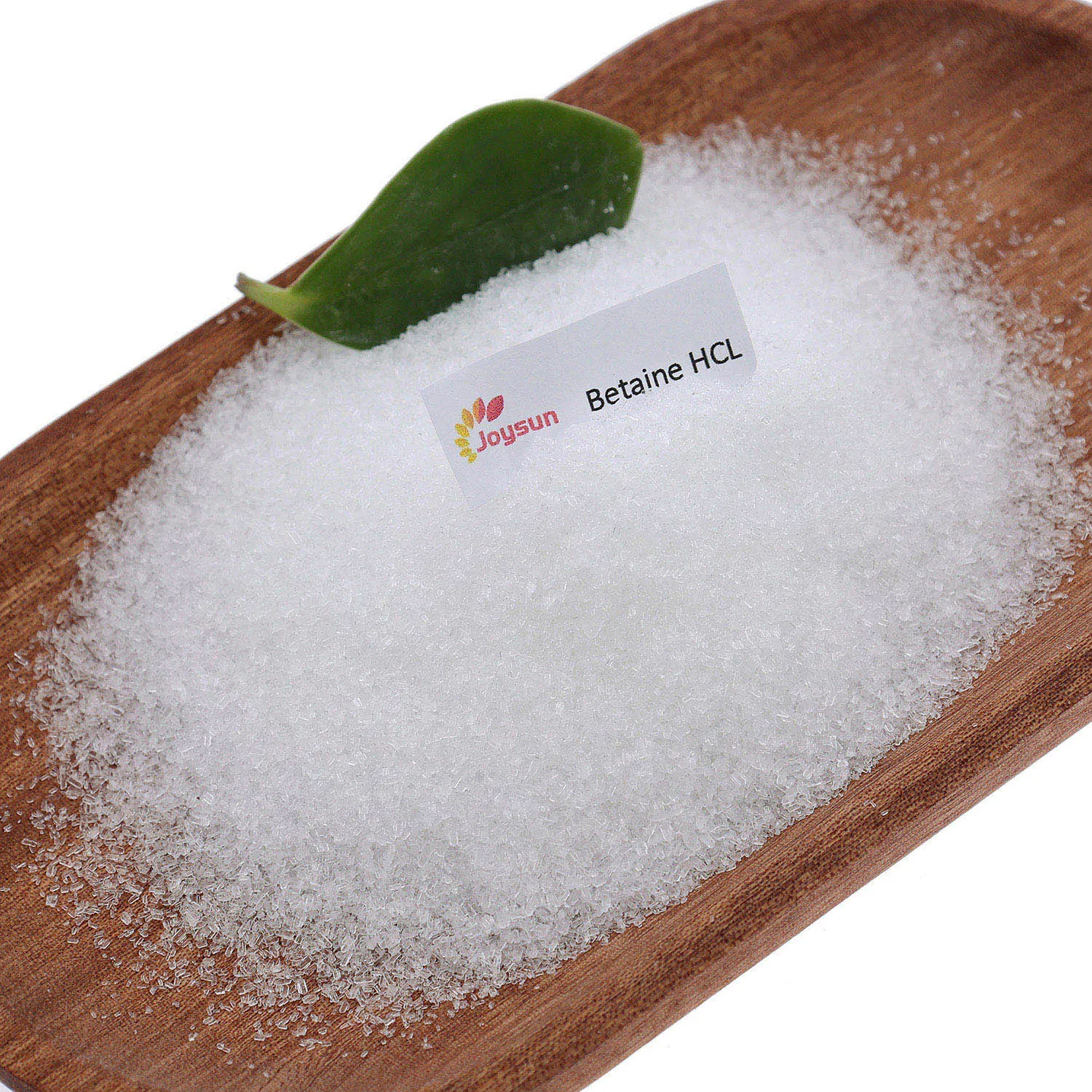
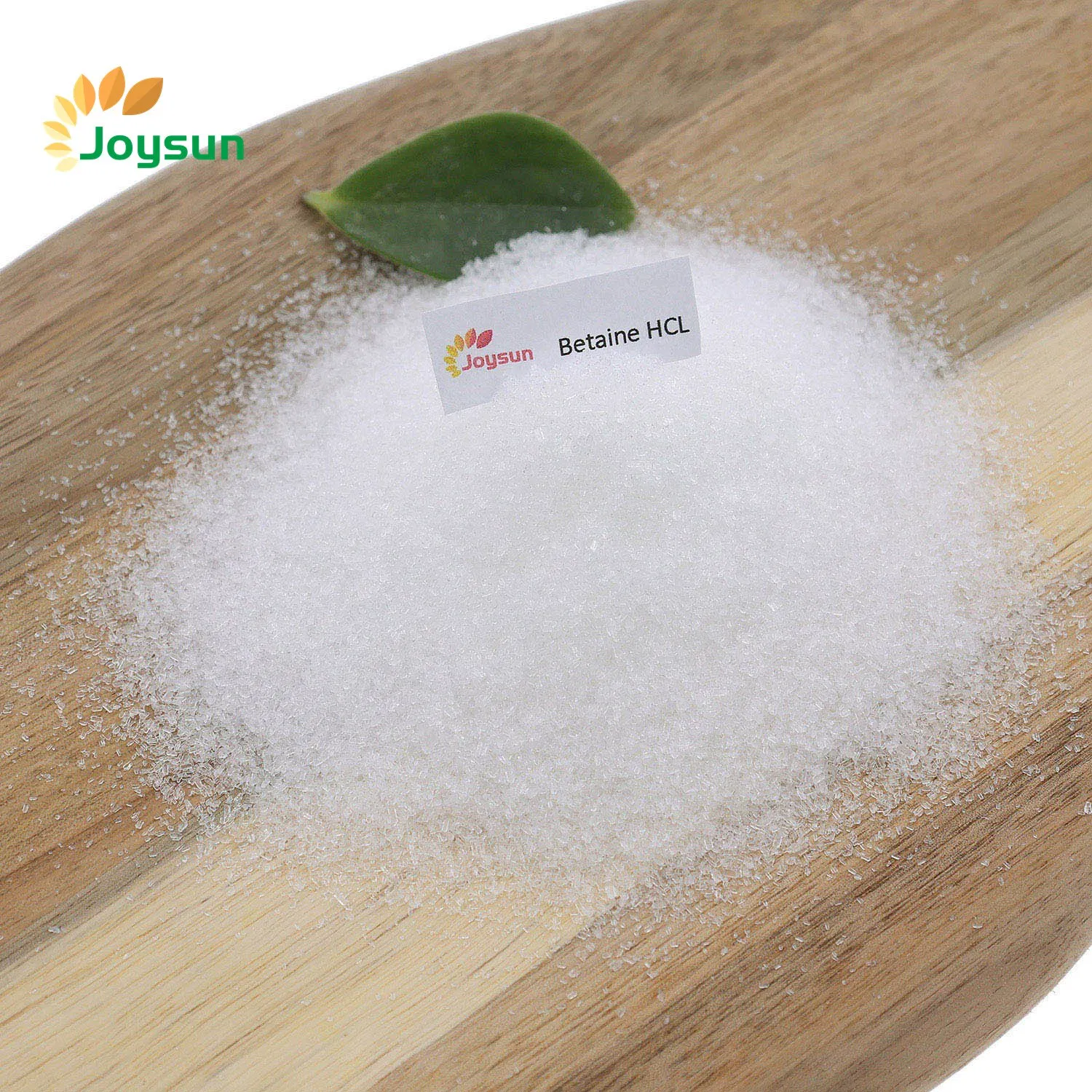
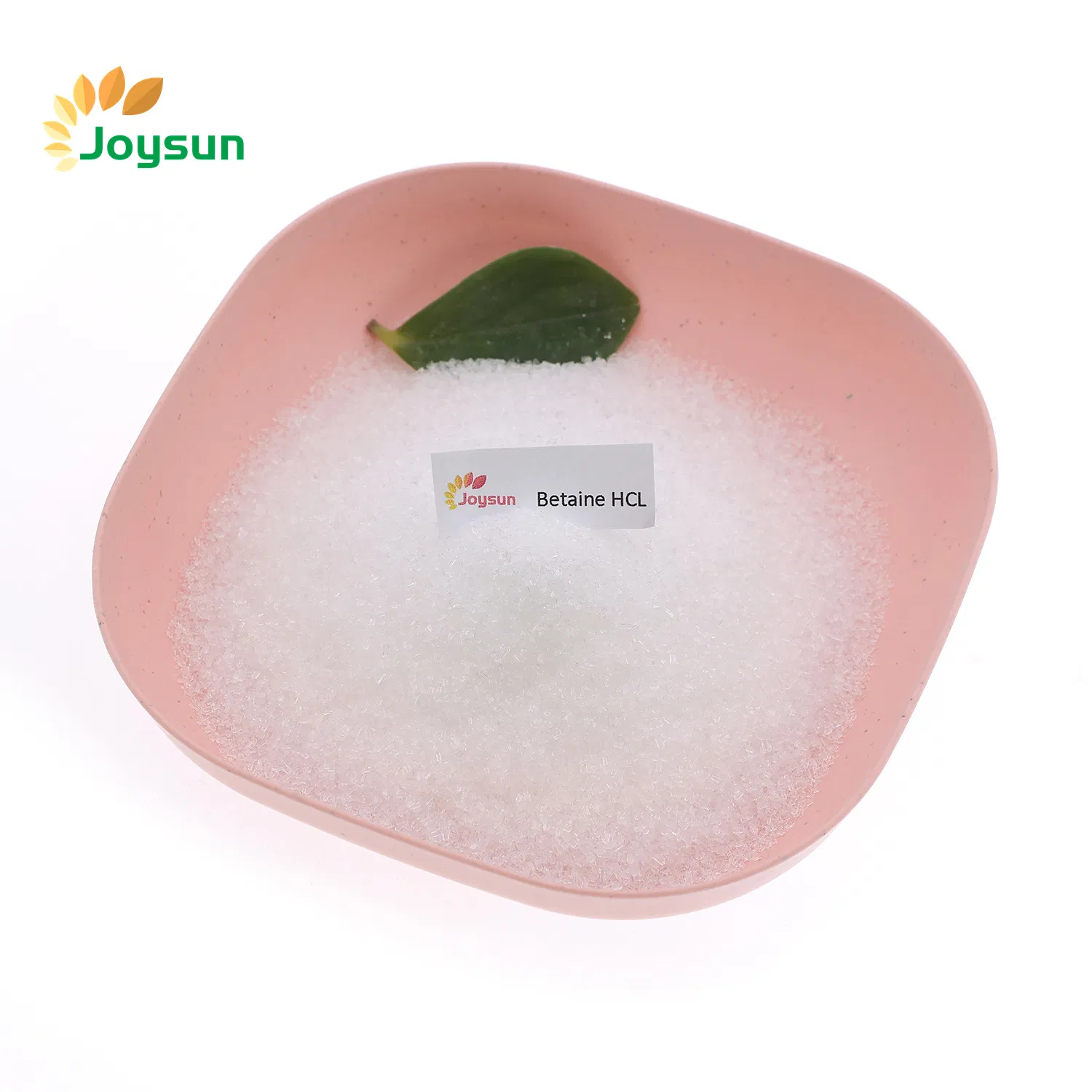
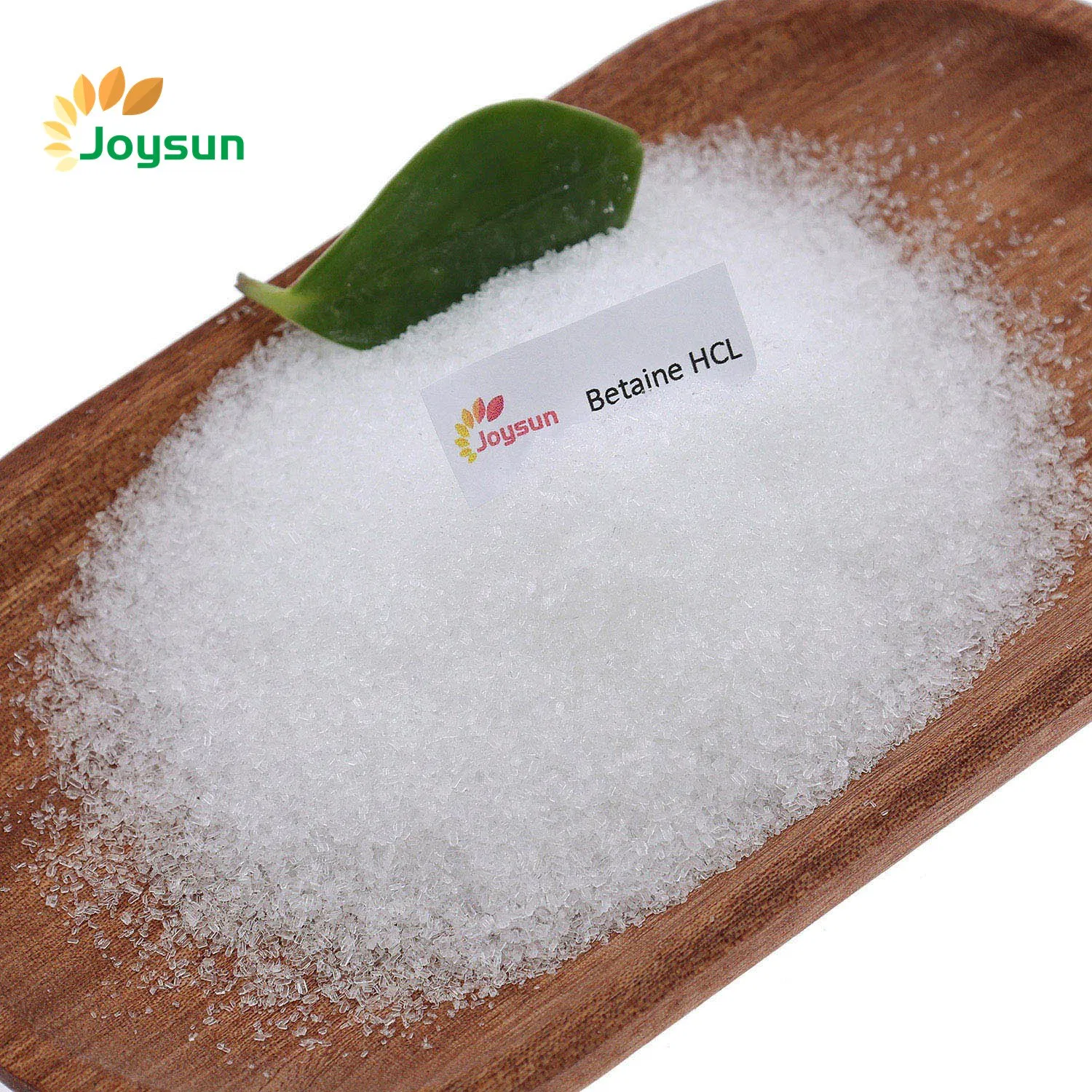
1 / 5
| Model NO. | BH |
| Shape | Powder |
| Type | Betaine Hydrochloride |
| Product Name | Betaine Hydrochloride |
| Keywords | Feed Nutrition Enhancer |
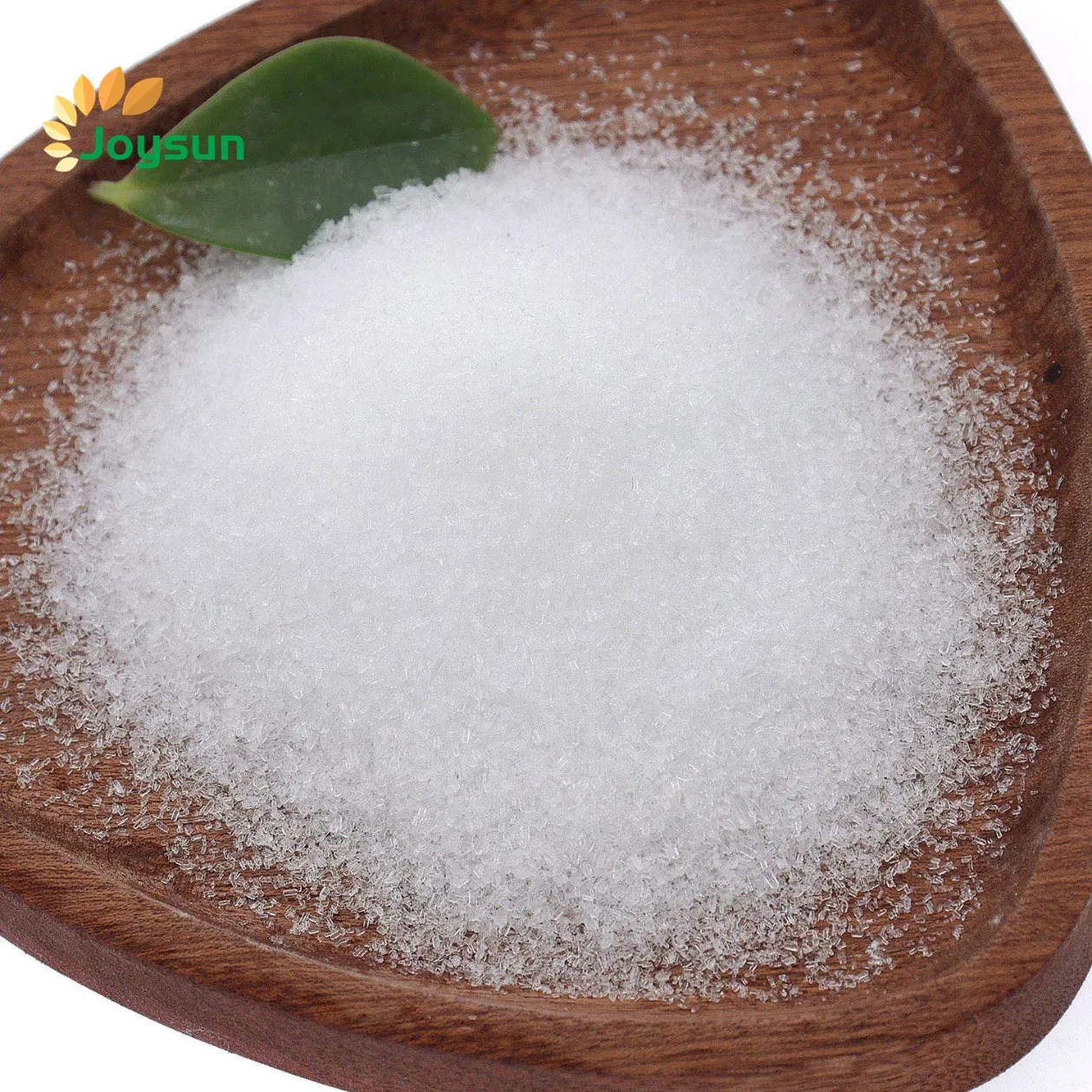
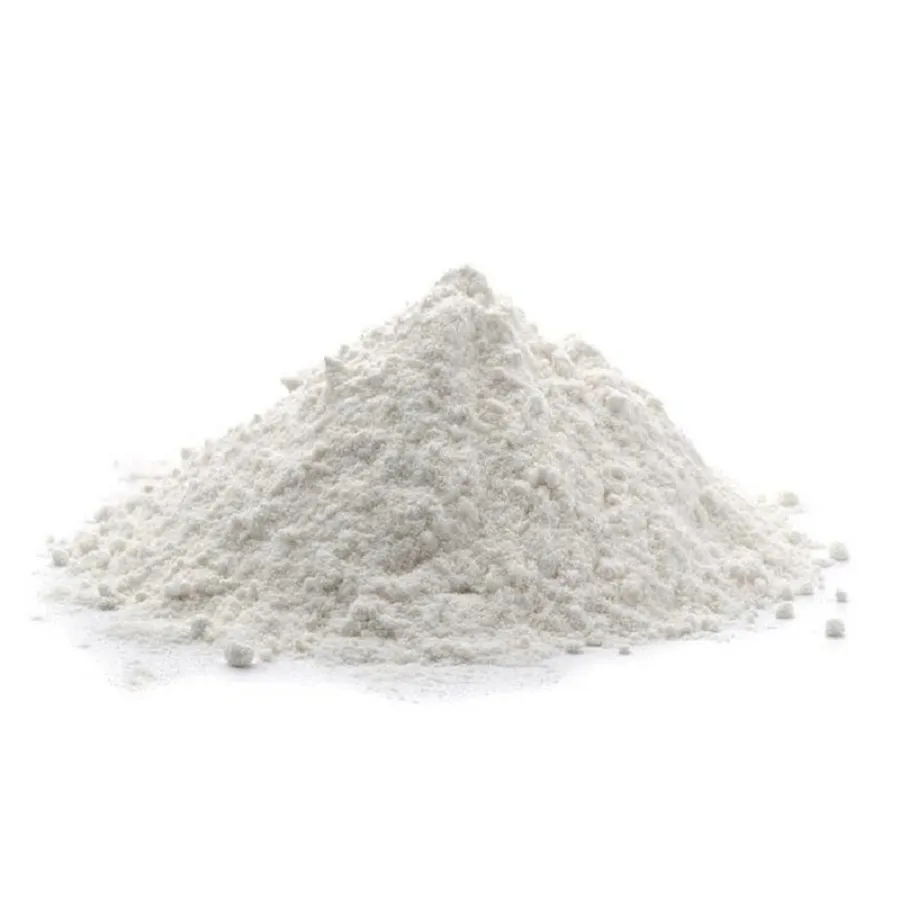
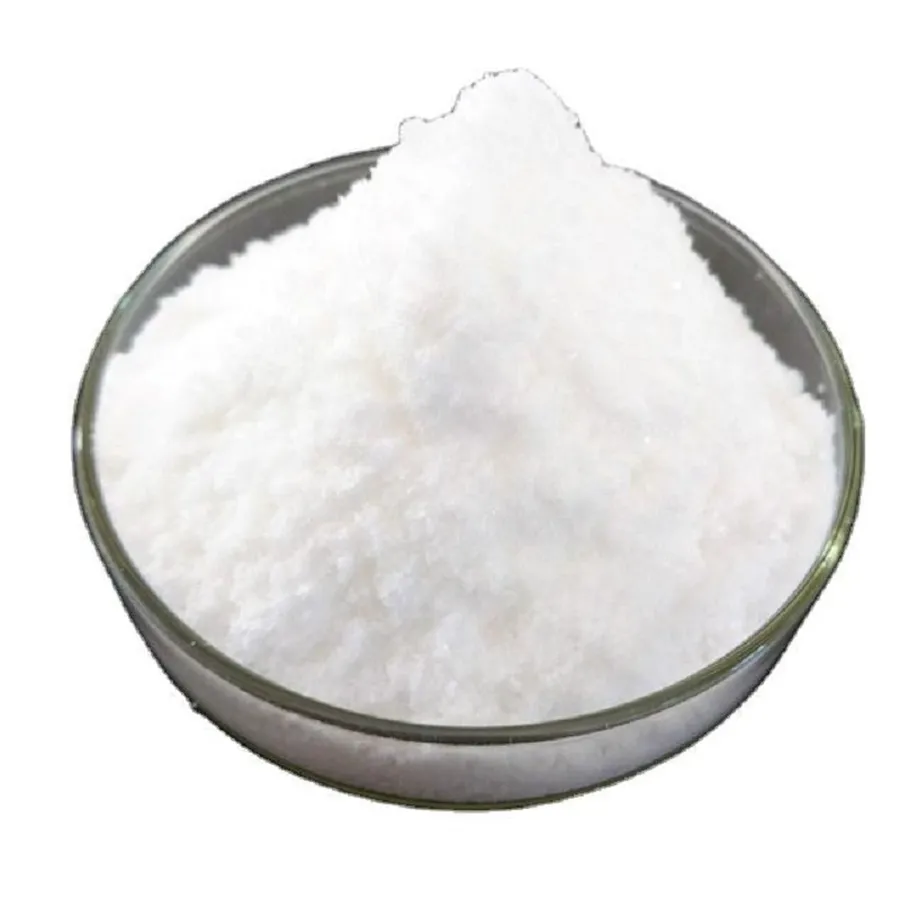
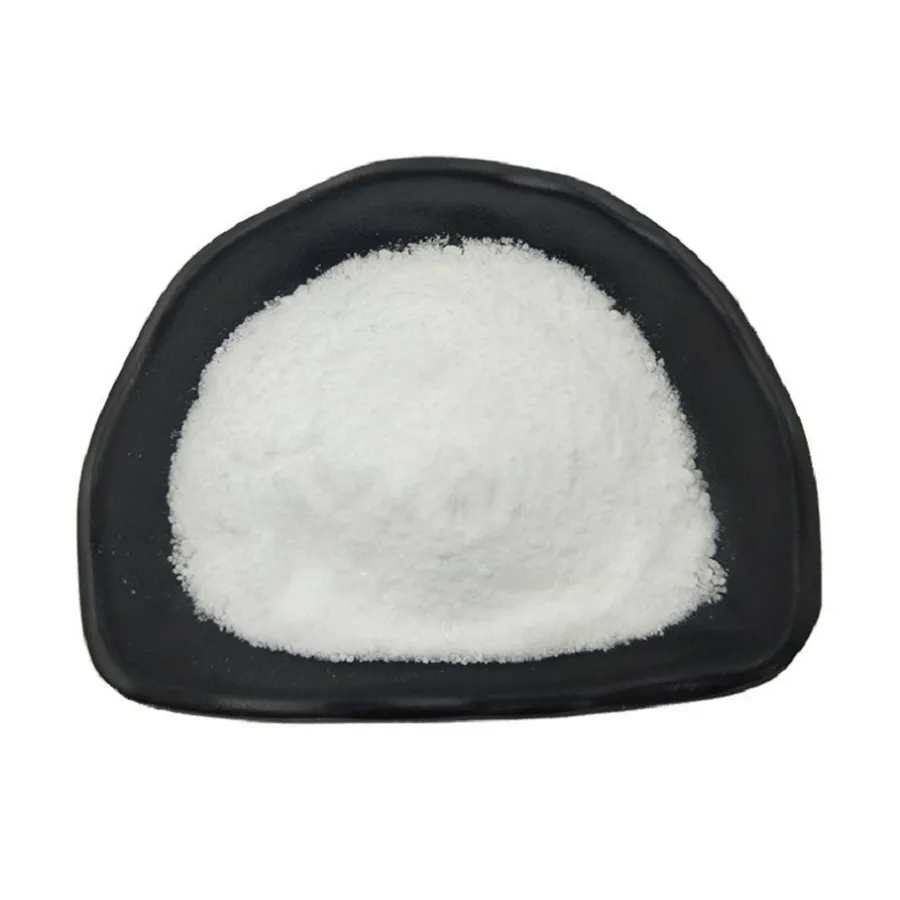
| Appearance | White, Crystalline Powder |
| Odor | Slight Characteristic Odor |
| pH (25% W/V, Water) | 0.8-1.2 |
| HS Code | 292390 |
| Production Capacity | 50000ton/Year |
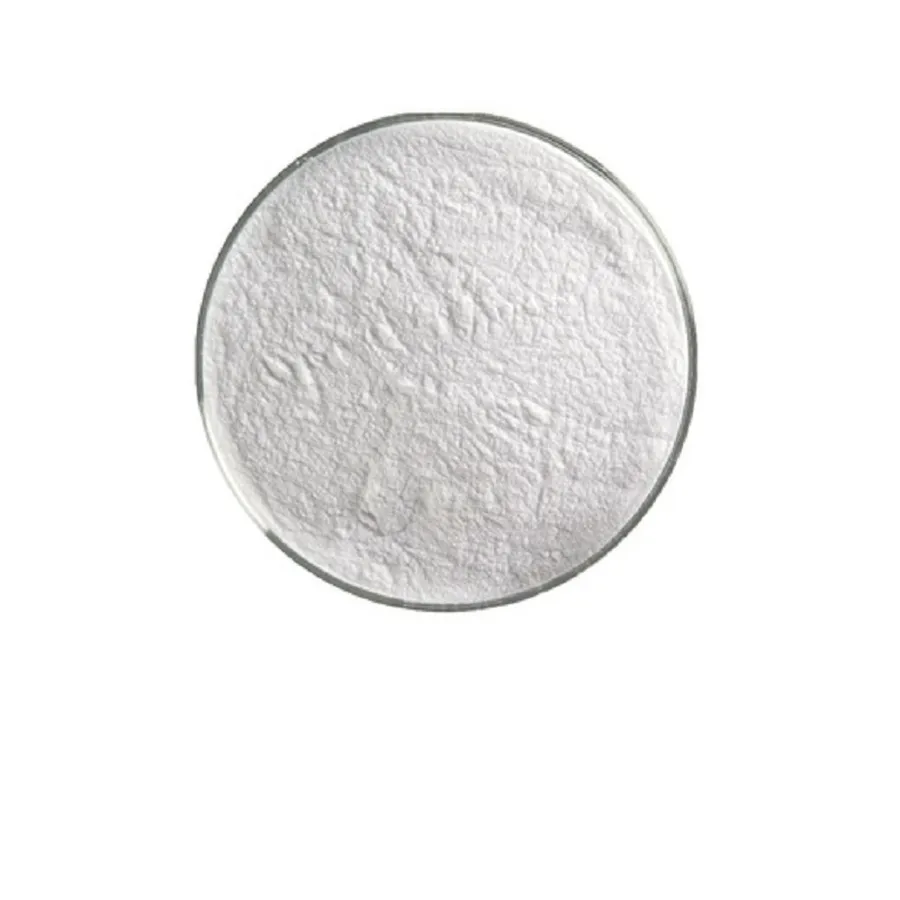
BETAINE HYDROCHLORIDE is one of the betaine series and is also known as a kind of nutritional additive of efficiency, high quality, and economic advantage.
Betaine hydrochloride is a proven and versatile feed additive in modern animal nutrition. Its benefits in growth, metabolism, stress tolerance, and meat quality make it a popular choice in premium poultry, swine, and aquaculture diets.
Acts as a highly efficient methyl group donor in metabolic pathways, supporting critical functions like protein synthesis, DNA replication, and creatine production. This role improves overall metabolic efficiency and nutrient utilization.
As a potent osmolyte, betaine helps maintain cellular water balance and integrity, protecting cells from dehydration. This is critical for improving resilience during heat stress or high salinity challenges.
By providing methyl groups, betaine can replace a portion of dietary methionine and choline, which are often more expensive ingredients. This allows for cost-effective feed formulations.
| Molecular Weight | 153.61 |
| Solubility (30℃) | 67G/100Ml Water |
| Assay (Dry Basis) | Min. 95.0% |
| Loss On Drying | Max. 0.5% |
| Heavy Metals (As Pb) | Max. 10Ppm |
| Arsenic (As) | Max. 2Ppm |
| PH (25% W/V, Water) | 0.8 - 1.2 |
Optimizes fat metabolism, promoting lean muscle tissue deposition while reducing excessive fat. This results in a higher lean meat percentage and increased profitability.
Helps maintain the health and hydration of intestinal cells, strengthening the gut barrier. This can reduce the impact of coccidiosis and improve nutrient absorption.
Exceptionally effective at mitigating negative effects of heat stress. Sustains feed intake and growth rates during periods of high ambient temperature.
Aids in the transport and metabolism of fats from the liver, effectively preventing or reducing Fatty Liver Syndrome (FLS).