Explore our advanced technical grades, chelated soil nutrients, complex feed additives, and industrial vertical farming system solutions built for optimal biological conversion efficiency.
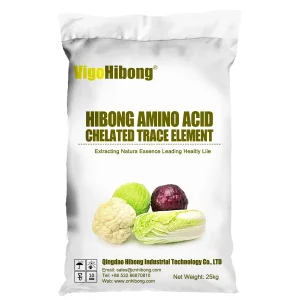
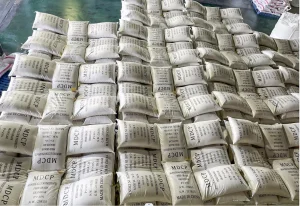
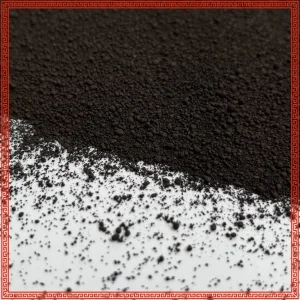
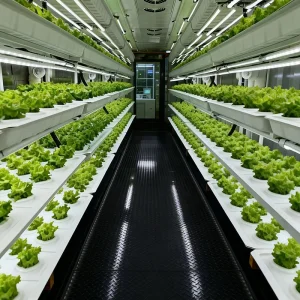
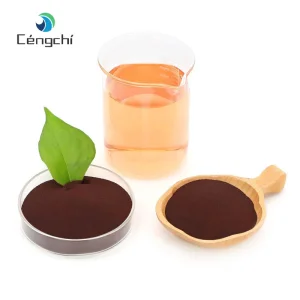
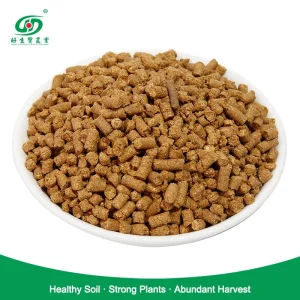

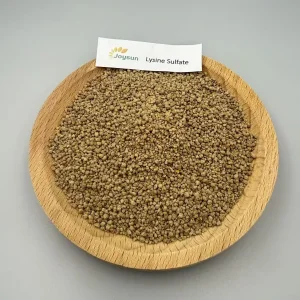
Zhengzhou Treo Nutrition Co., Ltd. is an industry-leading manufacturer with over two decades of technical experience, committed to engineering highly bio-available agricultural and animal nutrition products. We maintain a dynamic multi-regional footprint, driving operations from our corporate hubs in Zhengzhou and Hong Kong, bolstered by state-of-the-art production installations across Shandong, Hebei, and Jiangsu provinces.
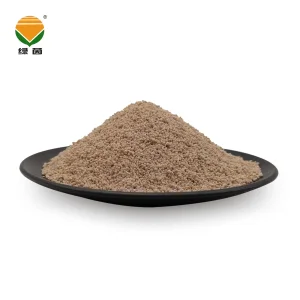
Our historical focus lies in formulating high-purity feed ingredients and biocatalytic feed additives, including premium products like Corn Gluten Meal 60%, Mycoprotein 70%, and Rice Protein Powder 70%. Through meticulous production control and continuous laboratory iteration, we ensure that every batch exhibits exceptional nutrient density and digestion profiles. This commitment facilitates enhanced feed conversion rates (FCR) and strengthens the cellular health of animal livestock across diverse global markets.
Responding to critical shifts in microclimatic stability and macro soil degradation, we have systematically engineered a robust agricultural crop division. Our extended catalog features high-yield organic biostimulants, CSL Powder 42%, complex organic-inorganic NPK matrices, and specialized trace element chelates. Our goals focus on addressing soil compaction, maximizing nutrient uptake efficiency (NUE), and building robust crop tolerance to drought and salinity stresses.

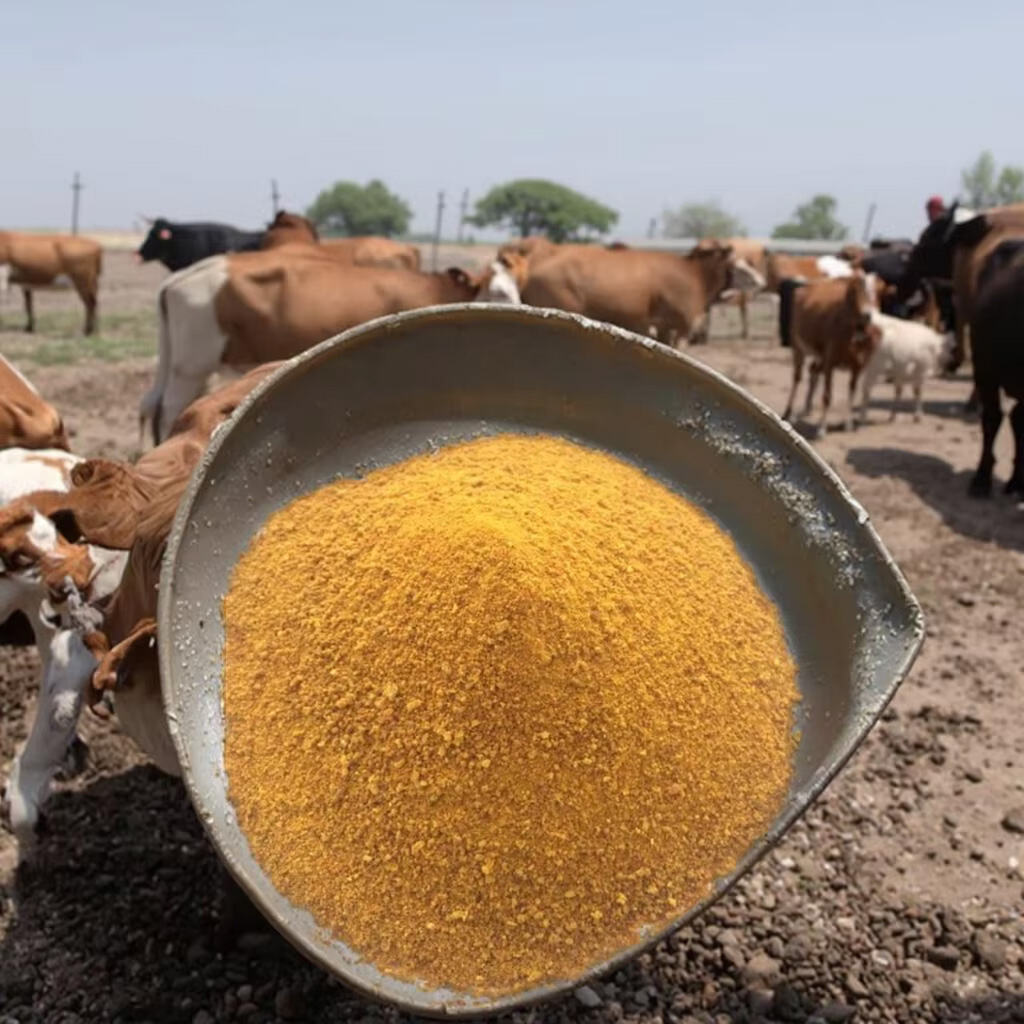
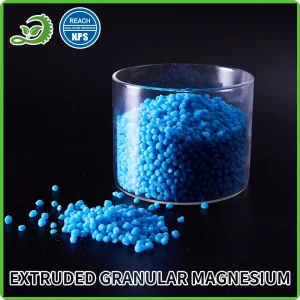
We design and manufacture tailormade chelation ratios, bespoke mineral configurations, and customized particle distributions. These formulations are optimized to target specific biological challenges in local climates and varying soil structures.
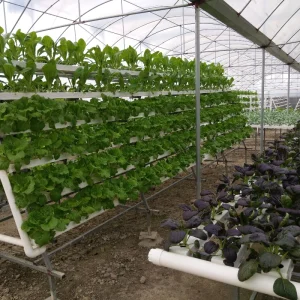
By leveraging deep crop physiology research, we build integrated systems that bridge the gap between traditional granular inputs and automated controlled environment agriculture (CEA), including commercial vertical and containerized hydroponics.
We focus on minimizing active molecule run-off, neutralizing saline buildup, and rebuilding depleted soil microbial ecosystems. We utilize organic carbon structures and slow-release polymers to sustain long-term ecological balance.
In the face of volatile global climate cycles, arable land depletion, and strict regulatory standards regarding runoff, modern agriculture is moving past simple chemical inputs. Achieving agricultural resilience requires highly specific and bio-available mineral delivery systems.
Standard synthetic salts like iron sulfate or sodium molybdate often bind to other compounds in high pH soils, rendering them unavailable to plant roots. Chelation technology wraps these vital trace elements in stable organic structures (such as EDDHA or amino acid ligands), shielding them from lock-outs in alkaline or clay-heavy soils. This allows target crops to absorb nutrients with minimal metabolic energy output.
Additionally, restoring degraded soil structures with concentrated organic carbon complexes (65% to 90% humic and fulvic acids) is key to water retention. These complexes improve cation exchange capacity (CEC), stimulate beneficial soil microflora, and support root development, even under saline irrigation conditions.
Effective crop production shares similar raw material standards and ecological goals with modern animal nutrition. Organic mineral elements, pure proteins (such as corn gluten and rice powder matrices), and bioactive growth attractants like DMPT help optimize livestock metabolic pathways.
At Treo Nutrition, we leverage this intersection. Our operations utilize shared biochemical technologies, strict manufacturing controls, and multi-tier quality testing to serve both agricultural fields and commercial aquaculture installations.
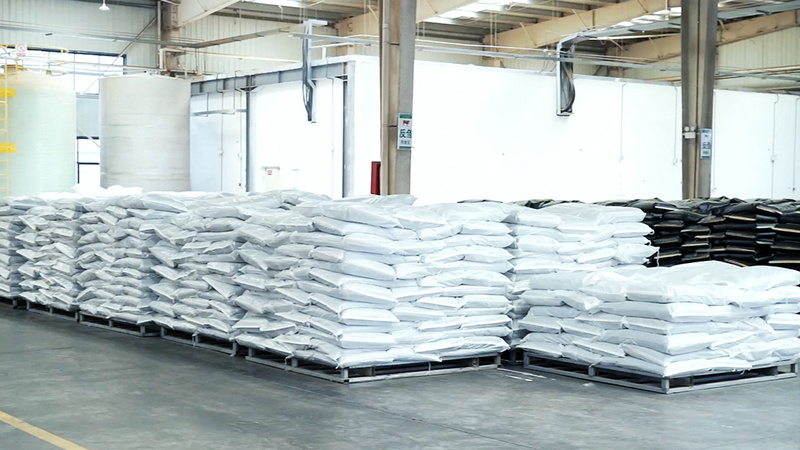
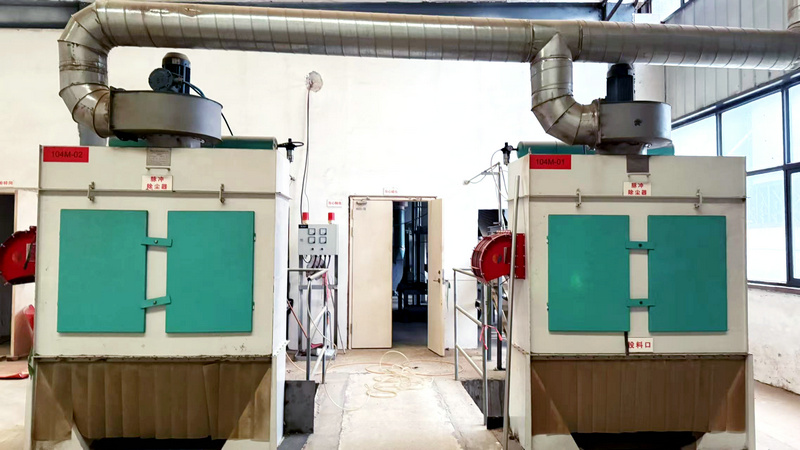
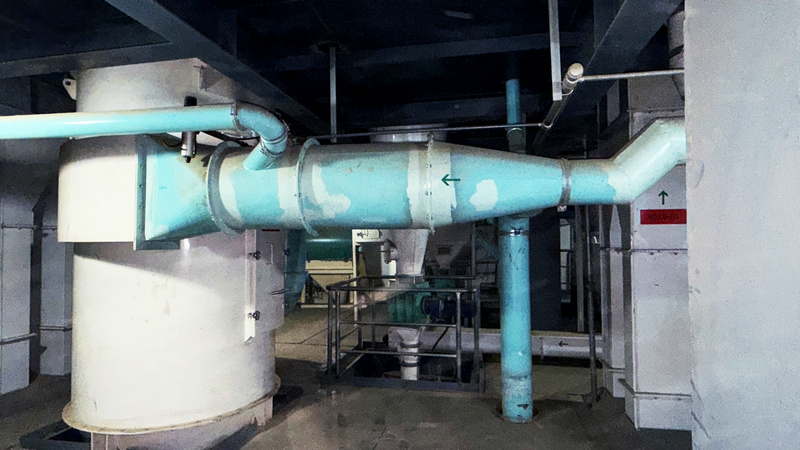
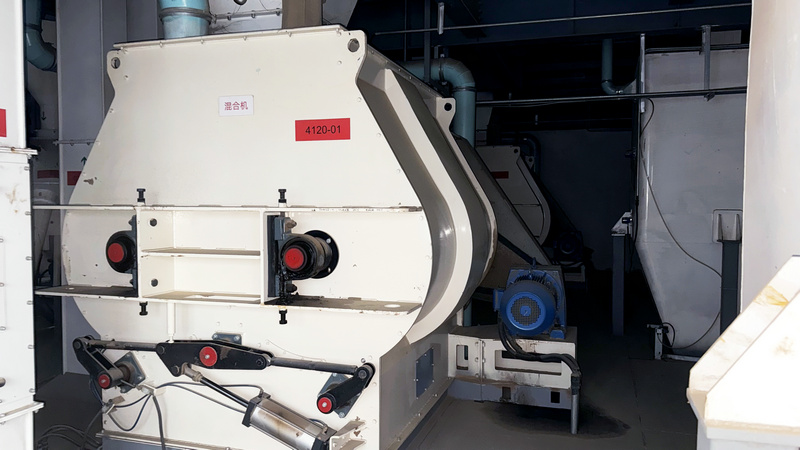
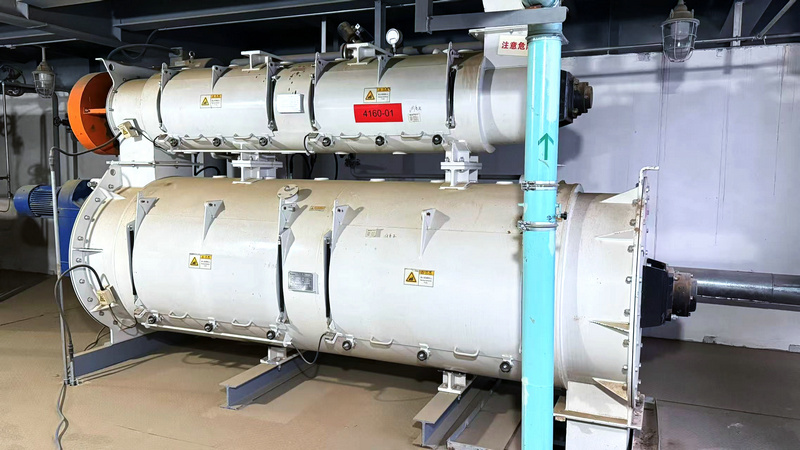
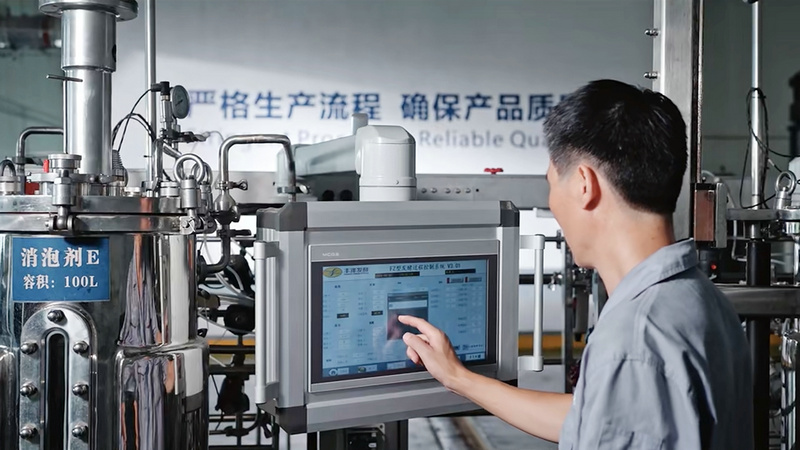
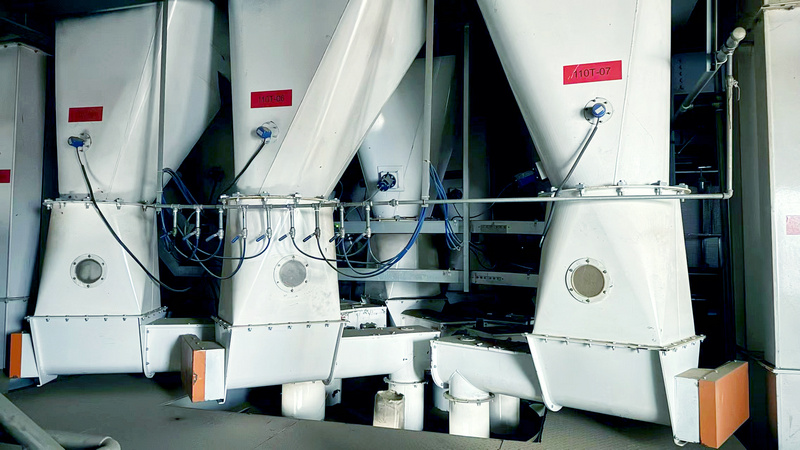
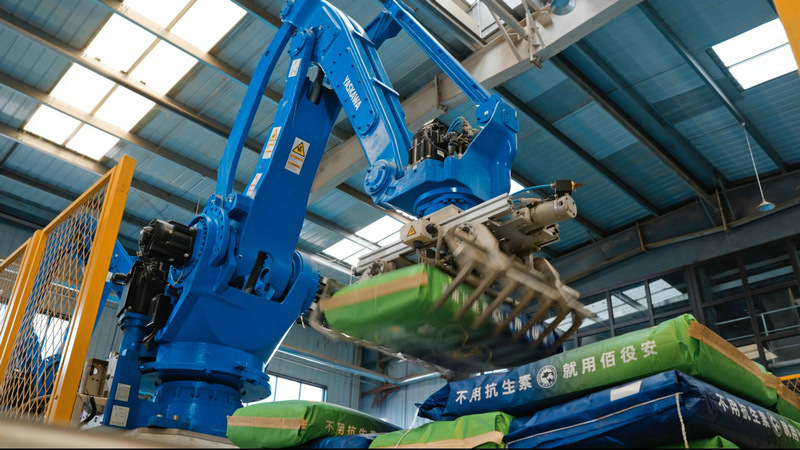
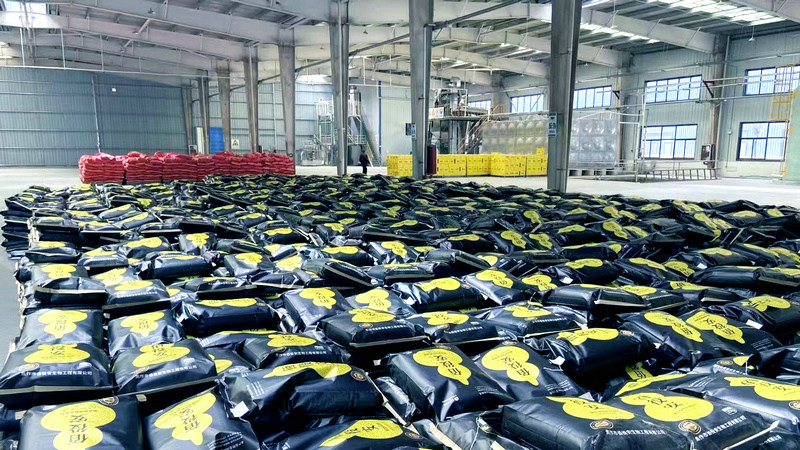
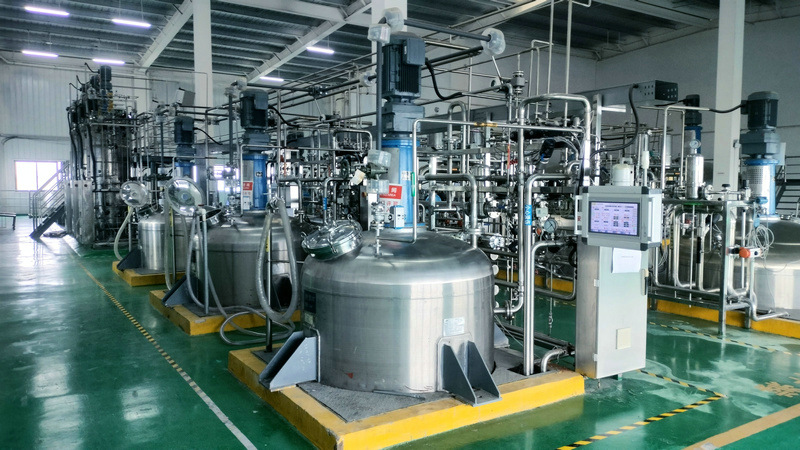
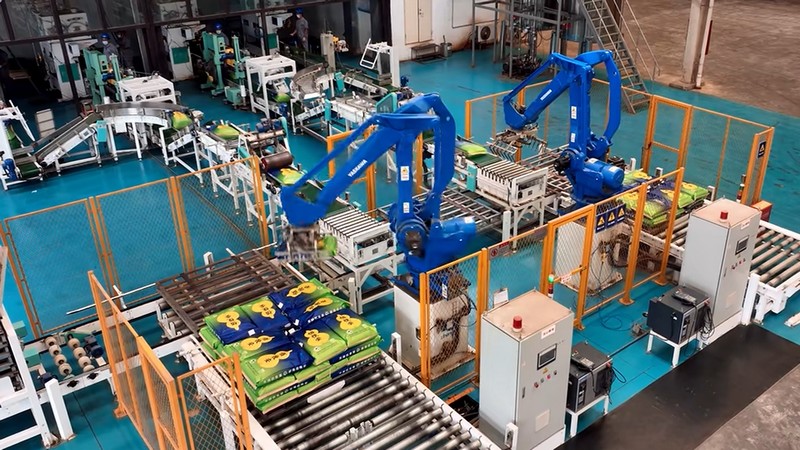
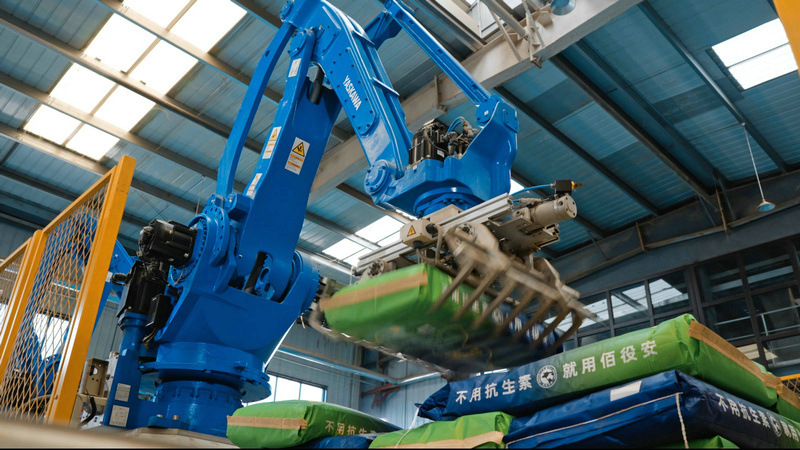
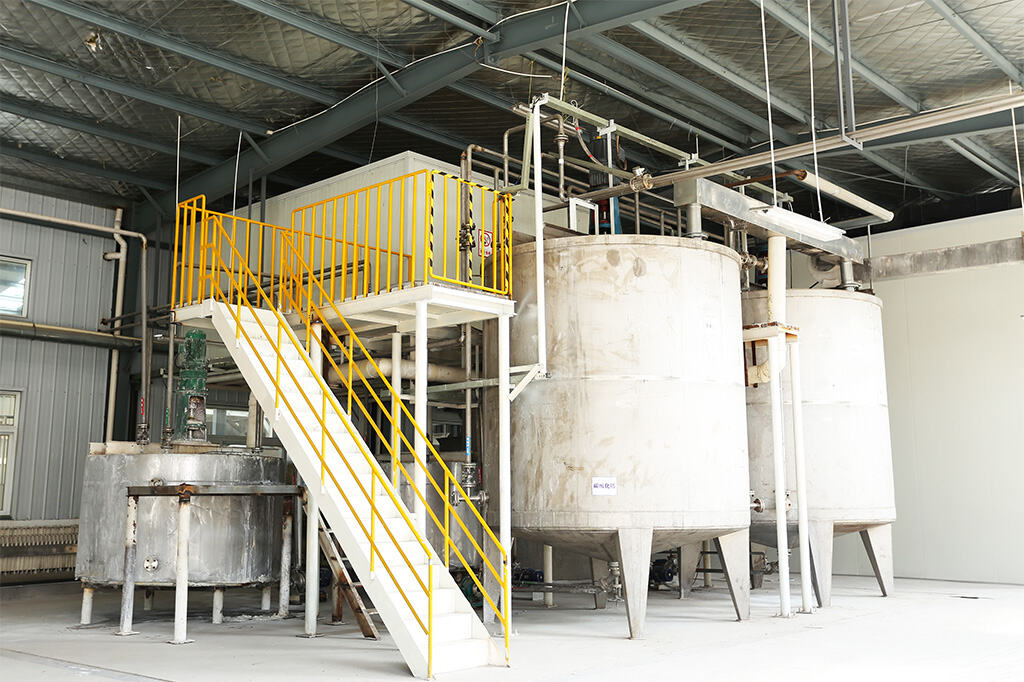
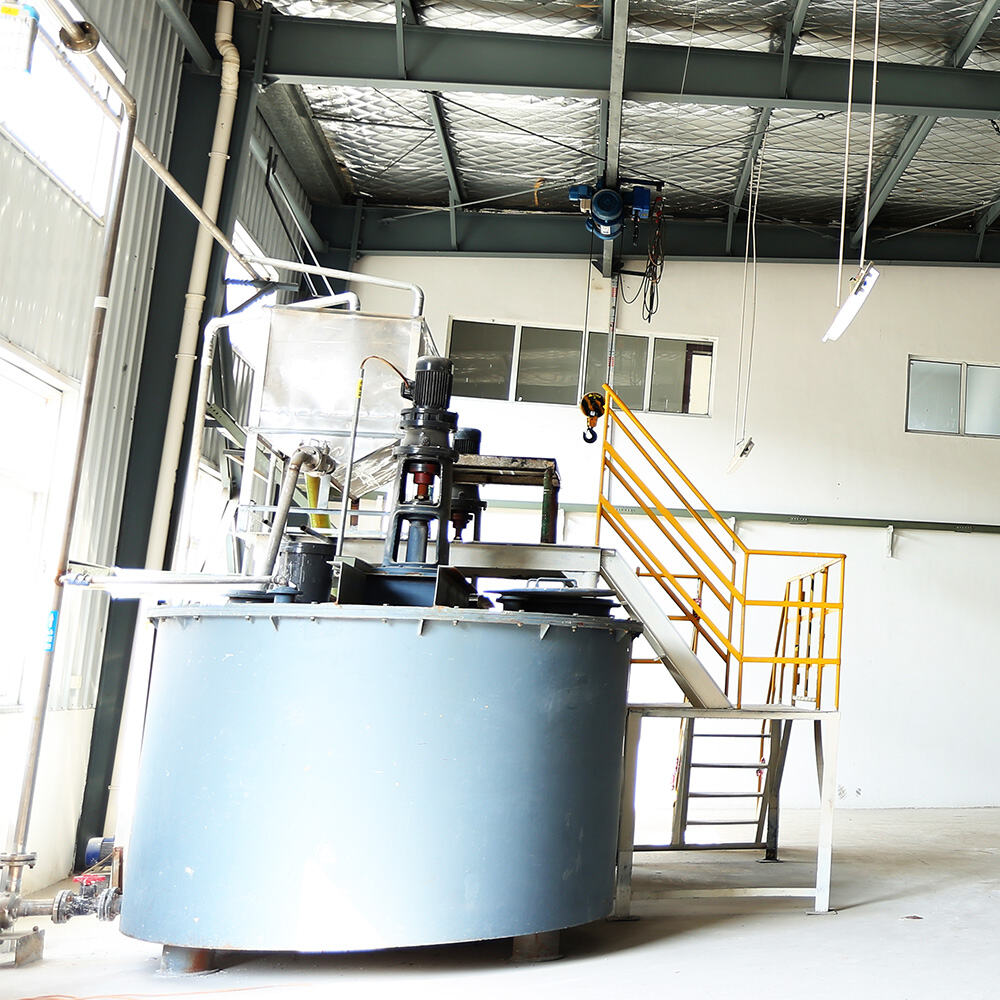
Our manufacturing plants utilize advanced automation, precision dry-blend mixers, sterile bioreactors, and high-efficiency spray dryers to guarantee consistent batch-to-batch chemical stability.
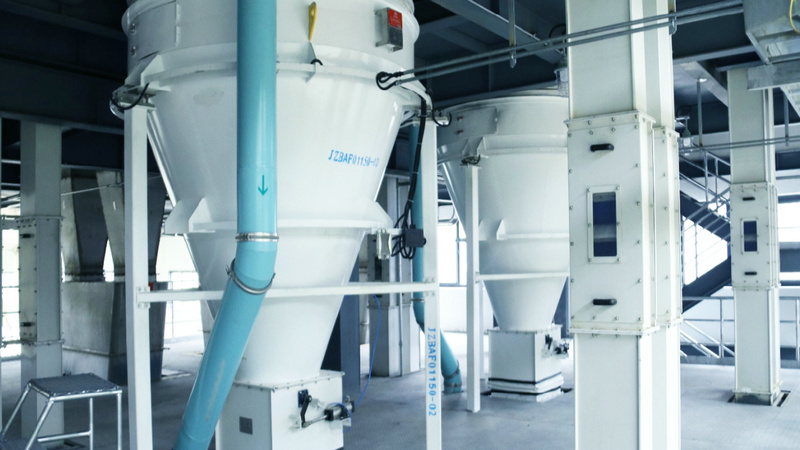
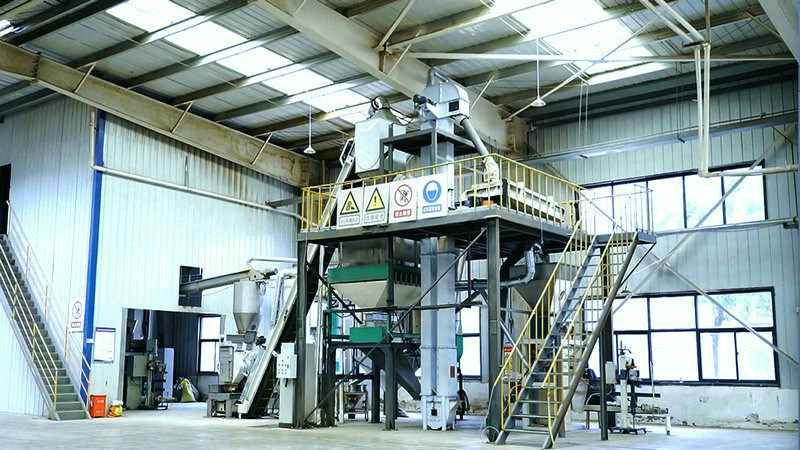
Our roadmap focuses on improving nutrient delivery precision while reducing total chemical applications.
Engineering micro-chelated mineral matrices with sub-micron particle sizes to maximize stomatal and foliar cell penetration, bypassing traditional root barriers in saline soils.
Developing customized methylene urea (MU) chain lengths to match nitrogen release curves with specific crop growth stages, helping minimize nitrogen leaching in commercial agriculture.
Integrating intelligent sensor matrices within our containerized vertical farming platforms to automatically adjust mineral ratios in real-time, optimizing crop yields.
We provide specialized, high-performance OEM/ODM solutions to address unique regional and industrial challenges:
We supply highly concentrated humic structures, including 65% and 90% organic matter soil conditioners. These inputs help rebuild microbial colonies, improve cation exchange capacity, and protect chemical nitrogen inputs from volatilization.
We manufacture ultra-soluble amino acid chelates and stable EDDHA trace minerals that remain dissolved without causing irrigation line buildup, ensuring uniform nutrient delivery in recirculating water setups.
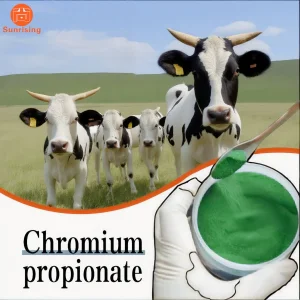
We provide stable phosphorous sources like MDCP 21%, along with trace mineral enhancers like Chromium Propionate 8% and DMPT. These additives help optimize digestion and feed efficiency in commercial livestock production.
Explore answers to common questions about agricultural chelates, soil conditioners, and custom manufacturing standards.
EDTA Fe is relatively unstable in soils with a pH level above 6.5, often causing the iron ion to precipitate out of solution. In contrast, EDDHA Fe remains stable in highly alkaline soils up to pH 9.0. This is because its molecular structure shields the iron ion, keeping it soluble and available for plant root uptake.
Amino acid chelates act as neutral molecules that bypass the plant's ionic root barriers. The plant absorbs the compound as a protein precursor, which requires less metabolic energy than absorbing inorganic mineral salts, resulting in faster and more efficient uptake.
Methylene Urea features varying polymer chain lengths. The short chains dissolve in cool water, while the longer chains require microbial action in the soil to break down. This creates a steady release of nitrogen over time, matching the plant's growth needs and reducing nitrogen runoff.
DMPT (Dimethyl-beta-propiothetin) is a highly effective olfactory stimulant for fish and shrimp. It mimics natural prey scents, encouraging faster feeding and improved nutrient consumption, which helps reduce feed waste and supports water quality.
Yes. We specialize in custom OEM and ODM services. We can adjust parameters such as active ingredient concentrations, particle sizing, dust-free granulation, and packaging formats to align with your production requirements and regional regulatory guidelines.
Compare our full product range, including agricultural chelates, feed-grade amino acids, organic soil conditioners, and vertical farming setups.
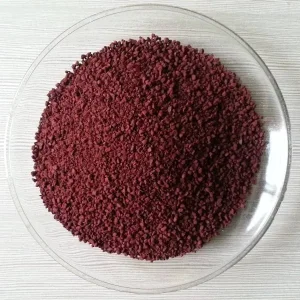
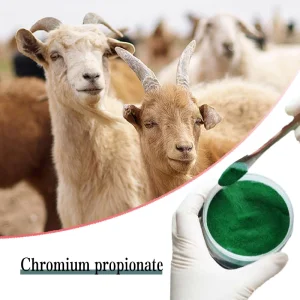

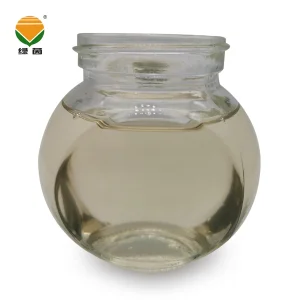
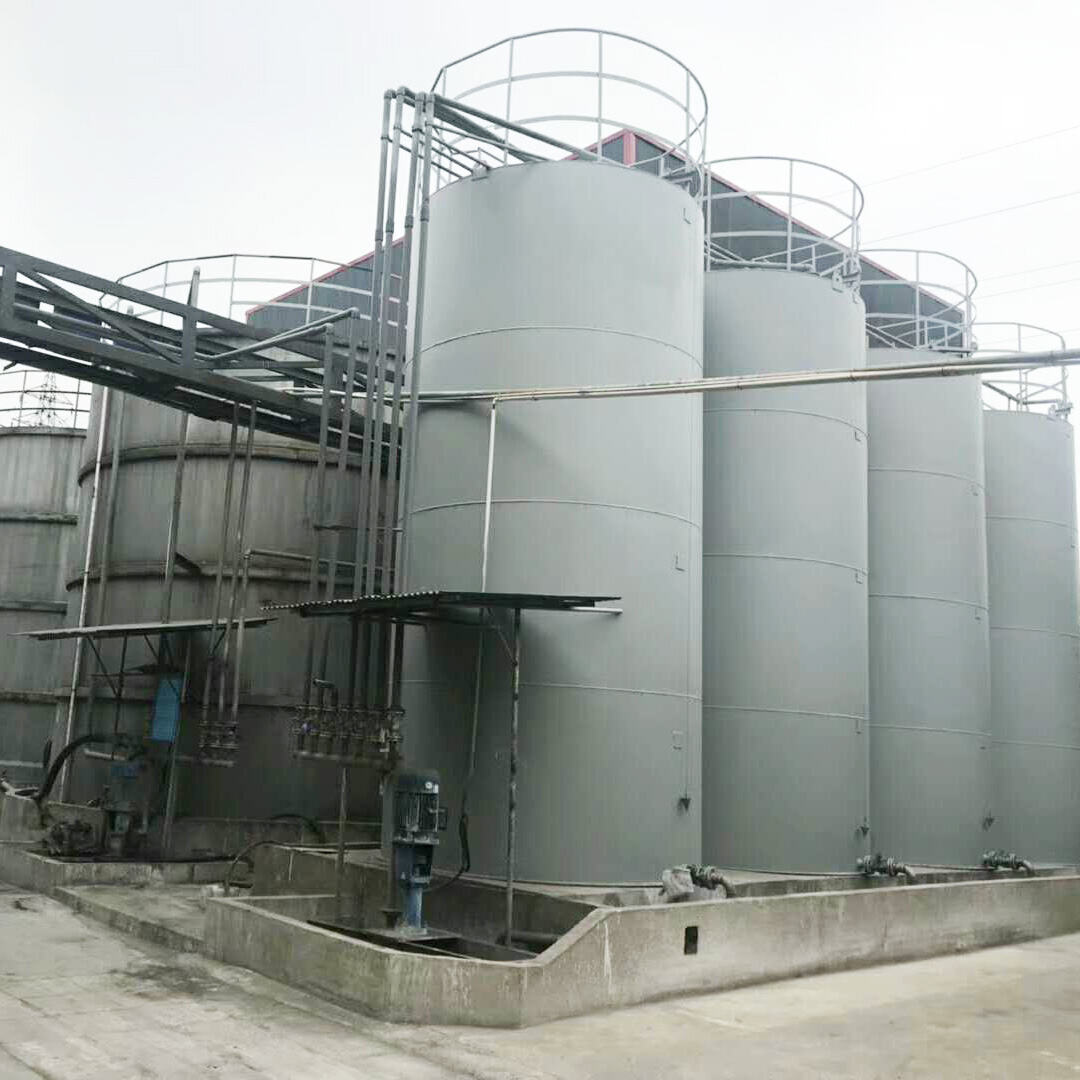
A glance inside our dedicated manufacturing and packaging facilities in Shandong, Hebei, and Jiangsu.
 Treo Nutrition