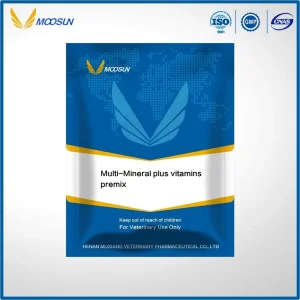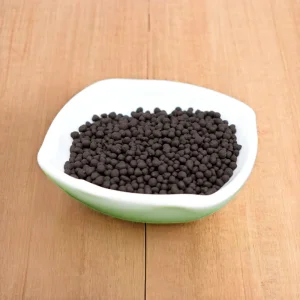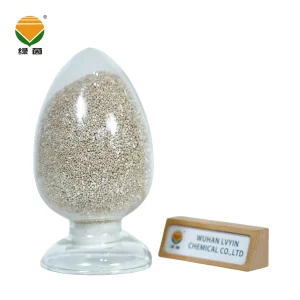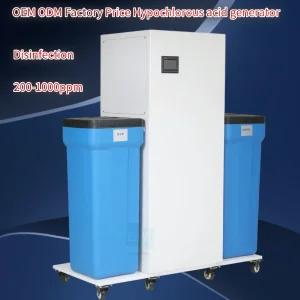
In modern animal husbandry and intensive aquaculture, ensuring biosafety and control over pathogenic contamination is of paramount importance. The global industry is witnessing a structural shift towards specialized sterilization protocols, particularly steam-sterilized autoclave processing of feeds. This is crucial in Specific Pathogen Free (SPF) facilities, animal research laboratories, elite pig breeding units, and advanced aquaculture farms. However, thermal sterilization at temperatures reaching 121°C to 134°C under high pressure presents a critical vulnerability: the chemical degradation and inactivation of essential nutritional additives, vitamins, probiotics, and enzyme systems.
To combat this degradation, autoclavable feed additives have emerged as a high-technology solution. These additives are engineered through advanced micro-encapsulation, high-affinity crystal chelation, and molecular coating technologies designed to preserve bioavailability under intense thermal, physical, and pressure stresses. As a top trusted supplier and exporter, we provide the global animal production industry with heat-stable nutrient forms that guarantee retention rates, ensuring optimal feed conversion ratios (FCR) even after rigorous autoclave sterilization.
Zhengzhou Treo Nutrition Co., Ltd., with over 20 years of industry experience, is committed to delivering innovative, efficient, and sustainable nutrition solutions for both animal husbandry and modern agriculture. Leveraging deep technical expertise and continuous research, the company has established a strong foundation in the field of animal nutrition.
We specialize in high-quality feed ingredients and additives such as Corn Gluten Meal 60%, Mycoprotein 70%, and Rice Protein Powder 70%, which are widely recognized for their stable quality, high nutritional value, and cost-effectiveness. Through scientific formulation and strict quality control, we help customers improve feed efficiency, animal health, and overall productivity.
In response to the increasing global demand for sustainable agricultural practices, Treo Nutrition has strategically expanded its business scope into crop nutrition and soil health management. Our diversified product portfolio now includes CSL Powder 42%, Organic NPK Fertilizers, soil conditioners, and tailor-made nutrient solutions. These products are designed to enhance soil structure, increase nutrient availability, boost crop resilience, and ultimately improve yield and quality, while reducing environmental impact.
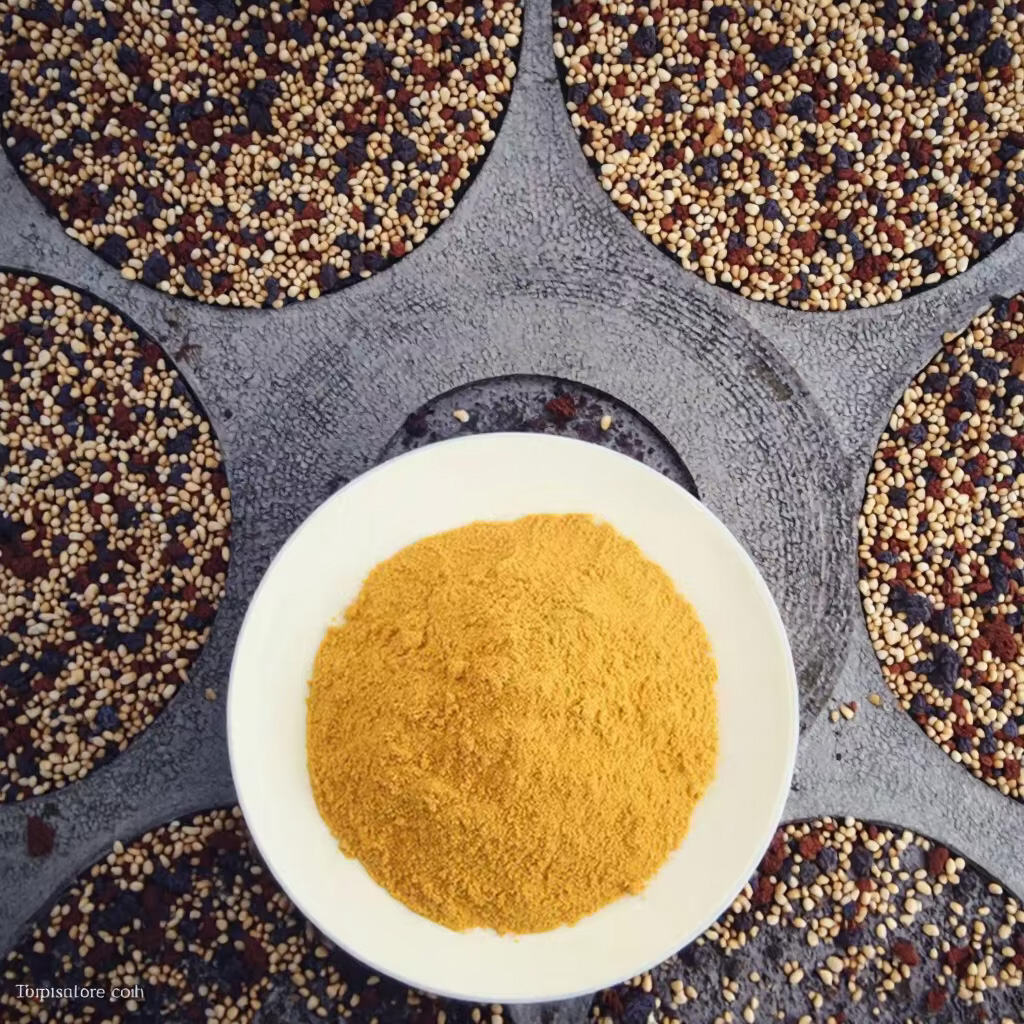
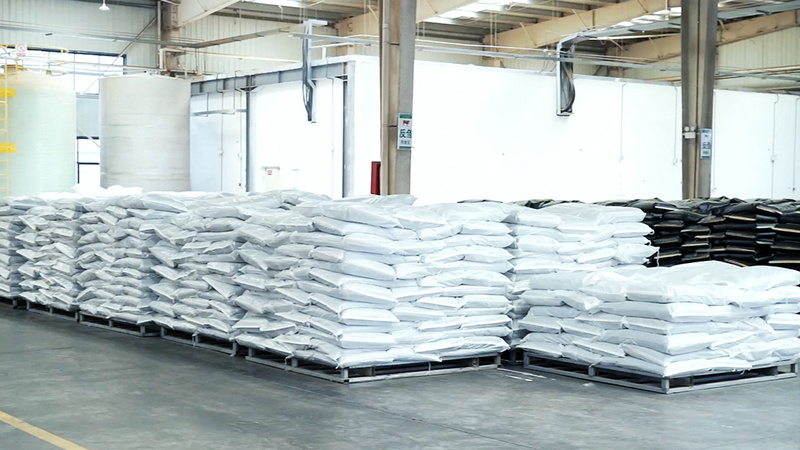
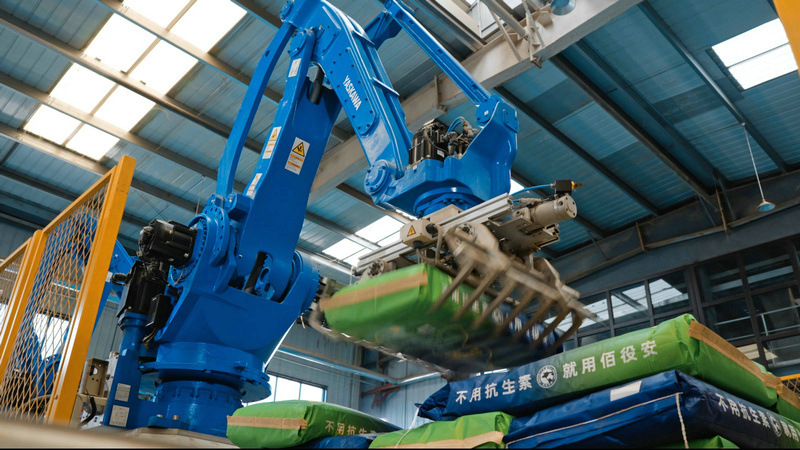
Figure 1: Advanced quality testing and state-of-the-art packaging systems inside Treo Nutrition's manufacturing facility.
How does a heat-sensitive molecule survive the high moisture, shear pressure, and intense thermal parameters of an industrial autoclave or modern high-temperature pelleting extrusion system? The technical blueprint is multi-layered:
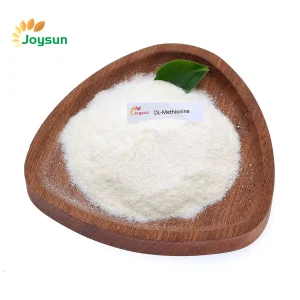
Delicate compounds like DL-Methionine, target vitamins, and enzymes are enveloped within a matrix of hydrogenated vegetable lipids or ethylcellulose. This coating acts as a thermal barrier, melting only inside the target digestive tract of the animal.
Probiotics are selected from natural, robust spore-forming strains like Bacillus subtilis and Bacillus licheniformis. The spore shell naturally insulates the bacterium’s genetic material from denaturation at 121°C.
Transition metals and trace minerals are bound to amino acids or organic humate structures, preventing high-temperature oxidation-reduction cycles that render inorganic minerals insoluble.
Industrial animal feeding structures require tailor-made approaches depending on geographic variables and regulatory norms. Here are the core scenarios where autoclavable feed additives are mission-critical:
To prevent severe viral entry (such as African Swine Fever or PRRS), complete pathogen-free diets are mandated. Feeds are autoclaved directly at the farm boundary. Using our heat-stable vitamins and DL-Methionine ensures piglets do not suffer from nutritional deficiencies post-sterilization.
Aquaculture feeds require high-water stability and pathogen sanitization. Autoclavable DMPT and Vitamin C compounds retain high bioactivity after the high-shear extrusion and secondary cooking processes, boosting shrimp immune responses.
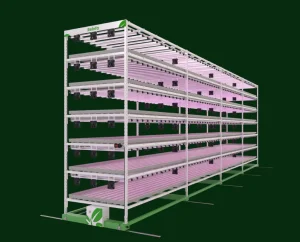
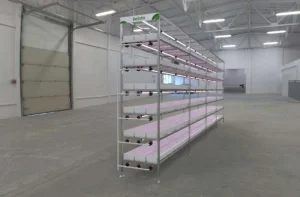
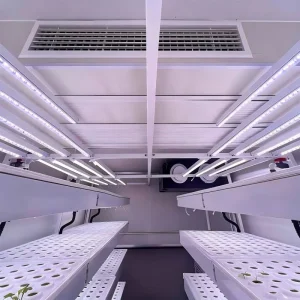
Combining smart hydroponic systems (for leafy greens and strawberries) with intensive poultry/fish breeding requires feed inputs that do not introduce micro-pathogens to the irrigation loops. Sterilized feeds containing stable humates and proteins prevent crop root rot in aquaponic integrations.
To better serve international markets, Zhengzhou Treo Nutrition Co., Ltd. operates offices in Zhengzhou and Hong Kong, supported by multiple modern production facilities located in Shandong, Hebei, and Jiangsu. Our industrial presence across China’s primary agricultural manufacturing corridors provides key supply advantages:
Raw Material Clustering: Direct local sourcing of primary substrate proteins (such as Corn Gluten Meal and Rice Protein) cuts internal freight costs and eliminates material oxidation during transport.
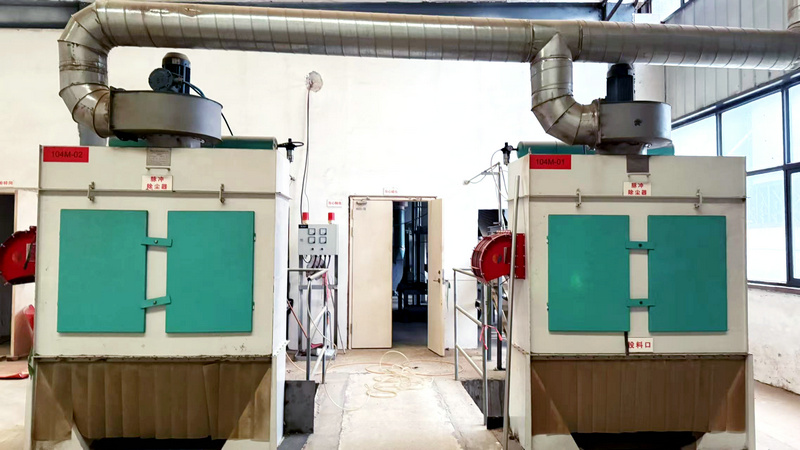
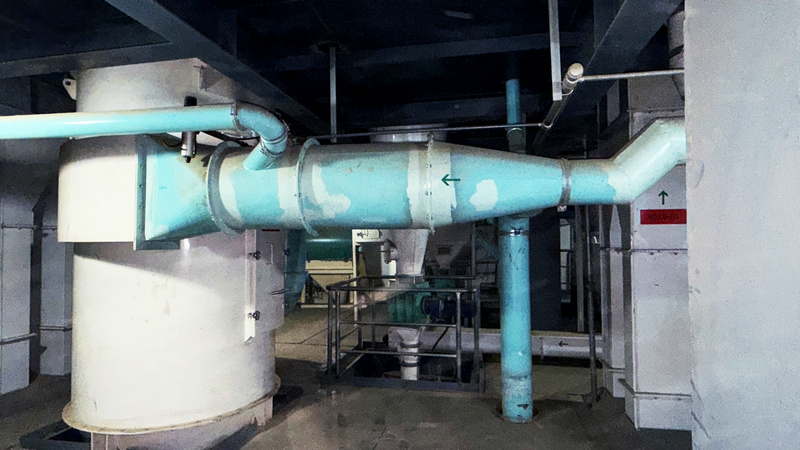
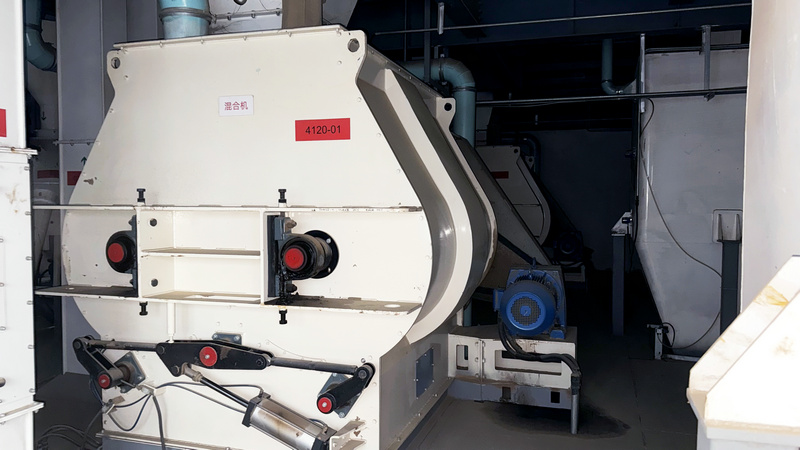
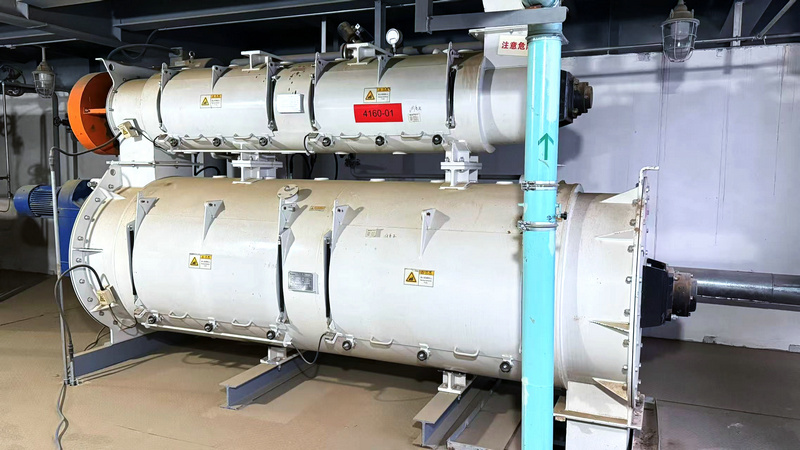
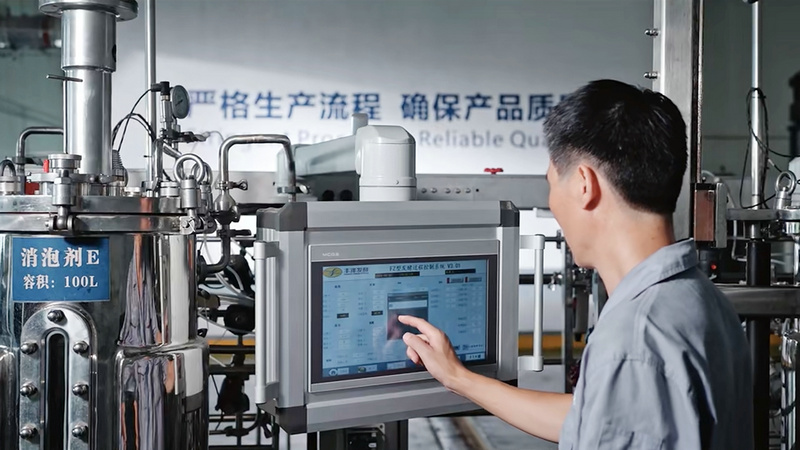
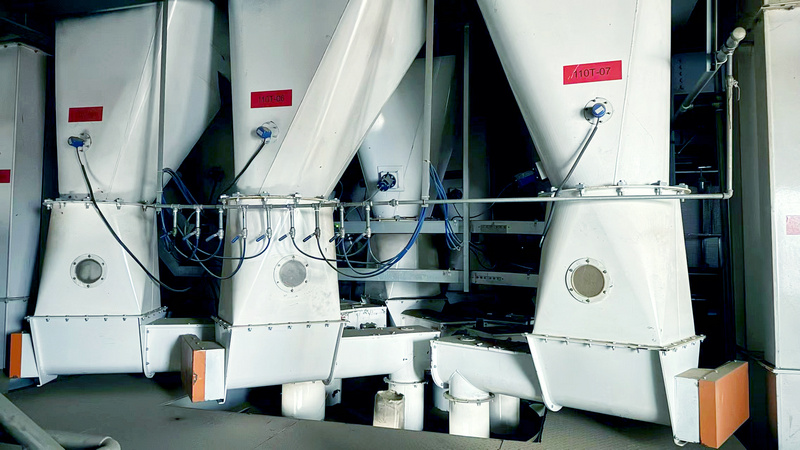
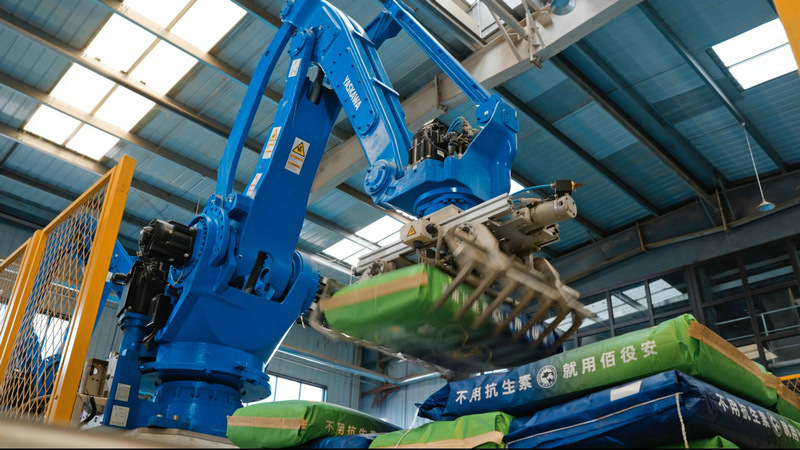
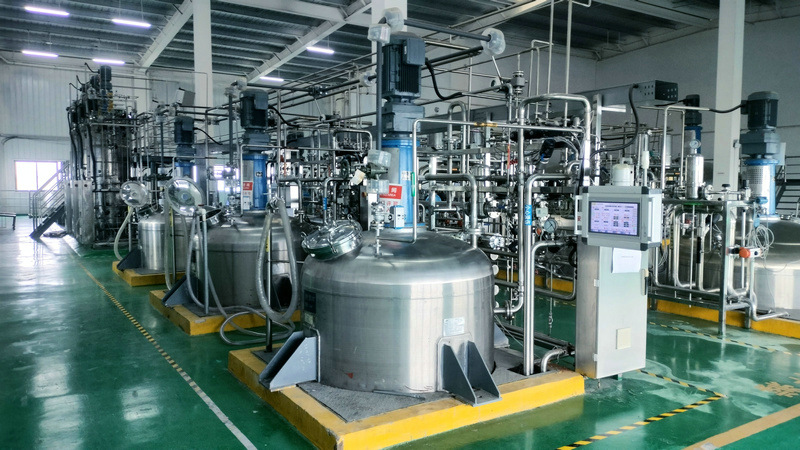
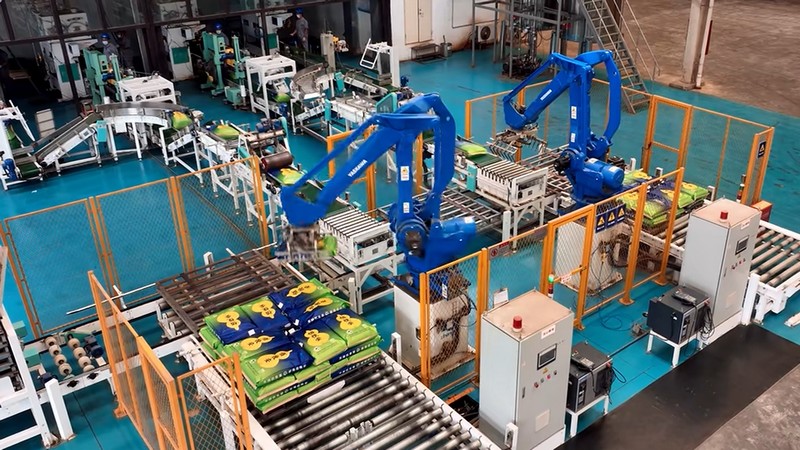
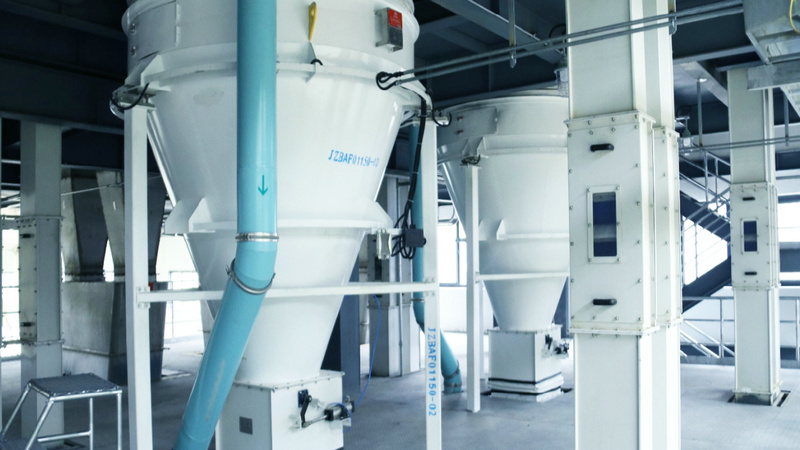
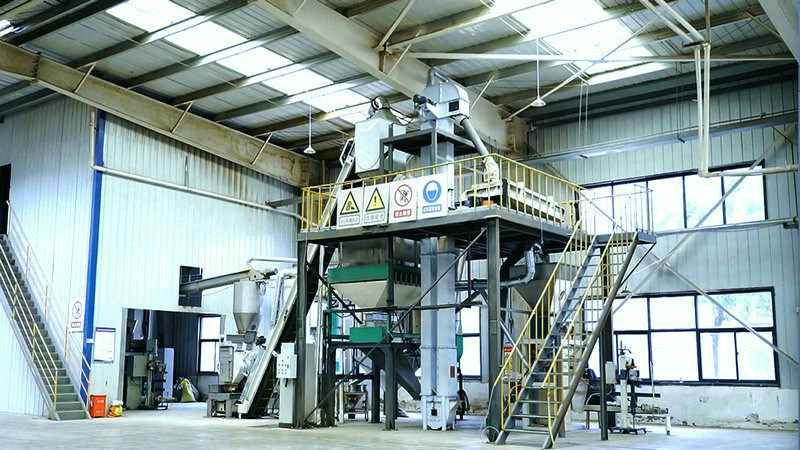
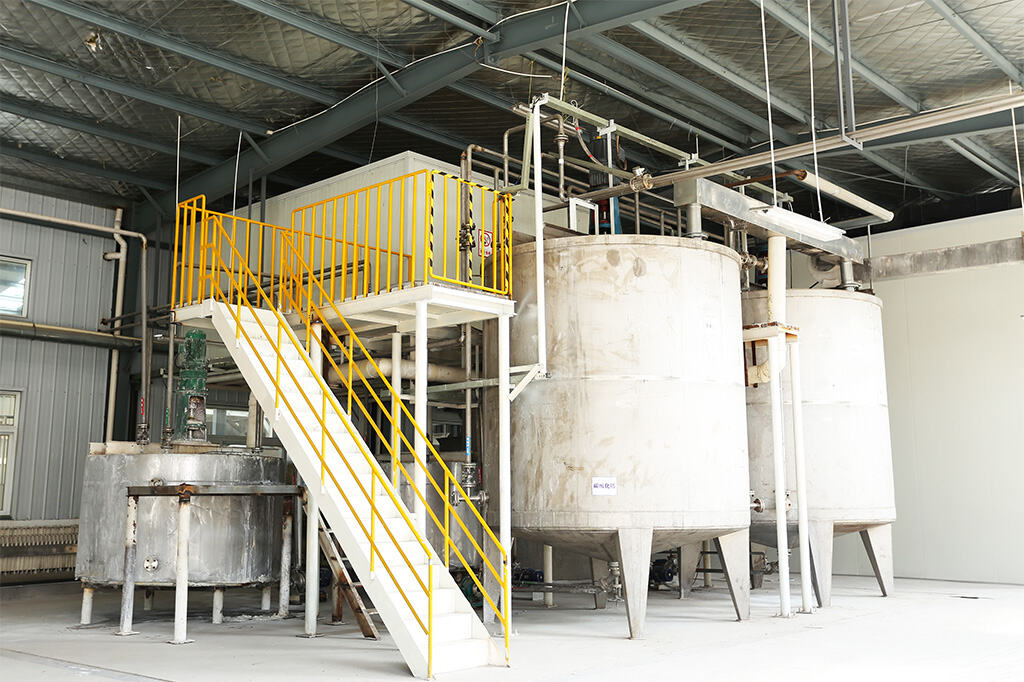
Advanced Industrial Infrastructure: Our factories leverage automated spray-drying towers, robust fermentation chambers, and robotic handling systems that maintain hygienic conditions, reducing contamination before the batch even reaches the autoclave phase.
Diversified Global Logistics: Export channels via Qingdao, Tianjin, and Shanghai ports, coordinated by our Hong Kong office, ensure smooth customs clearance, reliable vessel space booking, and predictable shipping times under FAMI-QS and GMP guidelines.
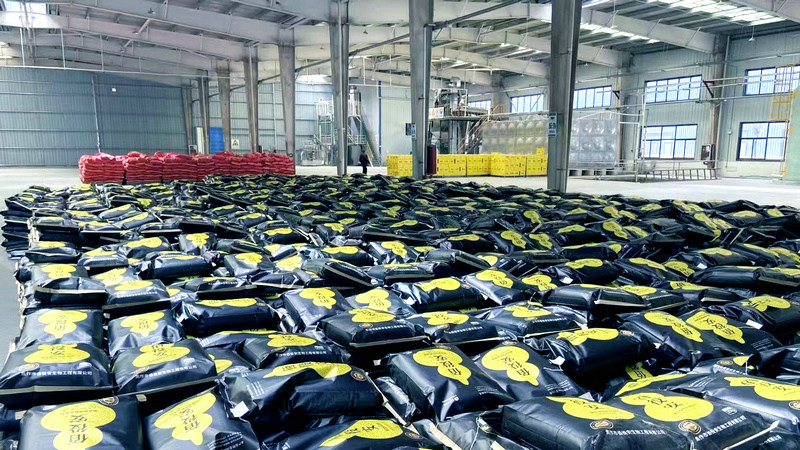
Our manufacturing operations utilize automated, sterile production configurations to guarantee consistency. Below is our verified feed additive and nutrient formulation processing pipeline:
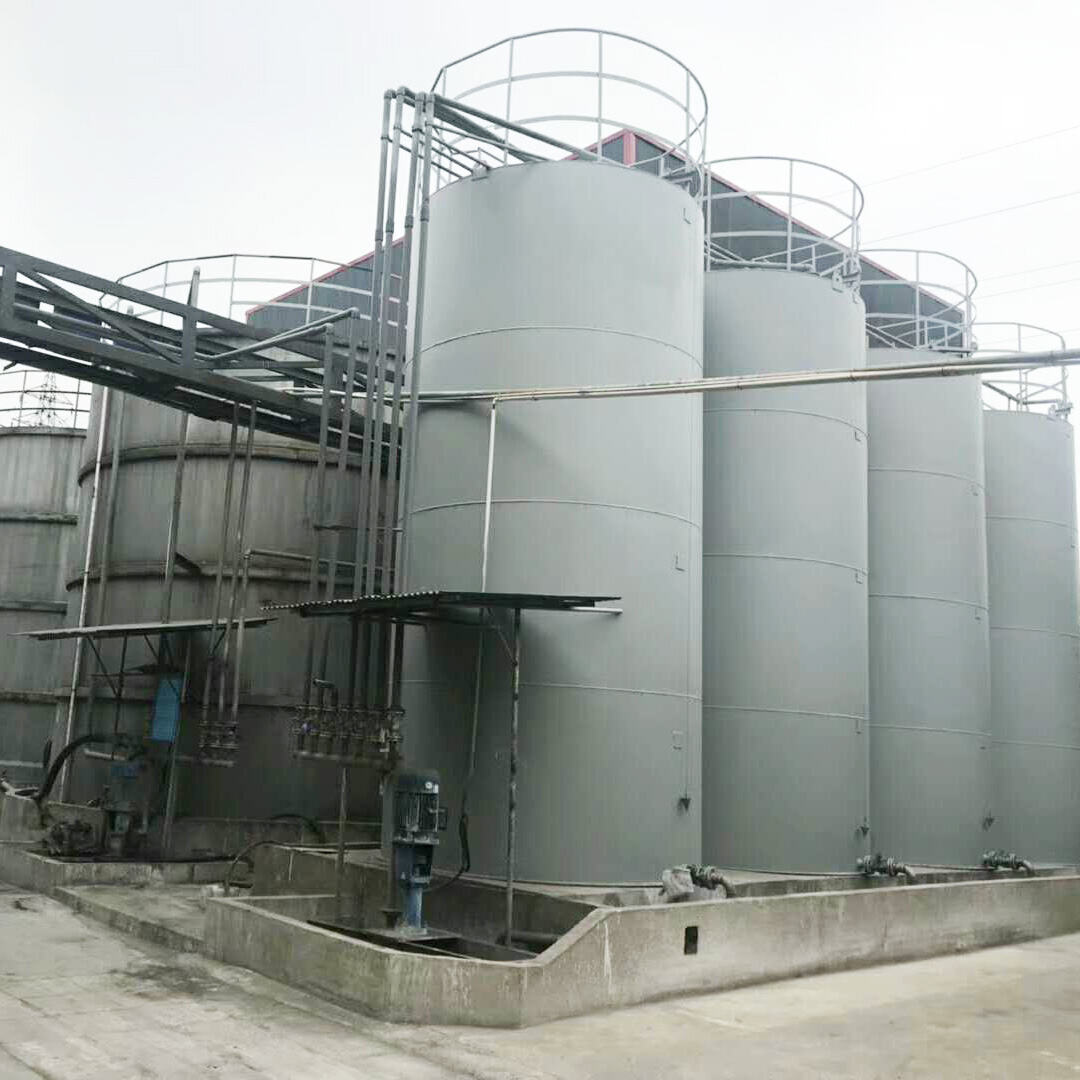
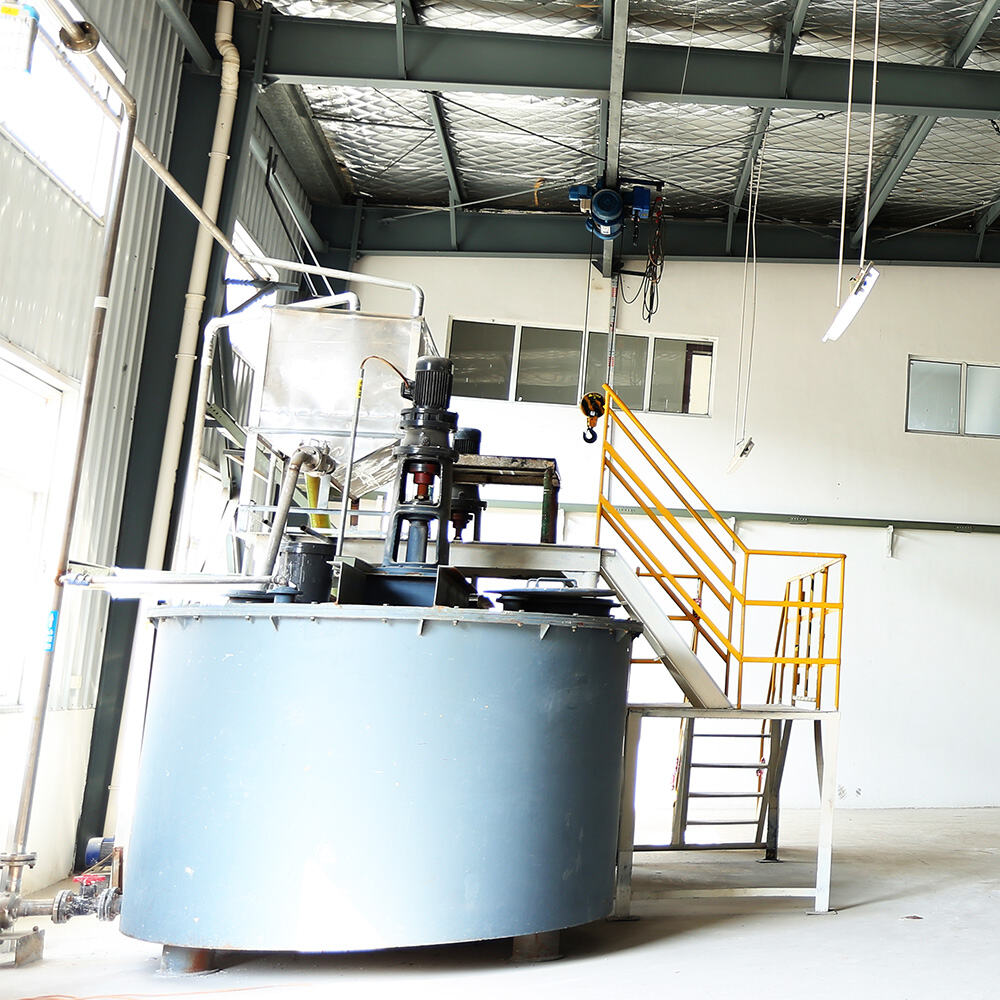
The animal feed industry faces ongoing pressure to phase out therapeutic antibiotics while mitigating pathogenic viral risks. As global regulations tighten, the demands on autoclavable technologies are evolving:
Future micro-coatings are incorporating nanostructured lipid carriers (NLCs) that provide structural stability at 134°C, but release immediately upon encountering specific enzymatic cues in the animal's duodenum, maximizing feed utilization.
We are working with research partners to screen and develop next-generation Bacillus and yeast variants. These strains feature heat-shock protein expressions that safeguard cell wall integrity during autoclave runs.
Combining plant nutrition (such as natural humic acids and EDDHA micro-elements) with animal waste recycling systems creates a bio-secure, closed-loop farming model. Our technical roadmaps focus on ensuring zero pathogen cross-contamination throughout this loop.
 Treo Nutrition