High-potency metabolic agents engineered to accelerate bioconversion, optimize nitrogen fixation, and revitalize depleted soils.
Modern agriculture is undergoing a paradigm shift driven by soil degradation, chemical dependency limits, and stringent carbon neutrality regulations. In this context, Industrial Compost Enhancers have evolved from simple organic starters into sophisticated bio-catalytic systems. In jurisdictions like the European Union (under the Circular Economy Action Plan) and North America, compost enhancement technologies are key tools to scale up municipal and agricultural waste upcycling.
Rather than relying on natural, slow decomposition processes, industrial operations require rapid, controlled, and optimized composting cycles. High-activity microbial inoculants, lignocellulose degrading enzymes, and tailored organic nutrients are deployed to achieve this efficiency. As globally active OEM/ODM suppliers, we manufacture compost enhancers that allow industrial operations to manage high moisture levels, heavy carbon concentrations, and excessive salinity.
Our custom formulations are designed to address the key challenges of commercial composting: accelerating organic matter stabilization, minimizing ammonia volatilization, suppressing pathogens through thermophilic heat control, and optimizing humification. By converting crop straw, municipal green waste, and animal manure into high-value organic fertilizers, we help close the loop on agricultural and industrial nutrition cycle management.
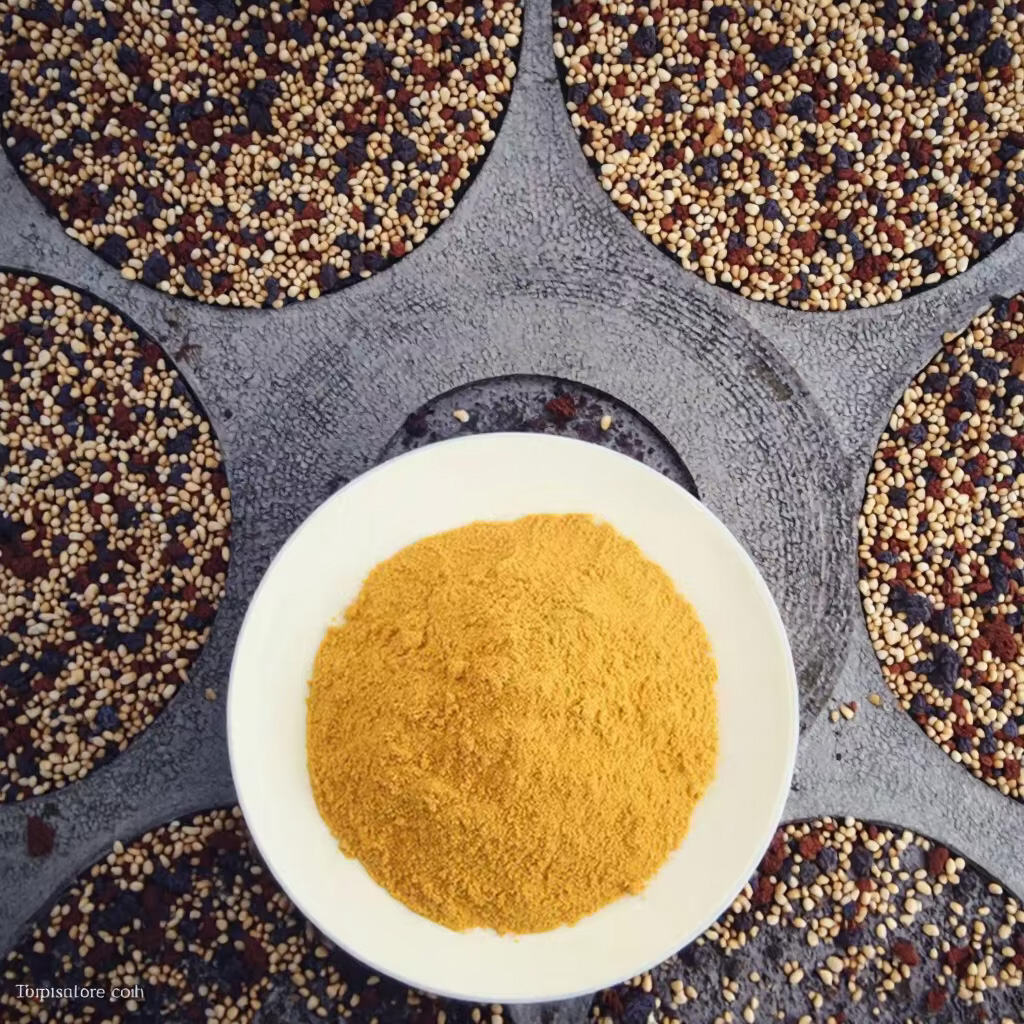
Optimizing Carbon-to-Nitrogen (C:N) balances and accelerating enzymatic degradation across thermophilic and mesophilic phases.
Utilizes thermal-tolerant strains of Bacillus and Trichoderma reesei to secrete cellulase, xylanase, and laccase. These enzymes break down rigid lignin matrices in plant waste, reducing processing time by up to 15 days.
Controls volatile ammonia losses by binding free nitrogen with high-activity humate compounds and slow-release nitrogen carriers. This preserves nutrient content and reduces odor emissions in industrial scale facilities.
Promotes the synthesis of highly polymerized humic and fulvic acids. This step turns raw compost into stable organic matter, which enhances soil cation exchange capacity (CEC) when applied.
| Compost Enhancement Criteria | Traditional Composting Methods | OEM Bio-Catalytic Enhanced Process | Impact on Downstream Agricultural ROI |
|---|---|---|---|
| Typical Fermentation Period | 60 to 90 Days | 28 to 35 Days | Increases annual plant throughput and lowers inventory costs. |
| Nitrogen Retention Index | 45% - 55% Retained | 80% - 92% Retained | High-nitrogen organic fertilizer commands a premium market price. |
| Pathogen Sanitization (60°C+) | Uneven, requires multiple turns | Rapid onset within 72 hours | Guarantees safety compliance for organic certification. |
| Humification Index (E4/E6 ratio) | Greater than 5.0 (Low Humus) | Less than 3.5 (High Humus) | Improves soil water-retention capacity. |
Adapting biological formulations to local agricultural systems and regulatory frameworks.
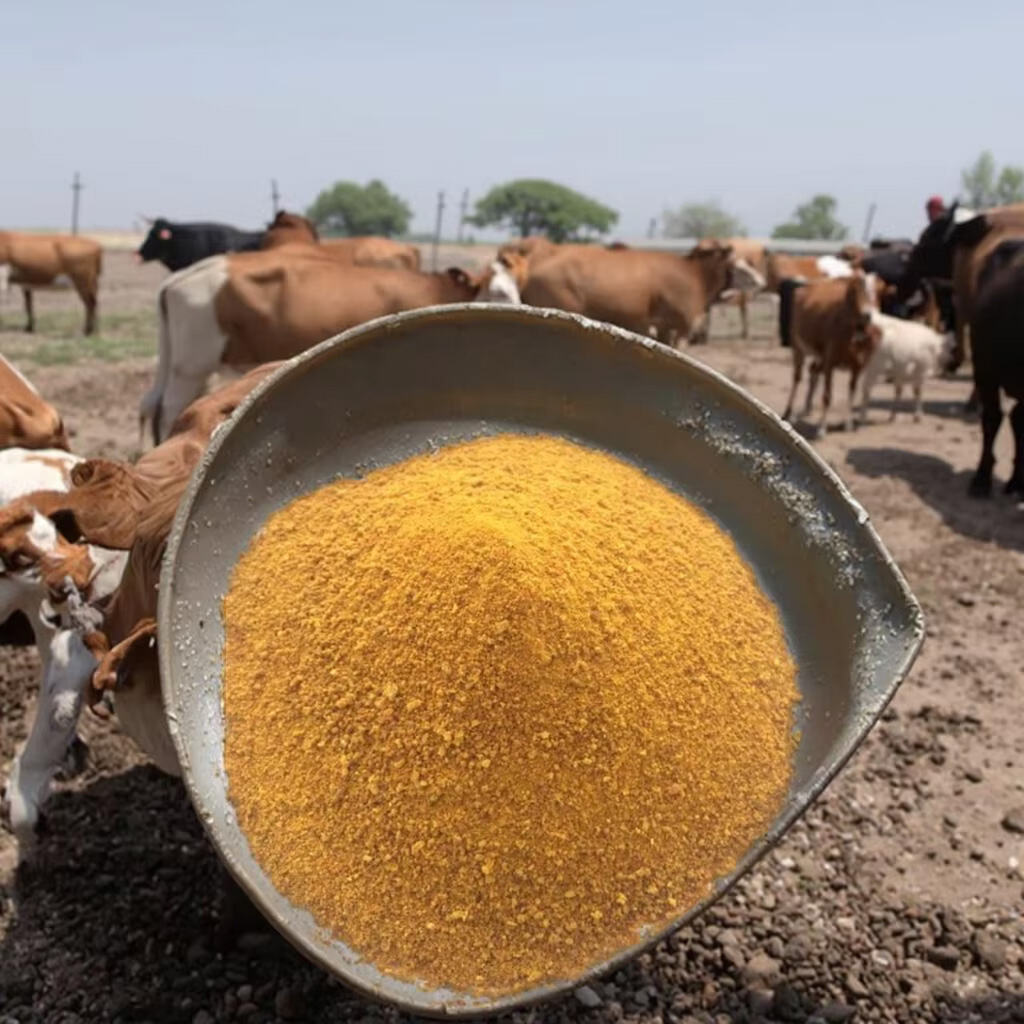
Animal feeding operations face challenges in managing nitrogen and phosphorus runoffs. In areas with intensive livestock production, our custom OEM compost enhancers help treat high-moisture poultry and pig manure. By combining these compost enhancers with slow-release nitrogen components, we stabilize organic nitrogen and prevent nutrient leaching, turning agricultural waste into balanced organic fertilizers.
In wheat and corn production regions, residue burning remains an environmental challenge. Our enzymatic compost enhancers accelerate the decomposition of stubble directly in the soil. Formulated with our proprietary fungal consortia, these enhancers degrade cellulose and hemicellulose. This process improves soil organic matter (SOM) structure, releases locked nutrients, and prepares fields for the next sowing cycle without burning.
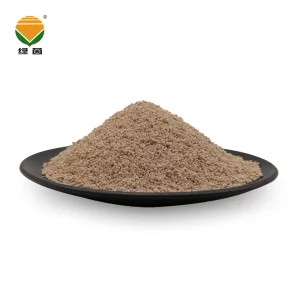
Municipalities often deal with high food-waste moisture levels and low structure, which can cause anaerobic pockets and foul odors. Our custom formulations utilize dry agricultural byproducts like Corn Gluten Meal and rice hulls to optimize C:N ratios. Combined with functional bacteria that outcompete odor-producing anaerobic microbes, this approach allows municipal facilities to operate closer to urban centers with fewer odor issues.
Integrating animal nutrition and soil biostimulants through advanced manufacturing infrastructure.
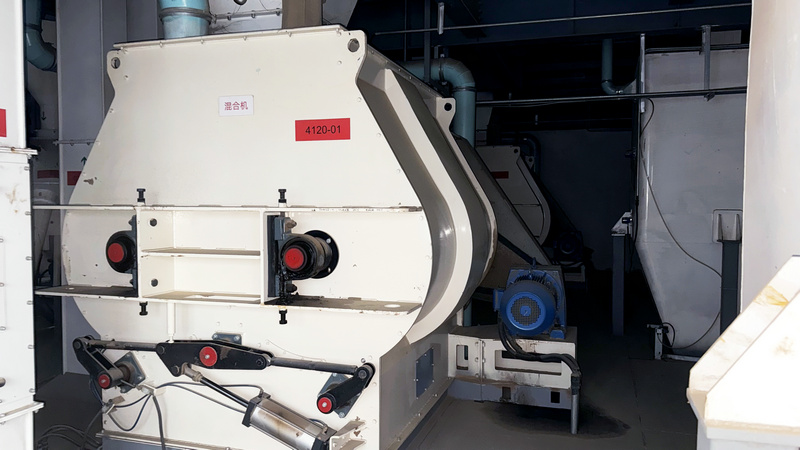
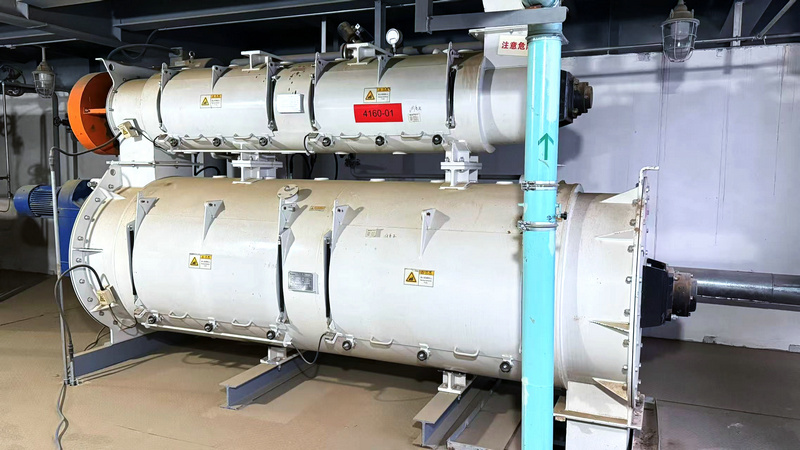
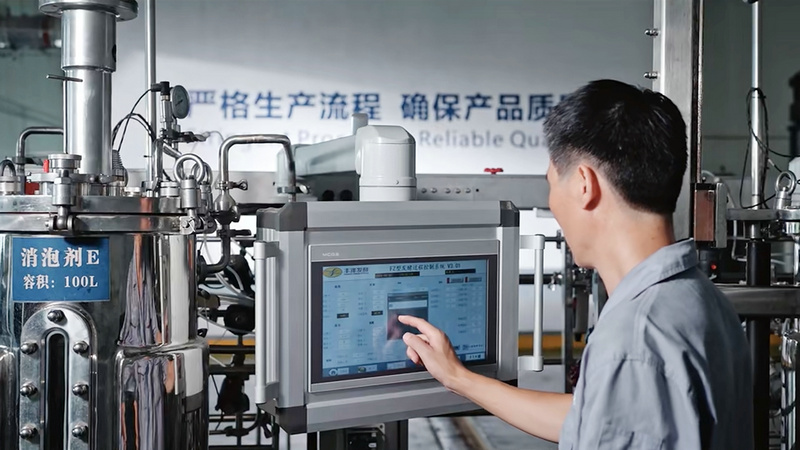
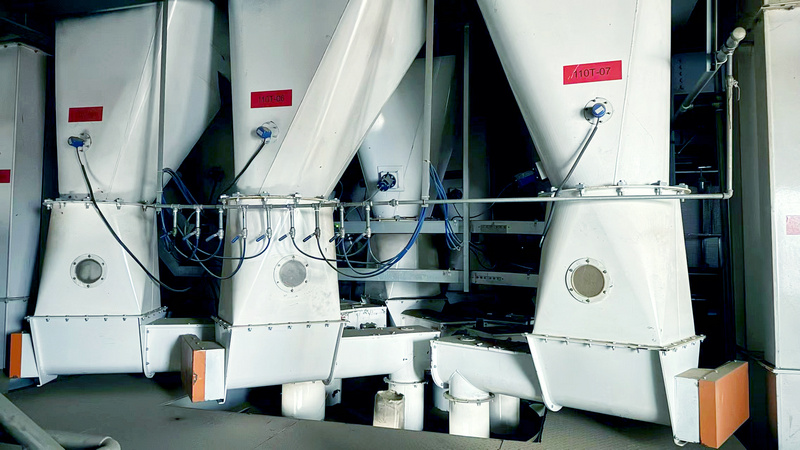
With over 20 years of industry experience, Zhengzhou Treo Nutrition Co., Ltd. is committed to delivering innovative, efficient, and sustainable nutrition solutions for both animal husbandry and modern agriculture. Leveraging deep technical expertise and continuous research, the company has established a strong foundation in the field of animal nutrition. We specialize in high-quality feed ingredients and additives such as Corn Gluten Meal 60%, Mycoprotein 70%, and Rice Protein Powder 70%, which are widely recognized for their stable quality, high nutritional value, and cost-effectiveness. Through scientific formulation and strict quality control, we help customers improve feed efficiency, animal health, and overall productivity.
In response to the increasing global demand for sustainable agricultural practices, Treo Nutrition has strategically expanded its business scope into crop nutrition and soil health management. Our diversified product portfolio now includes CSL Powder 42%, Organic NPK Fertilizers, soil conditioners, and tailor-made nutrient solutions. These products are designed to enhance soil structure, increase nutrient availability, boost crop resilience, and ultimately improve yield and quality, while reducing environmental impact.
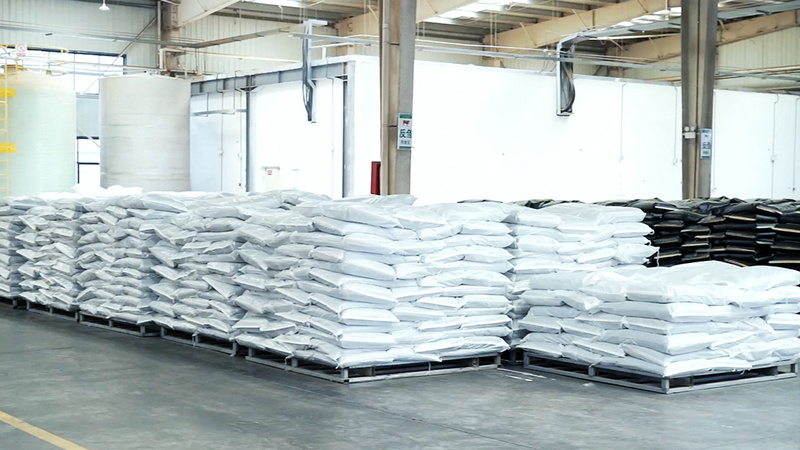
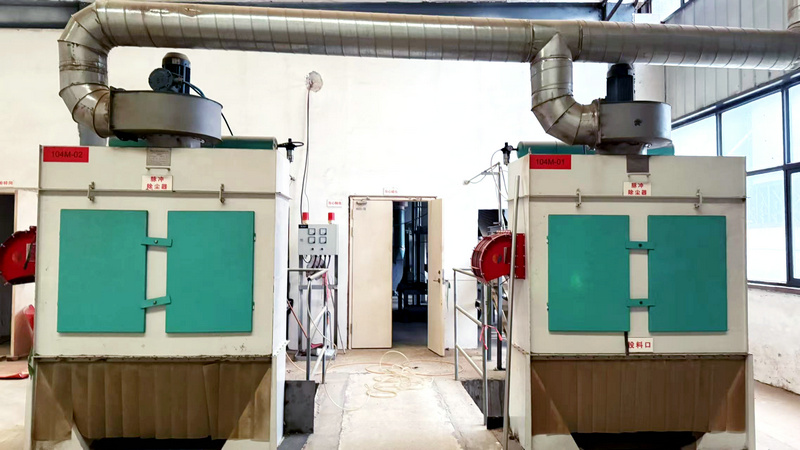
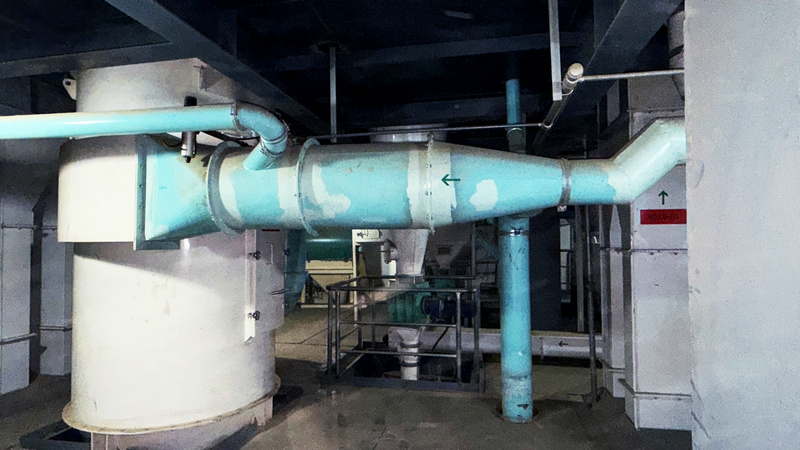
To better serve international markets, the company operates offices in Zhengzhou and Hong Kong, supported by multiple modern production facilities located in Shandong, Hebei, and Jiangsu. With a well-integrated supply chain and advanced manufacturing processes, we ensure consistent product quality, reliable supply, competitive pricing, and timely global delivery. Our logistics and service teams work closely with partners worldwide to provide flexible and customized solutions.
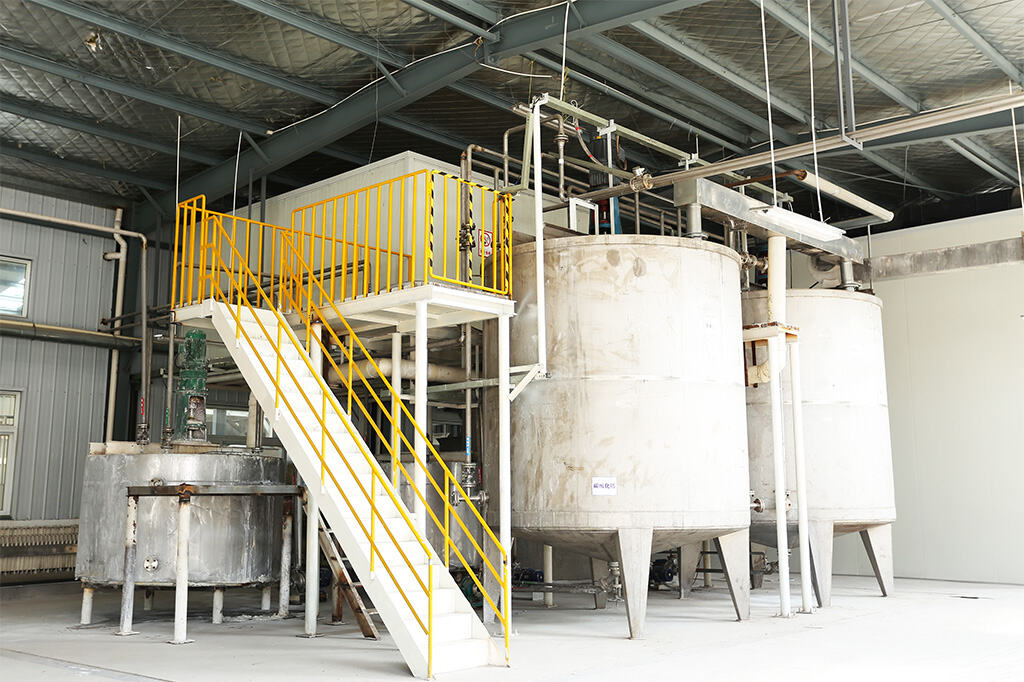
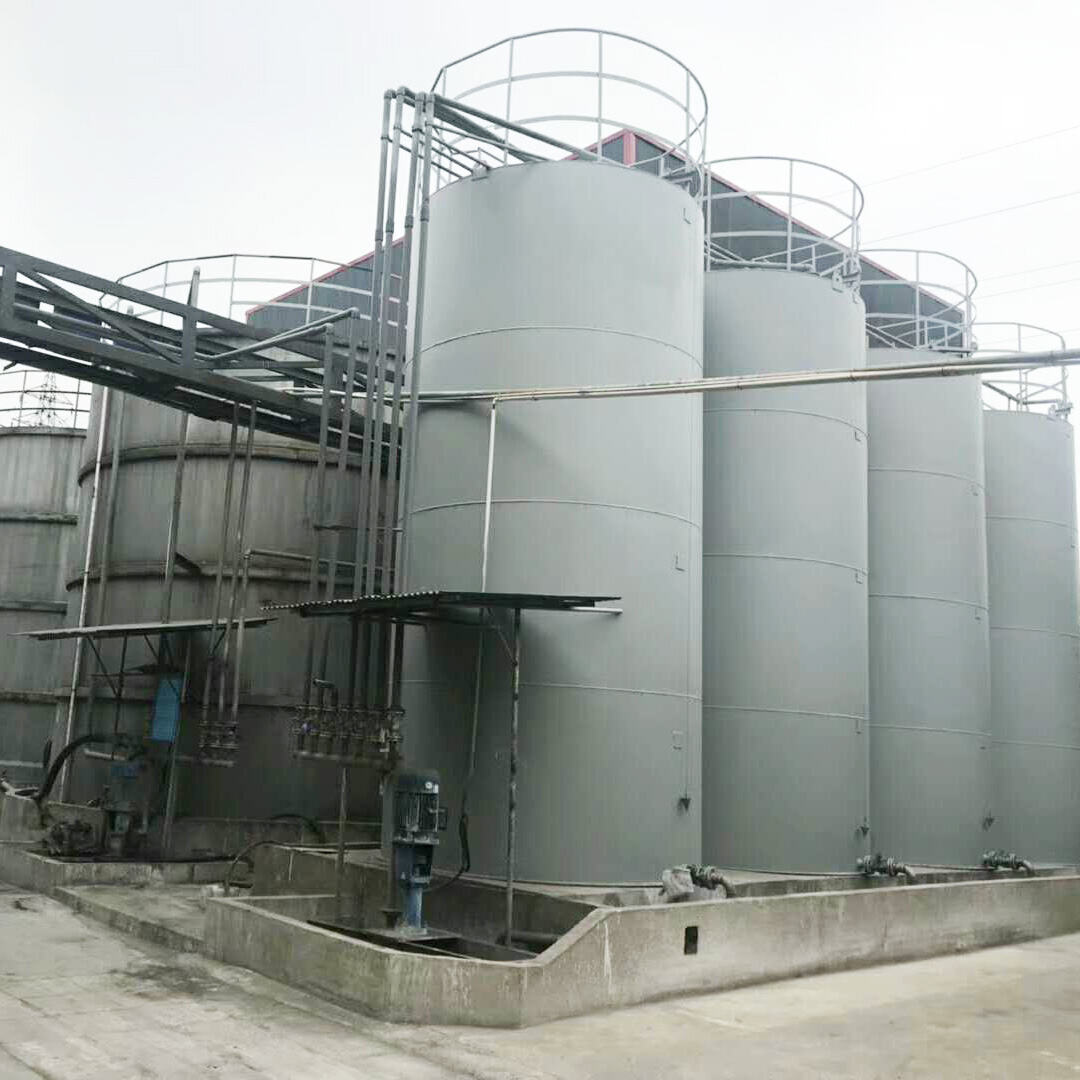
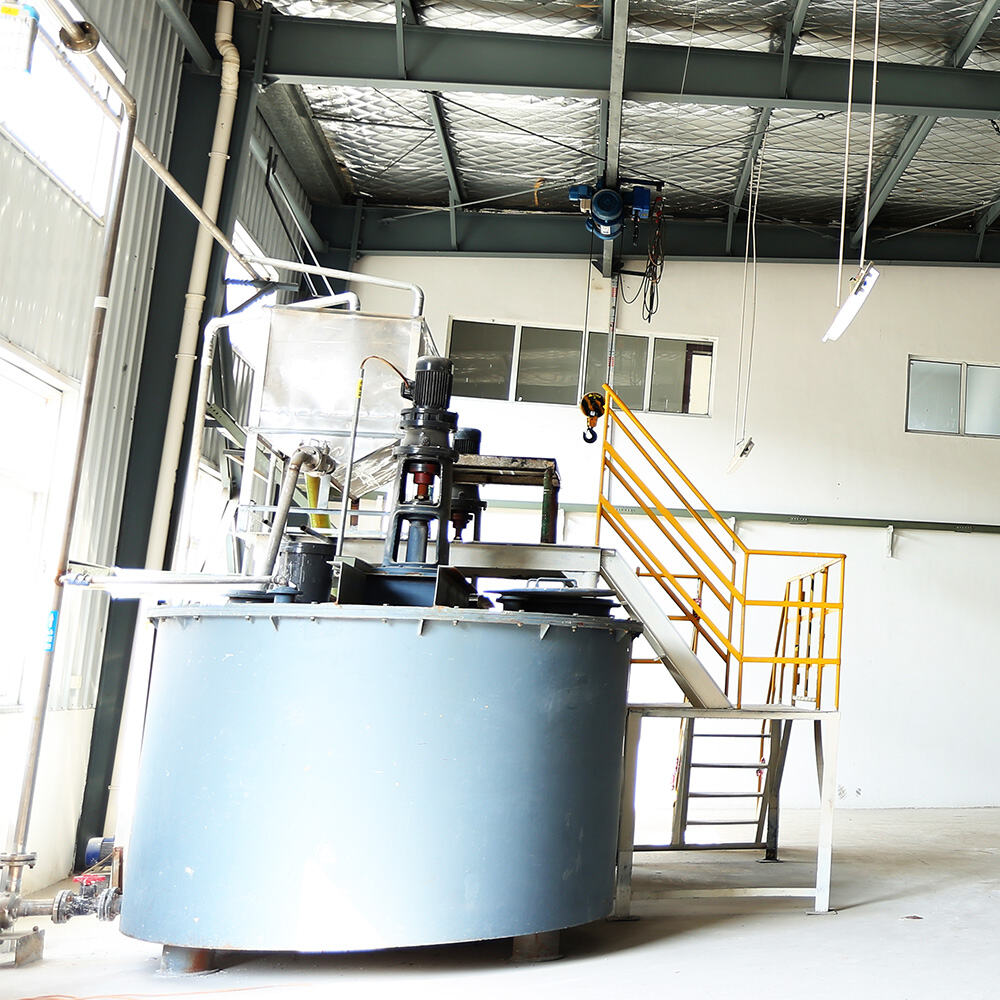
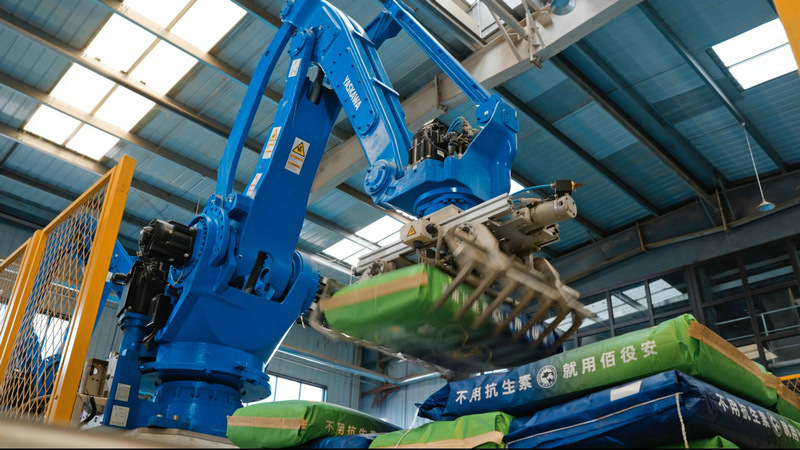
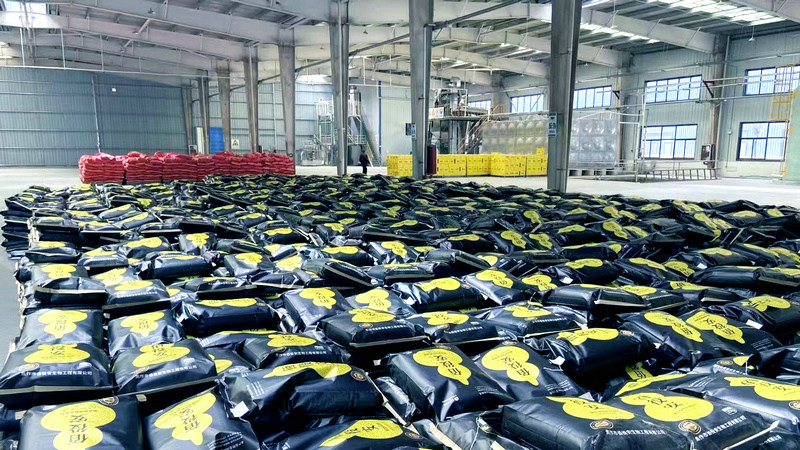
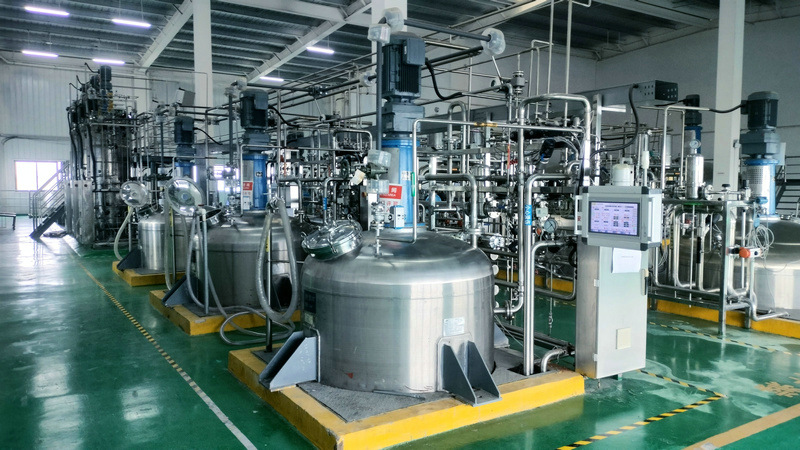
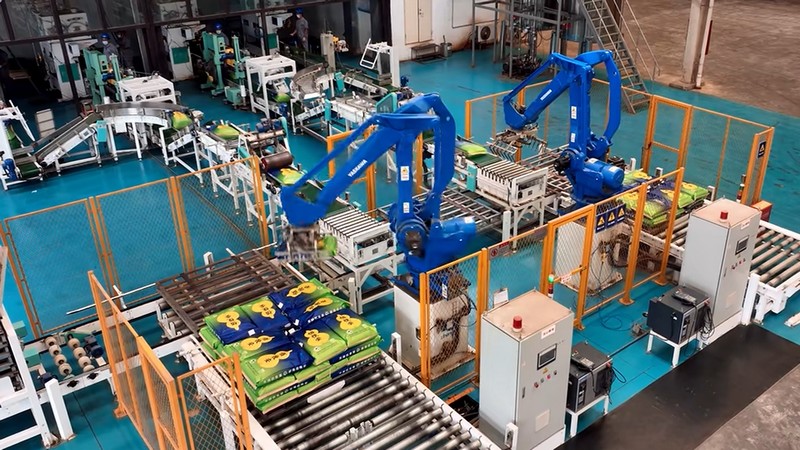
Quality assurance from raw materials sourcing to the final packaged organic formulations.
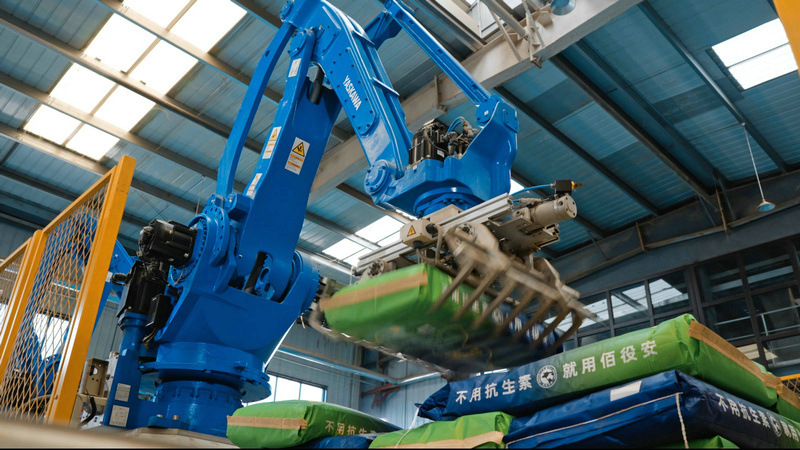
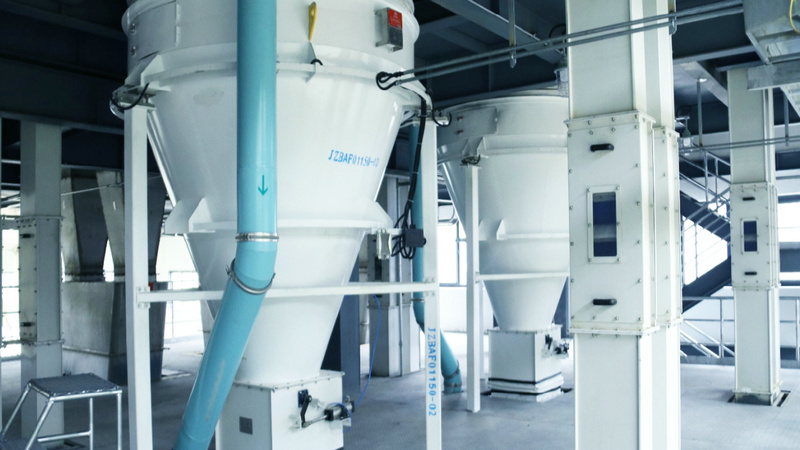
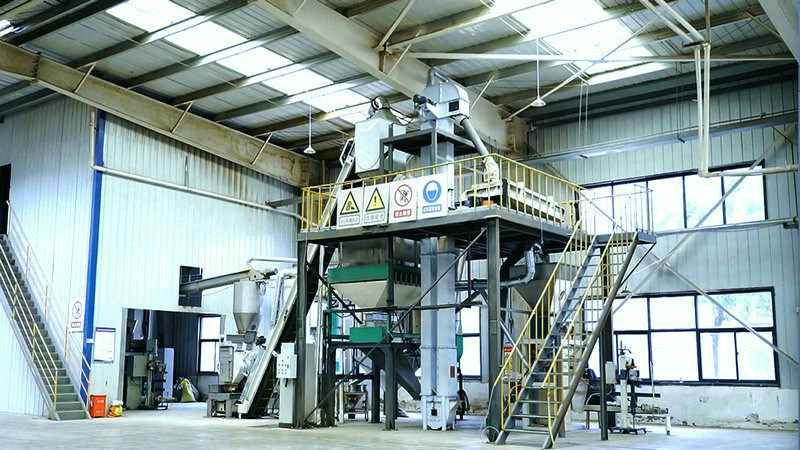
The next generation of soil repair and biological waste management (2025–2030).
Treo Nutrition's R&D efforts are focused on developing solutions that combine waste upcycling with soil regeneration. Our development pipeline centers on three core innovations:
By integrating animal feed ingredients and advanced soil nutrition, we support circular farming systems. Converting nutrient-rich organic waste back into healthy soils helps agricultural operations improve efficiency, reduce carbon footprints, and promote environmental sustainability.
Technical insights on OEM customization, microbial formulations, and export operations.
Targeted organic nutrients and system solutions to enhance soil biology and crop productivity.

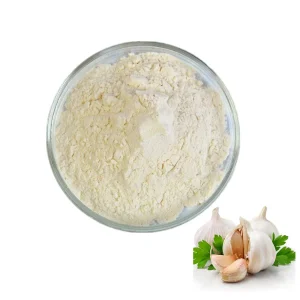
 Treo Nutrition