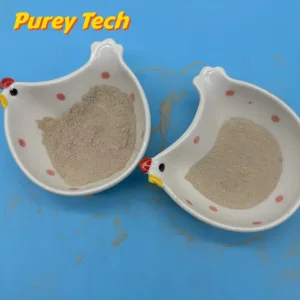
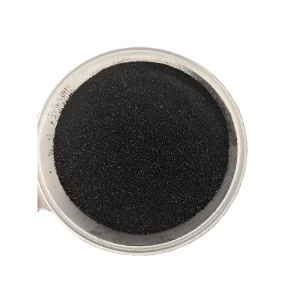
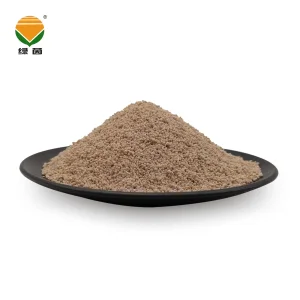
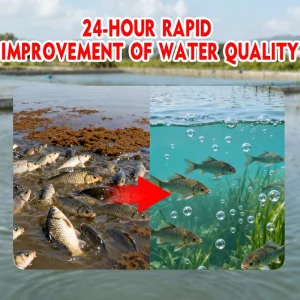
Premium biological structures engineered to maximize nutritional efficiency, soil productivity, and structural resilience.
Exploring structural trends, global procurement standards, and advanced manufacturing frameworks in animal nutrition and soil biochemistry.
The modern agro-industrial and veterinary landscape is undergoing a monumental paradigm shift. The historical reliance on chemically synthesized growth promoters and standard feed matrices is rapidly giving way to precision-targeted, bio-enzymatic supplement systems. In this context, securing supply channels with a reliable, CE Certified Enzyme Supplements Factory has evolved from an operational option to a primary strategic necessity for global distributors and large-scale industrial farmers alike.
Enzymes serve as biocatalysts that accelerate chemical reactions within living systems. In animal nutrition, enzymes like phytases, proteases, amylases, and xylanases are formulated to break down complex feed fractions that animals cannot digest natively. By targeting non-starch polysaccharides (NSPs) and phytates, these biological catalysts release crucial mineral pools and amino acids, optimizing feed conversion ratios (FCR) and reducing nutrient excretion into the soil, thereby satisfying stringent global environmental criteria.
The global feed enzyme market is projected to reach unprecedented valuations over the next decade. This growth is propelled by several macro-environmental dynamics:
Large-scale purchasing managers do not merely seek lowest-cost-per-ton scenarios; they seek risk mitigation and formulation consistency. When scouting for a CE Certified Enzyme Supplements Supplier, the procurement checklist focuses heavily on the following aspects:
Thermo-Stability Profiles: Standard feed manufacturing relies on extrusion and pelleting processes that involve high temperatures (often exceeding 85°C). Normal enzymes denature under such heat. Consequently, suppliers must offer micro-encapsulated or structurally heat-resistant variants that survive processing and remain fully active inside the animal’s gut.
Strict Standardization: Enzymatic activity must be uniform across batches. Professional labs calculate activity units (e.g., FTU/g for phytase) to ensure consistency. Any variance can disrupt formulated feed ratios and negatively impact animal performance.
We perform rigorous assay testing to ensure that enzyme activity aligns exactly with labeled targets. This guarantees that your formulations meet nutritional metrics in real-world feeding environments.
Our CE mark and international certifications ensure smooth customs clearance and compliance with the most stringent global standards, simplifying your logistics pipeline.
By leveraging decentralized manufacturing in key agricultural hubs (Shandong, Hebei, Jiangsu), we mitigate localized raw material and logistics constraints to guarantee year-round delivery.
With over 20 years of deep-seated industry experience, Zhengzhou Treo Nutrition Co., Ltd. is committed to delivering innovative, efficient, and sustainable nutrition solutions for both animal husbandry and modern agriculture. Leveraging deep technical expertise and continuous research, the company has established a strong foundation in the field of animal nutrition.
We specialize in high-quality feed ingredients and additives such as Corn Gluten Meal 60%, Mycoprotein 70%, and Rice Protein Powder 70%, which are widely recognized for their stable quality, high nutritional value, and cost-effectiveness. Through scientific formulation and strict quality control, we help customers improve feed efficiency, animal health, and overall productivity.
In response to the increasing global demand for sustainable agricultural practices, Treo Nutrition has strategically expanded its business scope into crop nutrition and soil health management. Our diversified product portfolio now includes CSL Powder 42%, Organic NPK Fertilizers, soil conditioners, and tailor-made nutrient solutions. These products are designed to enhance soil structure, increase nutrient availability, boost crop resilience, and ultimately improve yield and quality, while reducing environmental impact.

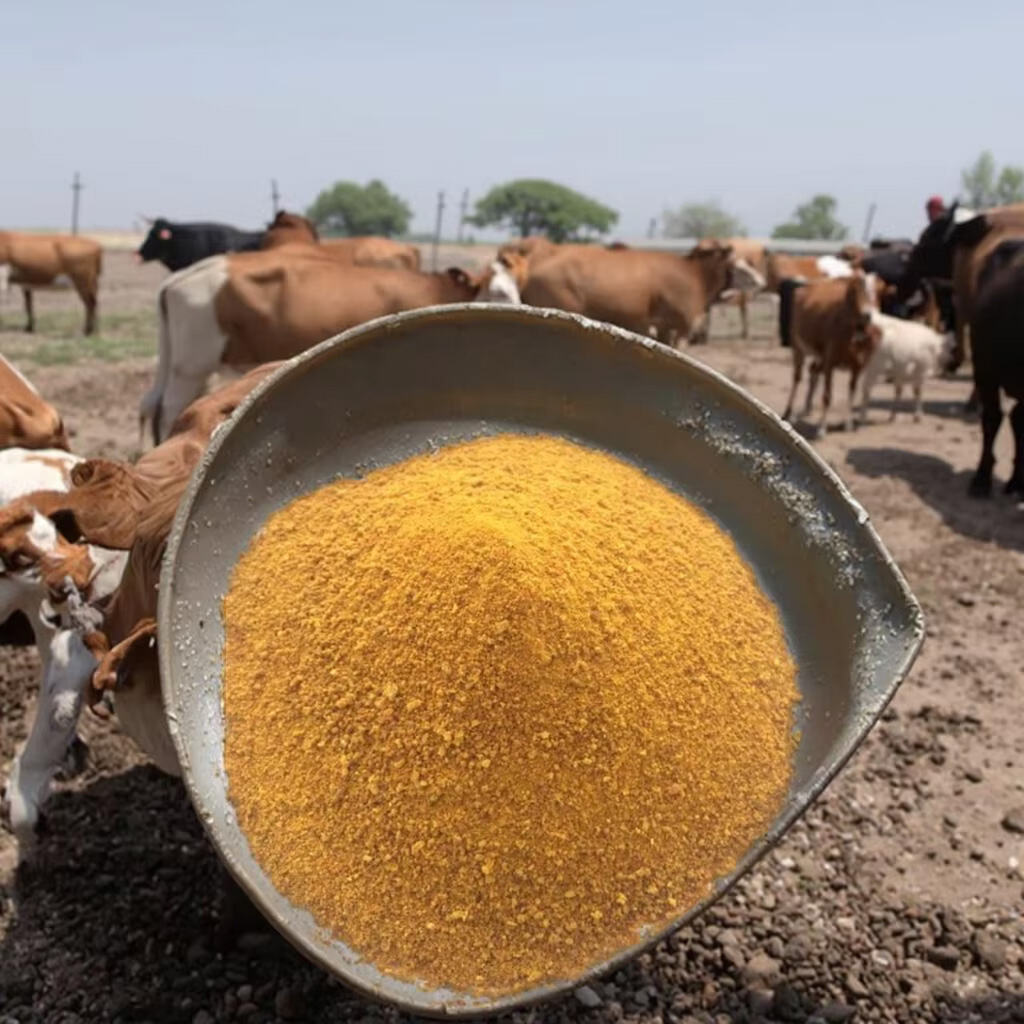
How our advanced manufacturing pipeline from raw materials to final finished products guarantees quality consistency.
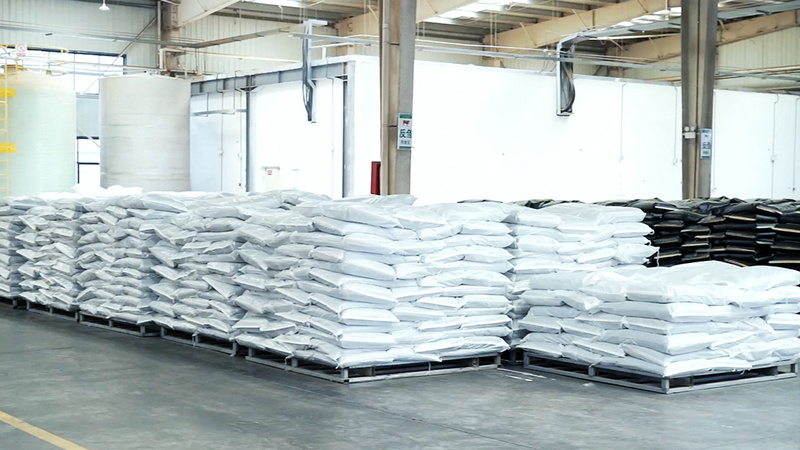
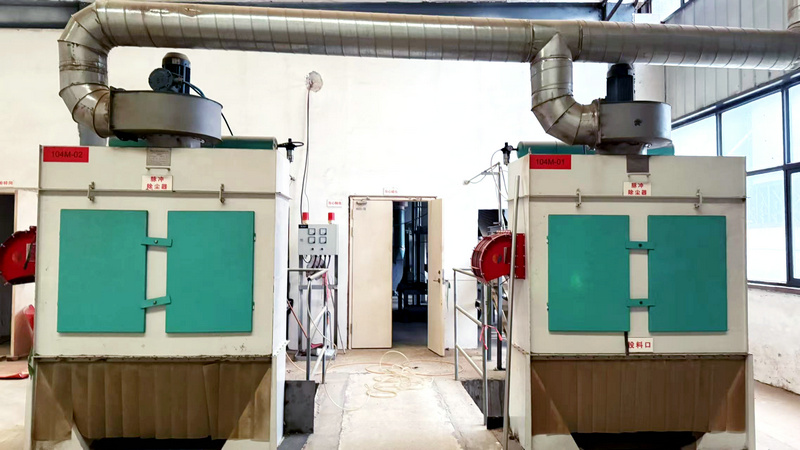
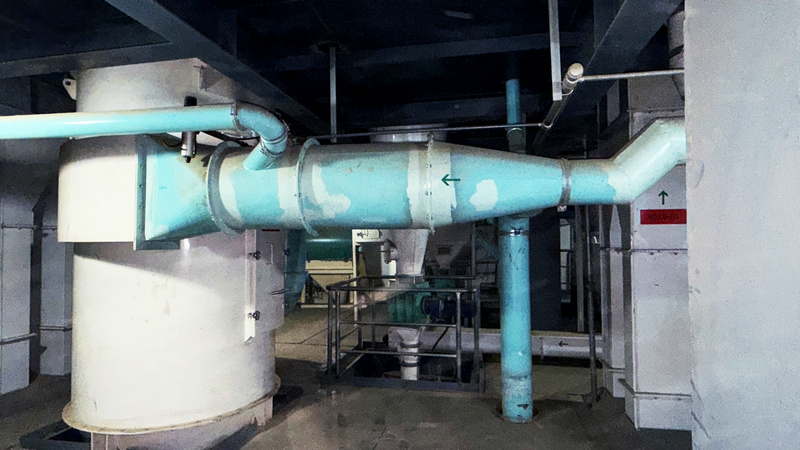
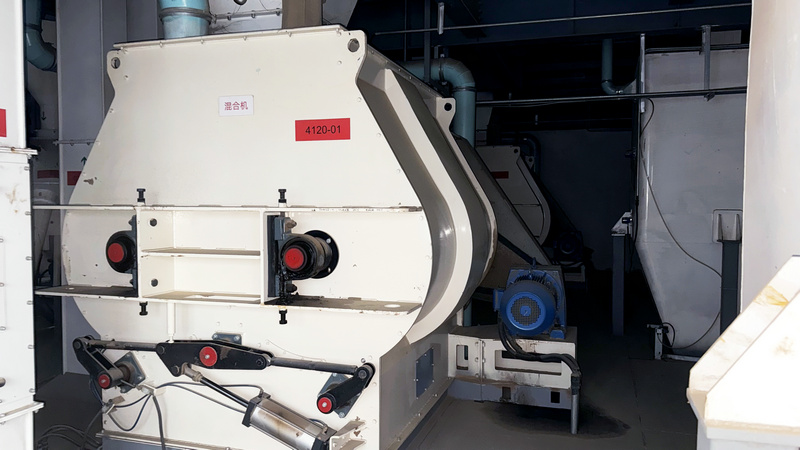
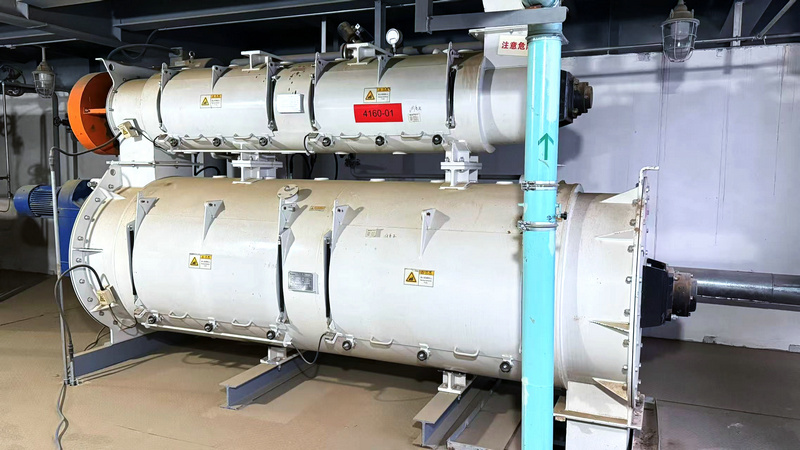
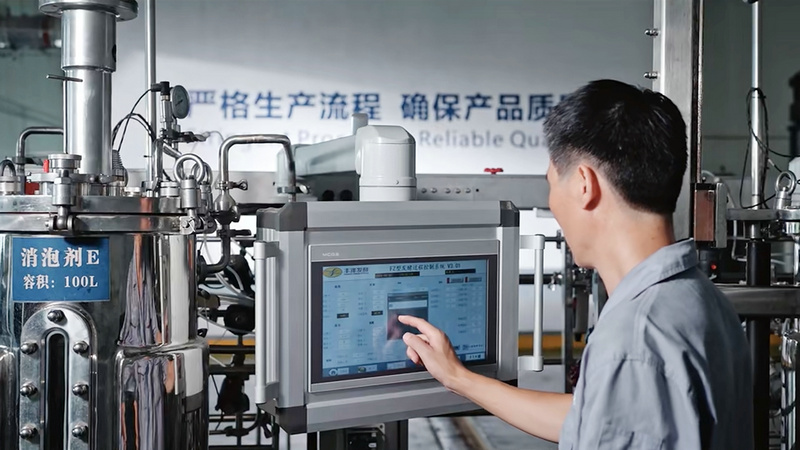
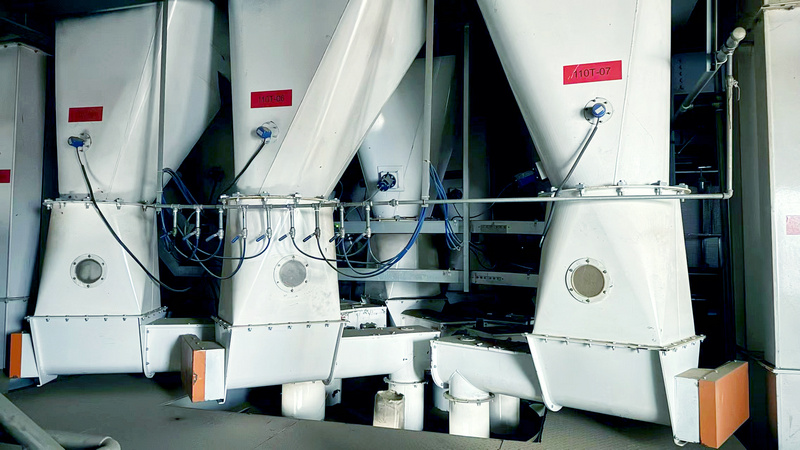
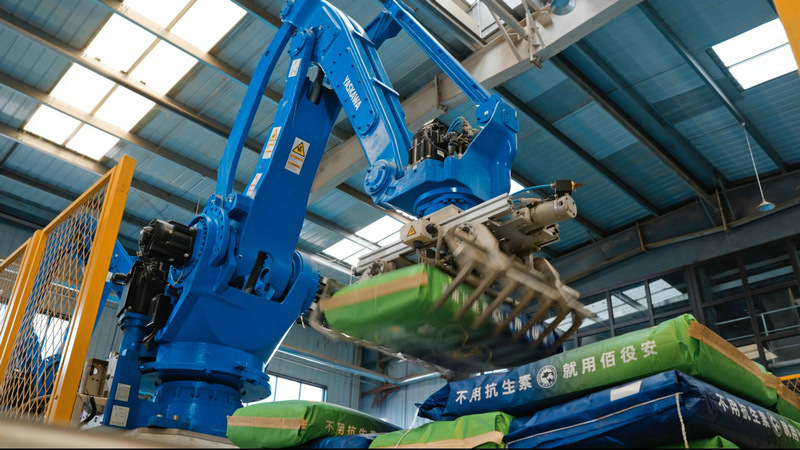
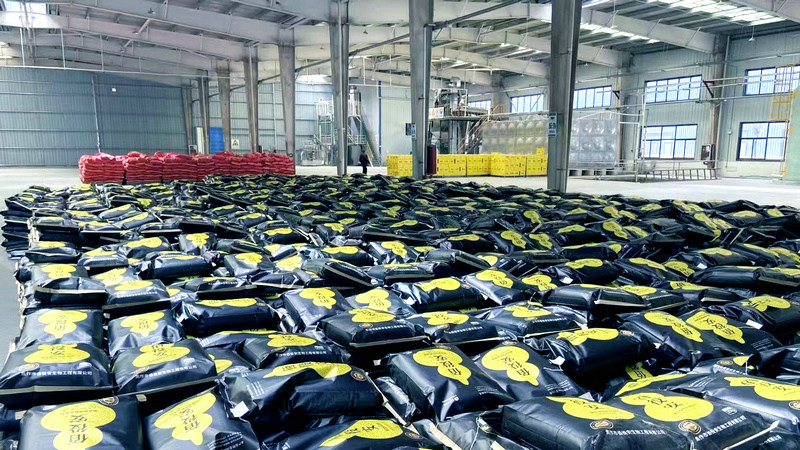
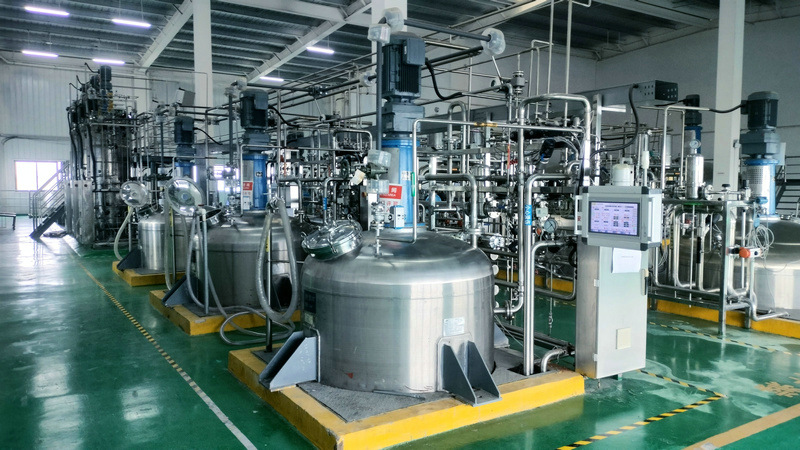
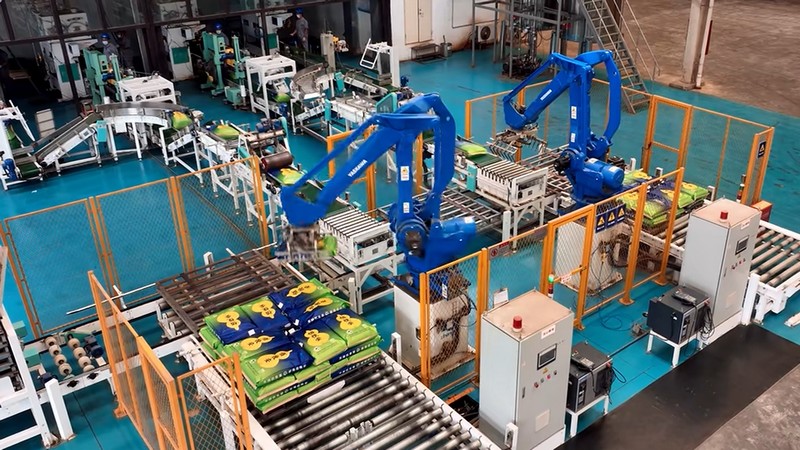
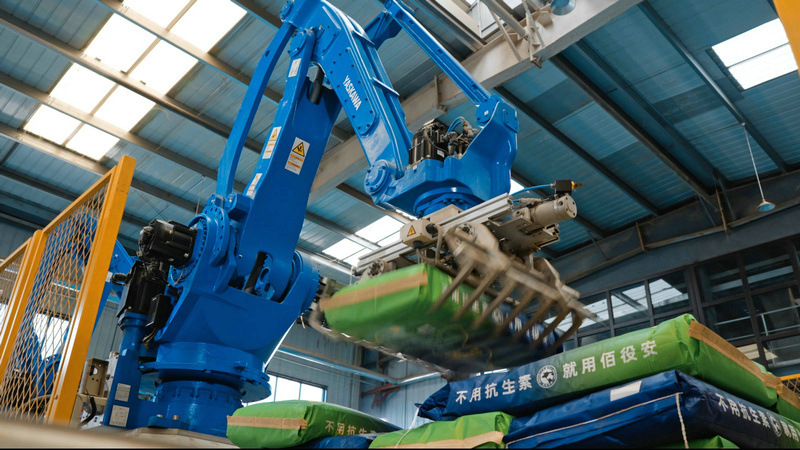
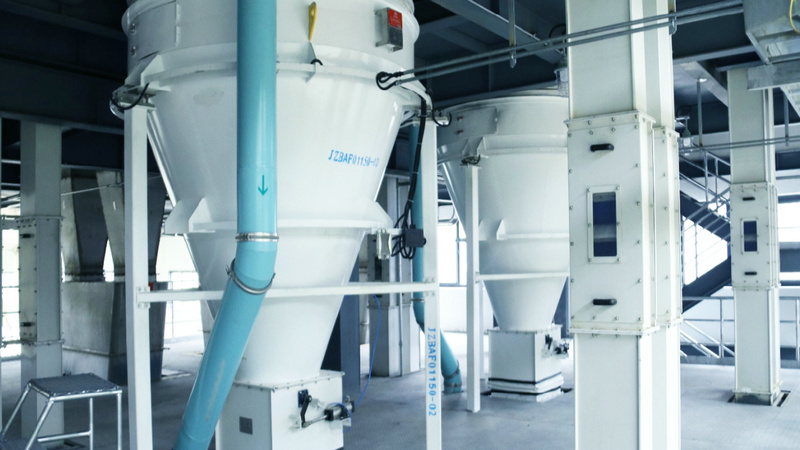
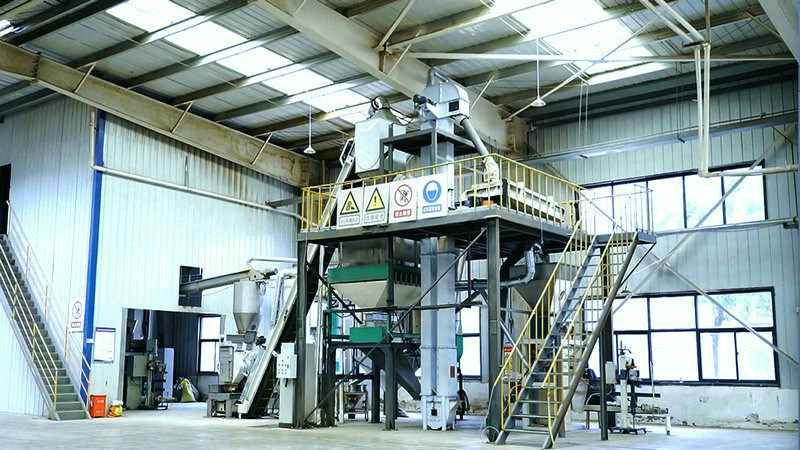
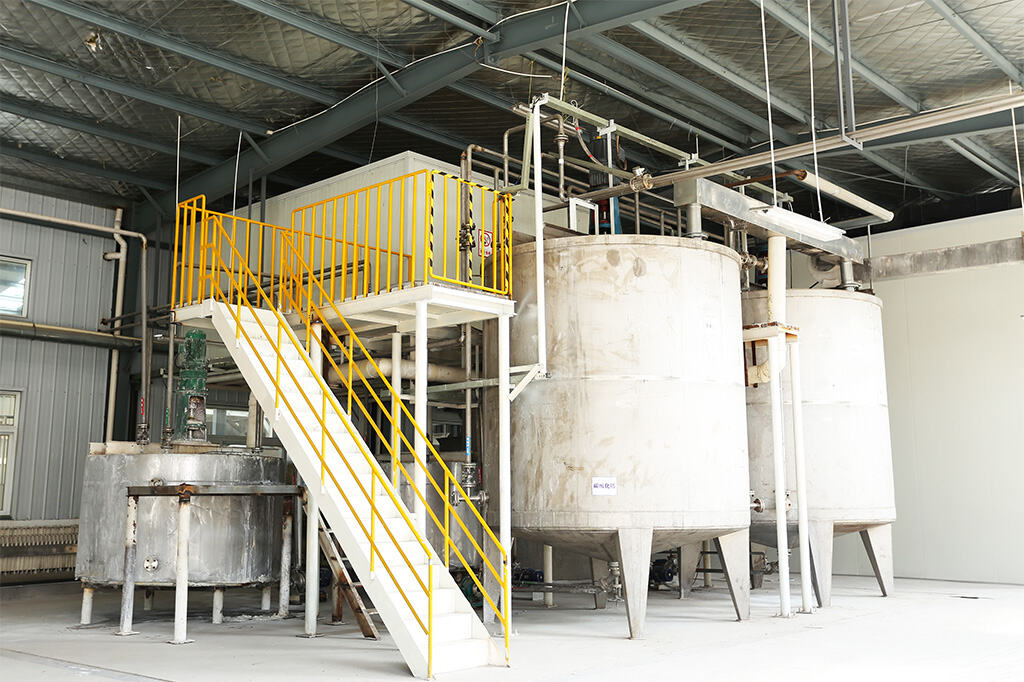
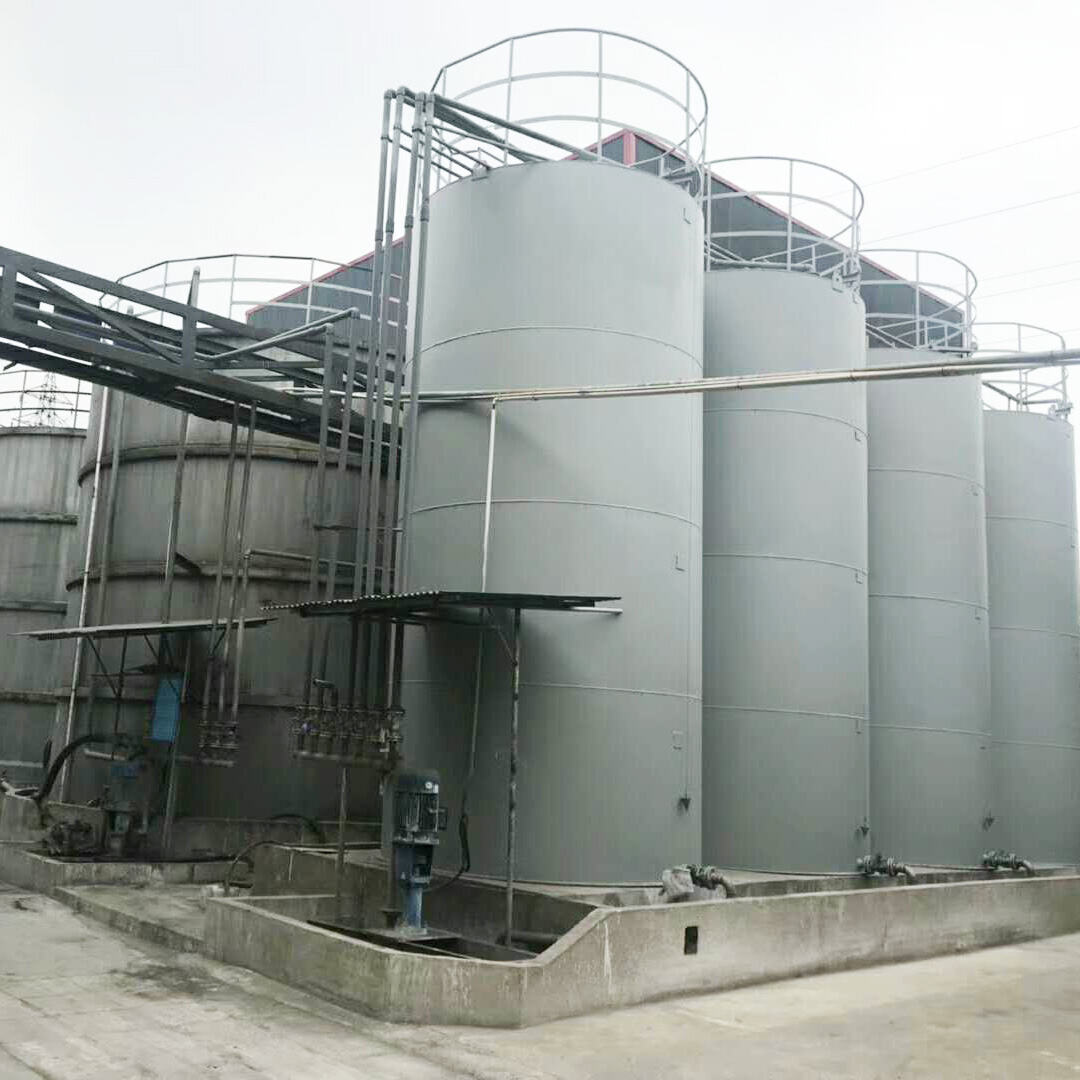
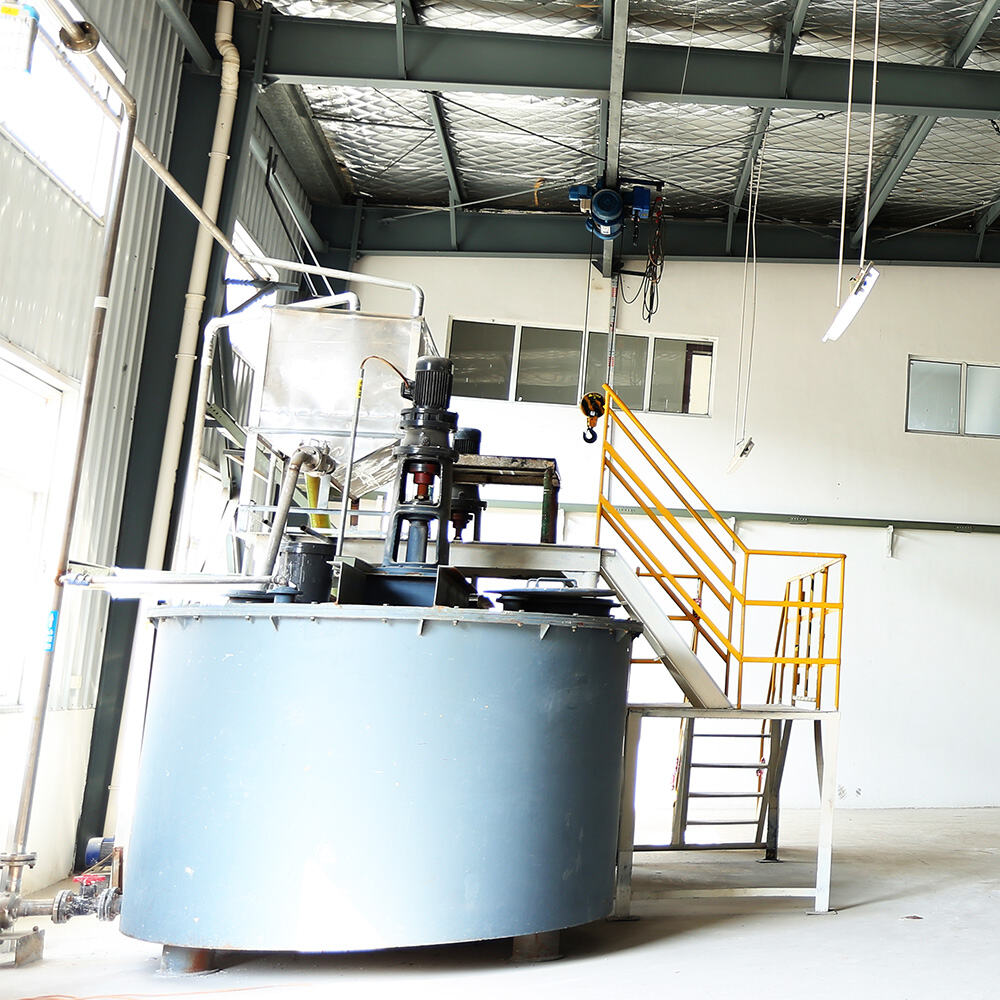
To better serve international markets, the company operates corporate and administrative offices in Zhengzhou and Hong Kong, supported by multiple modern production facilities located in Shandong, Hebei, and Jiangsu. This strategic geographical layout represents a major structural advantage in ensuring supply chain continuity:
This localized network of production plants mitigates single-point-of-failure risks, ensuring that Treo Nutrition remains resilient in the face of local energy caps, supply crunches, or shipping bottlenecks. By integrating logistics hubs across East and North China, we maintain optimal stock levels and offer highly competitive pricing configurations on global terms.
Modern commercial diets for swine, poultry, and ruminants are heavily reliant on cereal grains and oilseed meals. These plant materials contain high levels of indigestible fibers, specifically non-starch polysaccharides (NSPs) such as arabinoxylans, beta-glucans, and cellulose. In the gut, these NSPs absorb water and create a thick, viscous gel that impedes the interaction between the animal's endogenous digestive enzymes and target nutrients.
Our CE Certified Enzyme supplements directly target this physical barrier. The primary enzyme groups work synergistically to improve absorption pathways:
Phytase: This enzyme breaks down phytate (myo-inositol hexakisphosphate), which is the primary storage form of phosphorus in plants. Ruminants and monogastric animals cannot break this bond efficiently on their own, meaning phosphorus is wasted and excreted. Phytase releases inorganic phosphorus, eliminating the need for expensive dicalcium phosphate (MDCP) additions while significantly reducing environmental phosphate contamination.
Protease: Targeting anti-nutritional proteins (such as trypsin inhibitors in soy products), proteases complement the animal’s native pepsin and pancreatic enzymes. This ensures complete breakdown of protein into bio-available peptides and amino acids, which is critical in young animals whose digestive systems are not yet fully mature.
Carbohydrase Complexes (Xylanase & Amylase): These break down the cell walls of grain ingredients, releasing starch and proteins trapped inside. Reducing gut viscosity in this manner accelerates the passage of feed, improves dry matter digestibility, and reduces the water content of manure, creating a cleaner and drier housing environment for the animals.
Enzymes are highly context-sensitive. The optimization of these biological catalysts requires localized strategies tailored to specific regional conditions:
Scenario A: Latin American Soy-Corn Intensive Diets
In regions where diets rely heavily on high-density corn and soy feeds, adding high-potency proteases and phytases yields immediate financial benefits. Our formulations allow feed mills to safely reduce the inclusion rate of raw soybean meal and dicalcium phosphate, achieving similar growth rates while lowering feed cost per ton by up to 5%.
Scenario B: Southeast Asian Rice and Wheat By-Product Utilization
In areas utilizing alternative energy ingredients such as rice bran, wheat pollard, and local crop meals, xylanase and beta-glucanase complexes are crucial. They break down the tough, fibrous cell structures of these ingredients, enabling livestock to digest them and helping feed mills stabilize diets despite fluctuations in traditional raw material supplies.
Get professional answers directly from our technical staff regarding certifications, stability, and applications.
The CE mark indicates that our products conform to health, safety, and environmental protection standards for products sold within the European Economic Area (EEA). In the context of enzyme supplements, it guarantees the safety of the microbial production strains, the absence of toxic by-products, and compliance with EU animal feed and agricultural safety regulations.
Our advanced manufacturing plants utilize physical micro-encapsulation techniques. We coat the active enzyme cores with a protective lipid and carbohydrate matrix that remains intact during the brief, high-heat phase of feed pelleting (up to 85°C-90°C), dissolving only when it reaches the animal's digestive tract.
Under dry, cool conditions (below 25°C), our dry enzyme formulations retain over 90% of their declared activity for up to 12 months. Keep bags sealed and avoid exposure to direct sunlight and high humidity.
Our central logistics team in Zhengzhou manages orders, matching them to the production capacity and current stock levels at our Shandong, Hebei, and Jiangsu plants. We then route shipments through either Zhengzhou, Qingdao, or Hong Kong to optimize transit times and shipping costs for our global customers.
Yes. In addition to animal nutrition, we formulate specialized soil enzymes (such as cellulases and phosphatases) that can be co-applied with our water-soluble organic fertilizers (humic acid, potassium humate) to accelerate organic matter decomposition and boost soil microbial activity.
Absolutely. Depending on the customer's specific feed ingredients (e.g., wheat-based diets vs. corn-soy diets), we can customize the ratio of xylanase, glucanase, protease, and phytase to achieve maximum biological efficiency for your region.
Premium biological structures engineered to maximize nutritional efficiency, soil productivity, and structural resilience.
 Treo Nutrition