High-performance water treatment and sanitization units custom-built to withstand the environmental challenges of livestock production in Namibia.
Namibia is structurally characterized by its hyper-arid, arid, and semi-arid climatic zones. Agriculture contributes significantly to the national GDP, with approximately 70% of the Namibian population relying directly or indirectly on agricultural activities—primarily livestock production. The country's commercial and communal farming sectors support massive herds of beef cattle (such as Bonsmara, Brahman, and Simmentaler), sheep (Dorper, Damara), goats, and an expanding poultry industry centered around the Khomas and Erongo regions.
However, the greatest physiological limitation to animal growth, reproductive efficiency, and carcass quality in Namibia is thermal stress and dehydration. During peak summer, ambient temperatures in the Kalahari and central plateau routinely exceed 40°C. Ruminants and monogastric animals experience rapid intracellular water loss, forcing them to excrete vast quantities of potassium, sodium, and bicarbonate ions to maintain blood pH. Without high-bioavailability electrolyte supplementation, herd mortality rates rise, and feed conversion ratios (FCR) collapse.
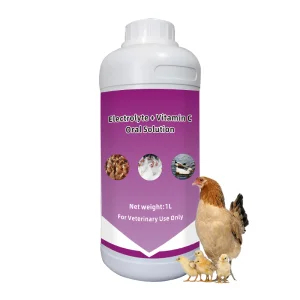
Furthermore, much of Namibia’s groundwater sourced via boreholes features high electrical conductivity (EC) and salinity. Animals consuming mineral-heavy water face an altered osmotic gradient in their digestive tracts, rendering standard feed ineffective. Introducing precisely formulated, balanced electrolytes is essential to stabilizing the sodium-potassium ATPase pump in animal cell membranes, ensuring high water retention and cellular viability even under severe heat stress.
1. Thermal Evaporation & Heat Stress: High solar radiation causes metabolic exhaustion and hyperventilation in cattle, leading to respiratory alkalosis.
2. Saline Water Interaction: Borehole water contains unbalanced levels of magnesium and sulfates, which can cause chronic diarrhea and electrolyte flushing.
3. Transit Shrinkage: Transporting livestock over long distances to meat processors like Meatco in Windhoek causes high cortisol stress, leading to significant muscle tissue dehydration.
Modern animal science has moved beyond basic saline mixtures. The global livestock industry now leverages advanced multi-electrolyte solutions that combine fast-acting osmolytes, trace mineral chelates, and biological buffering agents. These formulations are designed to support systemic homeostasis, gut mucosal barrier integrity, and metabolic recovery.
Integrating organic osmolytes like Betaine helps cells retain water under thermal stress without expending valuable ATP. This preserves cellular structure and metabolic function in the gut lining, keeping animals on feed.
Utilizing high-grade sodium bicarbonate alongside potassium citrate addresses metabolic acidosis caused by elevated respiration rates during intense heat waves.
Combining Vitamin C and Zinc chelates with electrolytes helps lower systemic cortisol levels, strengthening the animal’s immune response and reducing susceptibility to respiratory diseases.
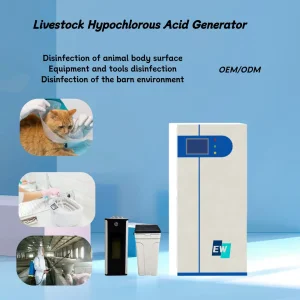
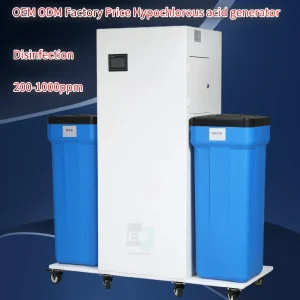
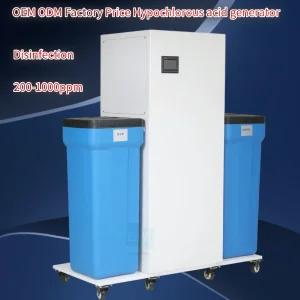
Additionally, the global livestock industry is focusing heavily on biosecurity. Modern producers recognize that clean, pathogen-free water is a prerequisite for effective electrolyte therapy. If animals consume water contaminated with bacteria or viruses, their intestinal villi are damaged, preventing the absorption of nutrients and electrolytes. This realization has driven the integration of on-site Acidic Electrolyzed Water (HClO) systems to sanitize drinking water, creating a comprehensive solution for animal health.
Zhengzhou Treo Nutrition Co., Ltd. brings over 20 years of experience in developing and manufacturing high-quality feed ingredients and additives. With modern production facilities in Shandong, Hebei, and Jiangsu, and corporate offices in Zhengzhou and Hong Kong, we ensure consistent product quality, stable supply chains, and reliable global delivery.
Our product portfolio is engineered to support animal health and performance. From high-protein concentrates like Corn Gluten Meal 60%, Mycoprotein 70%, and Rice Protein Powder 70%, to organic fertilizers and custom nutrient formulas, we deliver solutions that improve feed conversion and yield. For arid and semi-arid markets like Namibia, we design specialized nutritional additives that enhance crop and herd resilience while minimizing environmental impact.
Our commitment to rigorous research and development allows us to supply advanced solutions tailored to the unique challenges of the Namibian livestock sector, helping farms maintain productivity in difficult climates.

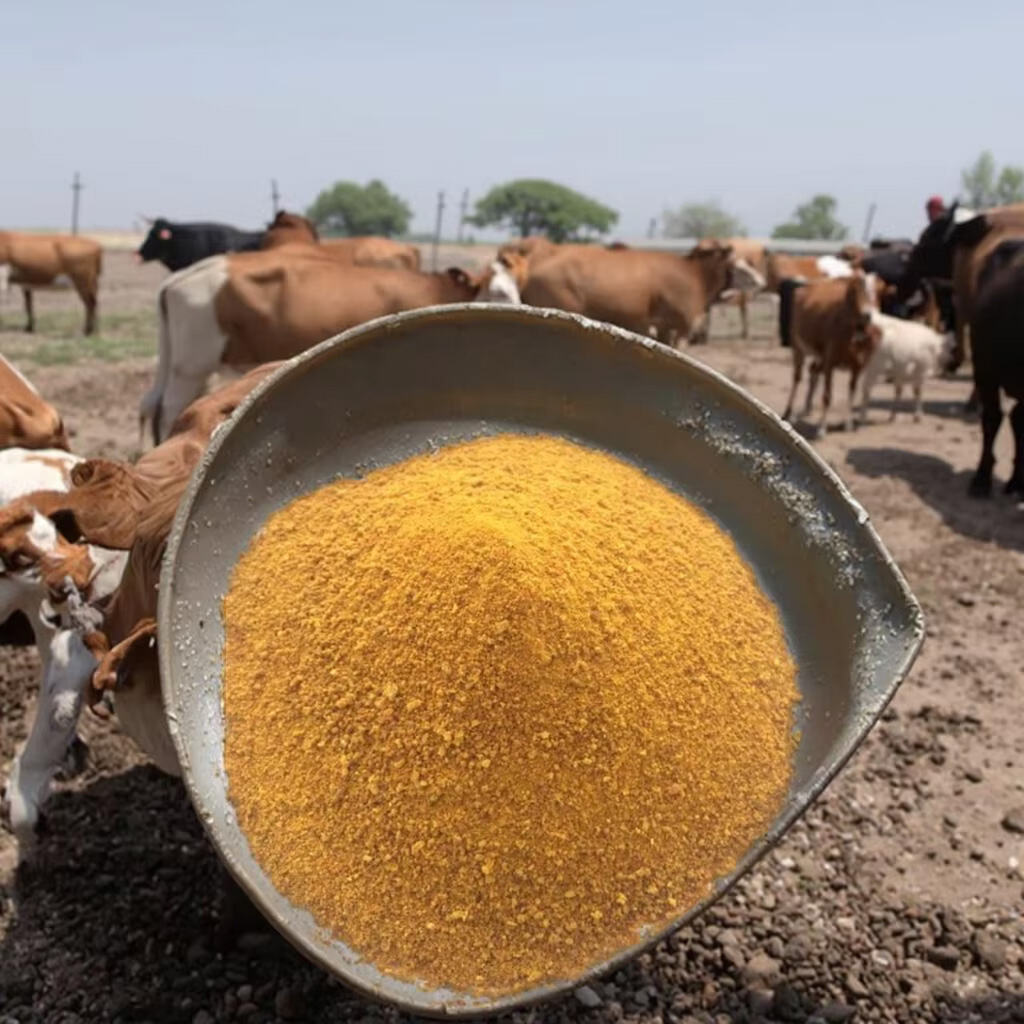
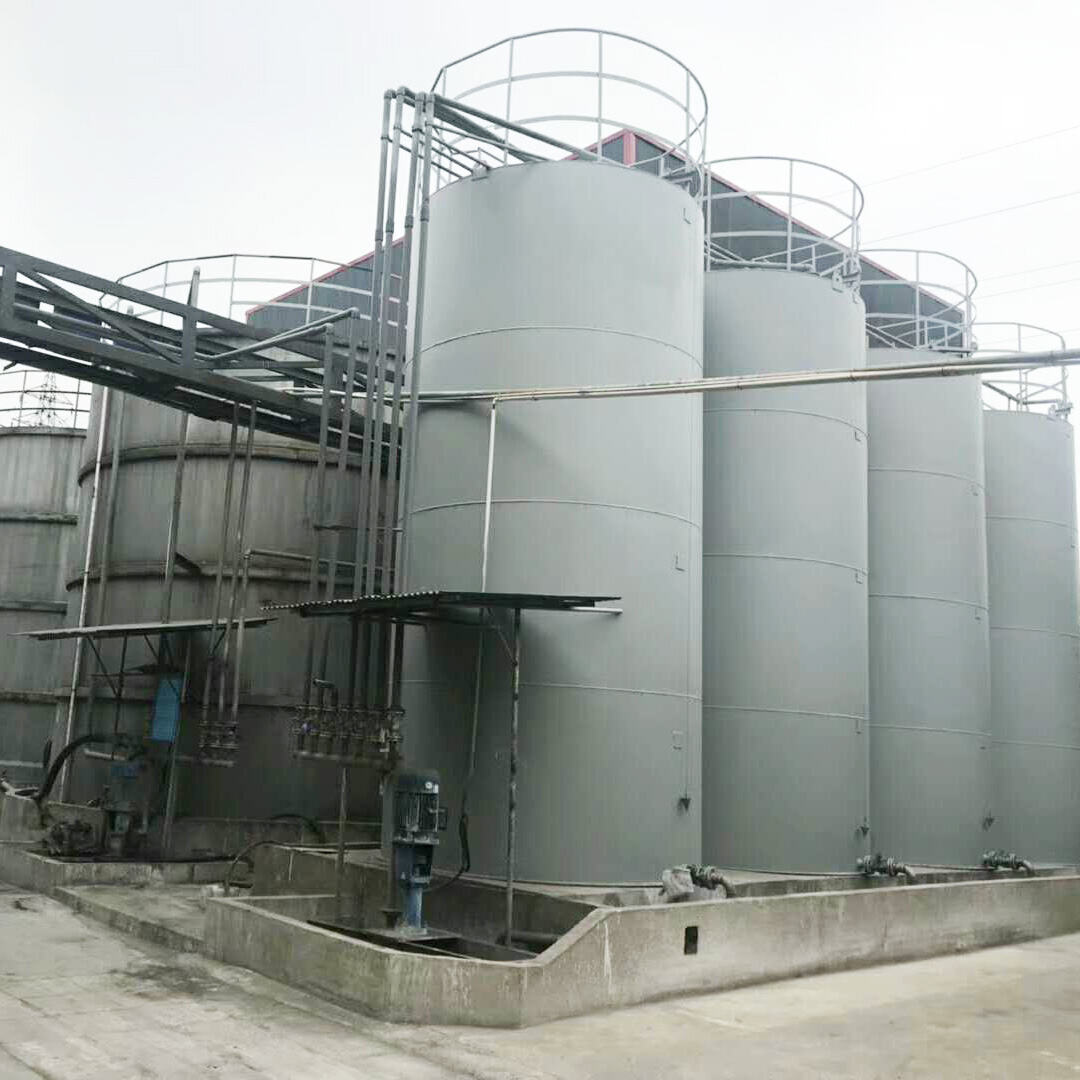
We maintain strict quality control at every stage of production, from raw material procurement to final packaging, ensuring highly stable and bioavailable additives.
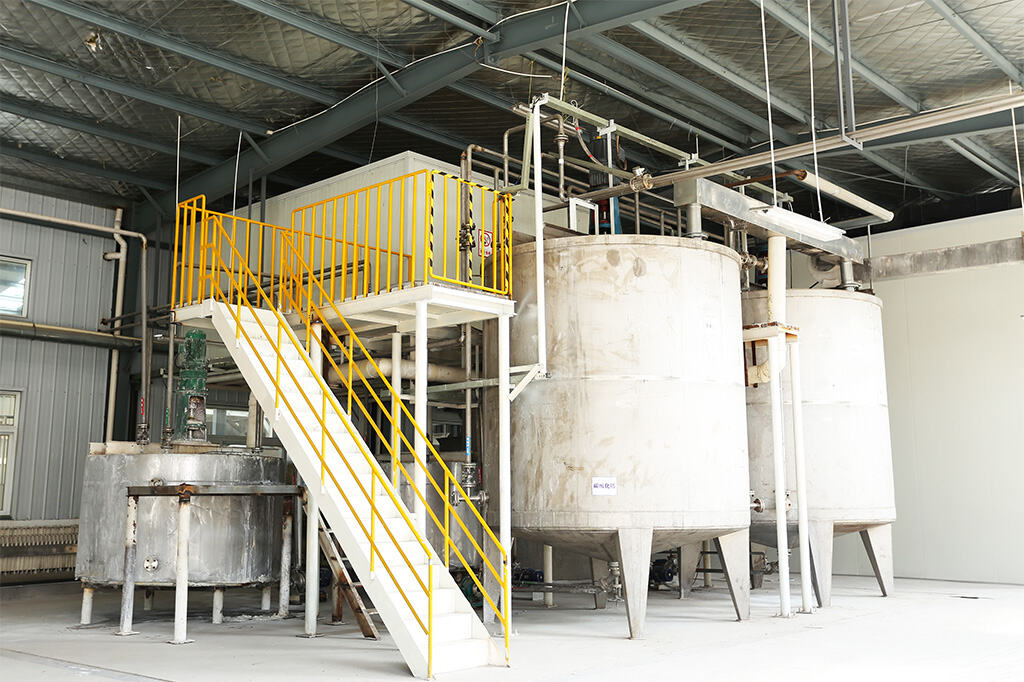
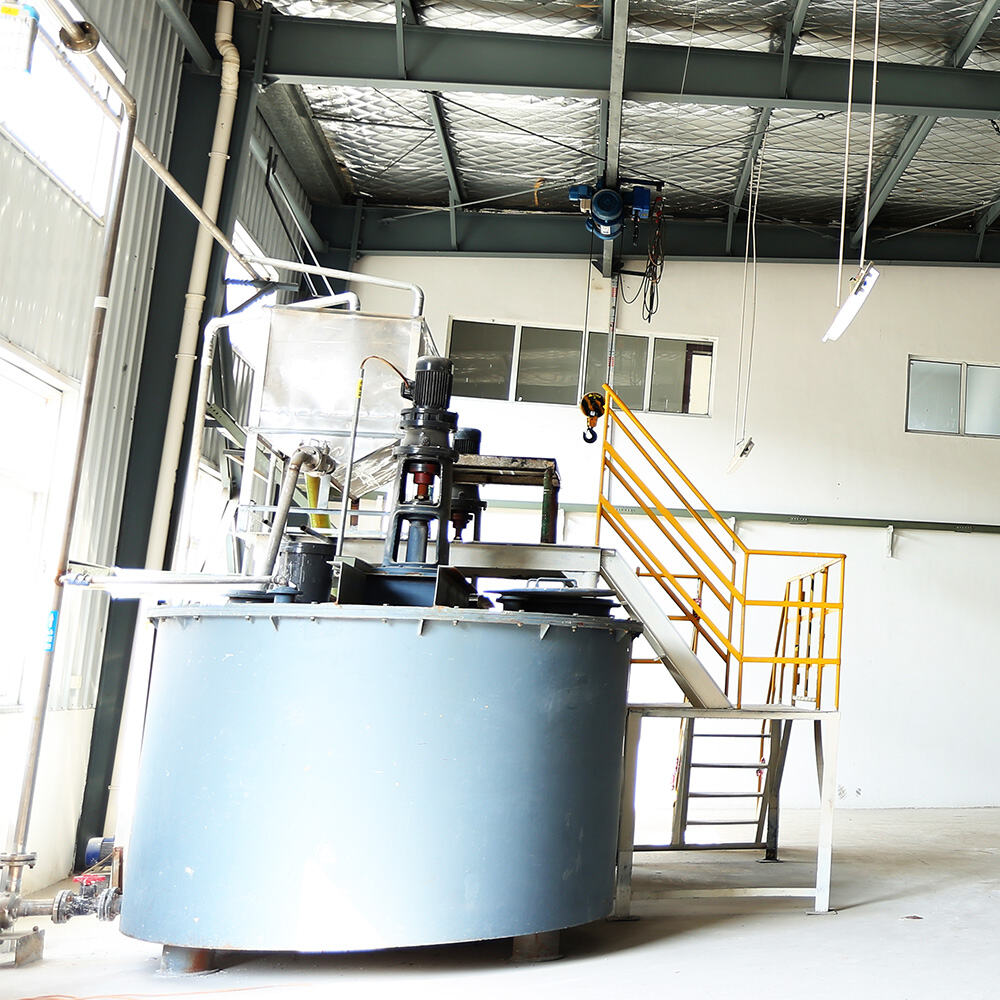
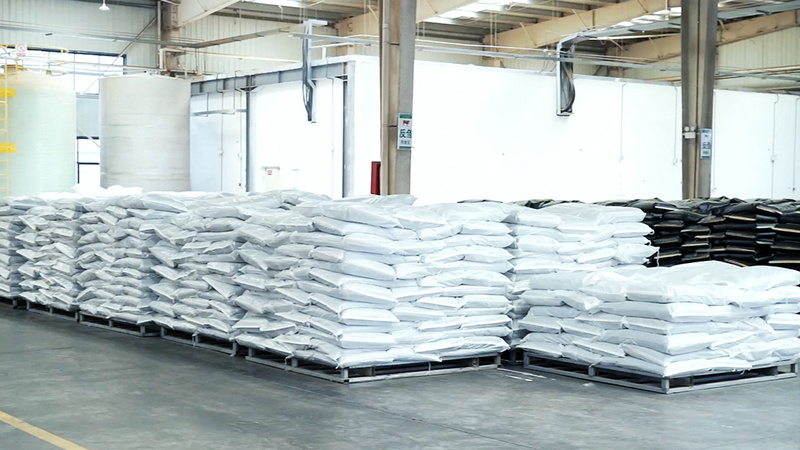 1. Material Sourcing
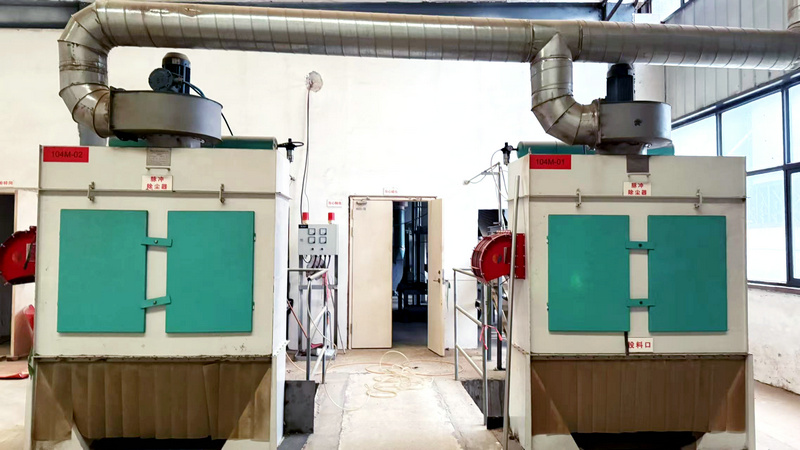 2. Feeding
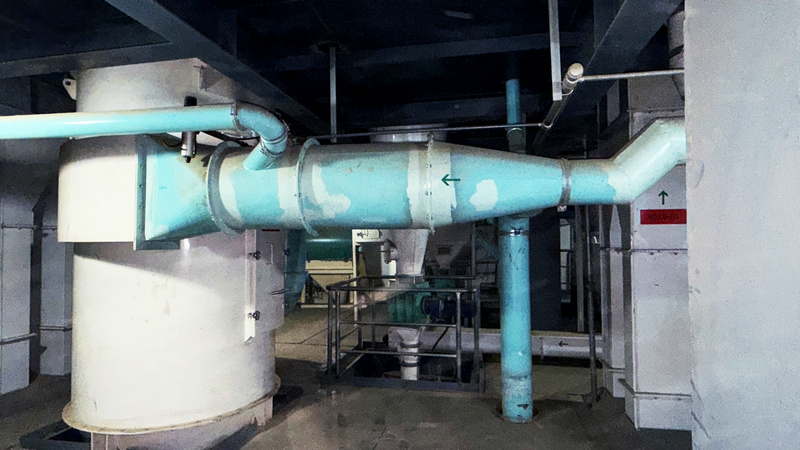 3. Dedusting
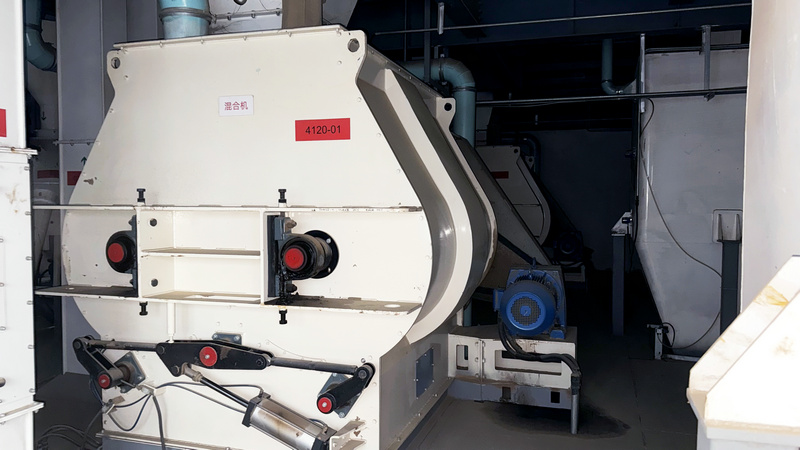 4. Mixing
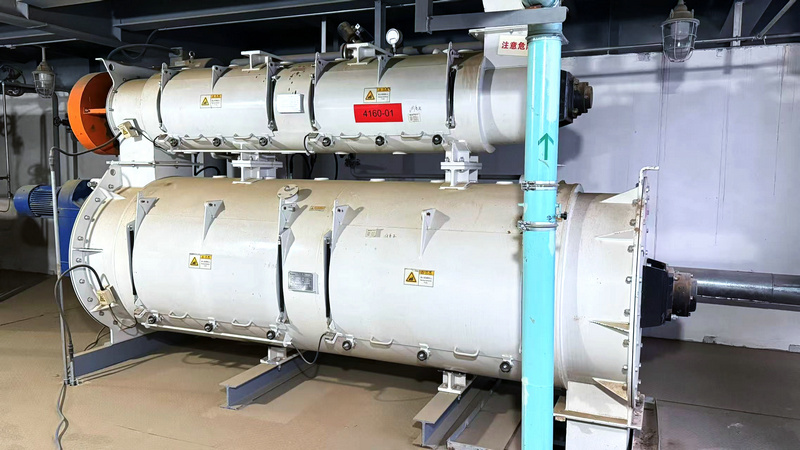 5. Degerming
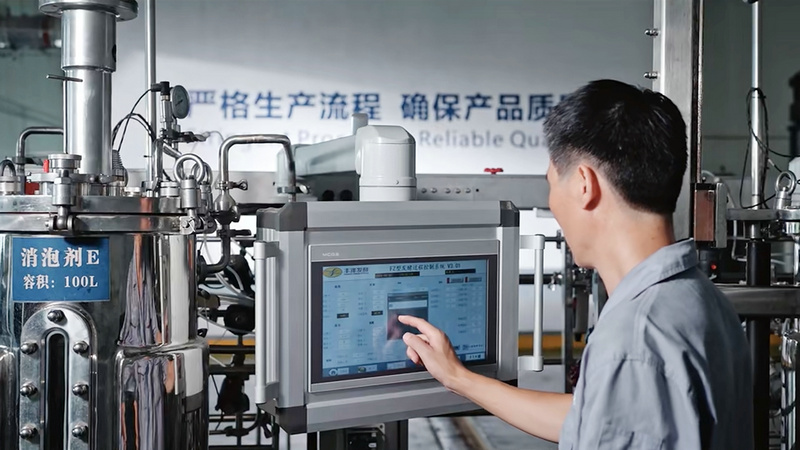 6. Fermenting
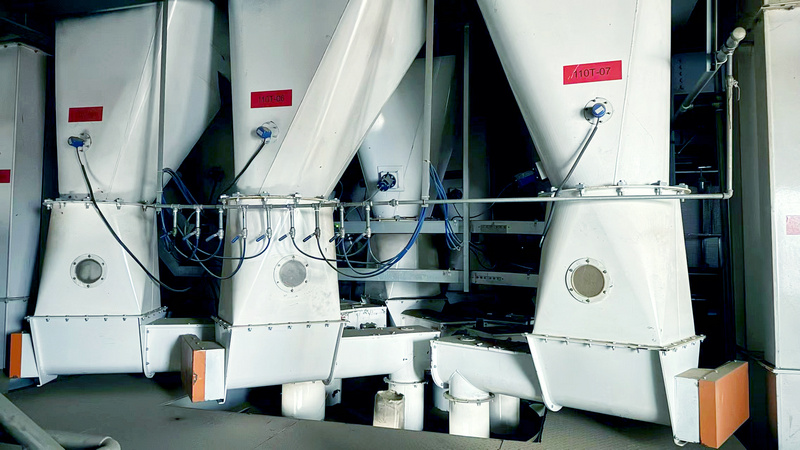 7. 2nd Mixing
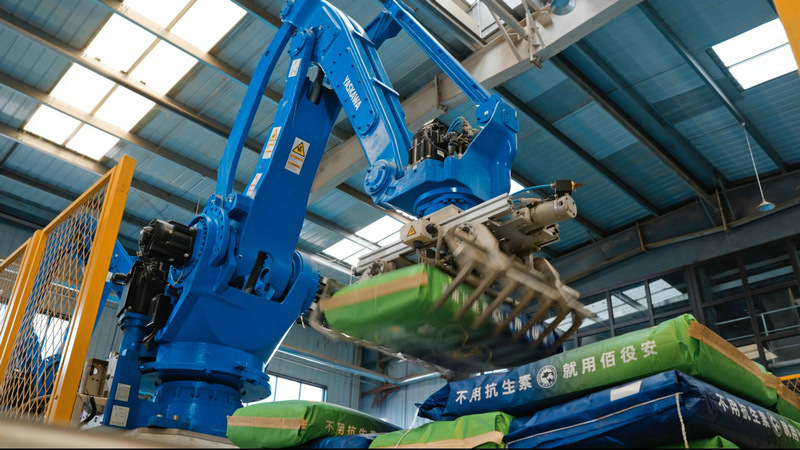 8. Packing
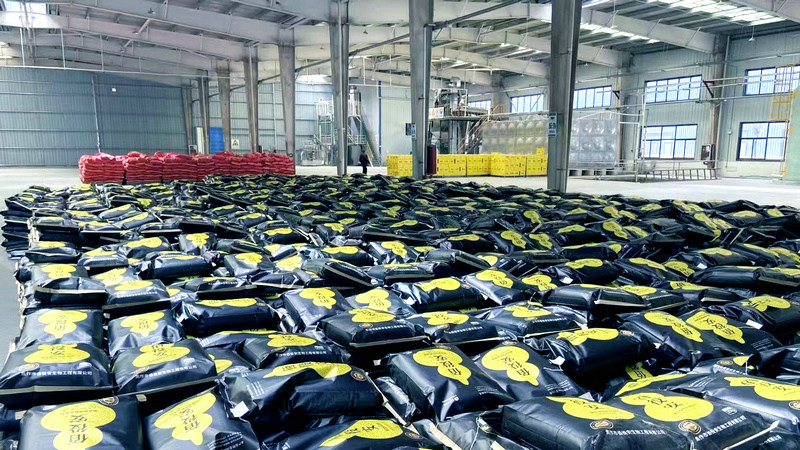
Every batch is analyzed for purity, heavy metals, and moisture content before dispatch.
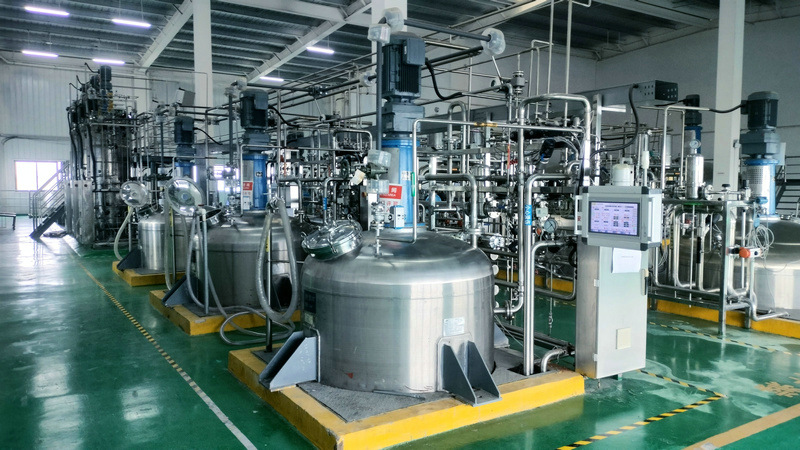
Computerized bioreactors regulate temperature, pH, and oxygen levels for optimized organic acids and enzymes.
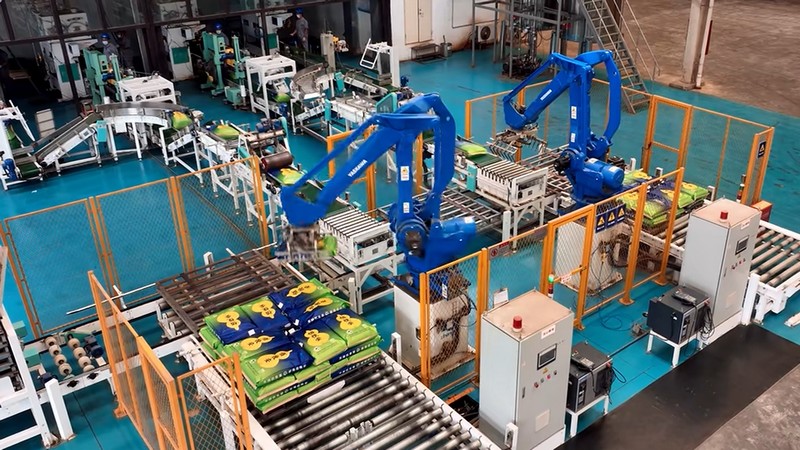
Reduces physical handling to ensure consistent quality and zero external contamination.
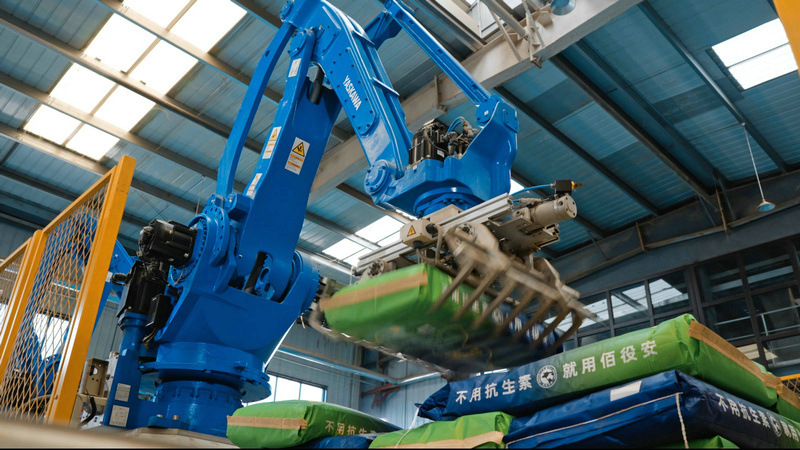
Advanced automation for heavy lifting, packaging, and logistics preparation.
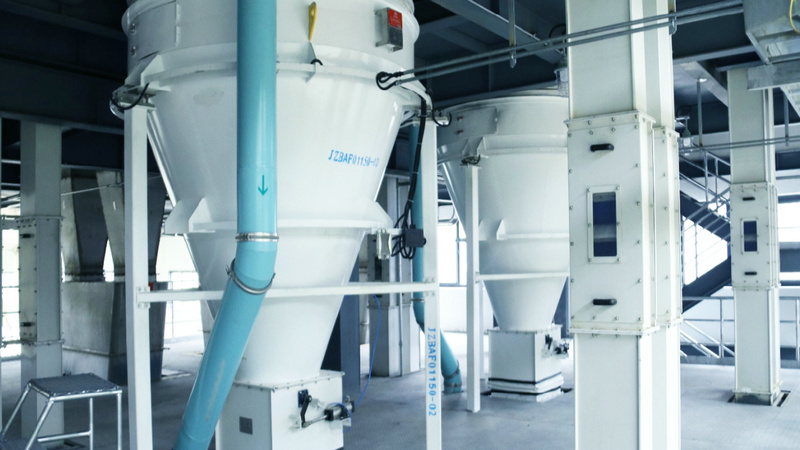
Ensures optimal powder particle size for rapid dissolving, reducing sediment in animal drinking systems.
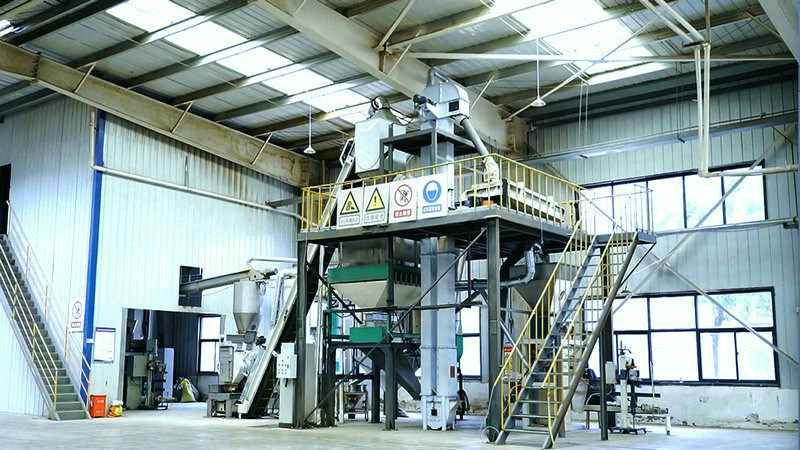
Designed for slow-release formulations, offering uniform nutritional density across dry pastures.
Deploying advanced biosecurity measures in large-scale animal production requires a coordinated approach that targets both cellular physiology and environmental sanitation. Pathogens can spread quickly through compromised water systems, leading to secondary infections and dehydration. The implementation of electrolyzed water generators alongside nutritional supplements provides a robust solution for maintaining herd health in arid conditions.
Clean water is critical for efficient nutrient absorption in livestock. Standard chlorine tablets can leave odors and chemical residues that deter animals from drinking, exacerbating dehydration issues.
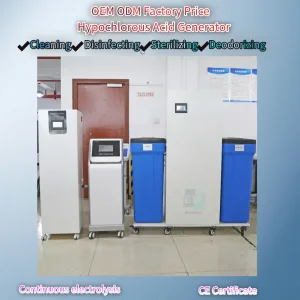
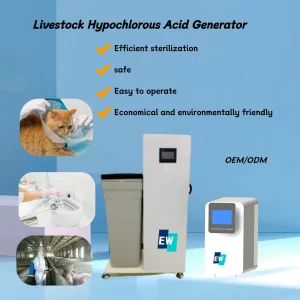
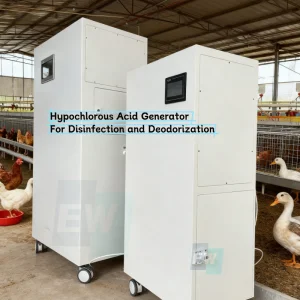
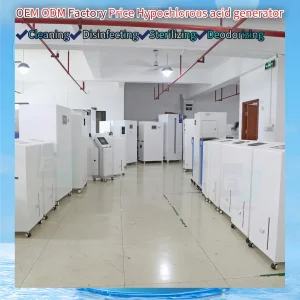
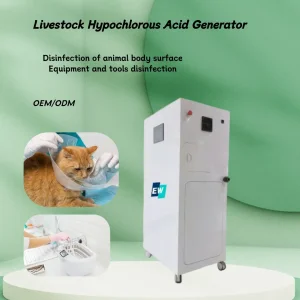
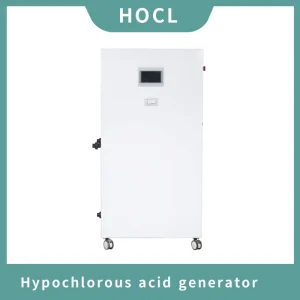
On-site Hypochlorous Acid (HClO) Generators provide a highly effective solution. Working at a neutral pH, hypochlorous acid is up to 80 times more effective at neutralizing pathogens than sodium hypochlorite, and it breaks down into harmless salt water. This makes it ideal for sanitizing animal drinking systems without impacting the consumption rates of critical electrolyte formulas.
Our systems provide continuous disinfection and scale prevention, helping protect the digestive health of herds across Namibia's commercial farming districts.
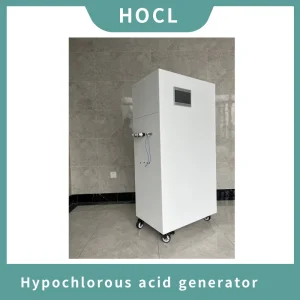
Expert insights on addressing salinity, thermal stress, and water biosecurity challenges in Namibian livestock farming.
Contact our technical specialists to design a custom electrolyte supplementation plan or install on-site water sanitization systems tailored to your farm's needs.
 Treo Nutrition