Treo Nutrition
1 / 5
Why Use Betaine in Poultry Feed? Benefits and Dosage Guidelines
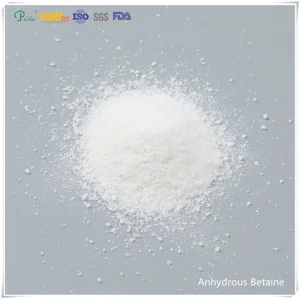
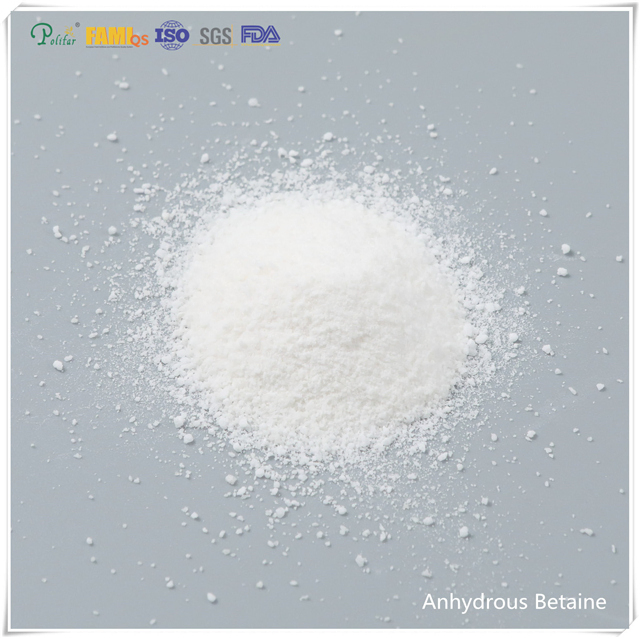
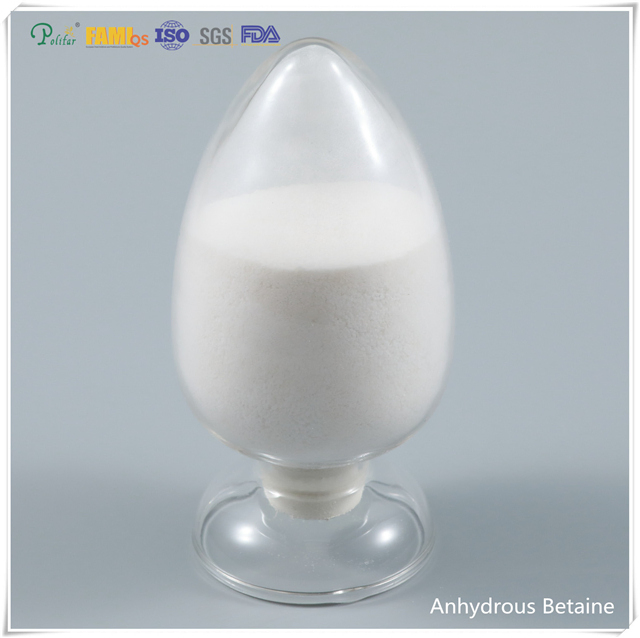
Betaine is a naturally occurring amino acid derivative widely used in animal feed to enhance nutrient absorption and reduce stress. As a functional additive, Betaine effectively improves animal performance, increases feed efficiency, and meets the demands of modern livestock farming.
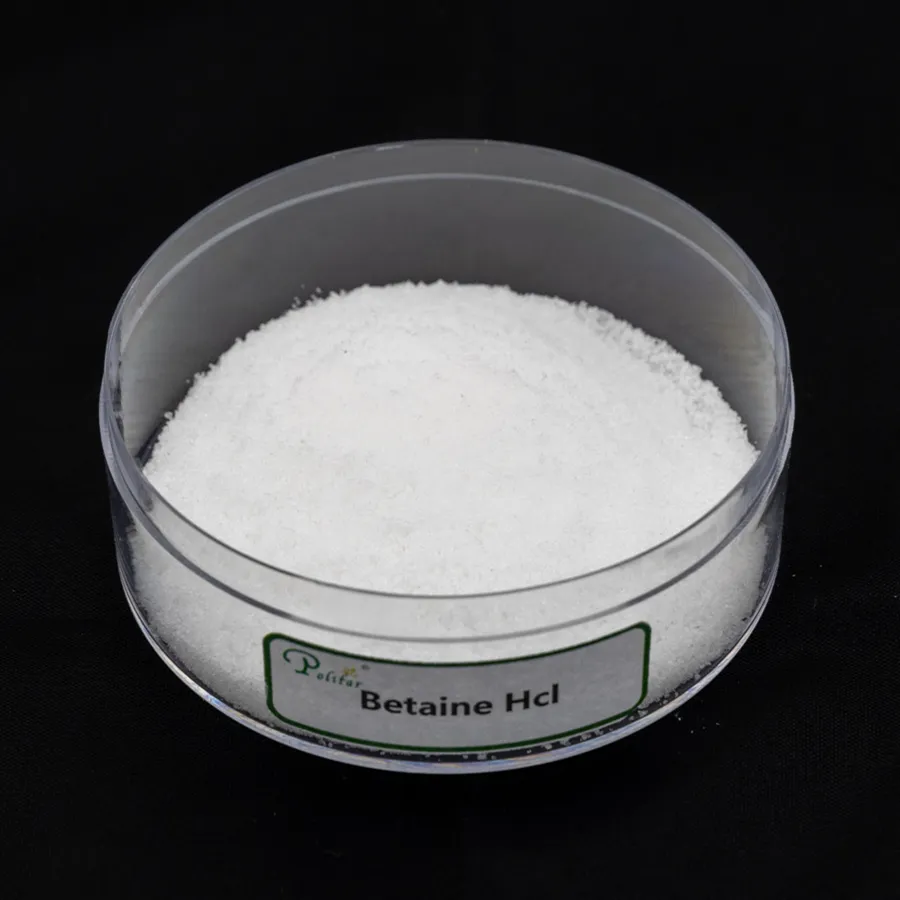
| Testing Item | Standard |
|---|---|
| Betaine HCl Content/% | ≥ 98.0 |
| Appearance | White Crystalline powder |
| Drying Loss /% | ≤ 0.50 |
| TMA Residue/% | ≤ 0.03 |
| Heavy metal (Pb)/% | ≤ 0.001 |
| Ignition residue/% | ≤ 1.5 |
| Arsenic/% | ≤ 0.0002 |
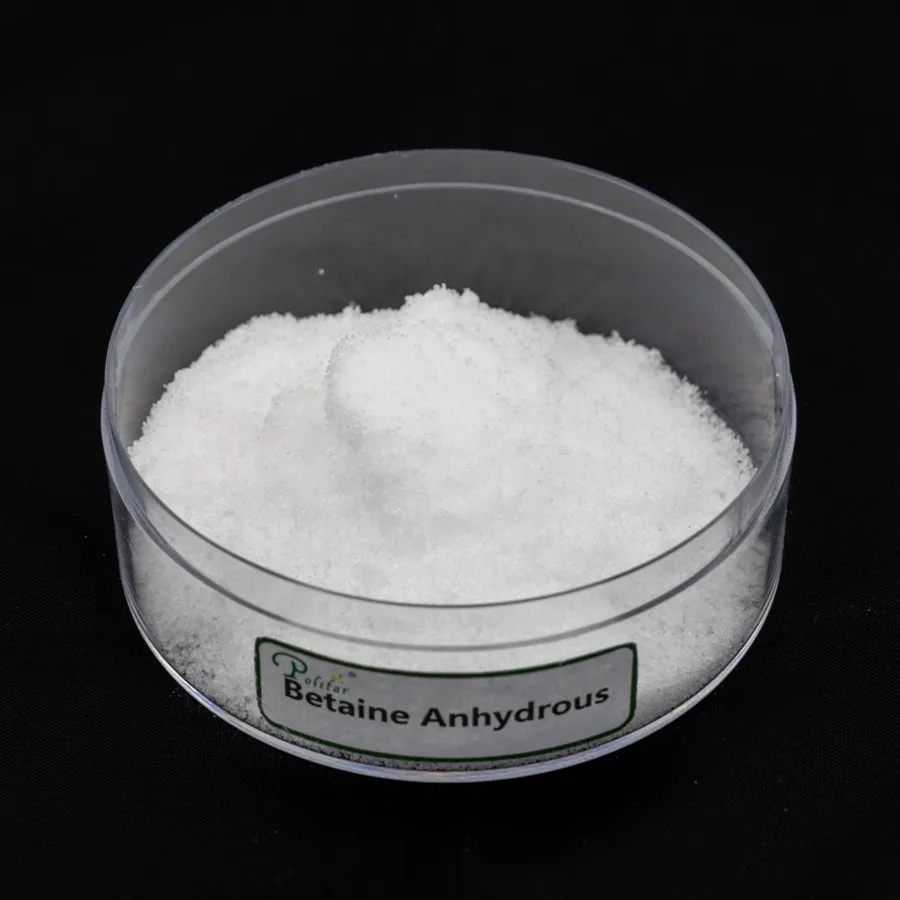
| Testing Item | Standard |
|---|---|
| Content/% | ≥ 96.0 |
| Appearance | White Crystalline powder |
| Drying Loss /% | ≤ 1.50 |
| Chlorine/% | ≤ 0.2 |
| Heavy metal (Pb)/% | ≤ 0.001 |
| Ignition residue/% | ≤ 3.50 |
| Arsenic/% | ≤ 0.0002 |
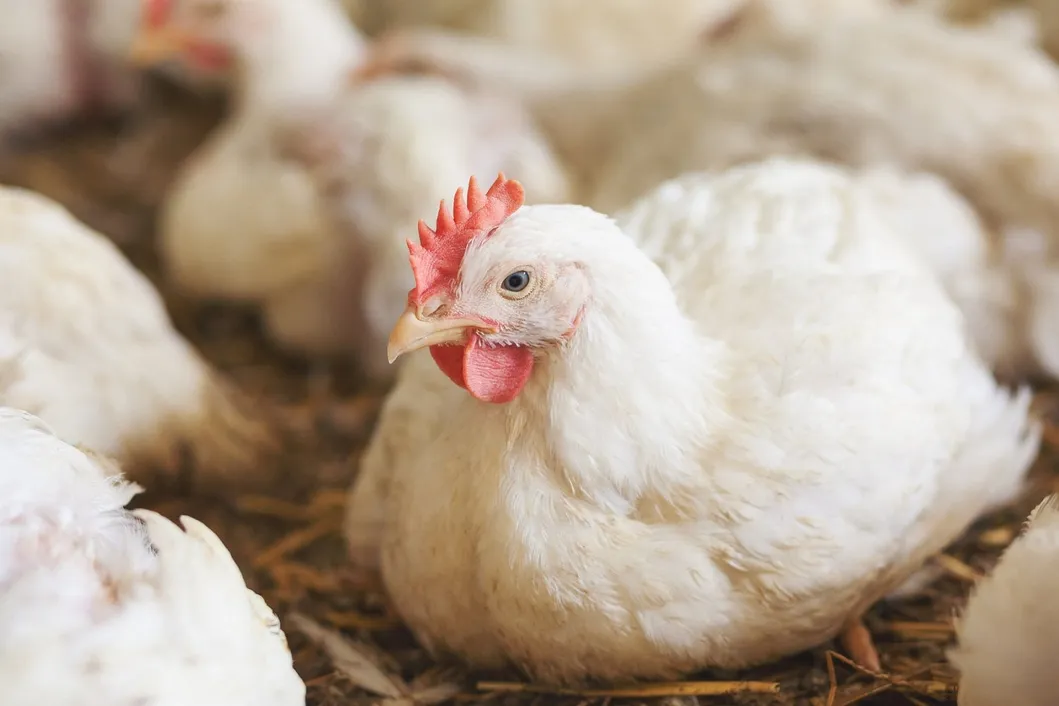
Poultry Feed: Improves stress resistance and promotes weight gain.
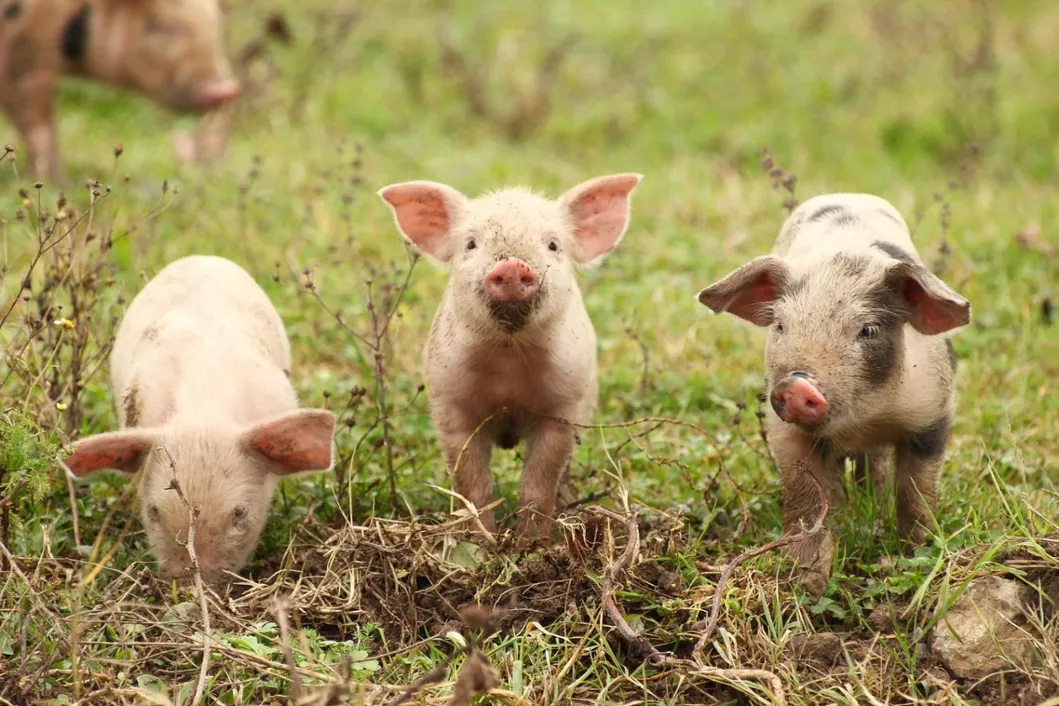
Swine Feed: Enhances lean meat percentage and feed conversion rates.
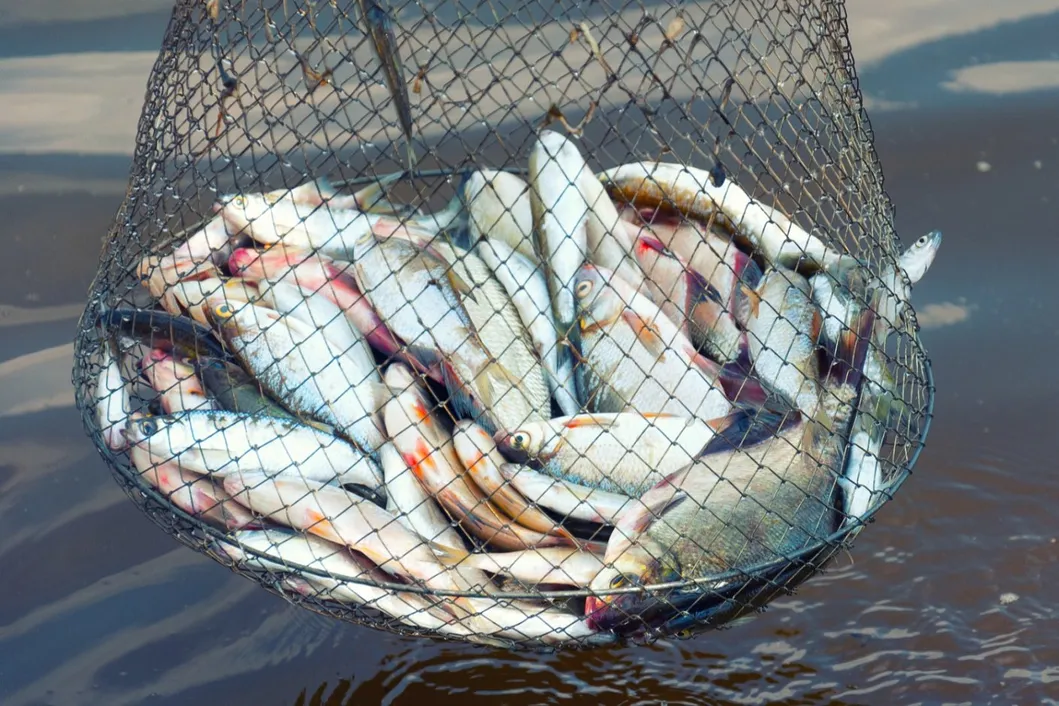
Aquaculture: Improves feed intake behavior and promotes growth.
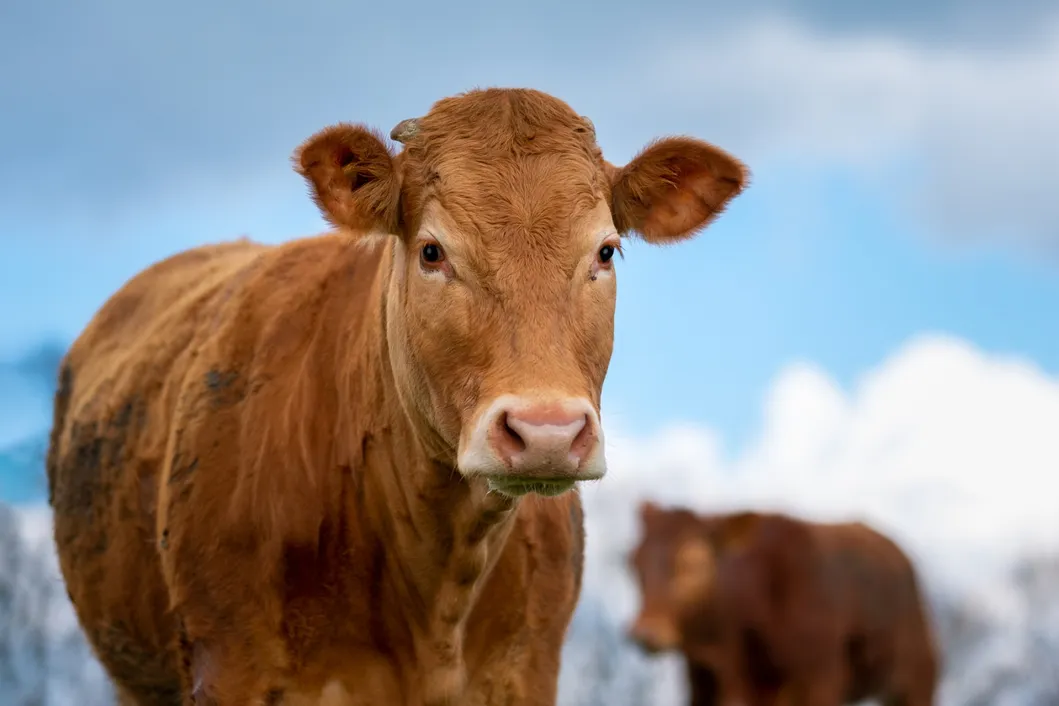
Ruminant Feed: Supports fertility and increases milk production.
Poultry: 500-1000g per ton of feed
Swine: 800-1200g per ton of feed
Aquaculture: 1000-2000g per ton of feed
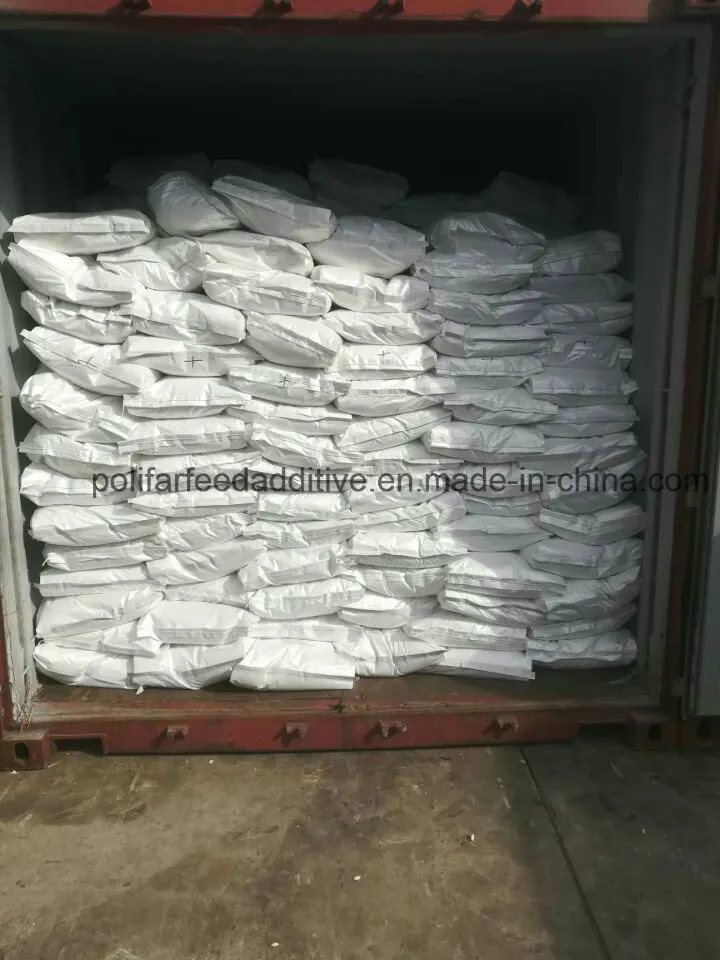
Packaging: Common size is 25 kg bags for convenience in transportation and storage.
Storage: Store in a dry, cool place, avoiding high temperatures and moisture.
Shelf Life: Two years under appropriate storage conditions.
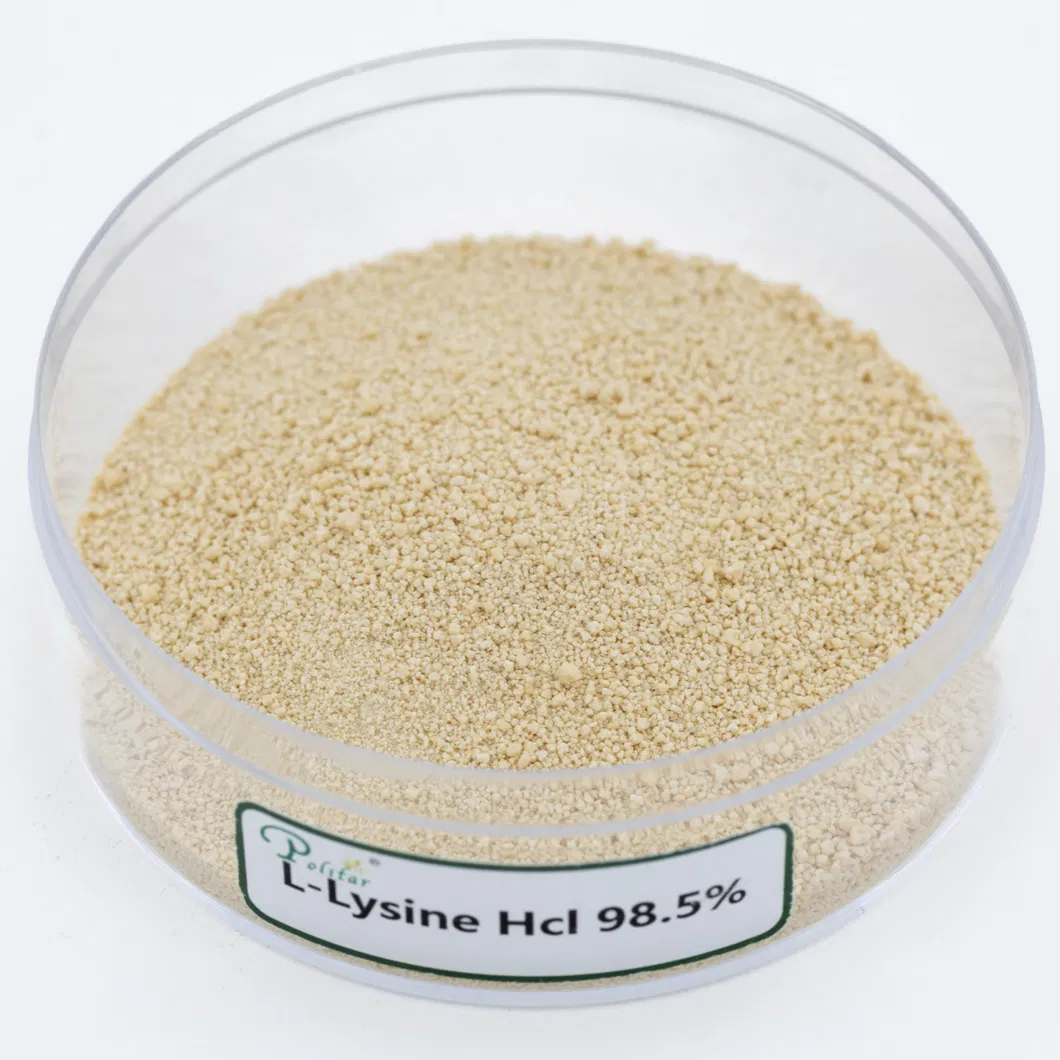
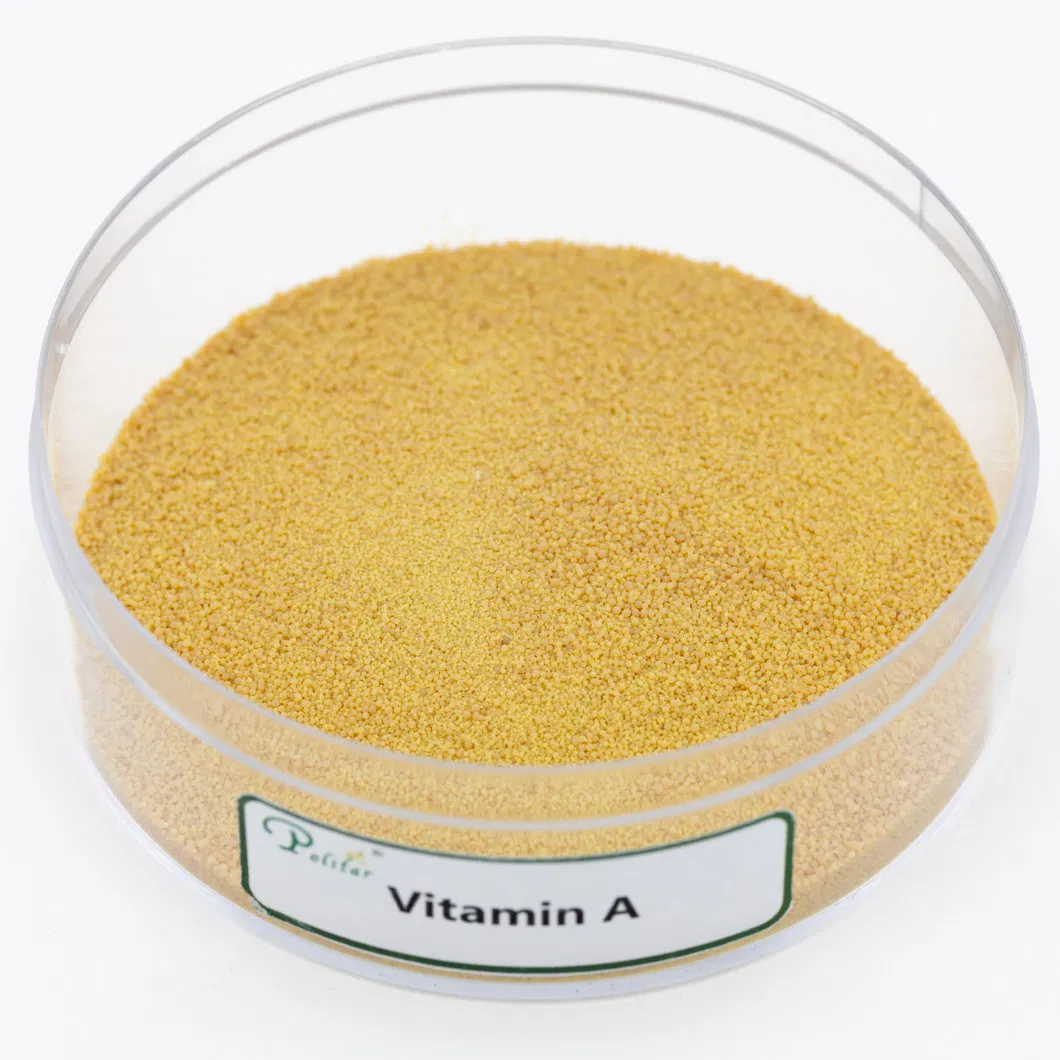
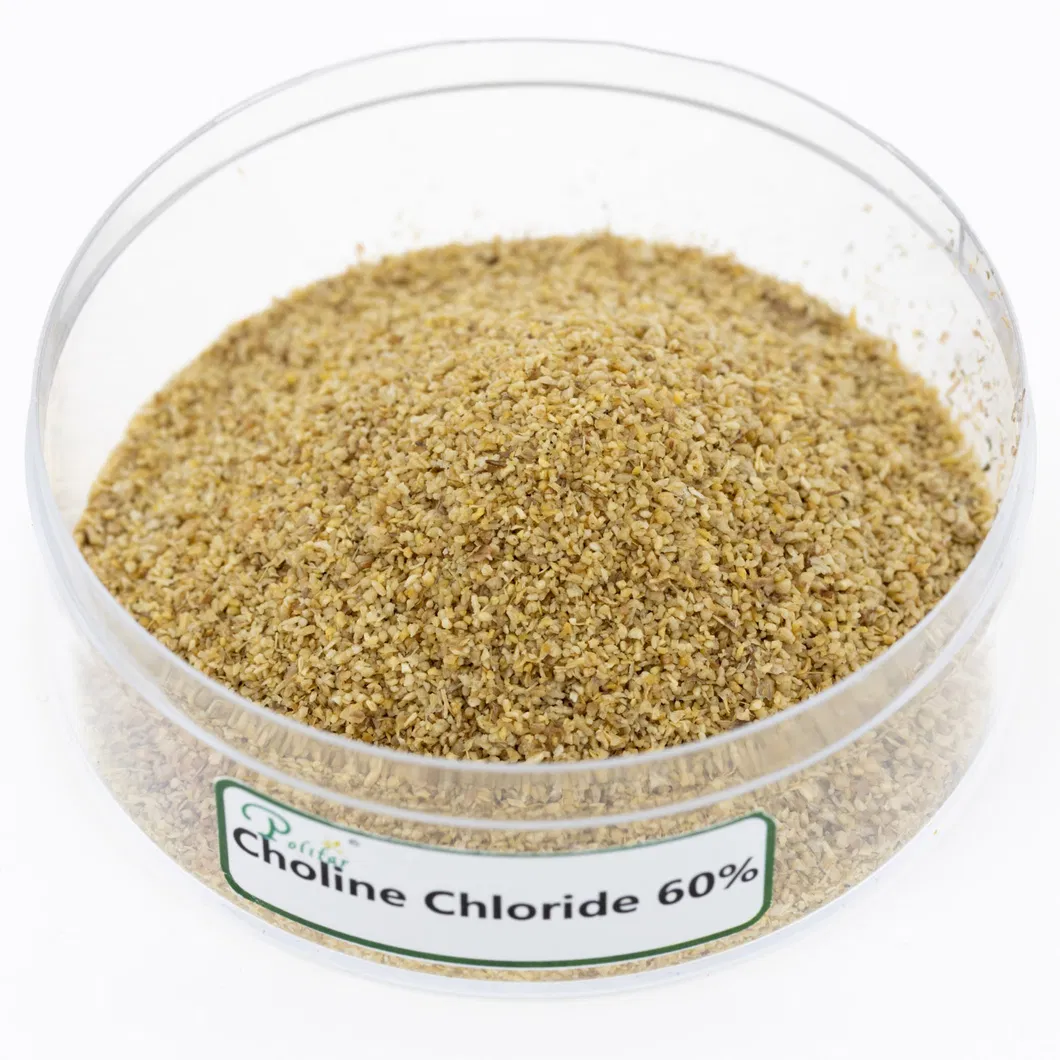
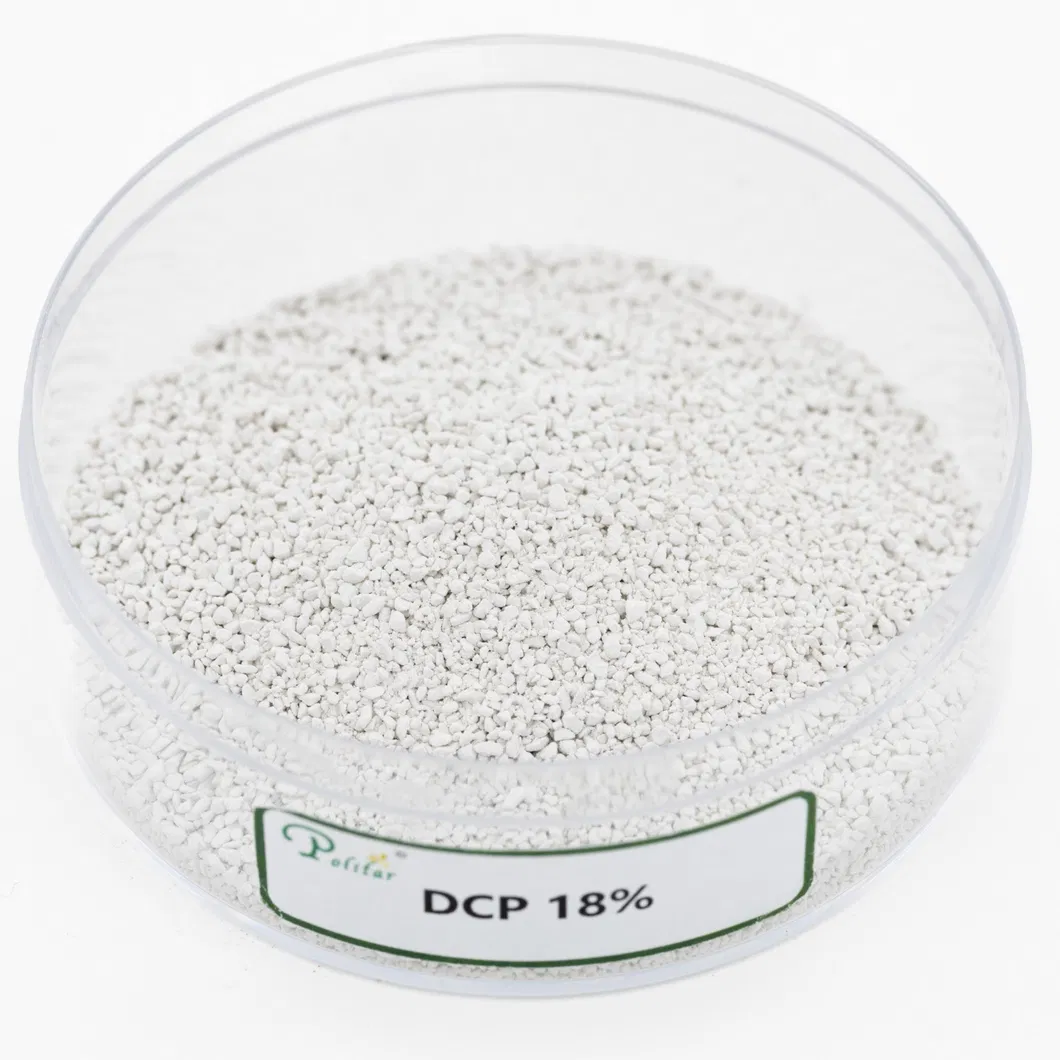
We provide a wide range of additives to optimize animal nutrition and feed quality: