🌿 Basic Information
Montmorillonite Content
≥80%
Ammonia Absorption
≥100mmol/100g
Application
Pigs, Sheep, Cattle, Chickens, Fish
📋 Product Description
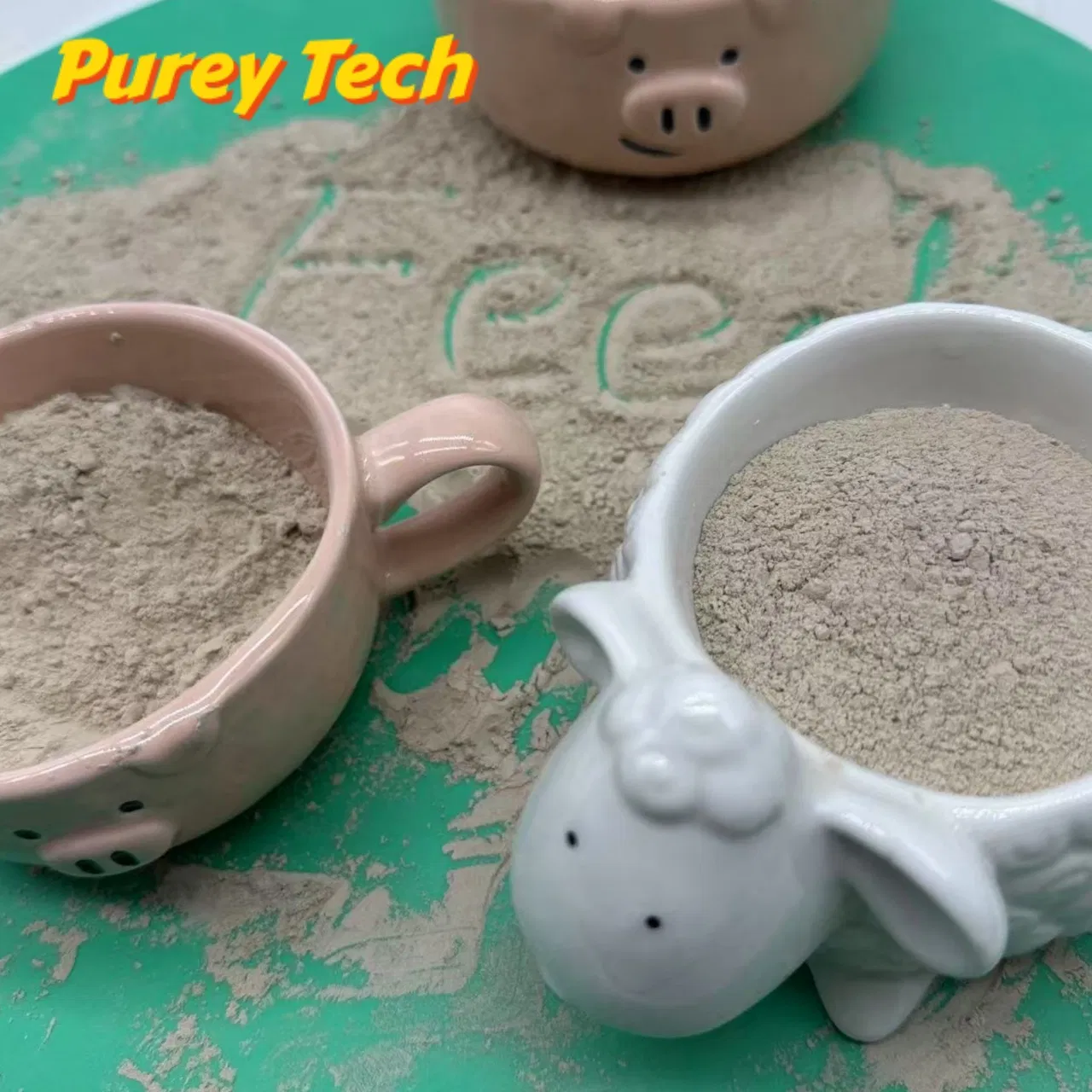
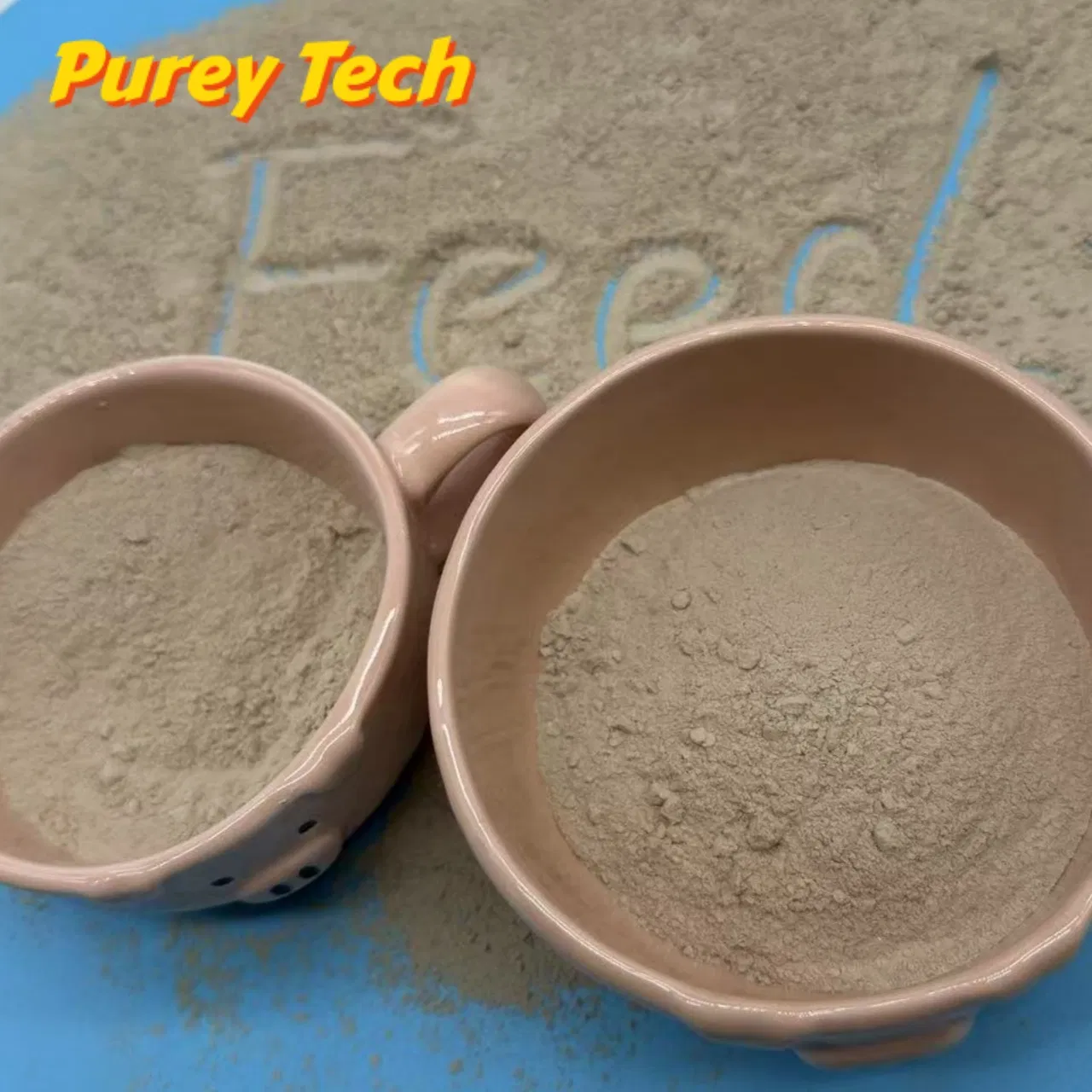
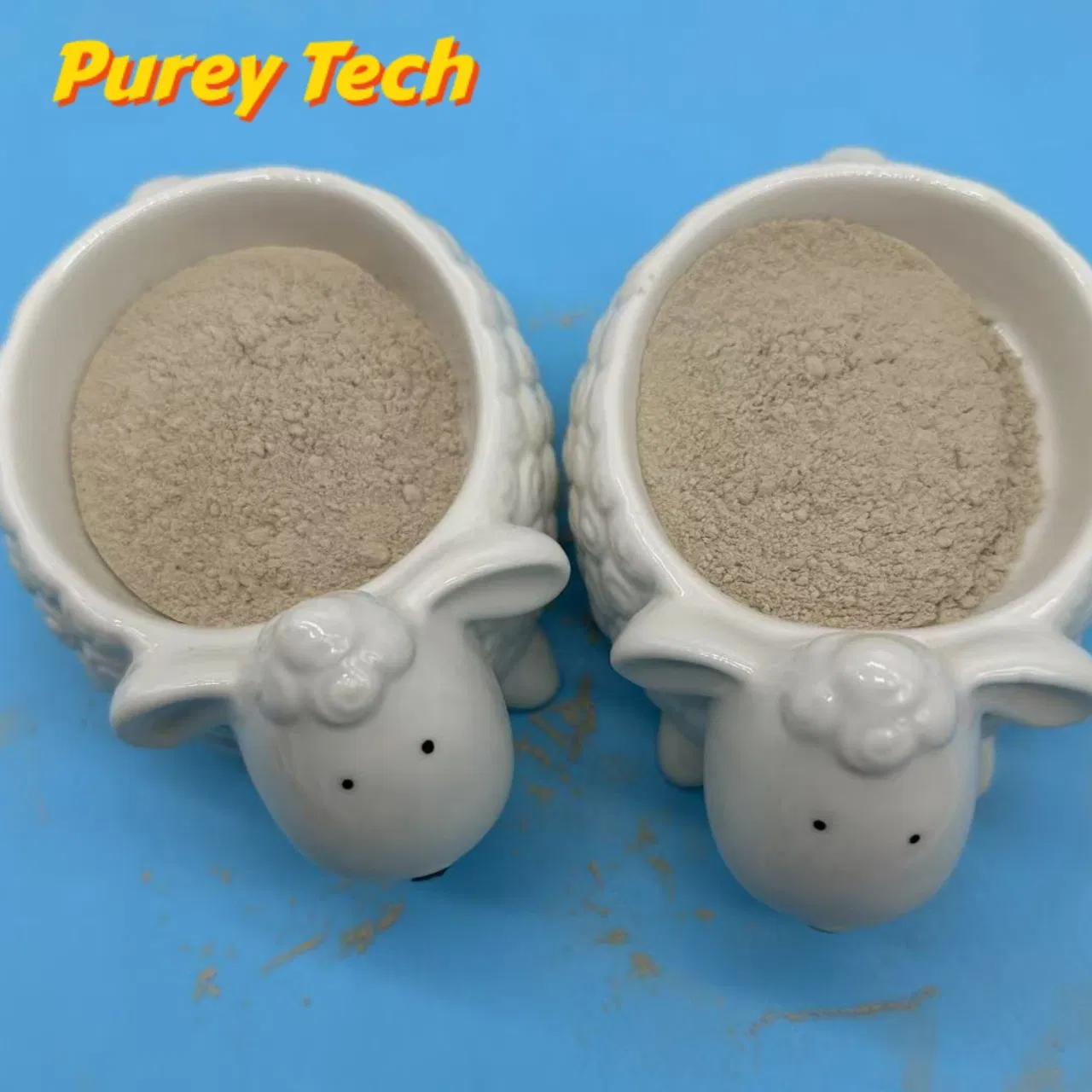
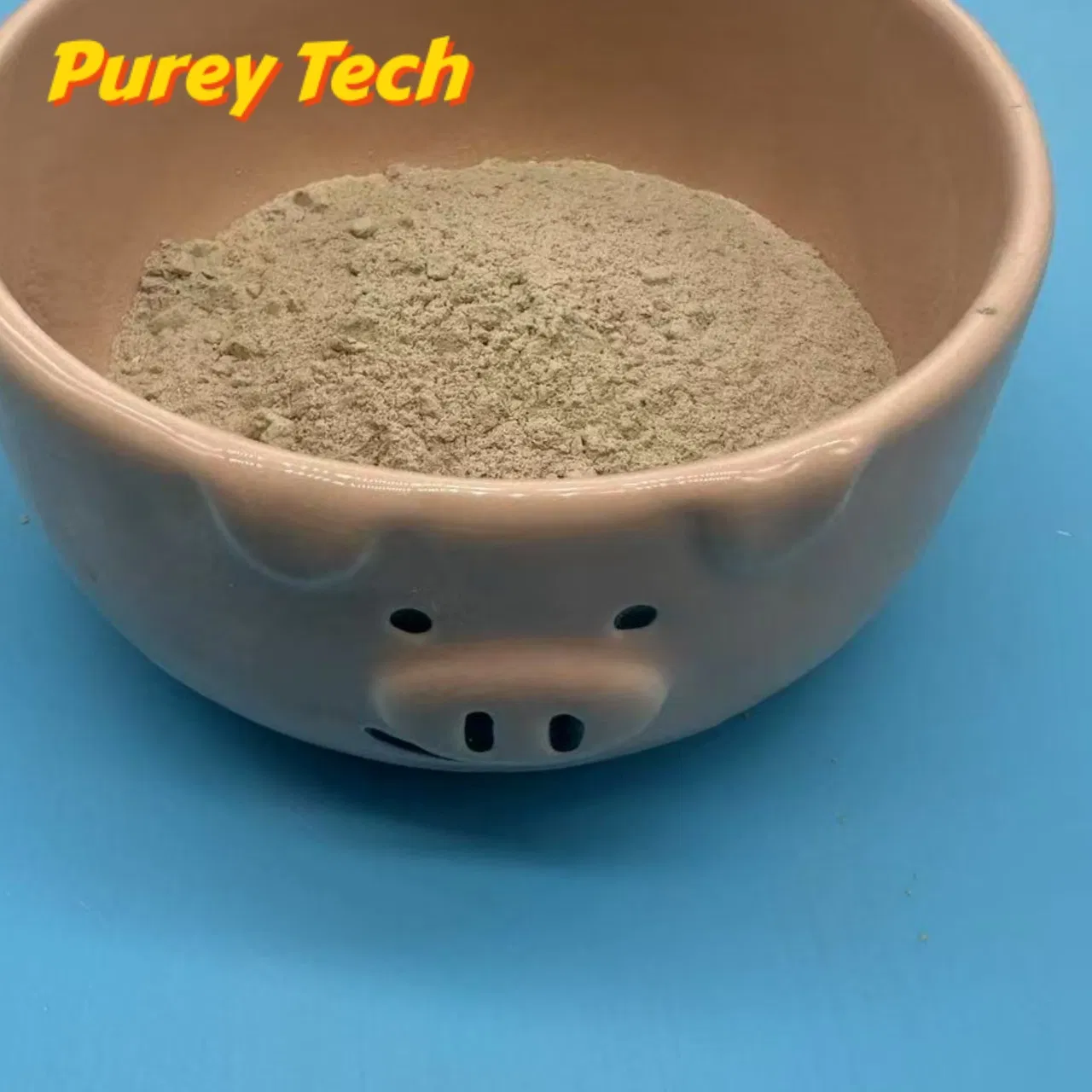
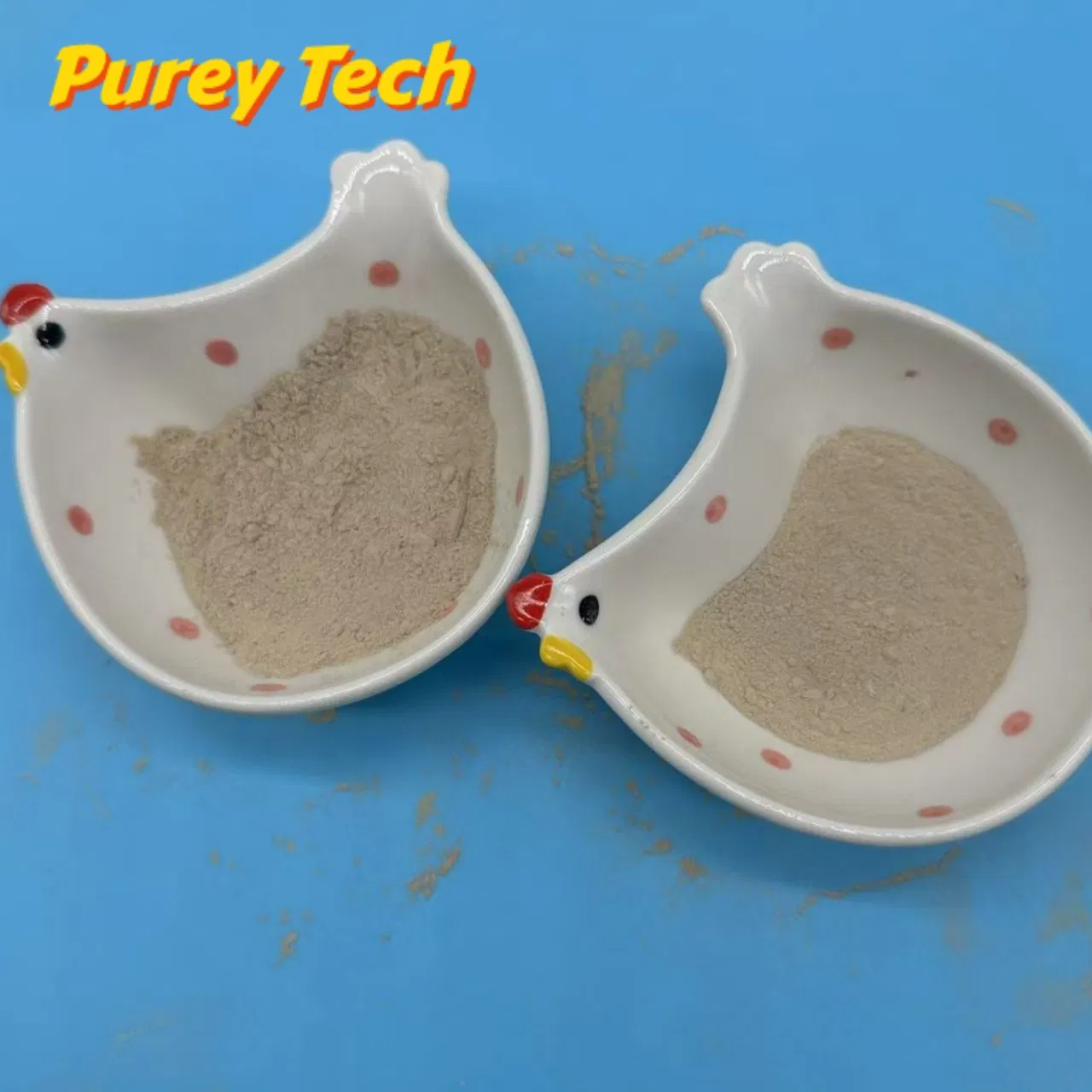
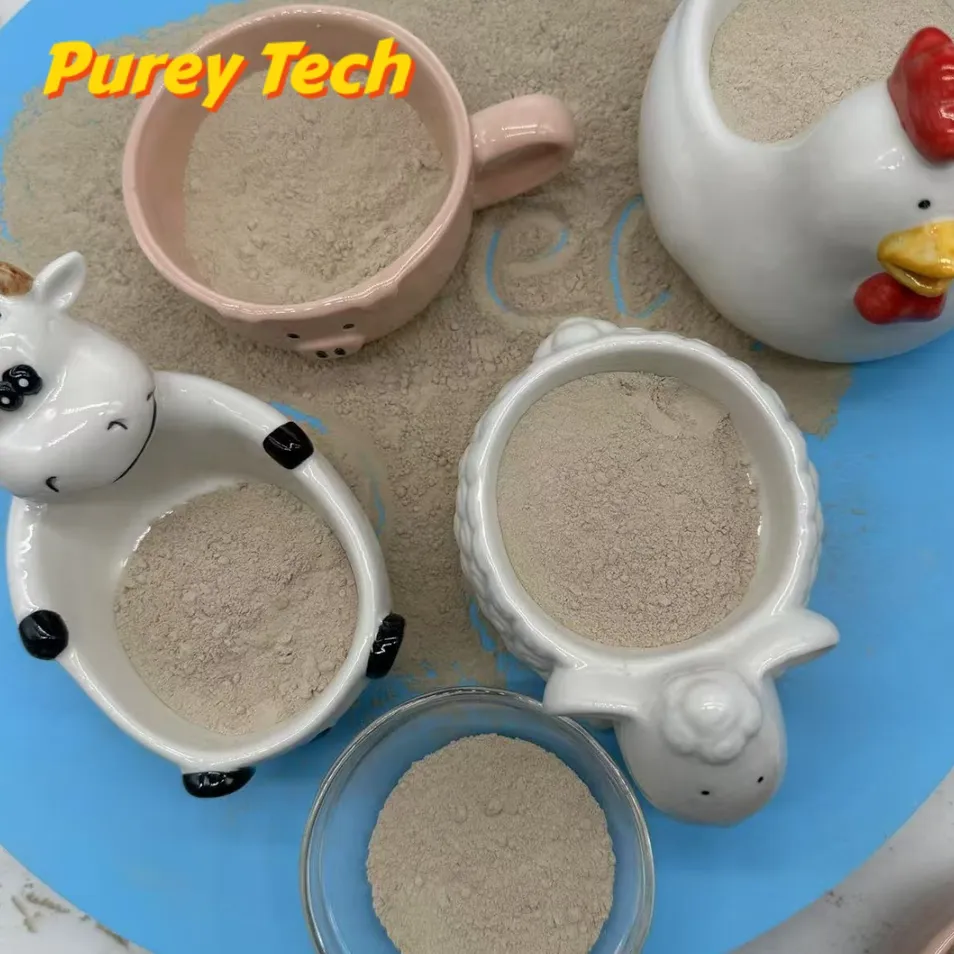
Bentonite for feed is a silicate clay mineral mainly composed of natural montmorillonite. After undergoing processes such as mining, screening, purification, drying, and crushing, it meets the hygiene and quality standards for feed additives and is specifically used in animal feed production.
It is a natural, multifunctional, and cost-effective feed additive. It combines multiple functions such as fungal toxin adsorbent, binder, anti-caking agent, and intestinal regulator, and plays an important role in modern animal husbandry.
⚙️ Product Functions
Core function: Adsorption of fungal toxins
Bentonite has strong adsorption and fixation of common fungal toxins (such as aflatoxins) in feed, effectively reducing animal absorption of toxins, alleviating liver burden, and preventing poisoning, immune decline, and reproductive disorders.
Protecting intestinal health and improving digestion: Bentonite can adsorb pathogenic bacteria, viruses, and their toxins in the gastrointestinal tract of animals, and protect the intestinal mucosa through physical coverage. It is rich in various constant and trace elements, such as calcium, sodium, potassium, magnesium, iron, zinc, copper, and selenium.
🚀 Product Applications
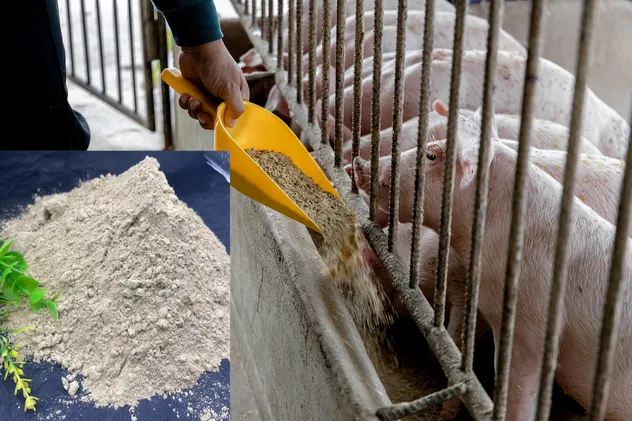
- Pigs: Adding 2% bentonite can increase pig weight by 3.7% and body length by 1.6%.
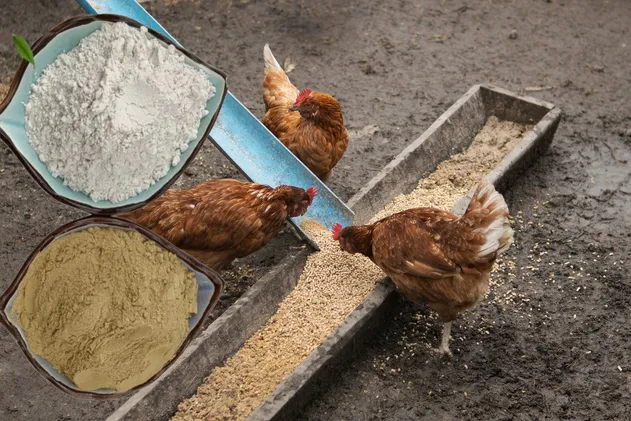
- Poultry: Adding 2% to 4% bentonite for broilers increases daily weight gain by 3% to 6%; for laying hens, it increases egg production by 2% to 5%.
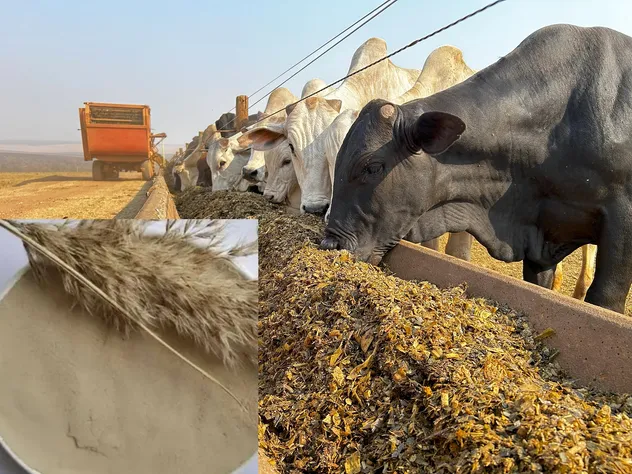
- Ruminants: Adding 150-450 grams per day for dairy cows can increase milk production by 1-2 kg/day.
| Category |
Core Parameters |
Main Functions |
Applicable Subjects |
| Product description |
Montmorillonite ≥ 80% |
Efficient adsorption of aflatoxin |
Cows, Sheep |
| Physical properties |
Fineness 325 mesh |
Diarrhea prevention |
Pigs, Poultry |
| Usage recommendations |
Addition 1%-3% |
Particle feed binder |
Aquatic products, Livestock |
📦 Packaging & Shipping
We offer flexible packaging solutions:
1. Standard Packaging: 25kg/bag, using an inner film woven bag with moisture resistance.
2. Bulk Packaging: Ton bags (1 ton capacity) to save handling costs and increase unloading efficiency.
🏢 Manufacturing Excellence
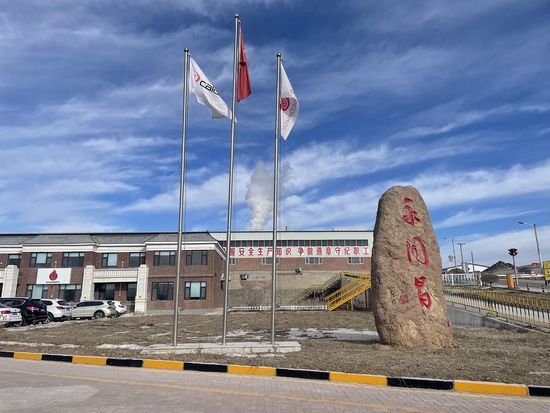
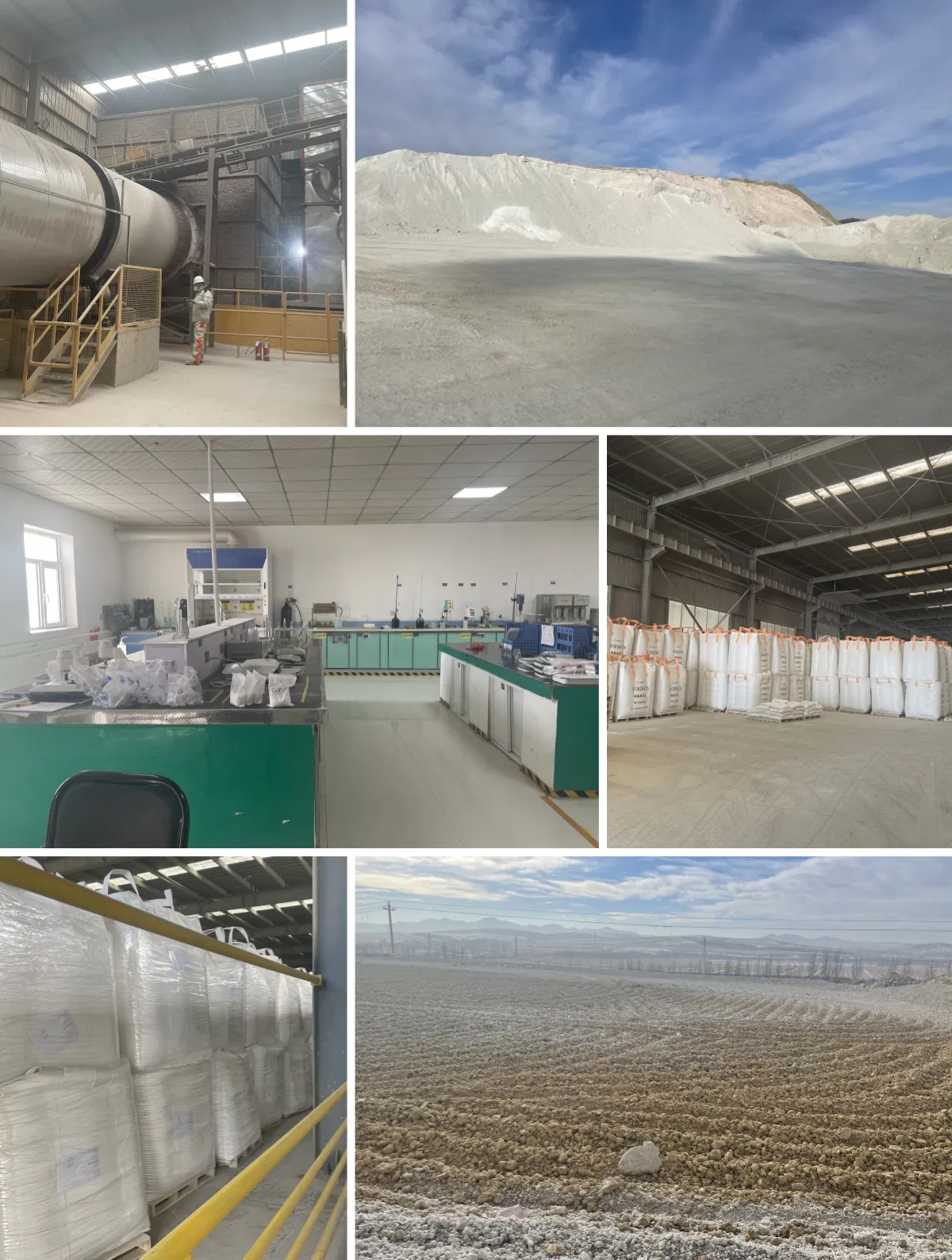
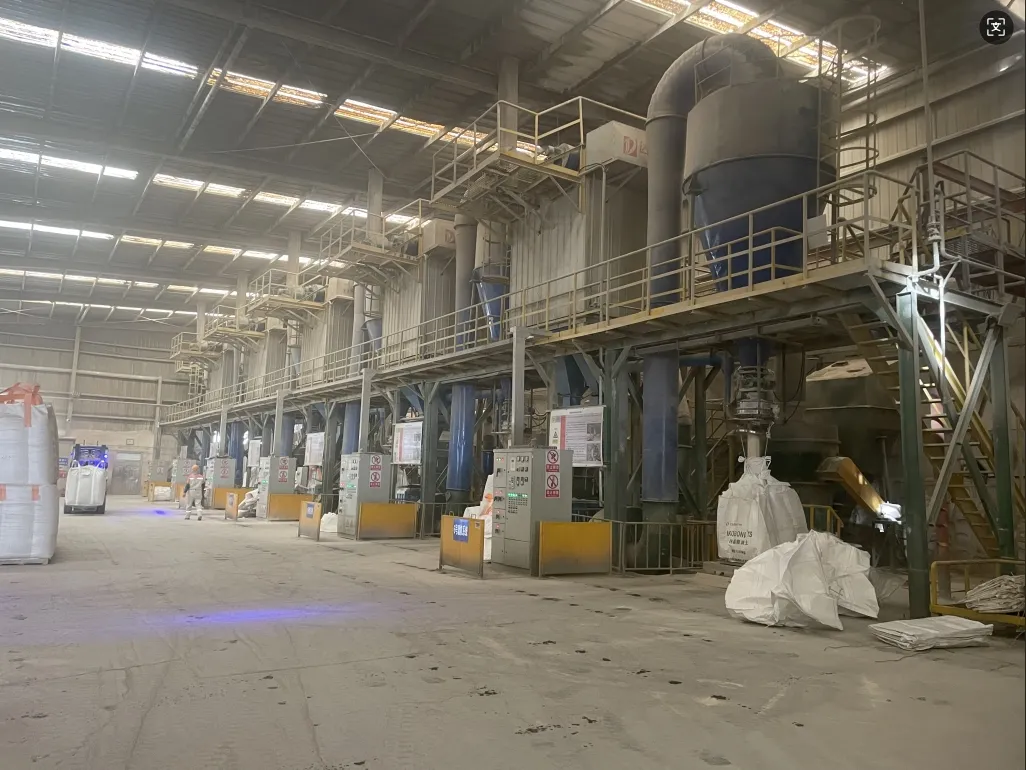
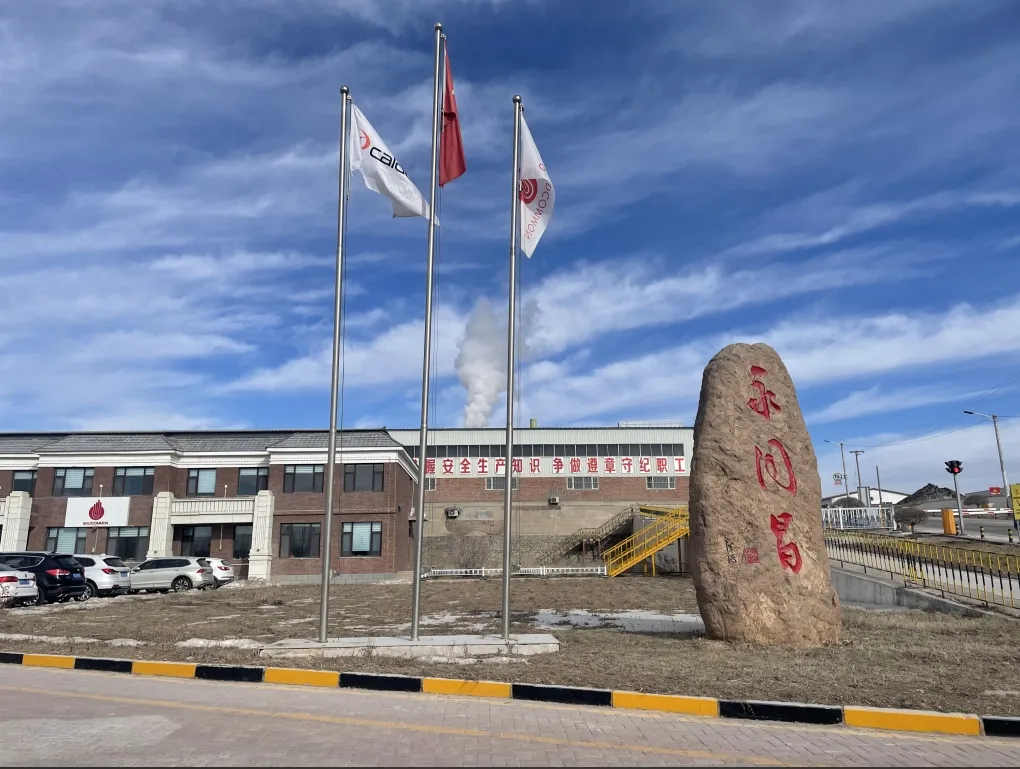
Founded on rich mineral resources, our operation integrates mining, processing, and distribution. Leveraging advanced technologies in crushing, drying, grinding, and activation, we produce a diverse range of high-performance bentonite products. With an annual production capacity exceeding 200,000 tons and a dedicated quality assurance laboratory, we ensure consistent supply reliability globally.
❓ Frequently Asked Questions
What are the main components of bentonite?
The main component is montmorillonite, a natural silicate clay mineral. Higher montmorillonite content results in better bonding, adsorption, and swelling properties.
How is product quality ensured?
We are a source manufacturer with self-operated mining areas. All products undergo strict laboratory testing, and we support third-party retesting of samples.
What are the development trends in the industry?
The industry is moving towards refinement, functionalization, and environmental protection to meet higher industrial and ecological standards.
Which type of bentonite should I choose?
Selection depends on your application, such as drilling, casting, feed additives, or water treatment. We provide expert advice based on your specific requirements.
What markets do you serve?
With over 15 years of experience, we export to over 60 countries, including Southeast Asia, the Middle East, Europe, and South America.
What is the recommended dosage for animal feed?
Generally, an addition amount of 1% to 3% is recommended depending on the animal species and the specific purpose of the additive.
 Treo Nutrition