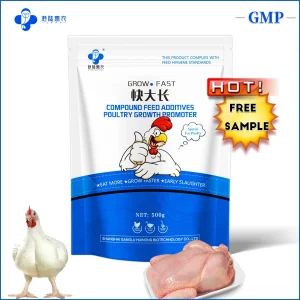
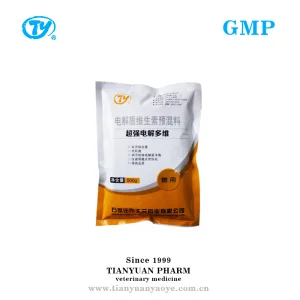
High-potency agricultural and livestock mineral catalysts specifically designed to bypass cellular uptake resistance and optimize yields in Sub-Saharan ecosystems.
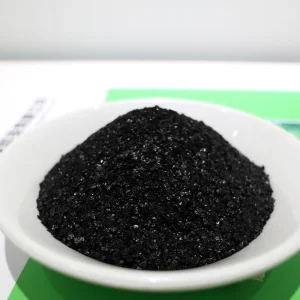
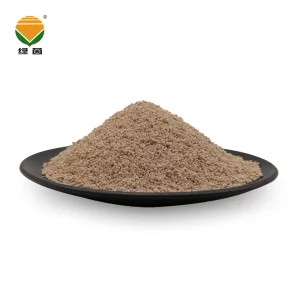
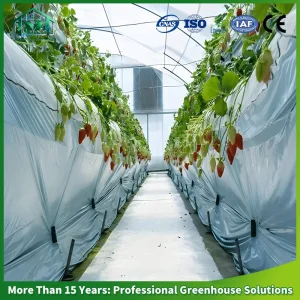
In the tropical and humid agro-ecological zones of Cameroon, traditional agricultural inputs and standard inorganic mineral trace elements often face severe structural limitations. In soils characterized by extreme leaching, high acidity (common across the ferralsols of the Western Highlands and the Southern plateau), and heavy phosphorus fixation, standard micro-elements like zinc, copper, iron, and manganese quickly oxidize. This oxidation locks them into insoluble compounds, making them completely unavailable to crop root systems. This phenomenon, known as micronutrient antagonism, is a primary yet invisible barrier to achieving optimal crop yield and quality in critical cash crops such as cocoa, coffee, oil palm, and banana plantations.
Similarly, Cameroon’s rapidly growing animal husbandry sector—ranging from poultry operations around Yaoundé and Douala to cattle farming in the Adamawa region—faces steep hurdles in nutritional absorption. Standard inorganic trace salts (such as copper sulfate or zinc oxide) exhibit very low biological utilization rates, often below 15%. The majority of these inorganic minerals are degraded by gastrointestinal pH swings, form indigestible complexes with dietary phytates, and are ultimately excreted, leading to environmental contamination and high feeding costs.
Cameroon stands as the economic engine of the Central African Economic and Monetary Community (CEMAC). Yet, its agricultural and livestock productivity continues to lag behind its true ecological potential. With soil acidity levels frequently dropping below a pH of 5.2 in regions like Littoral, South-West, and West, the uptake of crucial soil micronutrients is structurally inhibited. For instance, cocoa farmers frequently observe symptoms of zinc and boron deficiencies—manifested in small, deformed pods, poor pollination rates, and high susceptibility to black pod disease (Phytophthora megakarya).
In the livestock sector, intense heat stress during the dry seasons in the northern regions and coastal zones significantly decreases animal feed consumption. When feed intake drops, the concentration and quality of micro-nutrients in the feed must rise proportionally. Livestock producers cannot afford to rely on poorly absorbed inorganic minerals that irritate the intestinal lining. Bio-available chelates protect the animal’s gut and ensure high cellular assimilation of zinc, selenium, copper, and iron even under extreme environmental stress, which directly supports the animal's immune system, reduces mortality rates in broilers, and increases carcass yield.
Tropical acidic soils lock up inorganic copper and zinc, reducing photosynthetic pathways. Our highly stable EDTA and amino-acid chelated micronutrient formulations maintain full stability across wide pH ranges, supplying vital trace minerals directly to the root membrane of cocoa, coffee, and banana plants.
Modern intensive broiler operations in Cameroon demand rapid growth and robust skeletal integrity. Amino acid chelates (such as Zinc Glycinate and Manganese Proteinate) bypass competitive ion channels in the intestine, optimizing feed efficiency and boosting immunity against common tropical pathogens.
To understand the immense economic return of chelated trace minerals, we must examine their underlying biochemistry. Inorganic minerals like Zinc Sulfate (ZnSO₄) readily dissociate in water and acidic media into charged ions (Zn²⁺). These charged ions are highly reactive, binding to antagonistic components such as phytates, oxalates, and tannin complexes found in plant materials. They also compete directly with other minerals (like Iron or Calcium) for absorption channels in the animal intestinal brush-border membrane, resulting in severe absorption bottlenecks.
In contrast, a true bio-available chelate encapsulates the trace metal within a multi-dentate ligand structure (such as Glycine, Methionine, or hydrolyzed proteins). This process yields a heterocyclic ring system that holds the metal ion in a stable, electrically neutral state. Because the chelated complex is electrically neutral, it does not react with dietary antagonists. Instead of competing for limited metal-ion transporters, it is absorbed through highly efficient active peptide and amino acid absorption pathways (such as the PEPT1 transporter).
Stability Constant (log K): Our chelated trace minerals are engineered to maintain a precise stability range (log K = 3.0 to 6.0). If the bond is too weak, the mineral dissociates prematurely in the stomach or soil; if the bond is too strong, the plant or animal cannot unlock the nutrient at the cellular level. Zhengzhou Treo Nutrition Co., Ltd. calibrates this balance precisely for Cameroon’s high-temperature, high-acidity agricultural environments.
With over 20 years of relentless research and industrial manufacturing experience, Zhengzhou Treo Nutrition Co., Ltd. is a global leader in delivering innovative, high-performance, and sustainable crop and animal nutrition systems. From our advanced scientific labs to our highly integrated supply chain operations, we work closely with feed millers, plantation owners, and agricultural distributors worldwide to solve complex micronutrient challenges.
Recognizing the critical role that nutrition plays in global food security, we have strategically expanded our expertise from high-quality animal proteins and amino acids (such as Corn Gluten Meal 60%, Mycoprotein 70%, and Rice Protein Powder 70%) to advanced organic soil conditioners, slow-release specialty crop fertilizers, and bio-available mineral chelation technologies. Our offices in Zhengzhou and Hong Kong coordinate seamlessly with modern, state-of-the-art production complexes across Shandong, Hebei, and Jiangsu to ensure high-capacity manufacturing, absolute consistency, and competitive pricing for global markets.
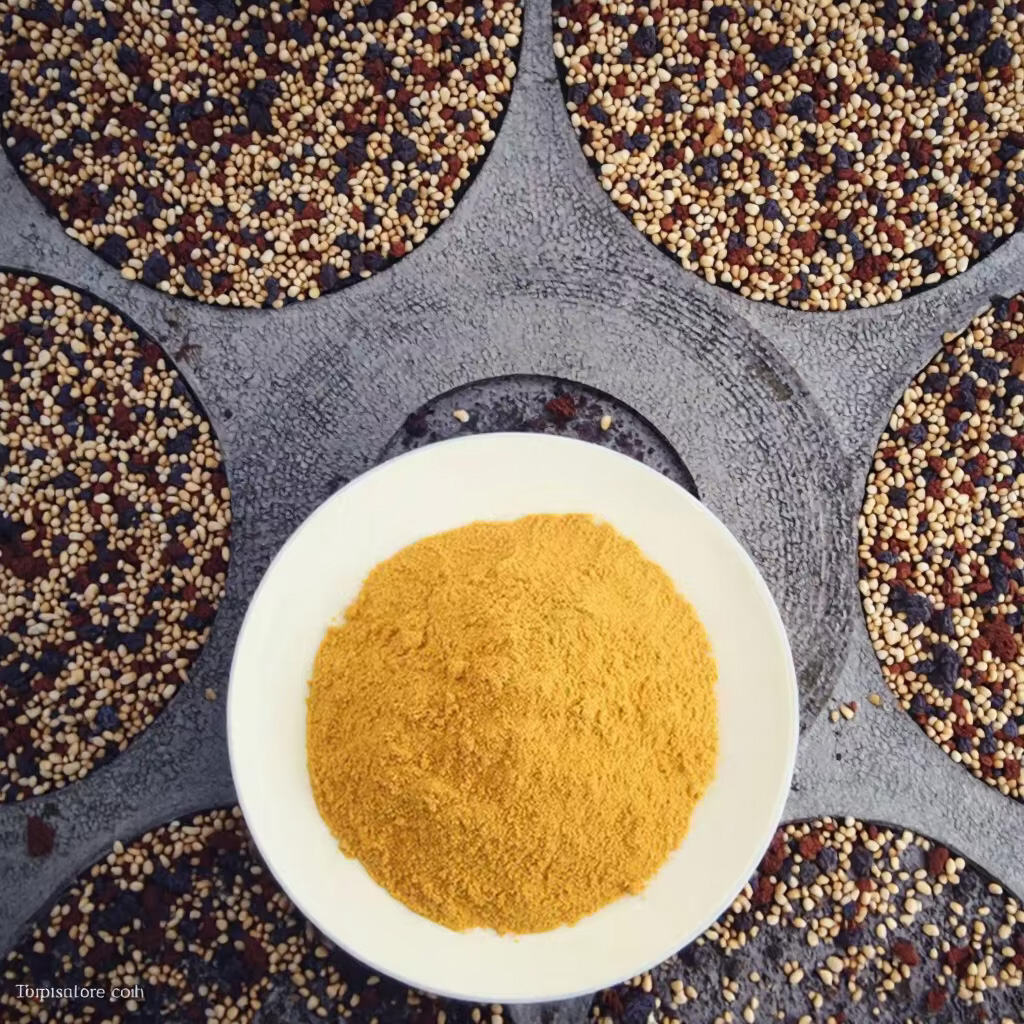
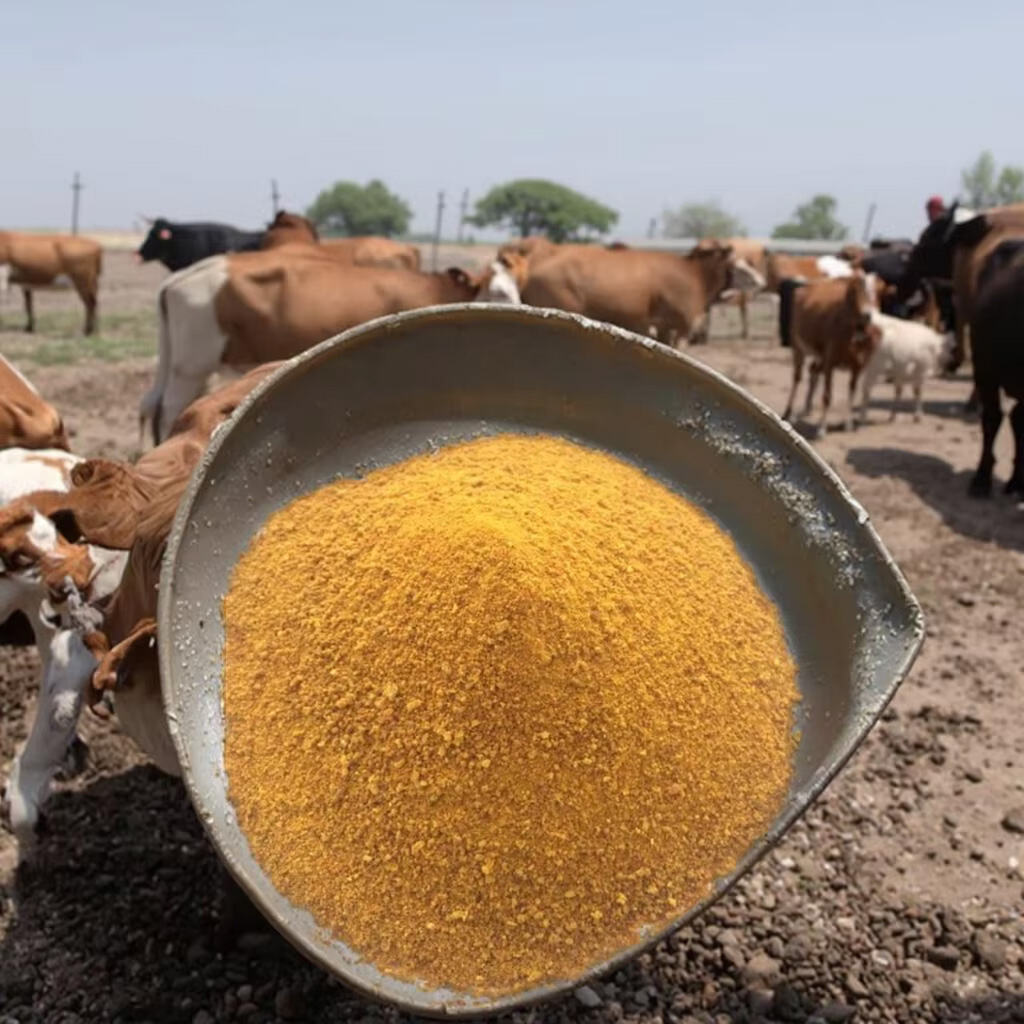
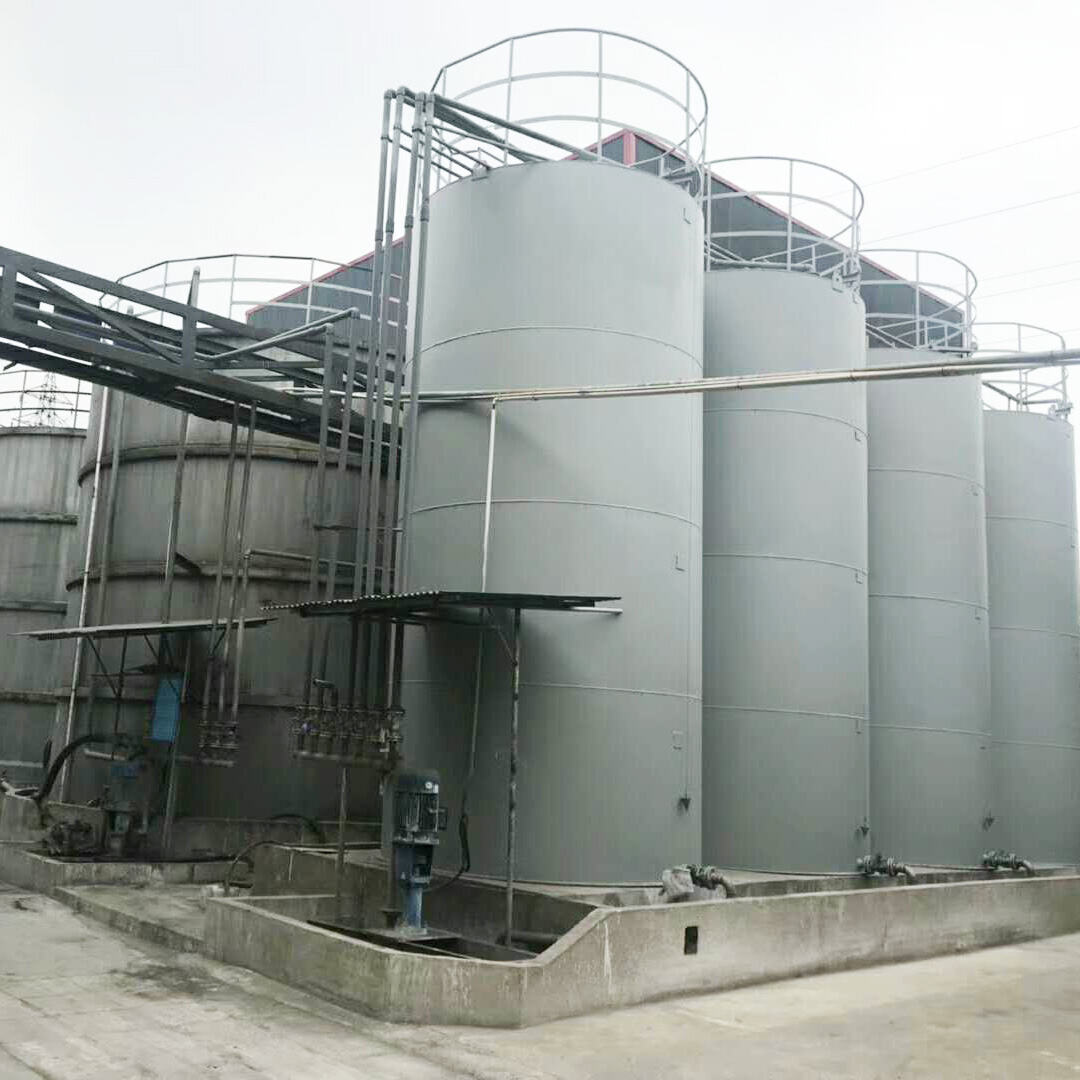
We specialize in seamless bulk shipping from key Chinese logistical hubs directly to the Port of Douala and the Port of Kribi in Cameroon. Our experienced logistics teams manage all critical shipping documents, customs clearance protocols, and quality compliance procedures to ensure smooth cargo delivery to agricultural and industrial buyers.
To guarantee complete alignment with Cameroon's import protocols, all shipments are certified for quality and compliance in close coordination with international inspection agencies (such as SGS and Bureau Veritas). Our products strictly adhere to the standards outlined by the Ministry of Agriculture and Rural Development (MINADER) and the Ministry of Livestock, Fisheries and Animal Industries (MINEPIA), as well as the national standards agency ANOR.
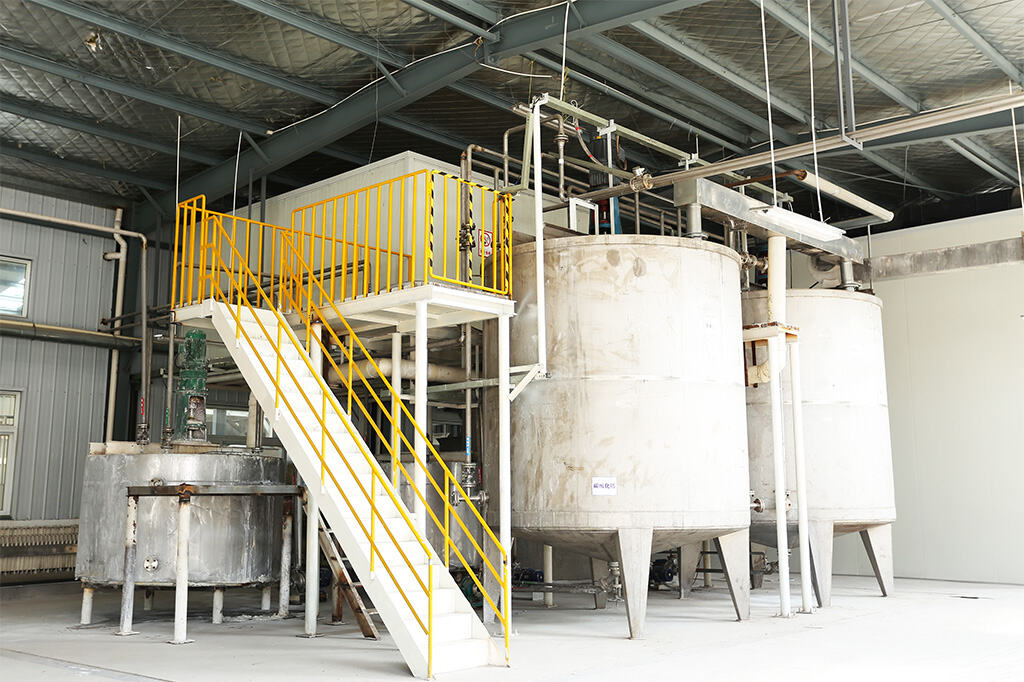
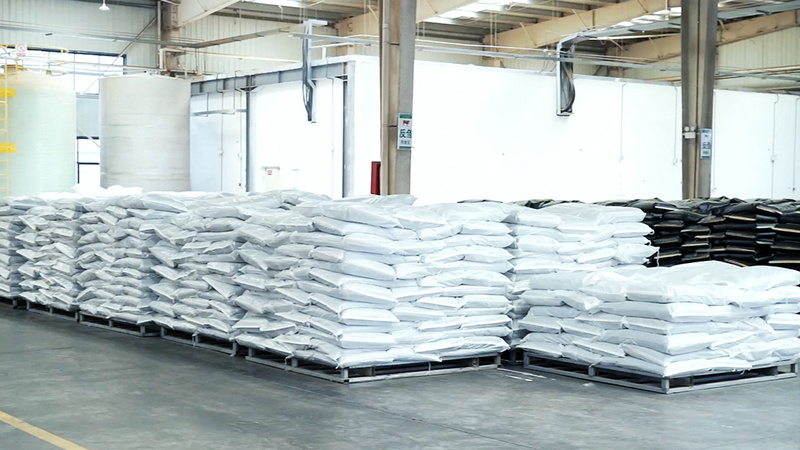
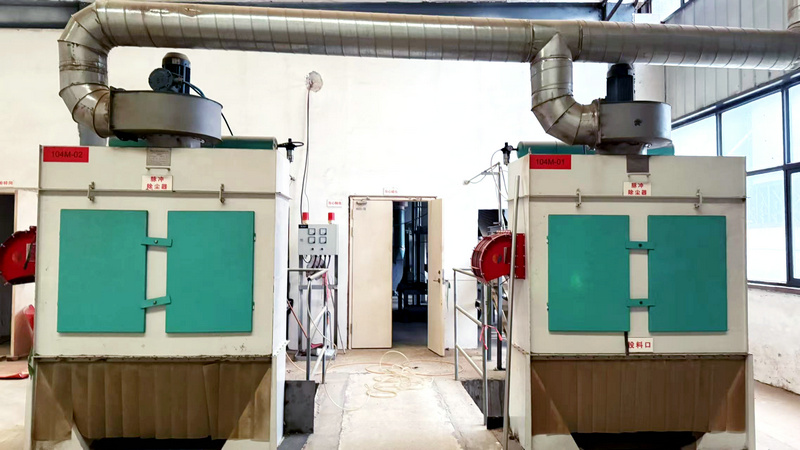
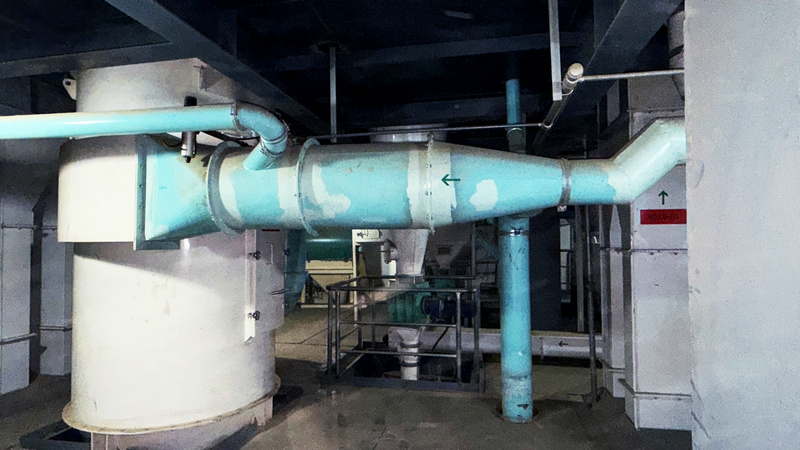
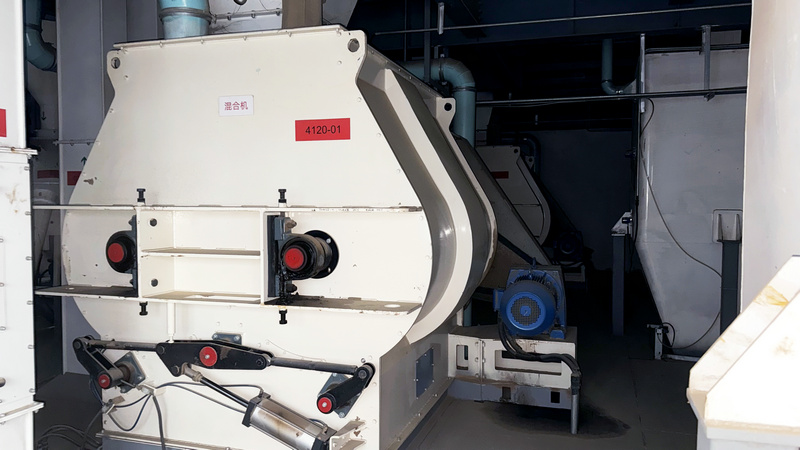
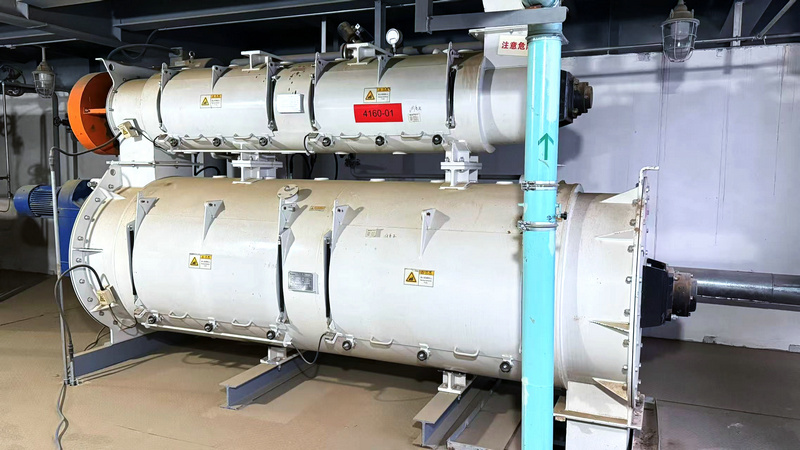
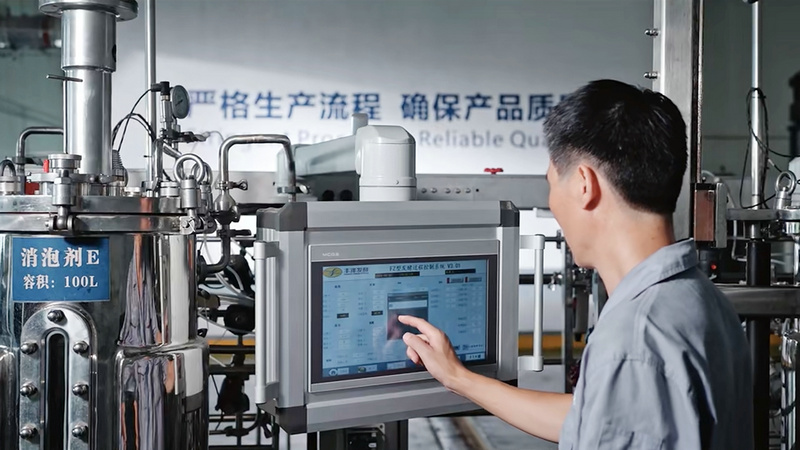
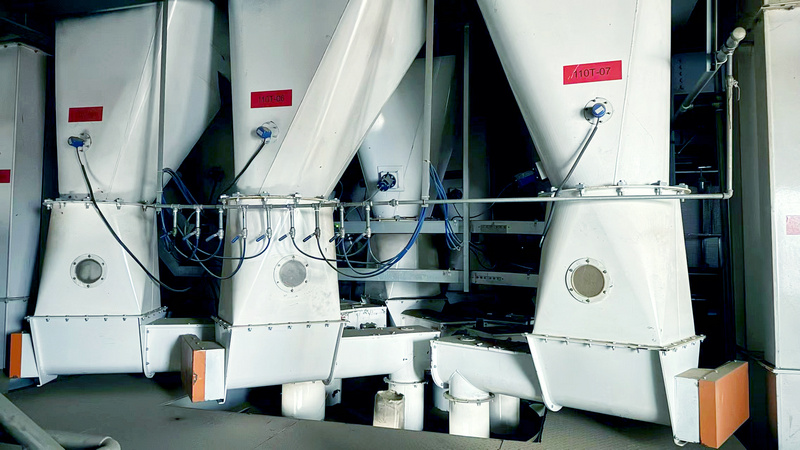
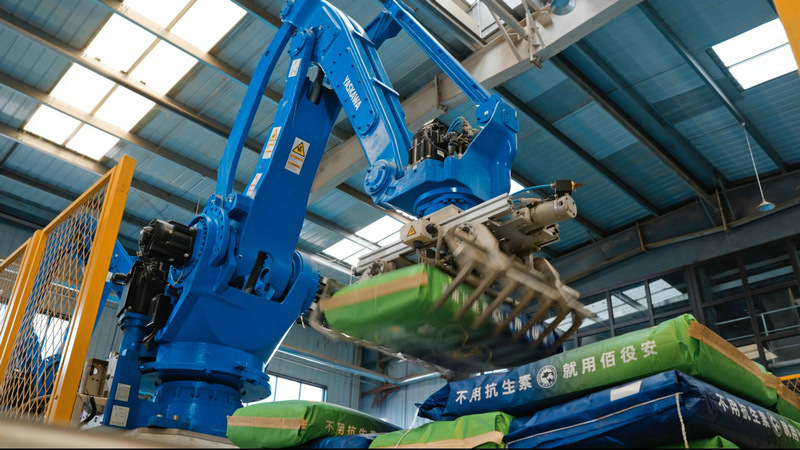
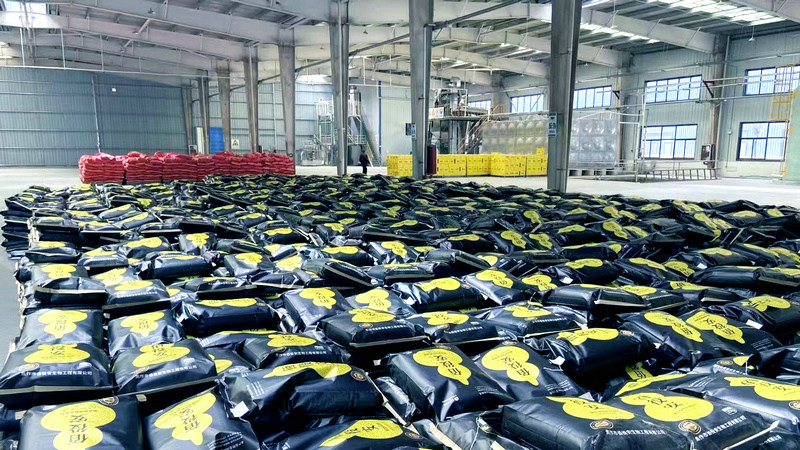
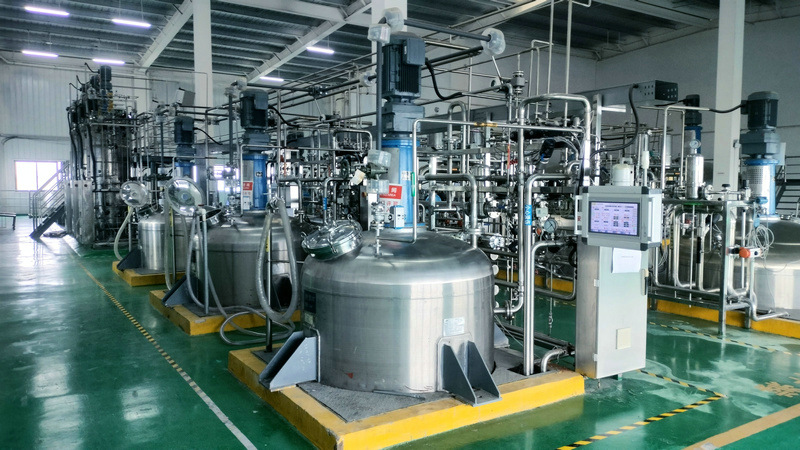
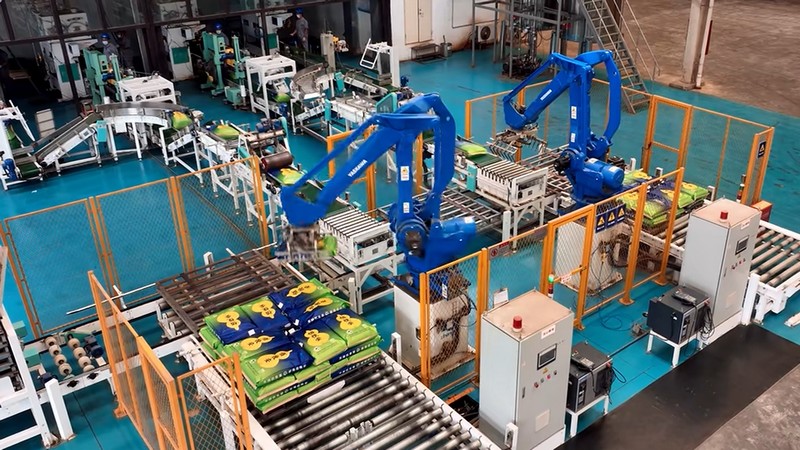
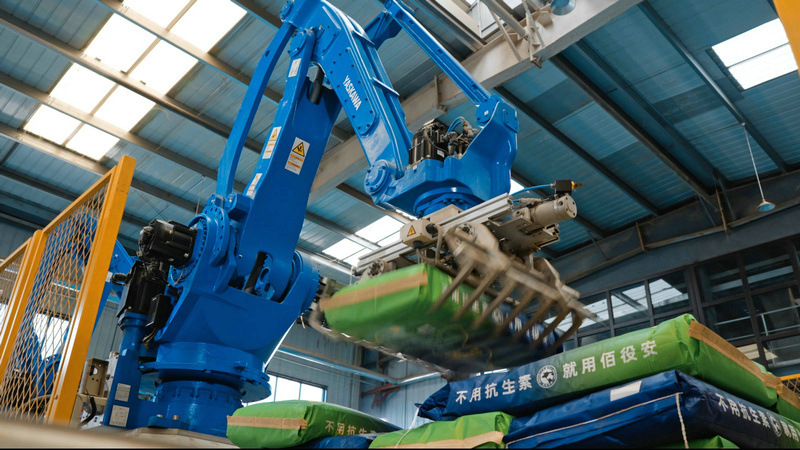
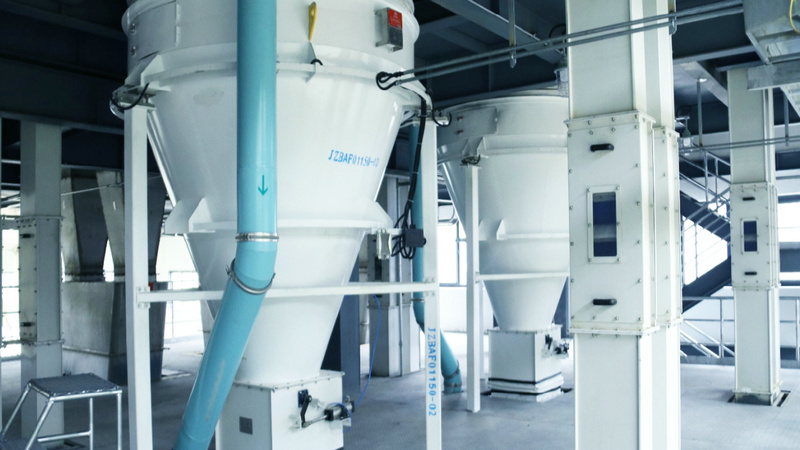
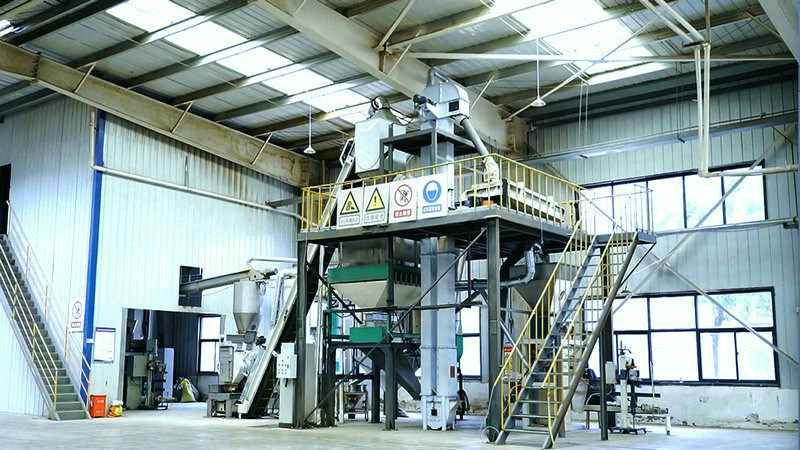
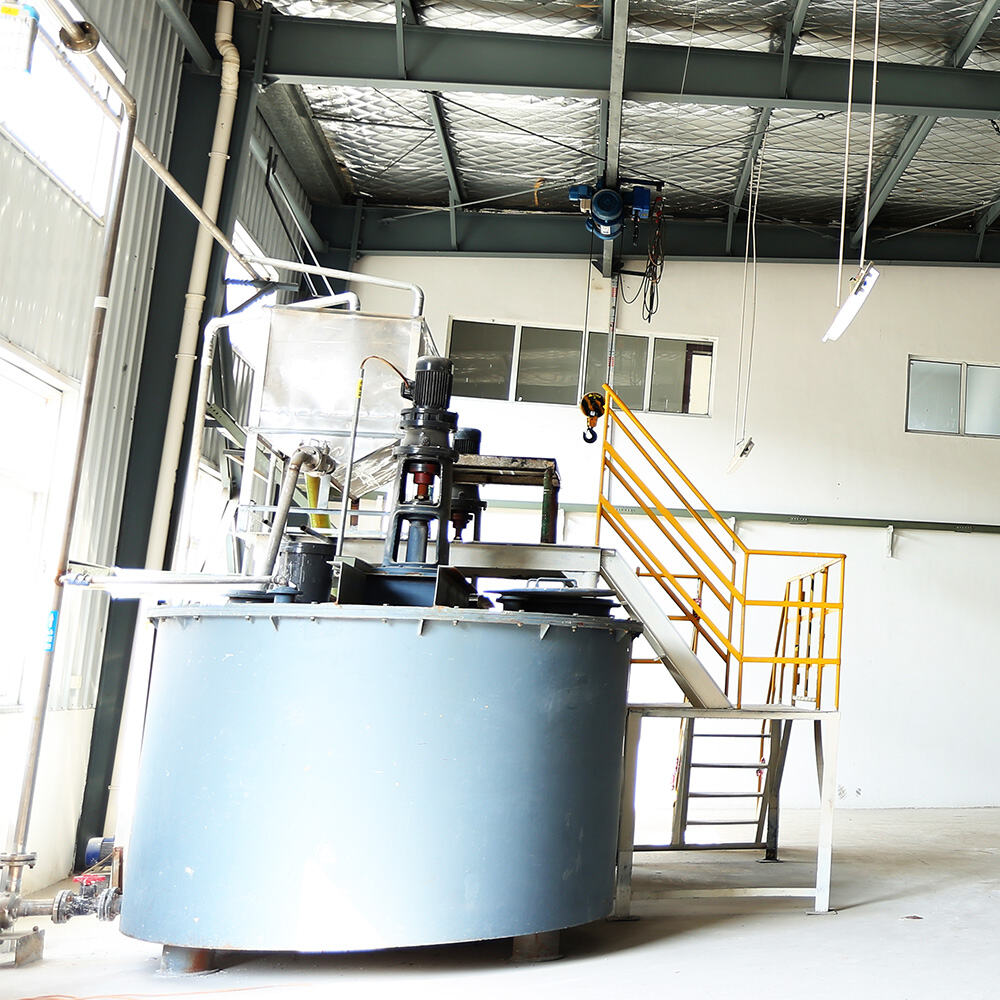
Every batch of our agricultural and livestock nutritional solutions undergoes a meticulous 14-step high-tech manufacturing, bio-synthesis, and quality verification process:
Get immediate, technically rigorous answers to common questions about implementing organic chelation technologies in Cameroon's unique agro-ecological landscape.
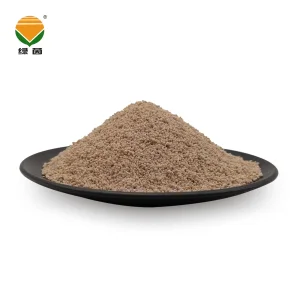
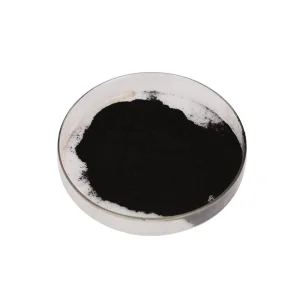
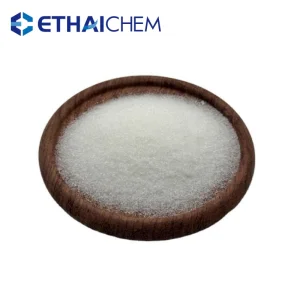
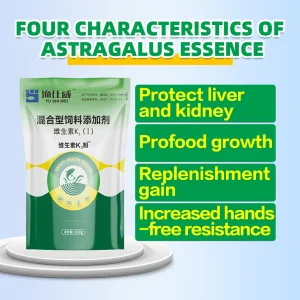
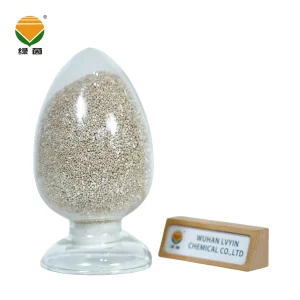
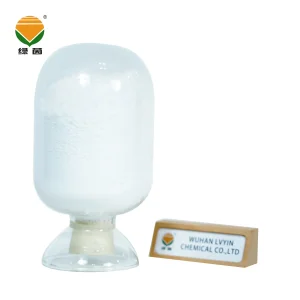
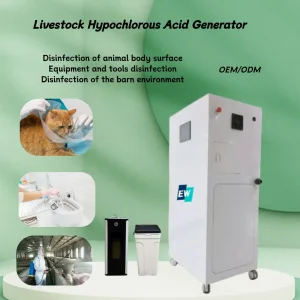
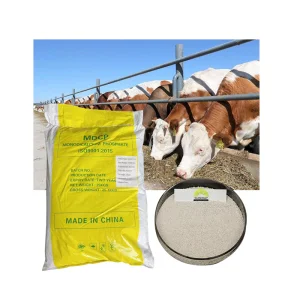
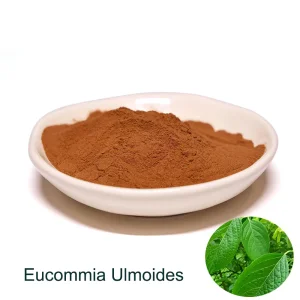
Explore our full line of export-ready fertilizers, active feed additives, soil conditioners, and sanitizing solutions designed for Cameroon's agricultural and industrial sectors:
Upgrade your animal feed efficiency, reclaim toxic soil health, and secure your export agricultural yields. Leverage our advanced manufacturing capability and dedicated logistics support to Cameroon today.
 Treo Nutrition