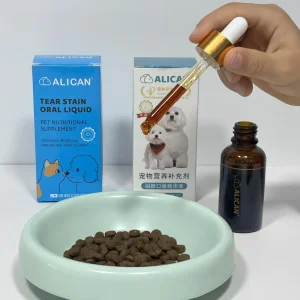
Specially customized high-performance additives formulated to counter heat-stress challenges and boost metabolic efficiency in West-Central African climates.
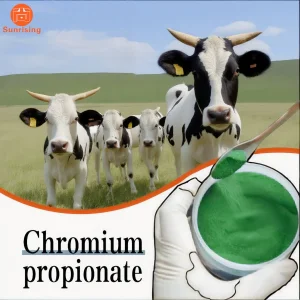
Equatorial Guinea, located in the Gulf of Guinea, is characterized by a humid tropical climate with high temperatures and persistent humidity throughout the year. The territory spans both Bioko Island (with its rich volcanic soils) and the mainland region of Rio Muni. While historically dependent on hydrocarbon exports, the government’s Horizon 2035 economic diversification plan has placed a profound emphasis on expanding domestic agricultural output, aiming for self-sufficiency in animal protein production.
Ruminant farming (beef, dairy, goats, and sheep) in Equatorial Guinea faces distinct regional challenges. The heavy rainfall (often exceeding 2,000 mm annually) results in pasturelands that are highly prone to soil acidification and mineral leaching. Consequently, the local forage is typically low in critical trace elements (such as chromium, phosphorus, and zinc) and protein content. Furthermore, the combination of high ambient temperatures and relative humidity induces chronic **heat stress** in cattle. Heat stress severely suppresses dry matter intake (DMI), compromises ruminal fermentation kinetics, increases susceptibility to respiratory diseases, and deteriorates reproductive indices.
To unlock the genetic potential of beef and dairy cattle in provinces such as Litoral, Centro Sur, and Bioko Norte, local livestock operators and feed mills are turning to highly bioavailable nutritional feed additives. Our factory-backed solutions are precisely tailored for these applications:
As the agricultural landscape matures in Bata, Malabo, and the new administrative hub of Djibloho, the adoption of modern precision feeding systems is accelerating. Our R&D division has laid out a technical roadmap designed to assist local integrators in establishing robust, high-yield feed formulations:
Phase I: Micro-Nutritional Base Alignment (2025-2026): Establishing mineral baselines in local forages. We supply custom premixes featuring high-stability vitamins and organic trace elements to prevent clinical deficiencies.
Phase II: Ruminal Efficiency & Emission Mitigation (2027-2028): Implementing functional feed additives that modify ruminal fermentation. By enhancing dry matter digestibility, we help ranchers reduce enteric methane emissions per kilogram of meat or milk produced.
Phase III: Traceability & Biosafety Integration (2029-2030): Integrating automated batch-tracking systems at the factory level, ensuring that every shipment to Equatorial Guinea carries complete chemical profiles, phytosanitary certifications, and batch consistency records.
Securing a steady, reliable flow of feed ingredients is critical for continuous livestock operations. Zhengzhou Treo Nutrition Co., Ltd. utilizes integrated manufacturing networks located across Shandong, Hebei, and Jiangsu provinces, ensuring redundant production capabilities that insulate our clients from domestic supply shocks.
Our logistics framework is optimized for direct marine transport from major Chinese ports (Qingdao, Shanghai, and Tianjin) to the deep-water Port of Bata and the modernized Port of Malabo. We manage container loading using climate-controlled moisture barriers to prevent mold and physical deterioration of feed powders during transit across tropical seas. By maintaining local compliance records and coordinating with local customs agents, we facilitate fast-track clearance to prevent production delays at your feed processing facility.
Zhengzhou Treo Nutrition Co., Ltd.: Driving animal husbandry and modern agriculture forward through rigorous processing and advanced manufacturing technologies.
Zhengzhou Treo Nutrition Co., Ltd., with over 20 years of industry experience, is committed to delivering innovative, efficient, and sustainable nutrition solutions for both animal husbandry and modern agriculture. Leveraging deep technical expertise and continuous research, the company has established a strong foundation in the field of animal nutrition. We specialize in high-quality feed ingredients and additives such as Corn Gluten Meal 60%, Mycoprotein 70%, and Rice Protein Powder 70%, which are widely recognized for their stable quality, high nutritional value, and cost-effectiveness. Through scientific formulation and strict quality control, we help customers improve feed efficiency, animal health, and overall productivity.
In response to the increasing global demand for sustainable agricultural practices, Treo Nutrition has strategically expanded its business scope into crop nutrition and soil health management. Our diversified product portfolio now includes CSL Powder 42%, Organic NPK Fertilizers, soil conditioners, and tailor-made nutrient solutions. These products are designed to enhance soil structure, increase nutrient availability, boost crop resilience, and ultimately improve yield and quality, while reducing environmental impact.
To better serve international markets, the company operates offices in Zhengzhou and Hong Kong, supported by multiple modern production facilities located in Shandong, Hebei, and Jiangsu. With a well-integrated supply chain and advanced manufacturing processes, we ensure consistent product quality, reliable supply, competitive pricing, and timely global delivery. Our logistics and service teams work closely with partners worldwide to provide flexible and customized solutions.
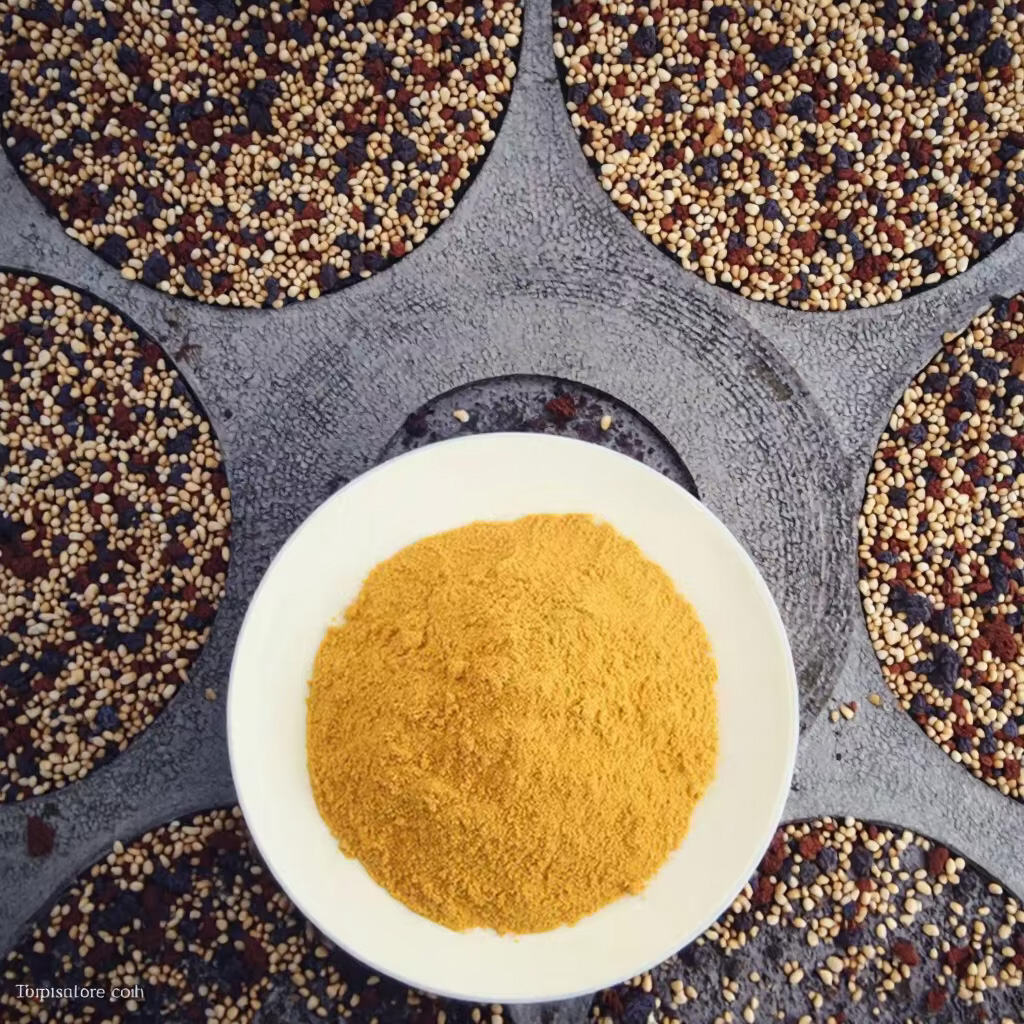
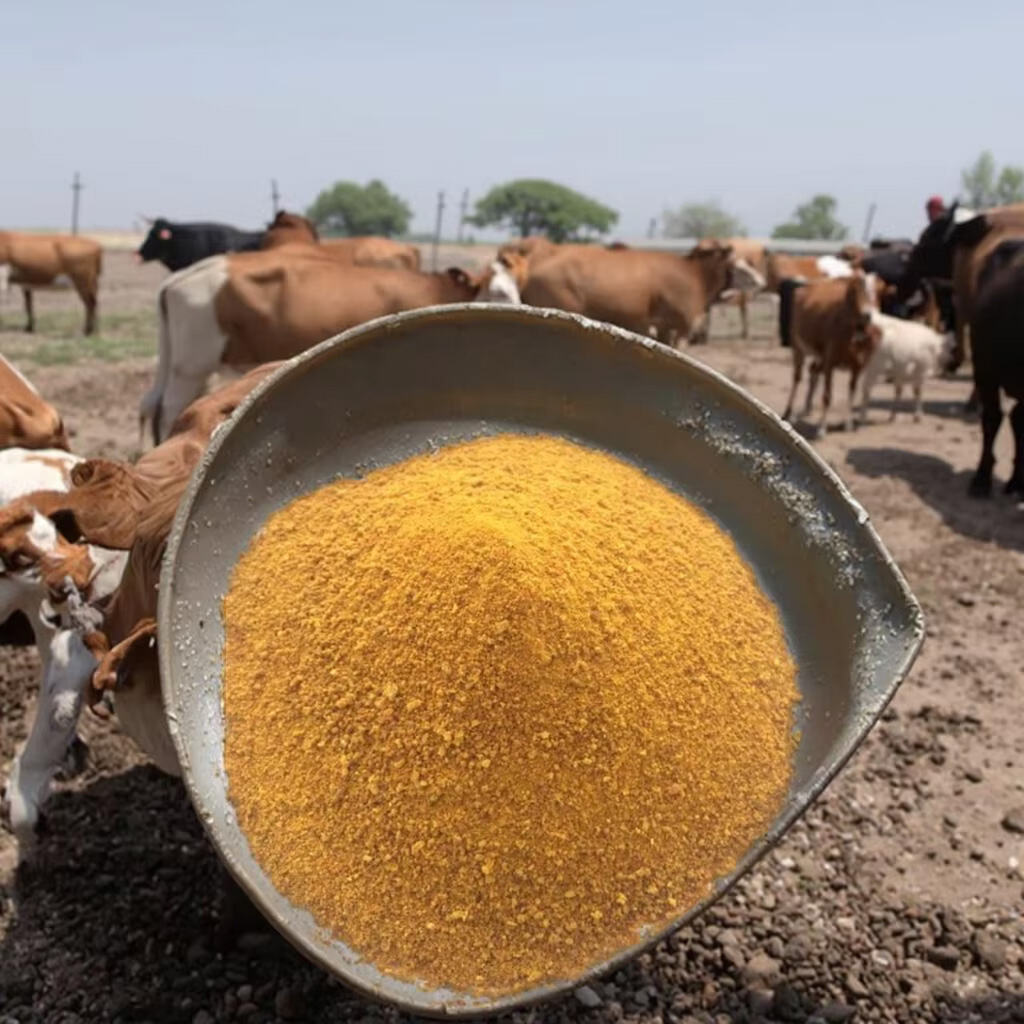
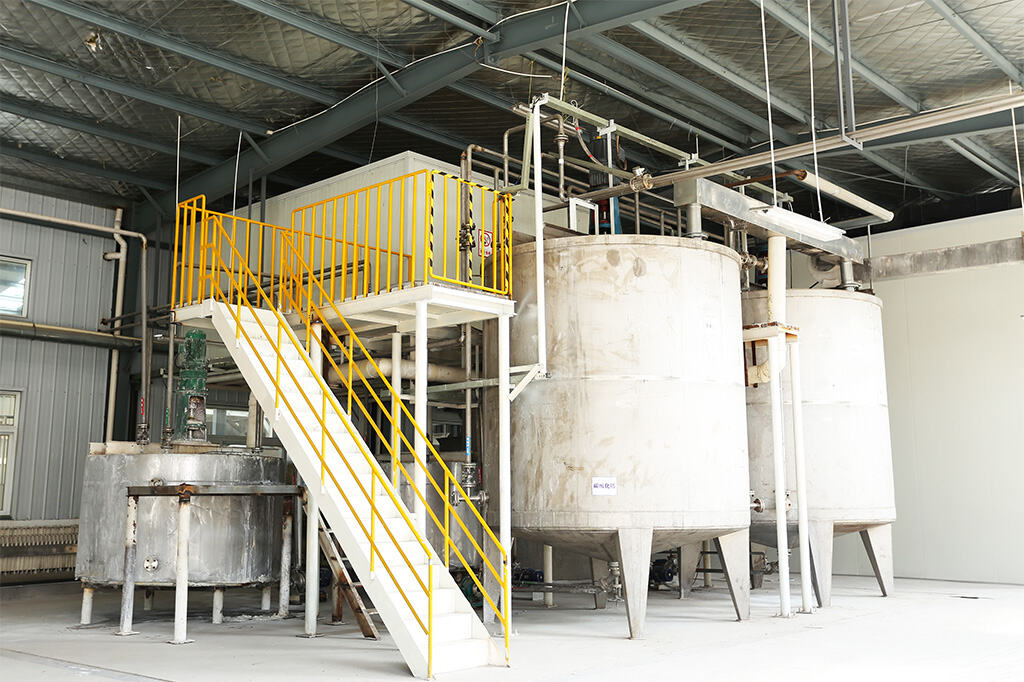
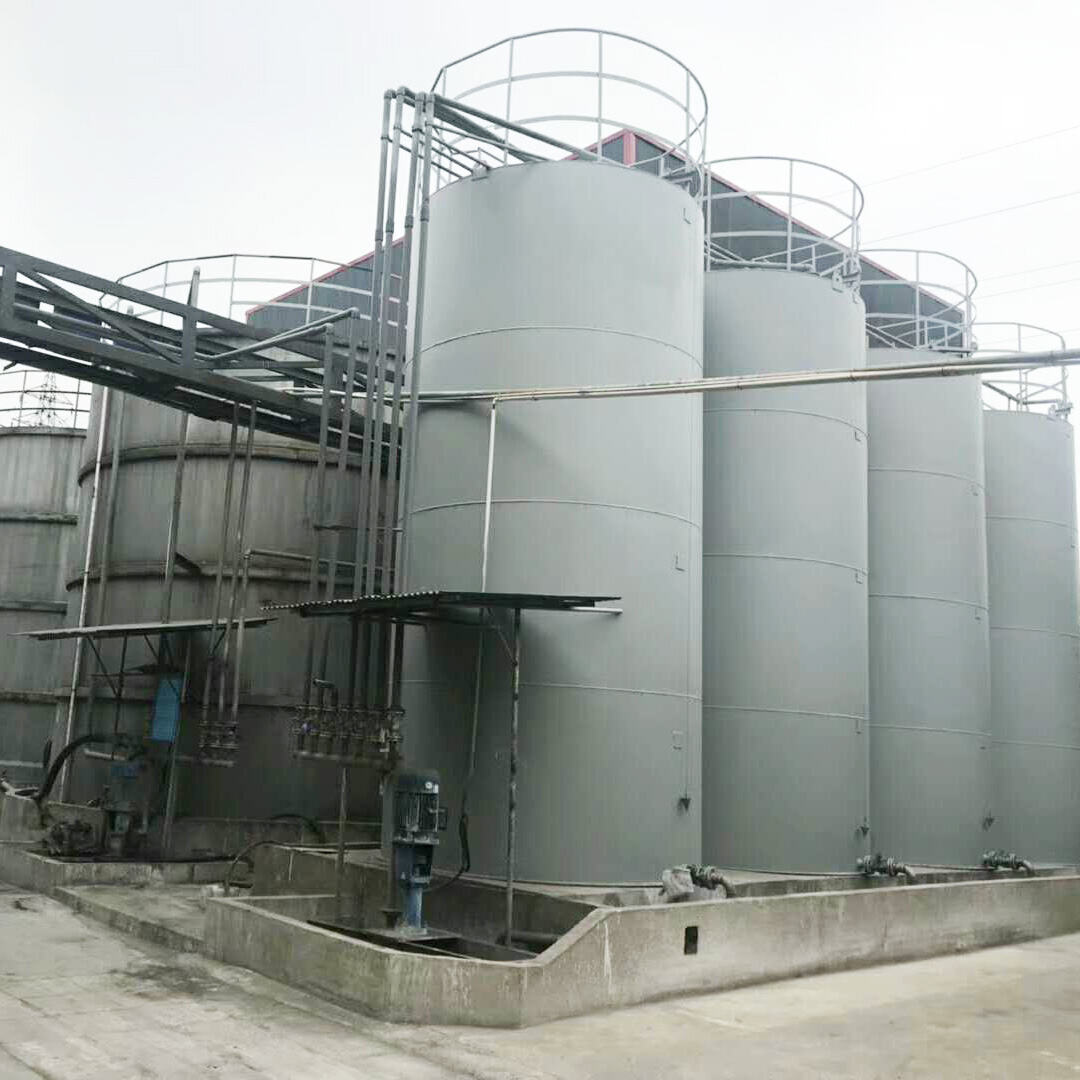
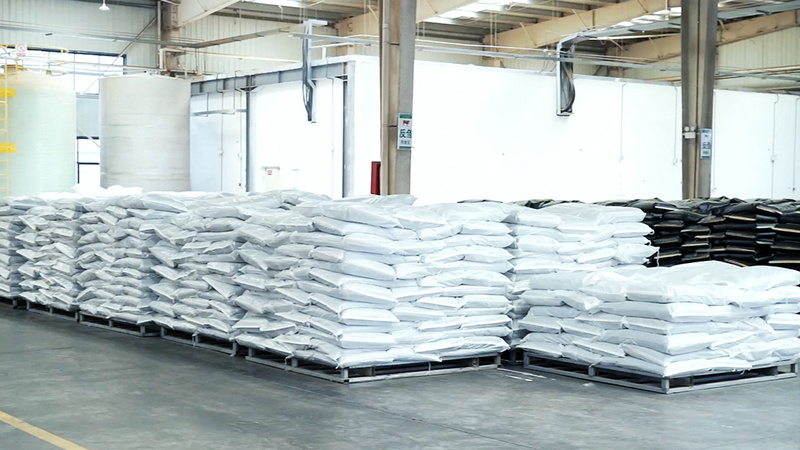
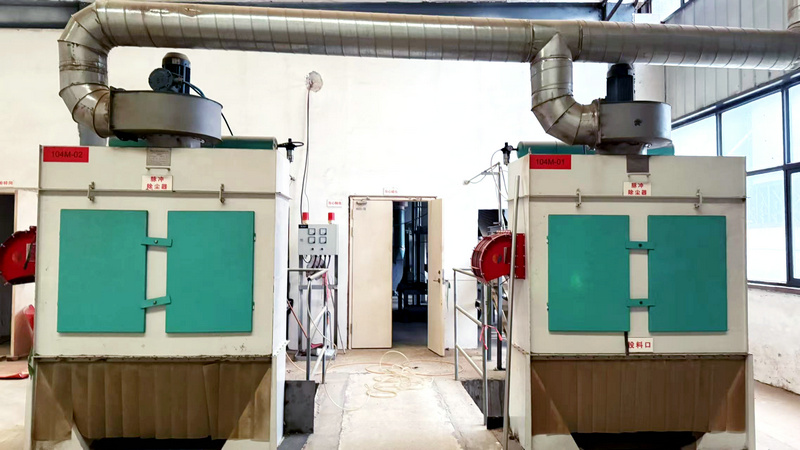
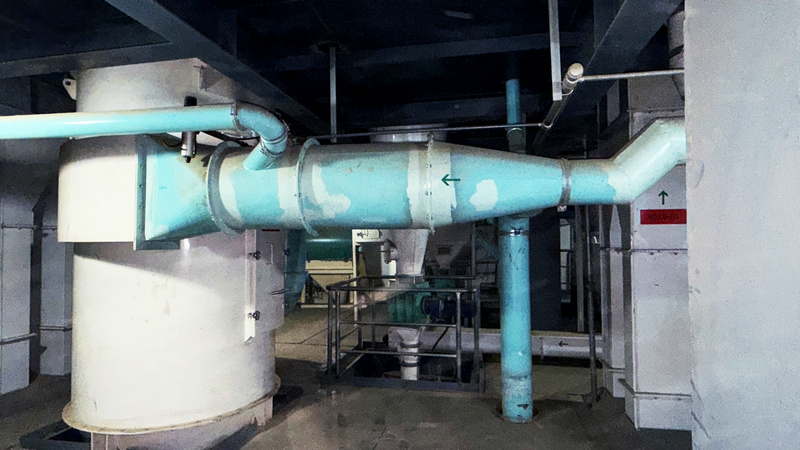
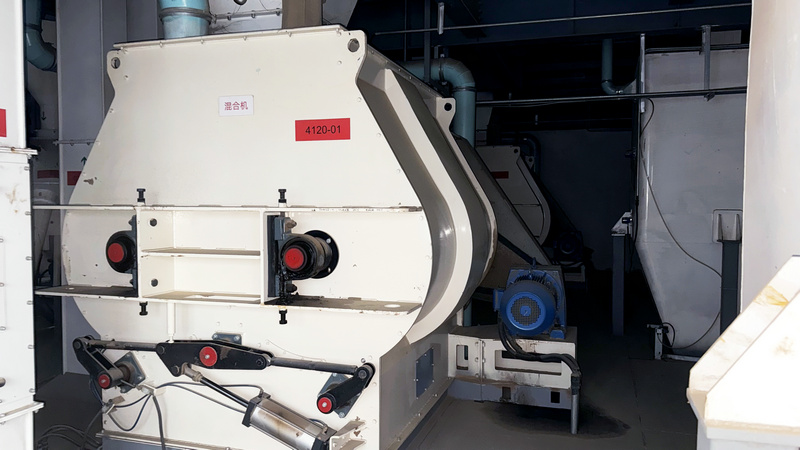
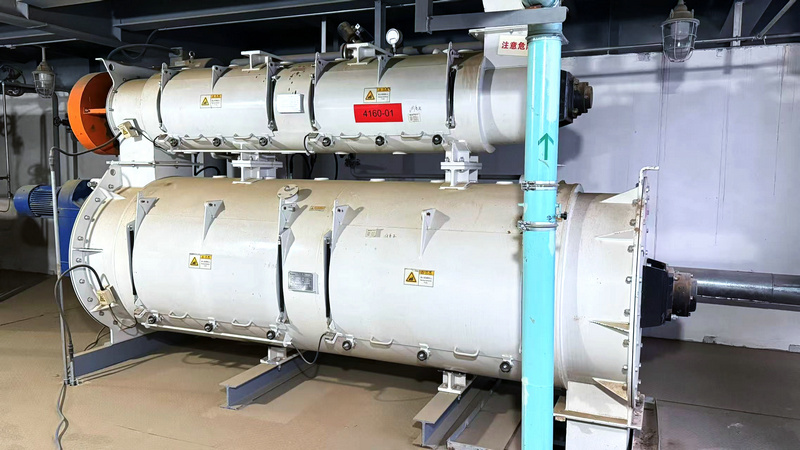
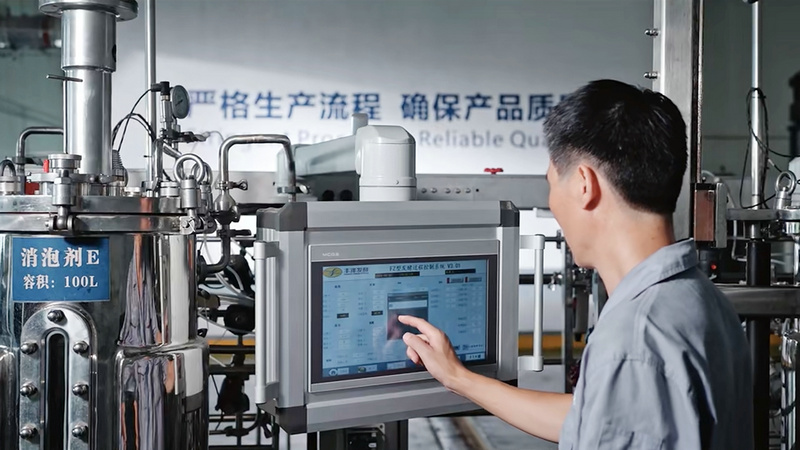
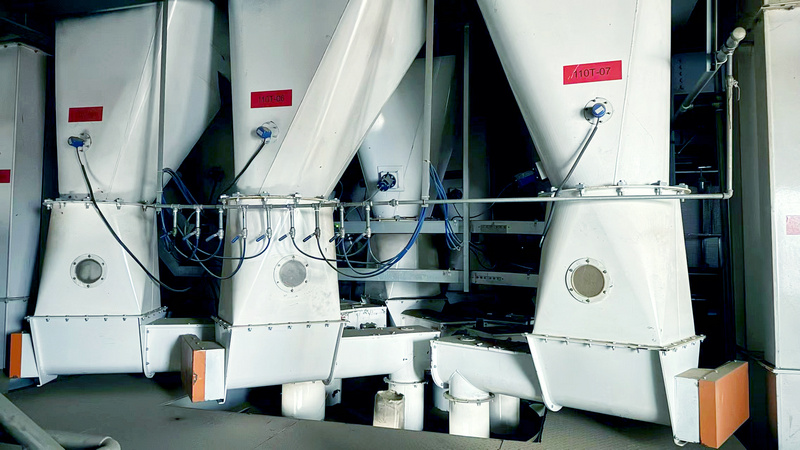
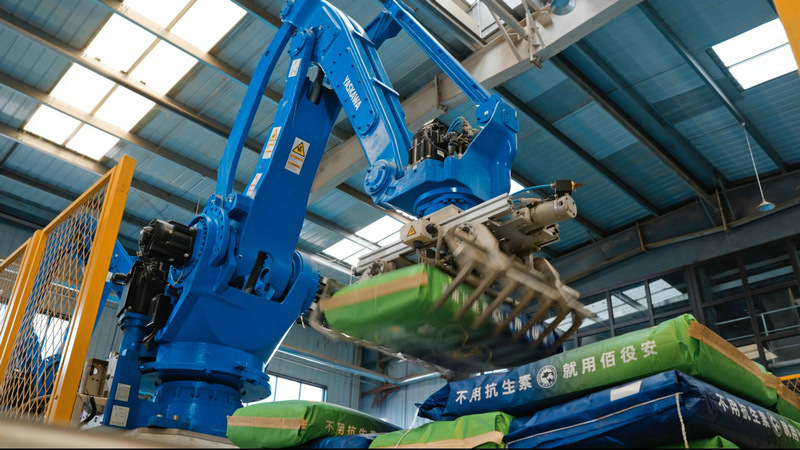
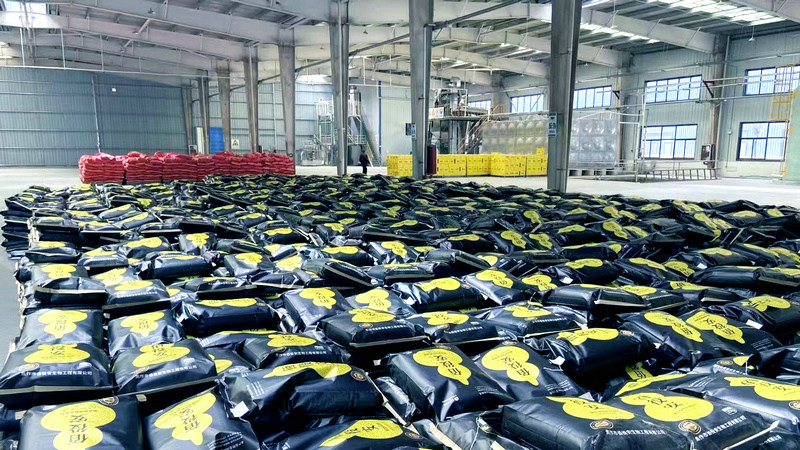
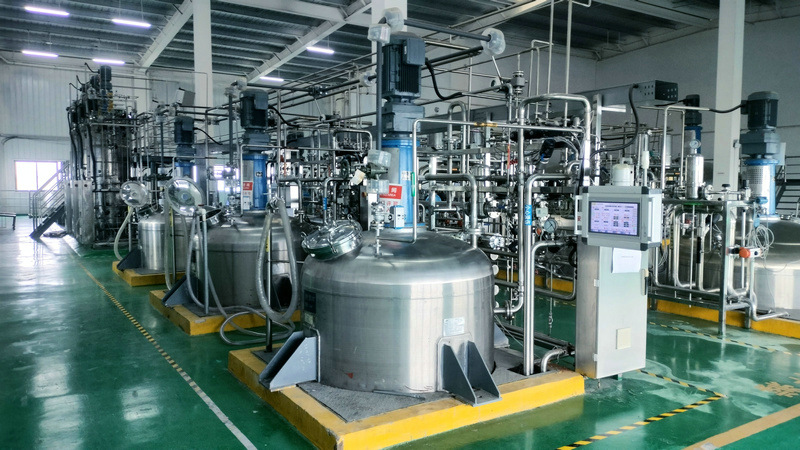
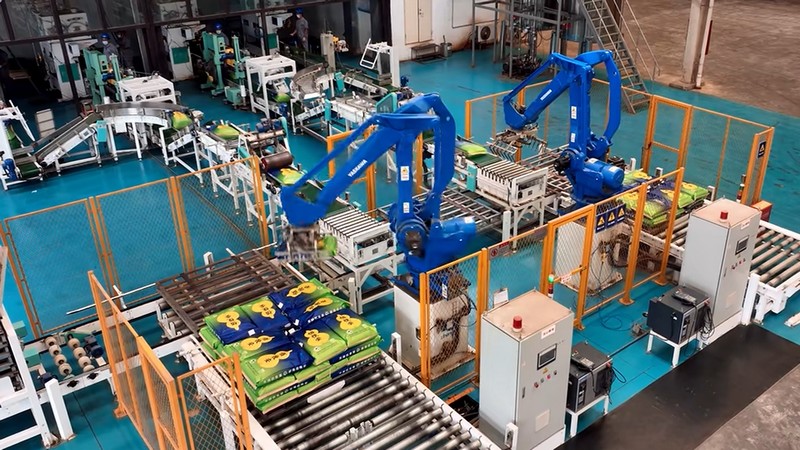
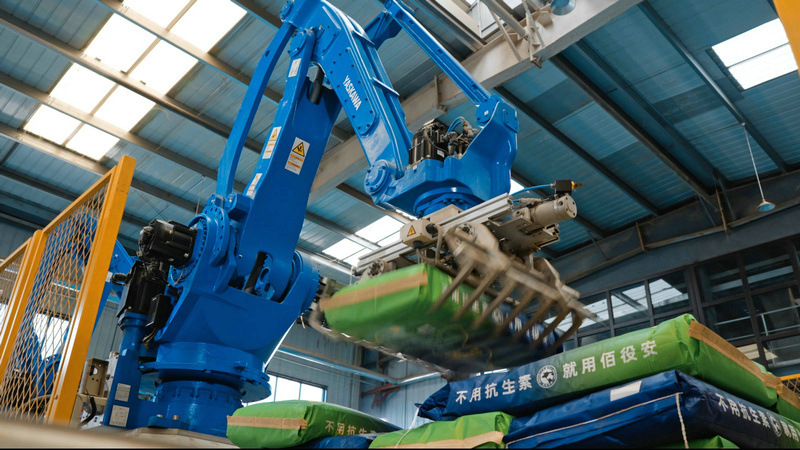
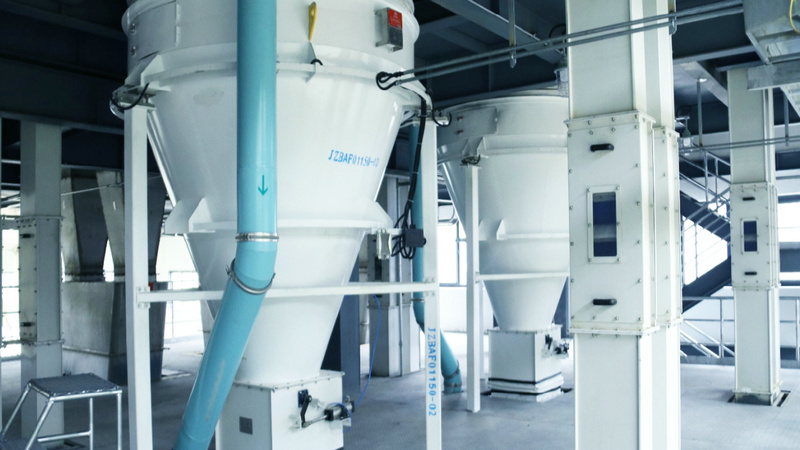
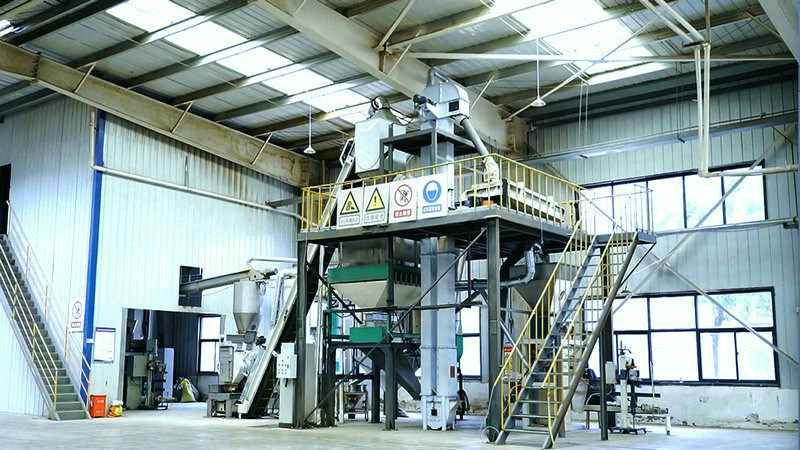
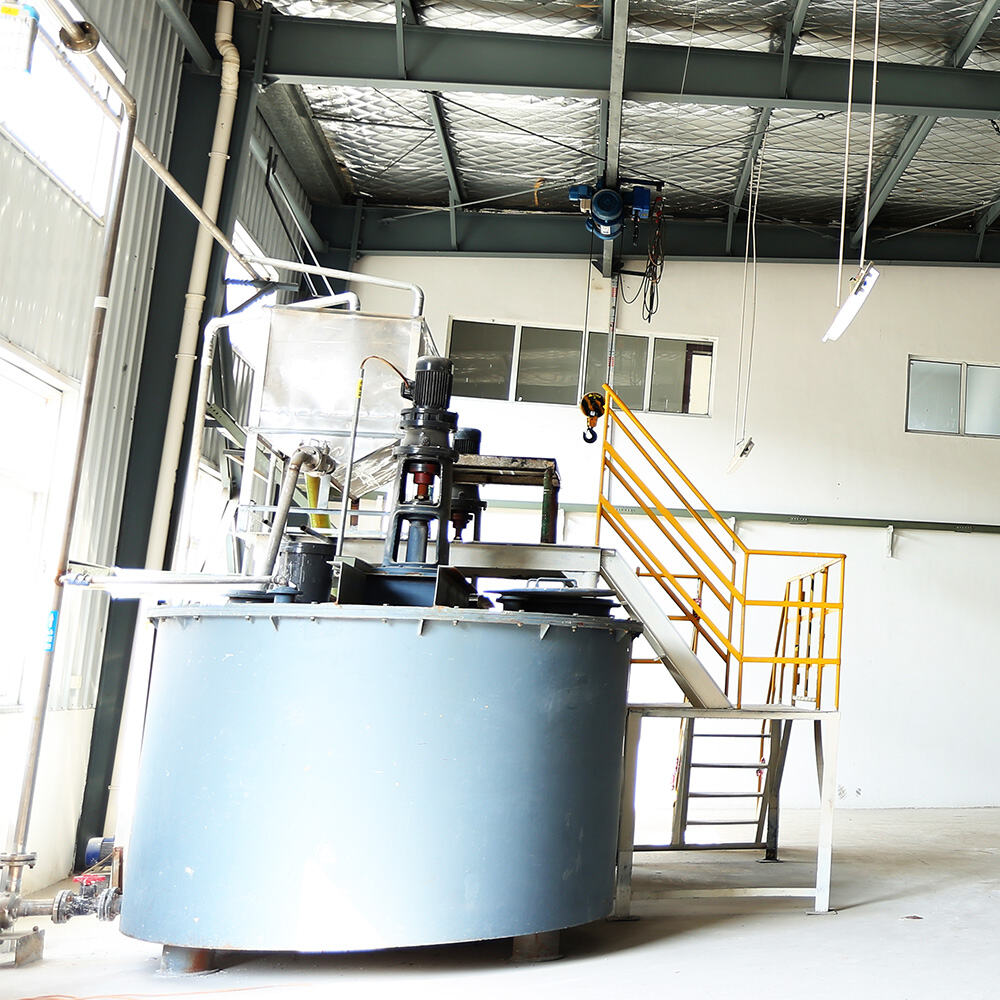
Every step of our production workflow is strictly monitored to ensure compliance with global biosafety, feed safety, and quality standards.
Importing agricultural raw materials and chemical feed additives into Equatorial Guinea requires stringent compliance with the **CEMAC (Economic and Monetary Community of Central Africa)** harmonization standards and local inspections overseen by the Ministry of Agriculture, Livestock and Rural Development (Ministerio de Agricultura, Ganadería y Desarrollo Rural).
We provide all our Equatorial Guinean trade partners with comprehensive documentation to ensure frictionless customs processing. This includes:
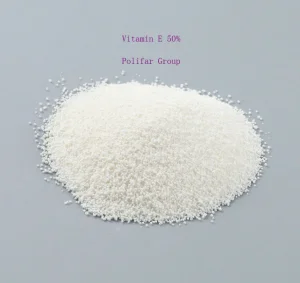
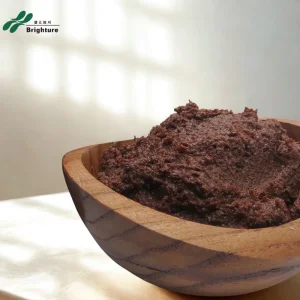
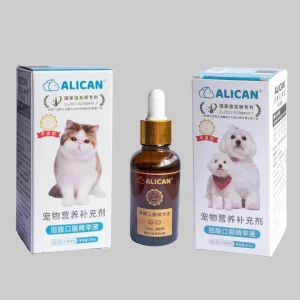
High-purity nutritional components, minerals, and functional additives serving Equatorial Guinea’s agricultural demands.
Expert answers addressing the logistical, nutritional, and biochemical concerns of importing feed additives to Equatorial Guinea.
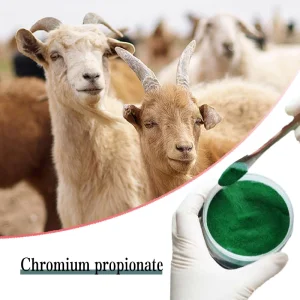
Due to Equatorial Guinea's constant high heat and humidity, livestock endure severe thermal stress. This elevates blood cortisol levels, which impairs insulin sensitivity and hinders glucose metabolism. Chromium Propionate 8% acts as an organic cofactor that enhances insulin efficiency, facilitating glucose transport into cells. This maintains dry matter intake (DMI), optimizes feed conversion rates, and reduces heat-induced metabolic crashes, particularly in dairy and beef herds.
Standard container transit from primary Chinese ports (Qingdao, Shanghai) to the Port of Bata or Port of Malabo ranges between 35 to 45 days. We deploy heavy-gauge plastic lining and moisture-absorbent desiccant packs inside the containers. This prevents condensation and clumping of fine-grain supplements (like MCP, MDCP, or Choline Chloride) during travel through equatorial zones.
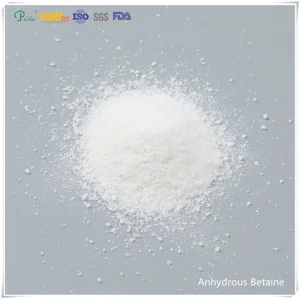
Betaine Anhydrous is a dipolar zwitterion that accumulates in cells to protect them from osmotic stress. Under extreme heat load, cells tend to lose water and energy as they pump ions across membranes. Betaine maintains intracellular water balance without increasing metabolic energy expenditure, allowing beef cattle and dairy cows to conserve energy, maintain ruminal integrity, and support liver function.
Yes. All shipments of Monocalcium Phosphate 22% and Monodicalcium Phosphate 21% are processed under ISO 9001 and FAMI-QS standards. We provide complete chemical assay reports, heavy-metal compliance profiles (limiting fluorine and arsenic to well within global and CEMAC veterinary health thresholds), and phytosanitary certificates for easy customs clearance.
Absolutely. Our technical R&D team collaborates closely with local feed mill operators and ranch managers. We help analyze the nutritional profiles of local grasses and agro-industrial byproducts (like palm kernel expeller or cassava starch residues) to design custom vitamin-mineral premixes, maximizing cost-effectiveness and performance.
Partner with Zhengzhou Treo Nutrition Co., Ltd. to access high-stability additives, secure container shipping, and complete technical compliance documentation.
Send Inquiry Now Treo Nutrition