Engineered to optimize metabolic performance, skeletal mineralization, and heat resilience in Fijian pastoral and intensive farming systems.

Ruminant production in Fiji, comprising dairy cattle, beef cattle, goats, and sheep, holds a strategic position in the country's national agricultural development plan. The Fijian government has prioritized self-sufficiency in milk and beef production to reduce reliance on imported milk powder and red meat, which heavily drain foreign exchange reserves. However, the tropical environment of the Pacific Islands presents distinct geographical and biological challenges to ruminant nutrition and physiology.
Fiji's ruminant production is primarily pasture-based, concentrated in zones such as the Central Division (Tailevu, Naitasiri, and Serua/Namosi) for dairy, and the Western Division (Yaqara pastoral ranch in Ra Province, and the Sigatoka Valley) for beef, sheep, and goat operations. While tropical pastures like Guinea grass (Megathyrsus maximus) and Koronivia grass (Brachiaria humidicola) provide abundant biomass during the wet season, their nutritional profile is structurally limited. They are characterized by rapid lignification, low crude protein content during dry spells, and poor phosphorus availability due to acidic soil characteristics typical of Fiji's volcanic terrains. Consequently, relying solely on natural pasture results in suboptimal milk yields, low weaning weights, and extended calving intervals.
Information Gain Insight: Tropical forage in Fiji experiences rapid cell wall calcification under high solar radiation. This elevates Neutral Detergent Fiber (NDF) and Acid Detergent Fiber (ADF) levels while reducing dry matter digestibility. Standard pasture feed cannot sustain lactating dairy cows producing over 10-12 liters per day without strategic mineral and energy supplementation.
To overcome these environmental and nutritional limitations, feed millers and commercial ranchers across Suva, Lautoka, and Ba are shifting towards precision nutritional inputs. The introduction of trace elements, bio-available phosphorus sources, and metabolic regulators has emerged as the most cost-effective pathway to bridge the nutritional gap and unlock the genetic potential of Jersey-Sahiwal crosses and Brahman beef herds in Fiji.
Treo Nutrition's global supply footprint and manufacturing capacities serving the Asia-Pacific region.
Fiji's climate is characterized by high humidity and temperatures that frequently push the Temperature-Humidity Index (THI) above the critical threshold of 72. Above this level, ruminants enter heat stress, initiating a cascade of physiological alterations:
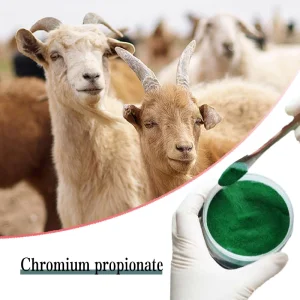
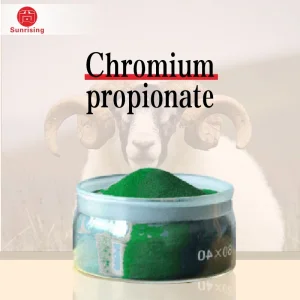
Treo Nutrition's customized Chromium Propionate (8% Feed Grade) acts as an insulin sensitizer. By facilitating the binding of insulin to cell receptors, it enhances glucose transport into mammary glands and muscle tissues, effectively maintaining milk yield and body condition score (BCS) even during peak summer periods in Tailevu.
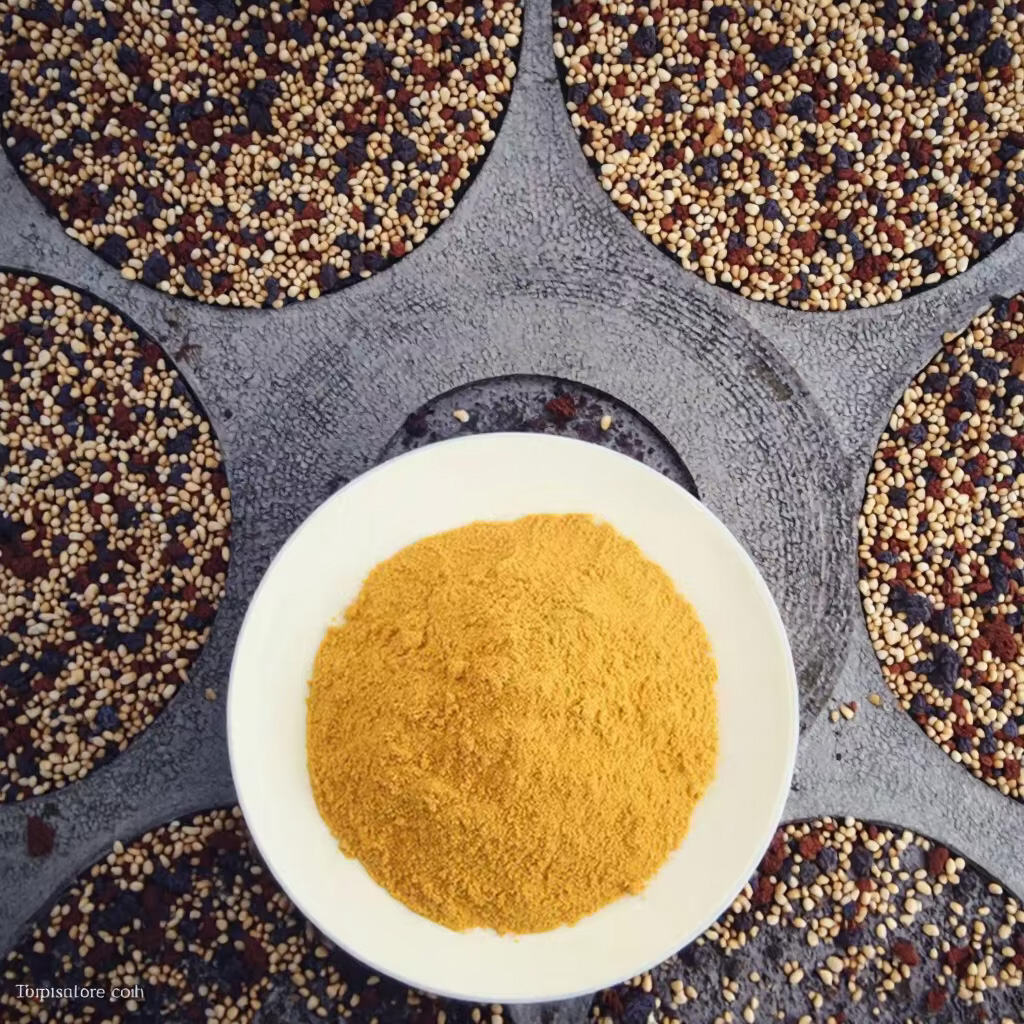
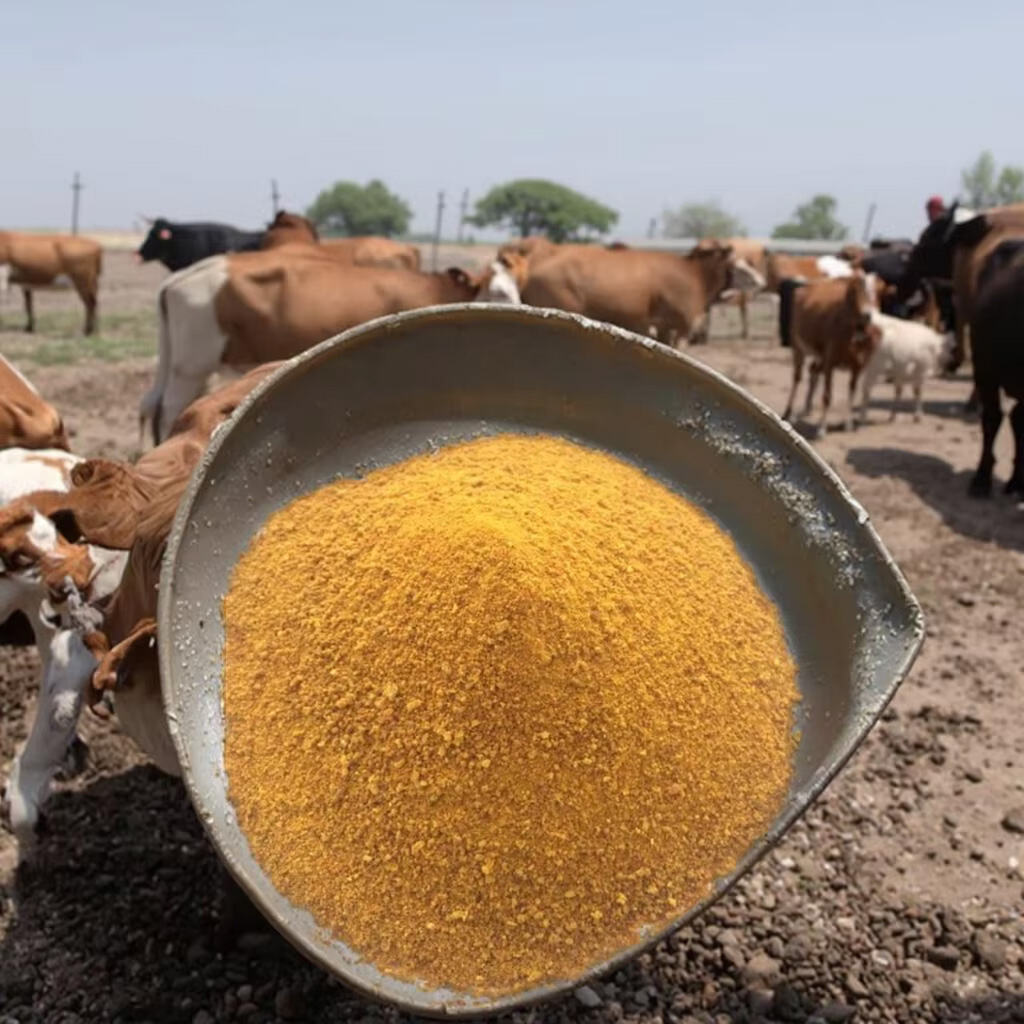
For Fijian feed manufacturers (such as those based in the Suva industrial corridor) and agricultural importers, securing reliable, high-purity inputs is paramount. Partnering with Zhengzhou Treo Nutrition Co., Ltd. offers a robust alternative to expensive, long-lead-time European or North American imports. We leverage China's advanced industrial scale, raw material vertical integration, and state-of-the-art chemical synthesis technology to deliver superior value.
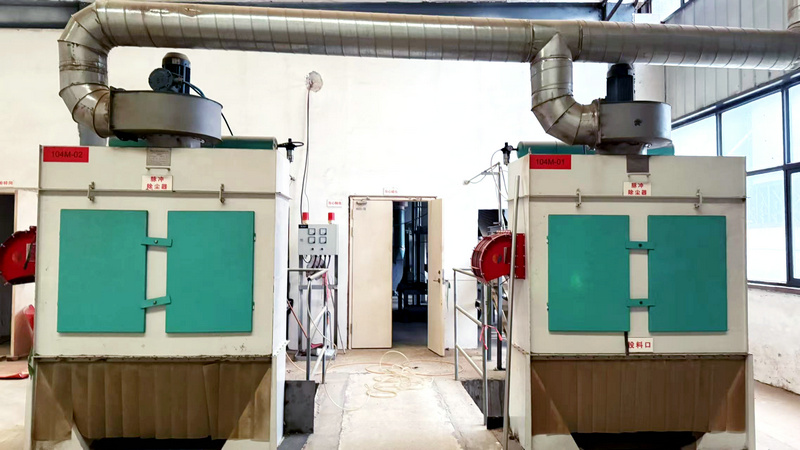
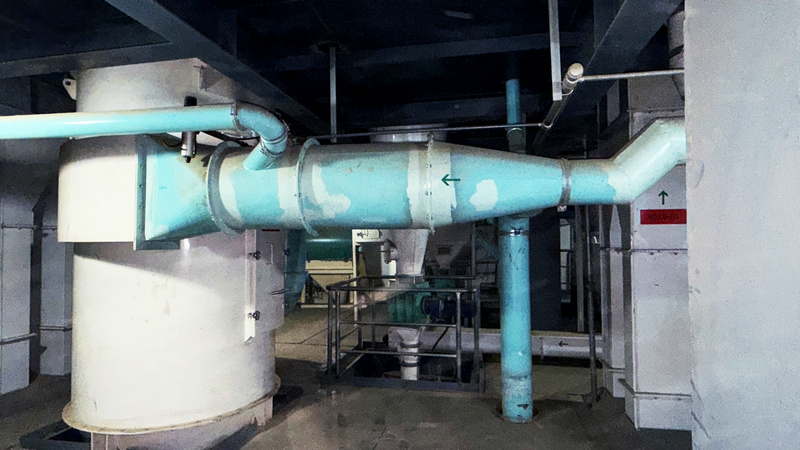
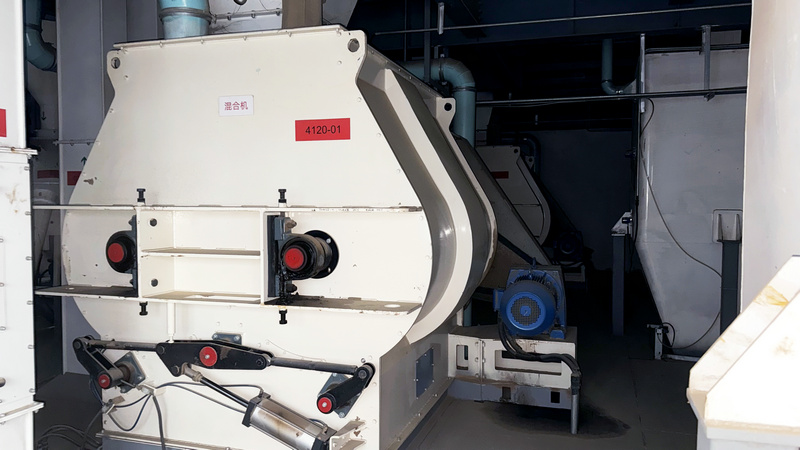
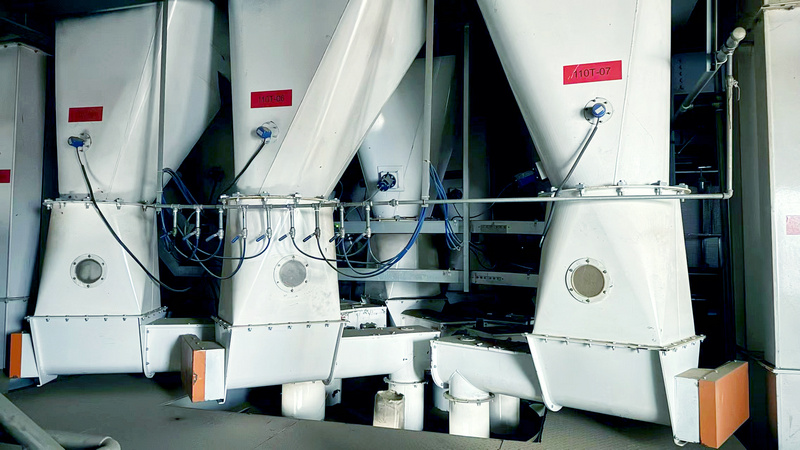
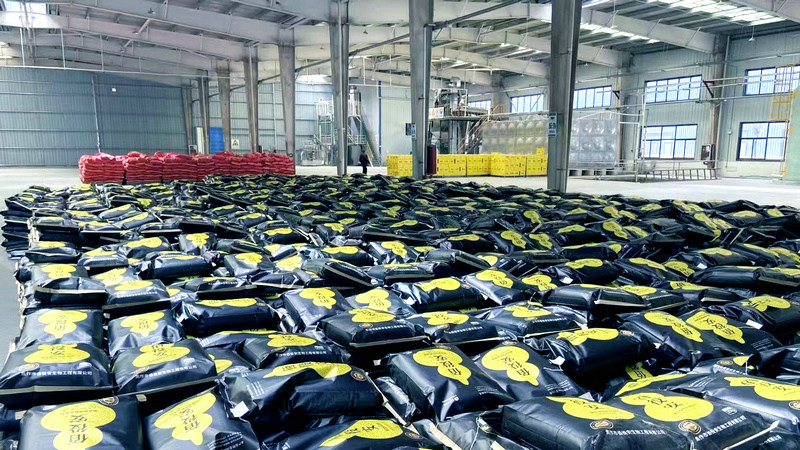
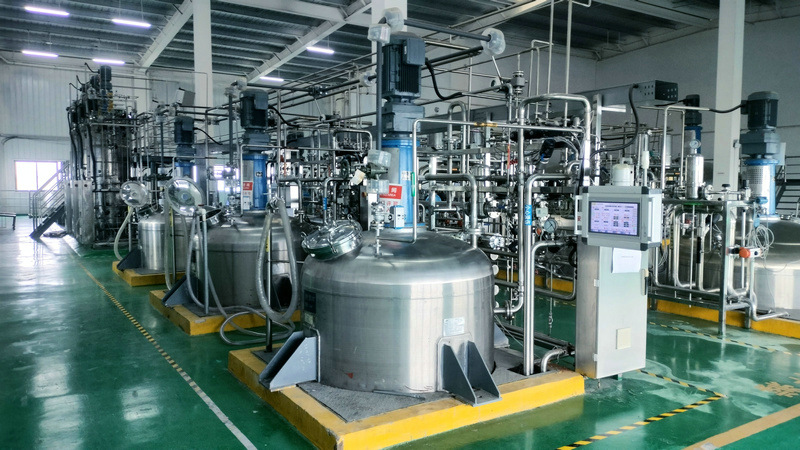
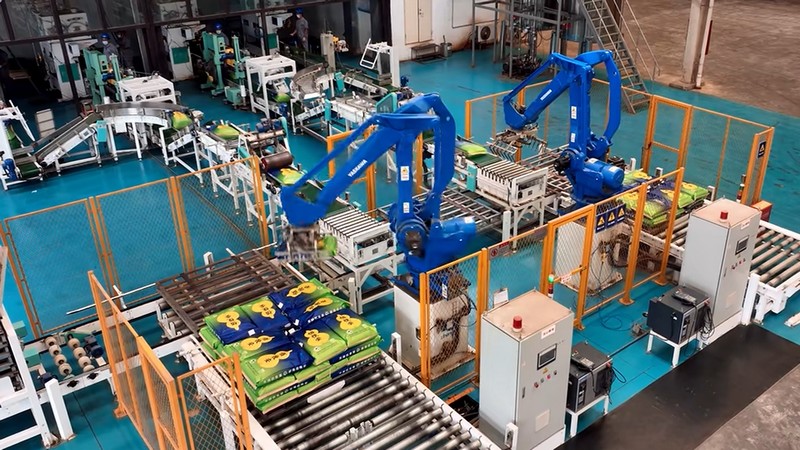
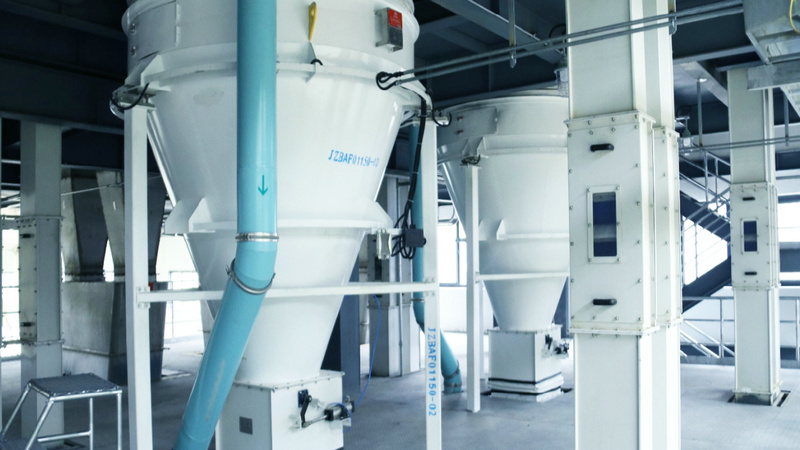
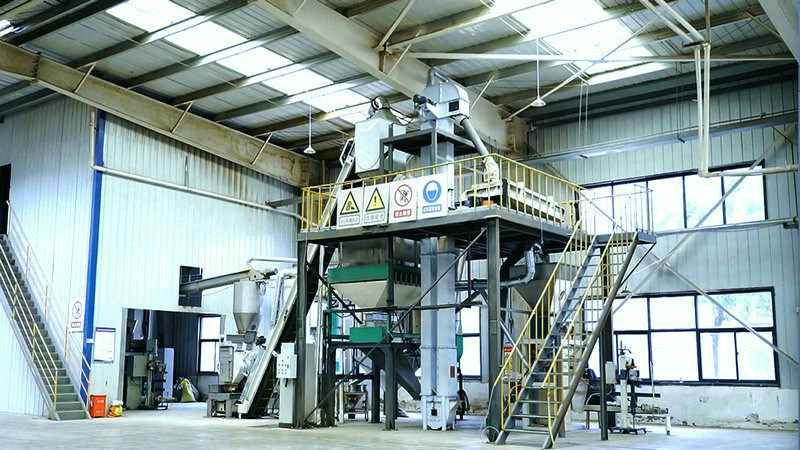
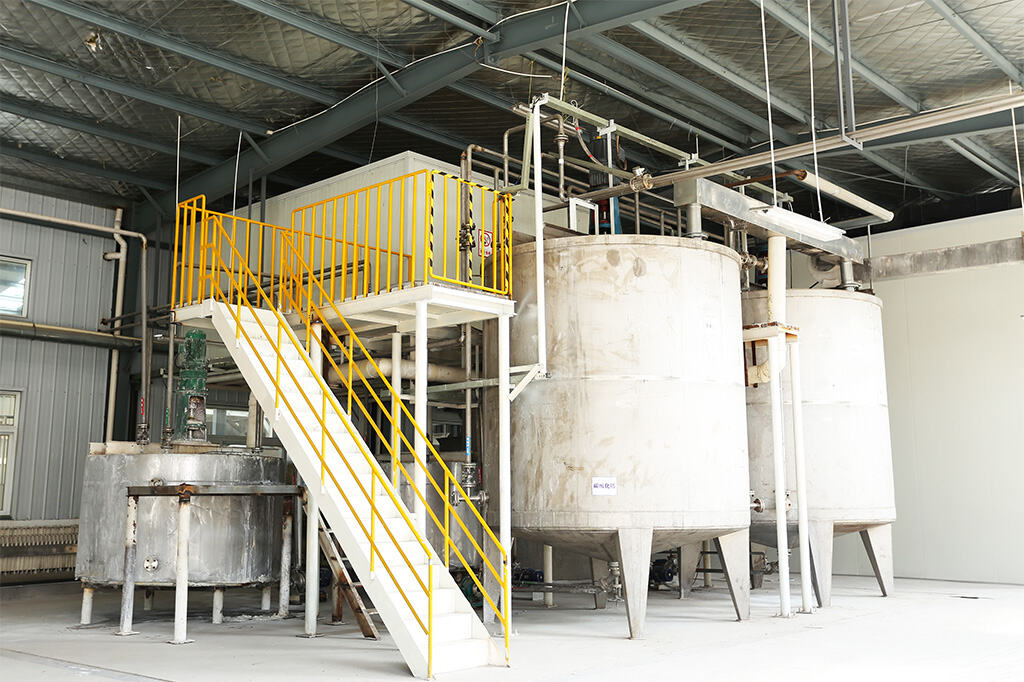
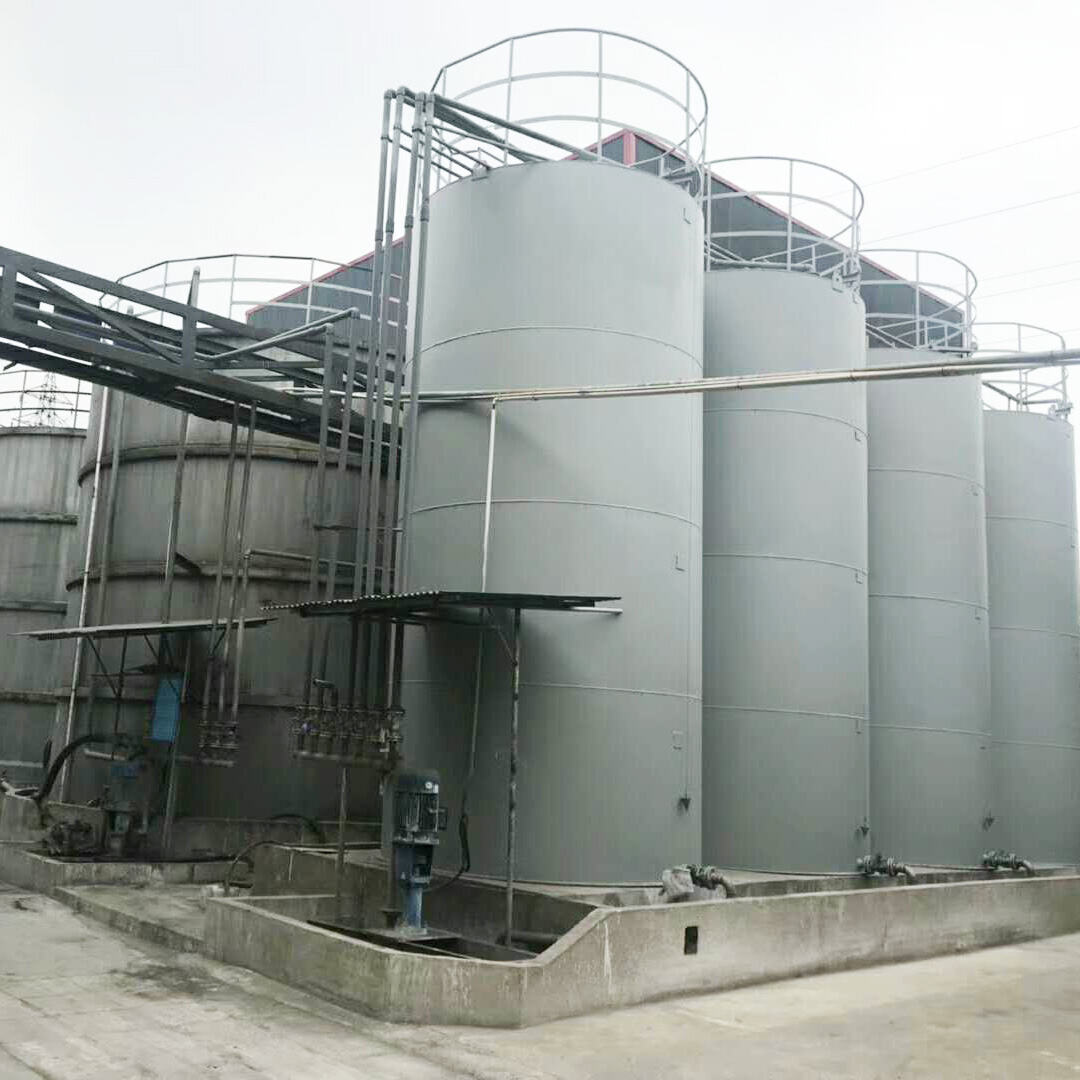
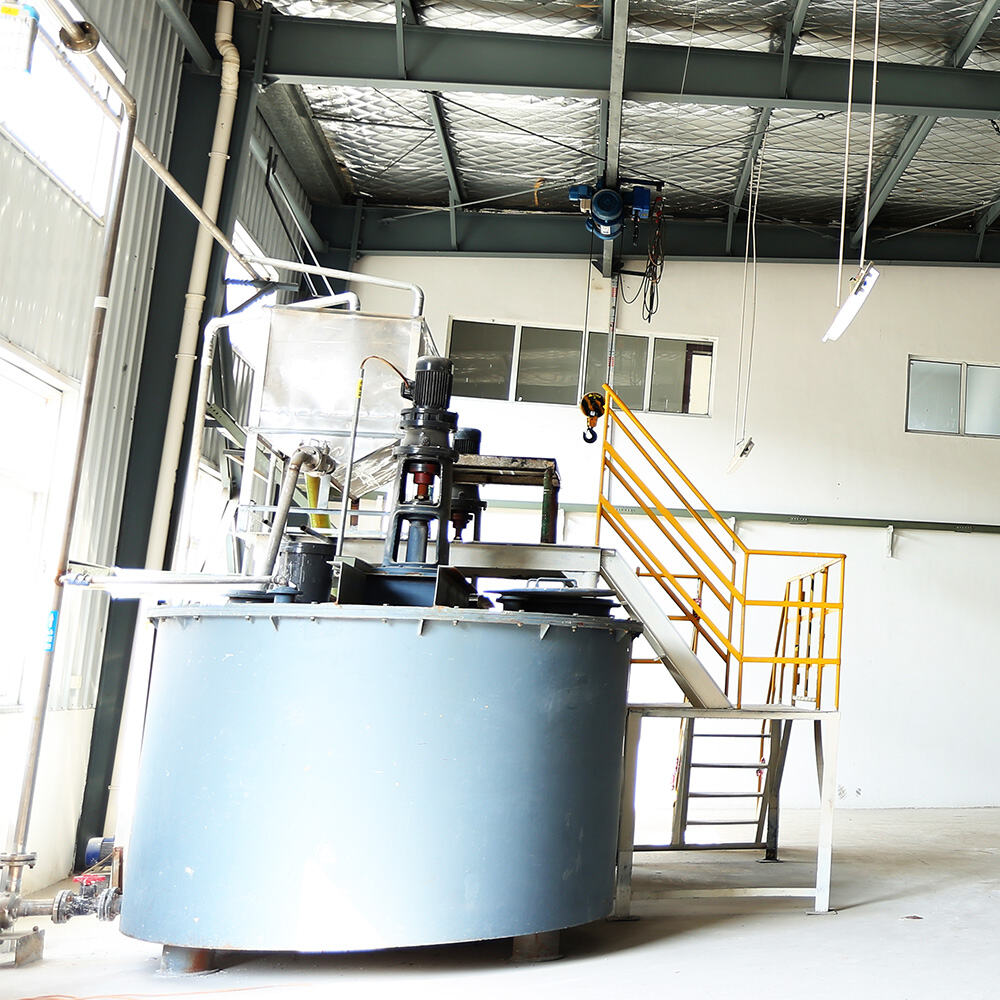
Advanced Production Infrastructure: Operating out of modern production facilities in Shandong, Hebei, and Jiangsu, Treo Nutrition implements automated fermentation, micro-encapsulation, and crystallization processes. This guarantees batch-to-batch consistency, which is vital for feed millers requiring precise mixing rates of micro-ingredients like Chromium Propionate and Vitamin E Acetate.
Rigorous Quality Control & Compliance: Our facilities conform to international quality matrices, including ISO 9001 and FAMI-QS standards. This ensures that every shipment entering the ports of Suva or Lautoka is free from heavy metal contamination, pathogen loads, or physical degradation, guaranteeing compliance with Fiji's strict Biosecurity Authority (BAF) regulations.
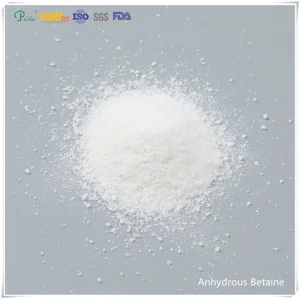
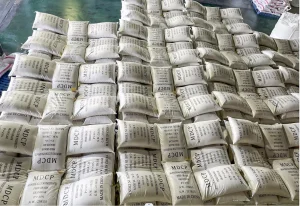
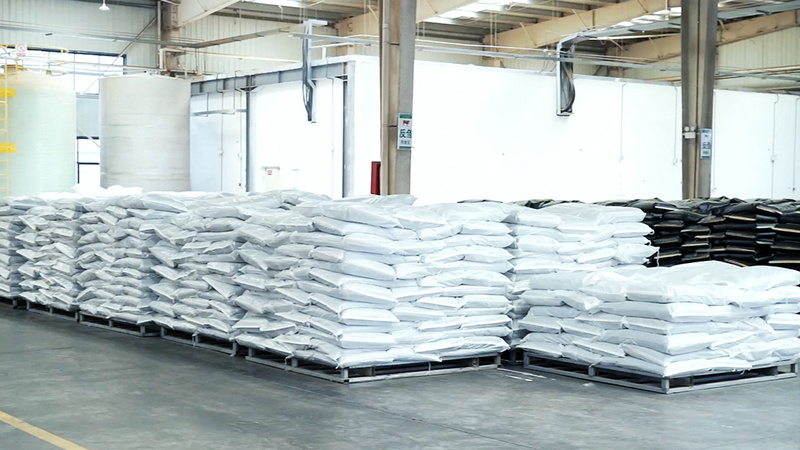
Logistical Proximity & Sea Freight Efficiencies: Direct shipping routes from major Chinese ports (Qingdao, Shanghai) to the Pacific Islands ensure competitive transit times and lowered freight costs. Our specialized packaging (25kg bags with moisture-proof linings and heat-sealed bulk containers) protects the integrity of hygroscopic additives like Betaine Anhydrous and Choline Chloride against high tropical humidity during transit.
Get Current Price Quote & Shipping Rates to FijiFrom raw material incoming quality control (IQC) to automated packaging, our processes are transparent and scientifically validated.




To successfully integrate premium feed ingredients into daily operations, we recommend three strategic feed application protocols tailored for the Fijian micro-climate and agrarian profile:
During the humid wet season, cows exhibit lowered dry matter intake and metabolic imbalances. By incorporating Betaine Anhydrous (96%) and Chromium Propionate into the dairy ration (TMR or supplementary concentrates), farmers can maintain cellular hydration, support liver health, and reduce somatic cell counts. This directly improves the quality of raw milk delivered to local processing plants in Rewa.
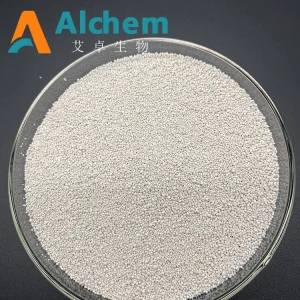
Forage-based beef systems in drier zones like Ra Province often suffer from mineral deficiencies. Supplemental feeding of Monodicalcium Phosphate (21% Granular) and Monocalcium Phosphate (22% Granular) provides a highly bioavailable source of phosphorus and calcium. This supports skeletal framework development, increases daily weight gain (ADG), and shortens the timeframe to reach market slaughter weight.
Macro-Industry Solution Note: Mineral block manufacturing utilizing local Fiji molasses is an excellent vehicle for distributing these trace elements. Mixing Treo Nutrition's Monodicalcium Phosphate and Choline Chloride into molasses urea blocks (MUBs) creates a weather-resistant, self-limiting feed supplement that can be deployed across hilly, extensive grazing terrains where daily feeding is logistically unfeasible.
Expert answers addressing the practical, chemical, and logistical aspects of importing feed ingredients to Fiji.
Explore our complete range of high-efficiency feed ingredients, animal health supplements, and mineral formulations.
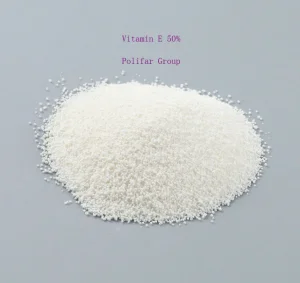
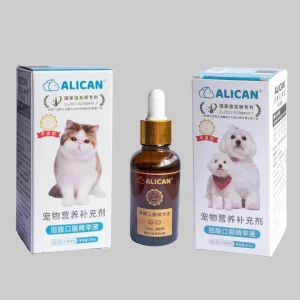
Premium formulated pet care and wellness products optimized for local veterinary distributors and pet supply outlets.
The Pacific Island countries, particularly Fiji, are increasingly vulnerable to the disruptions caused by climate change. Elevated thermal stress frequencies mean that traditional pasture systems must adapt by utilizing technology-driven feed strategies. Industry trends show a distinct shift toward three primary areas of development:
A. Precision Micro-Dosing: Moving away from generic bulk supplements toward highly concentrated, micro-dosed bioactive compounds. Adding parts-per-million concentrations of Chromium Propionate allows feed manufacturers to formulate high-nutrient-density feeds without significantly increasing raw material storage volume.
B. Enteric Methane Reduction: Ruminant animals are major sources of greenhouse gas emissions. Correct balancing of the dietary cation-anion difference (DCAD) and utilizing high-quality mineral phosphates helps improve overall feed efficiency, thereby lowering the carbon footprint per kilogram of milk or carcass weight produced.
C. Organic Mineral Sourcing: The transition from inorganic sulfates and oxides (which have poor bioavailability and can bind other essential nutrients in the gut) toward organic complexes like Chromium Propionate and amino-acid bound trace elements. This ensures maximum systemic absorption and minimal excretion of heavy metals into the local agricultural soils.
Leverage our 20+ years of manufacturing experience, advanced QC processes, and optimized global logistics to secure premium ruminant nutrition ingredients.
Send Inquiry Now Treo Nutrition