Treo Nutrition
1 / 5
| Model NO. | AATH |
|---|---|
| Shape | Powder |
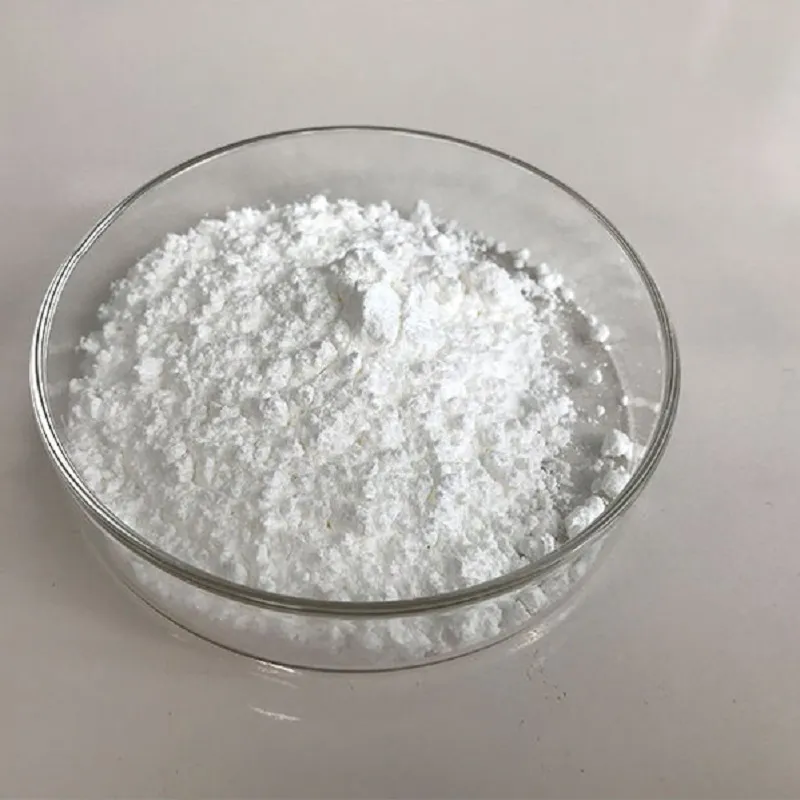
| Type | Threonine |
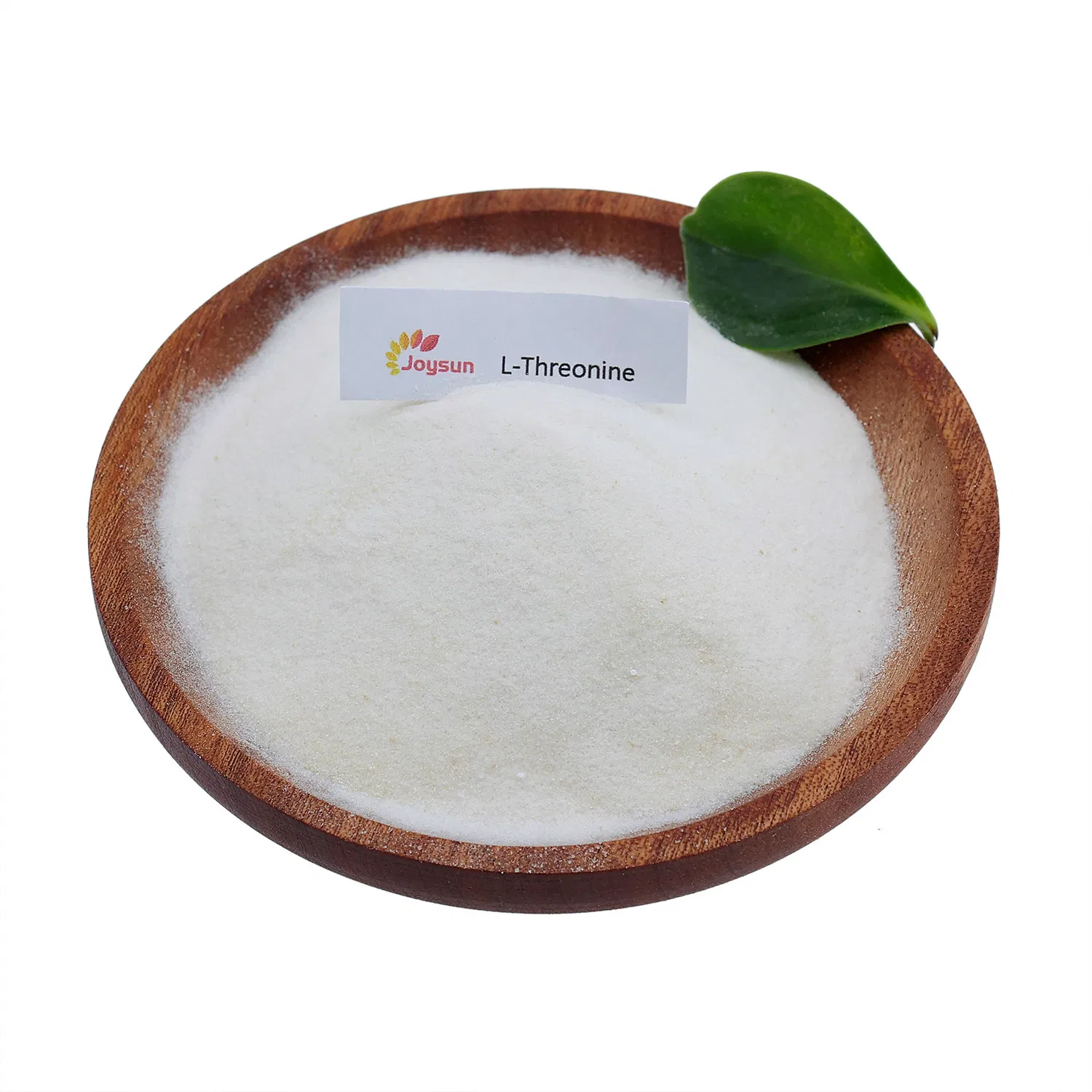
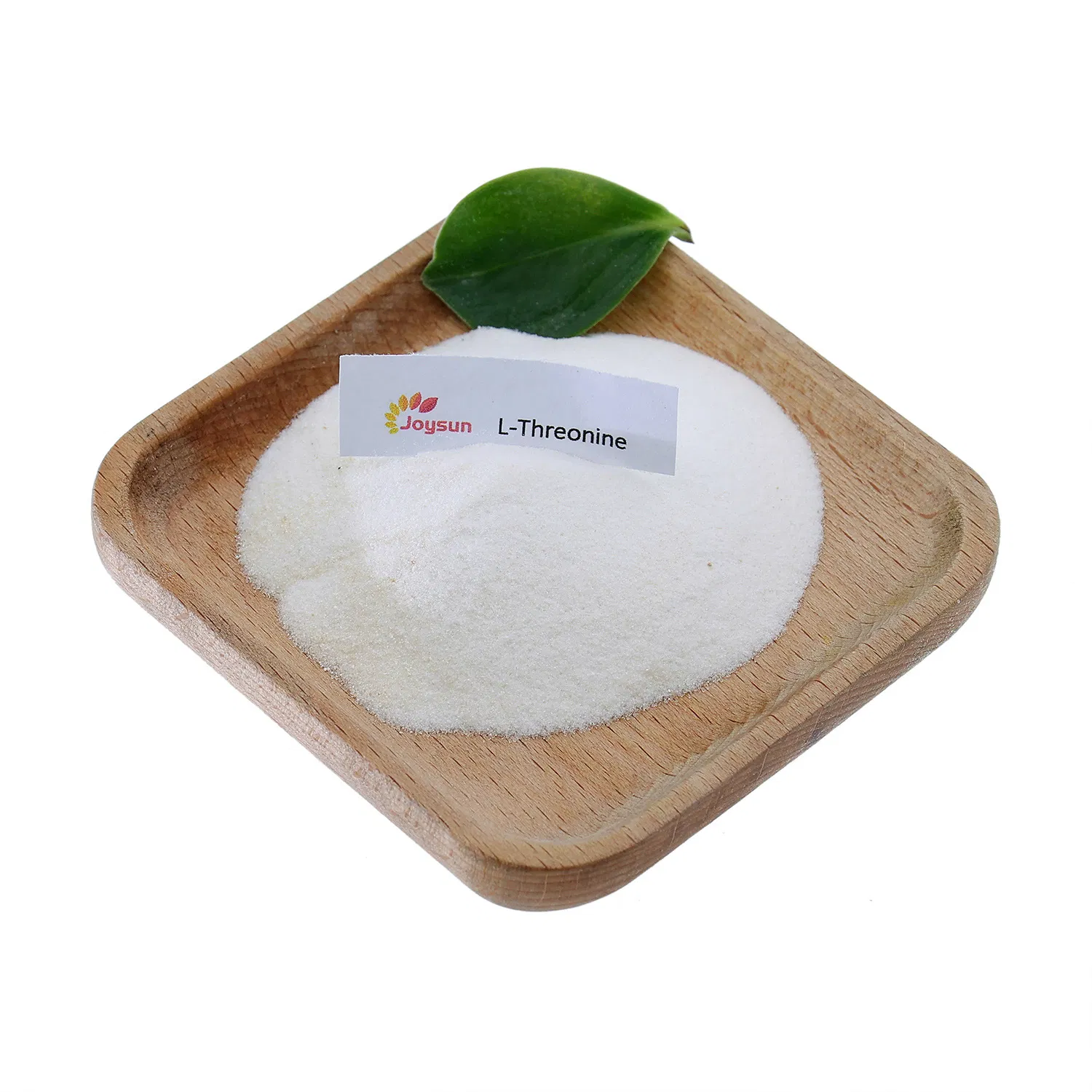
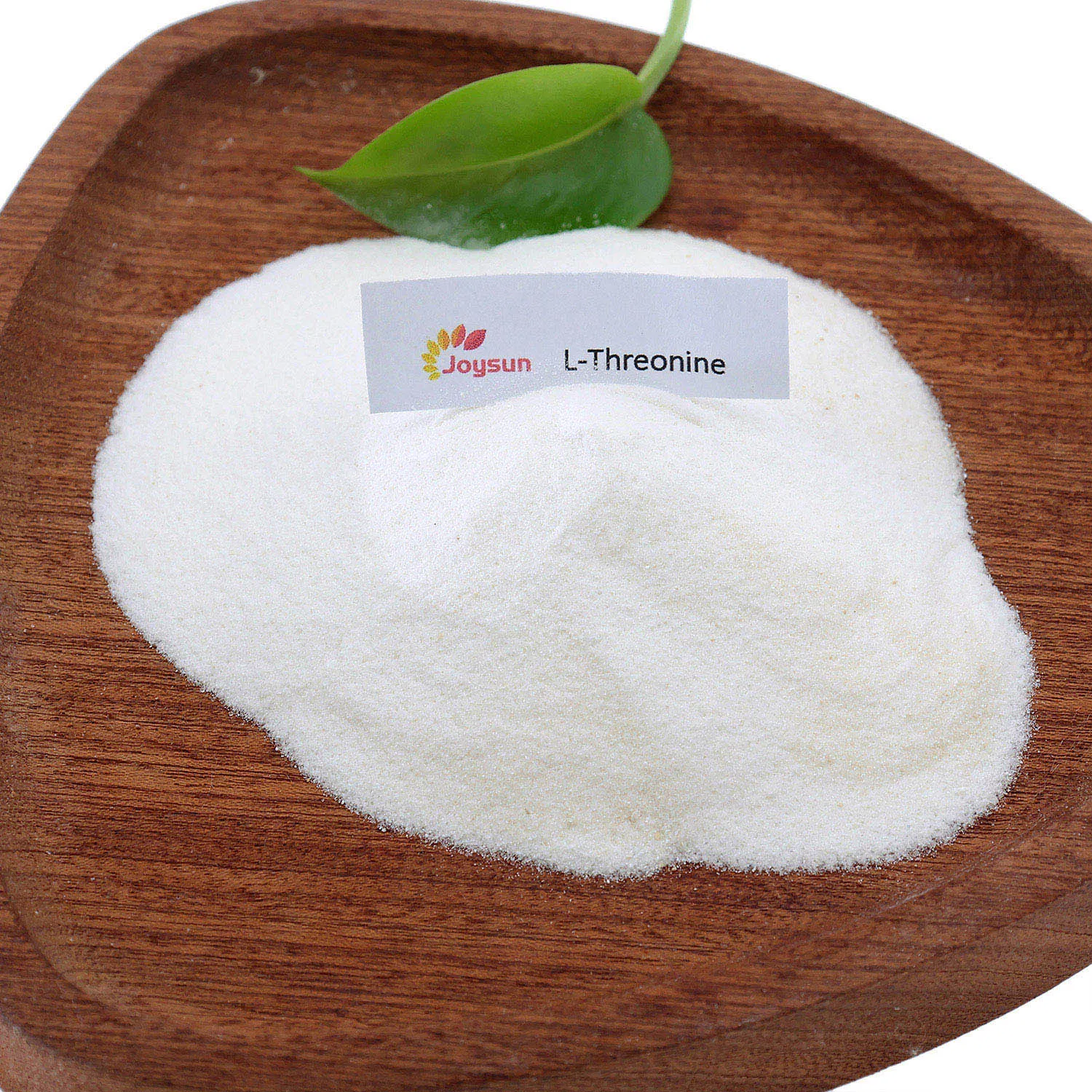
| Product Name | L-Threonine |
| Keywords | Amino Acid Additives |
| Specific Rotation [α] D20 | -26.0°--29.0° |
| Loss on Drying | ≤1.0% |
| Residue on Ignition | ≤0.5% |
| Heavy Metal (as Pb) | ≤0.002% |
| Arsenic | ≤0.0002% |
| HS Code | 292250 |
| Production Capacity | 50000ton/Year |

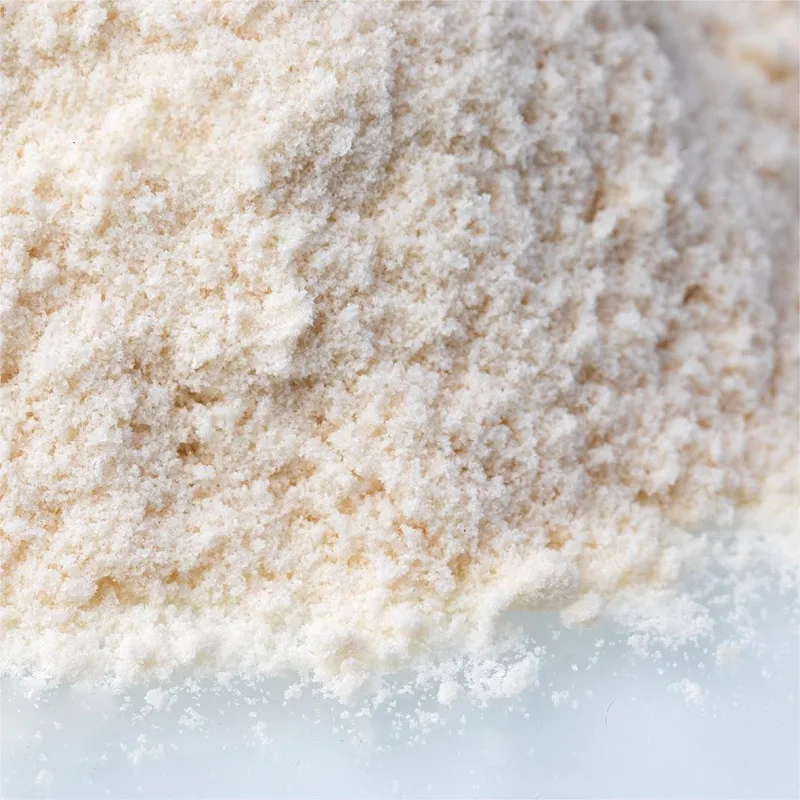
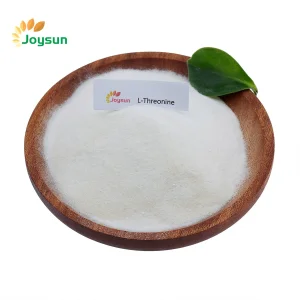
Threonine is an important kind of anabolic that fortifies cereal, pastry, and dairy products. Like tryptophan, it rejuvenates human bodies and promotes the growth of infants. When applied in the pharmaceutical field, threonine can moisturize human skin due to the hydroxy group in its structure.
Combined with oligose, it protects human cell membranes and accelerates the synthesis of phosphatide and the oxidation of fatty acids. With a medicinal effect of preventing fatty liver, threonine preparation works as a component of compound amino acid injection.
Meanwhile, threonine can be used for the production of monobactams, one of the highly effective and low-allergy antibiotics.
High-purity L-Threonine ensures predictable bioavailability and consistent dosing in feed formulations. Lower impurities reduce risk and improve stability.
Highly bioavailable to poultry and swine, supporting rapid absorption in the small intestine for better growth performance.
Critical for balancing limiting amino acids (lysine, methionine). Optimizes ratios to reduce nitrogen excretion and support lean tissue.
| SPECIFICATION SHEET | |
|---|---|
| Product Name | L-Threonine |
| Keywords | Amino Acid Additives |
| Content (On Dry Basis) | ≥98.5% |
| Specific Rotation [α] D20 | -26.0°--29.0° |
| Loss On Drying | ≤1.0% |
| Residue On Ignition | ≤0.5% |
| Heavy Metal (As Pb) | ≤0.002% |
| Arsenic | ≤0.0002% |
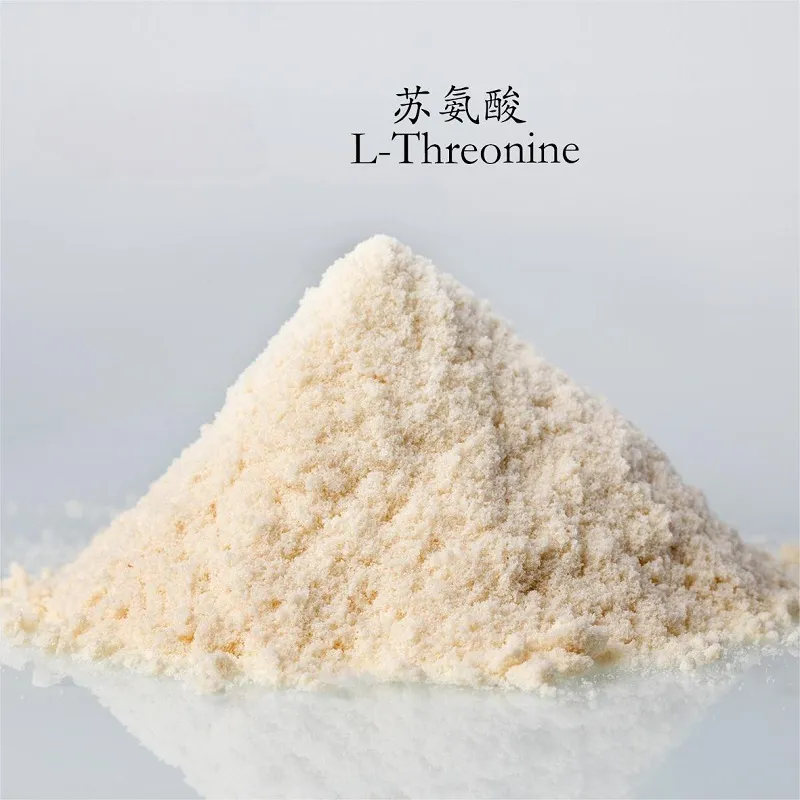
Major component of mucin, contributing directly to intestinal barrier function. Enhances gut integrity and reduces pathogen translocation.
Involved in synthesizing immunoglobulins and acute-phase proteins, supporting immune response under stress or disease challenges.
Improves Average Daily Gain (ADG) and Feed Conversion Ratio (FCR) in pigs and broilers by optimizing AA balance.
Stable through mixing, pelleting, and extrusion. Resistance to heat and shear minimizes degradation during processing.