Treo Nutrition
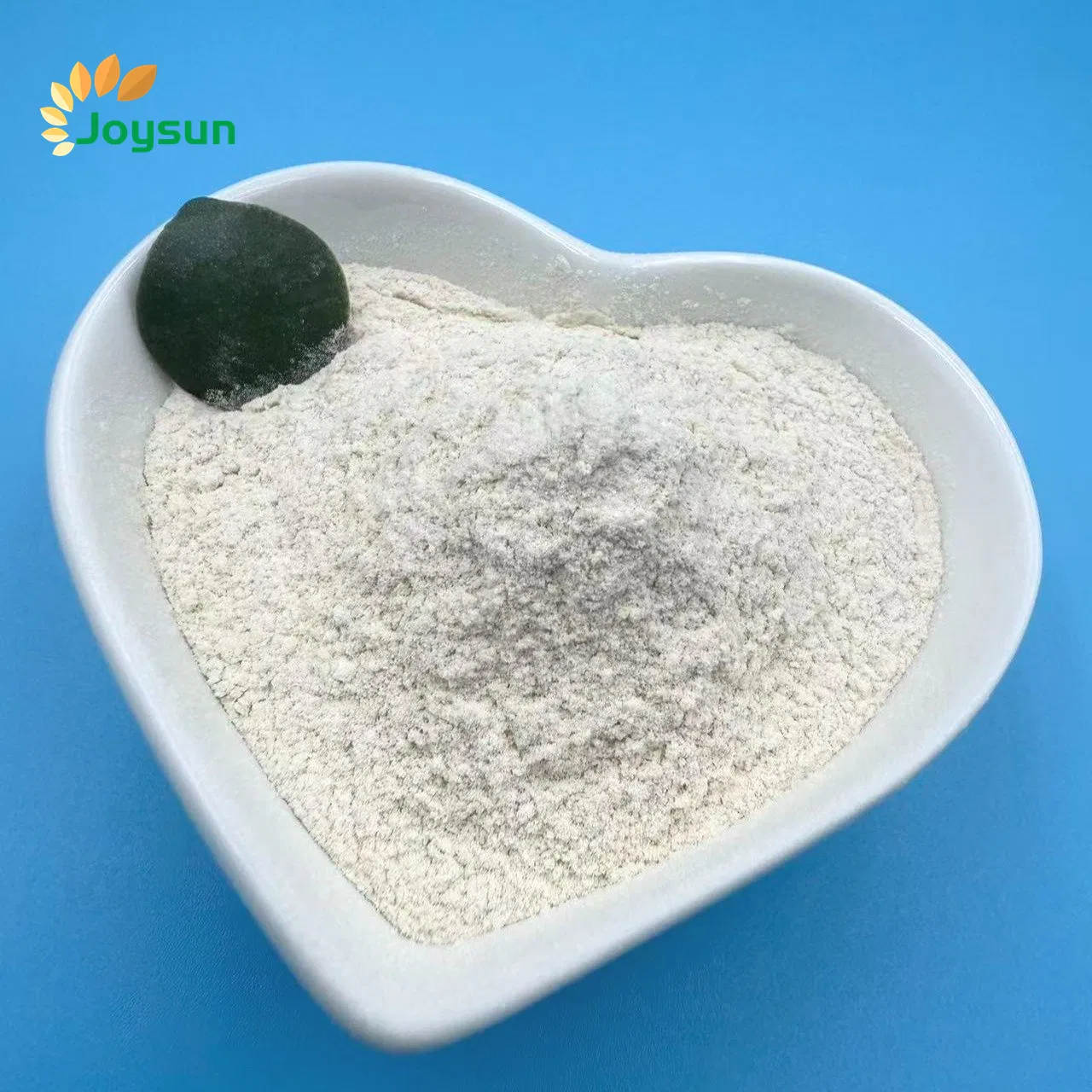
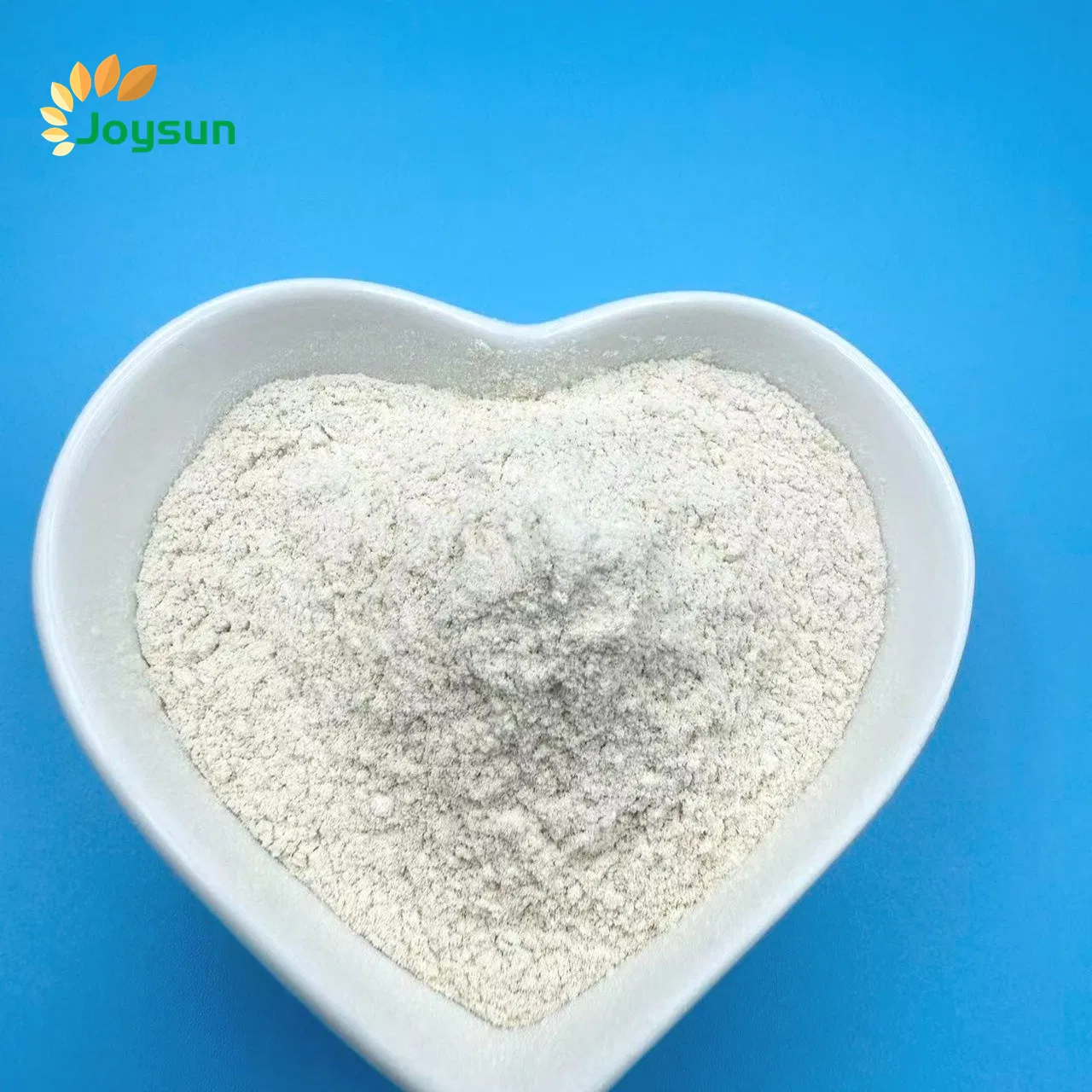
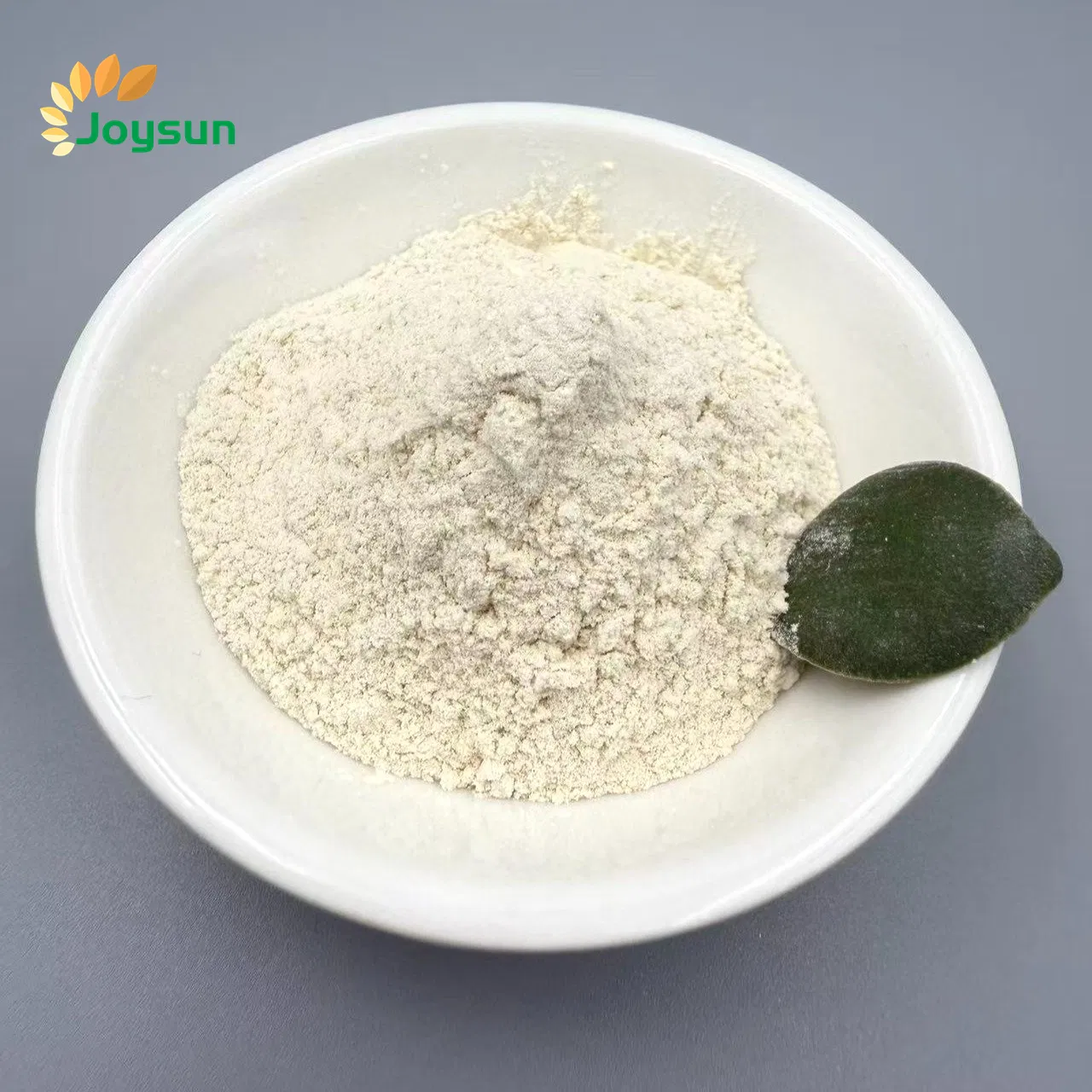
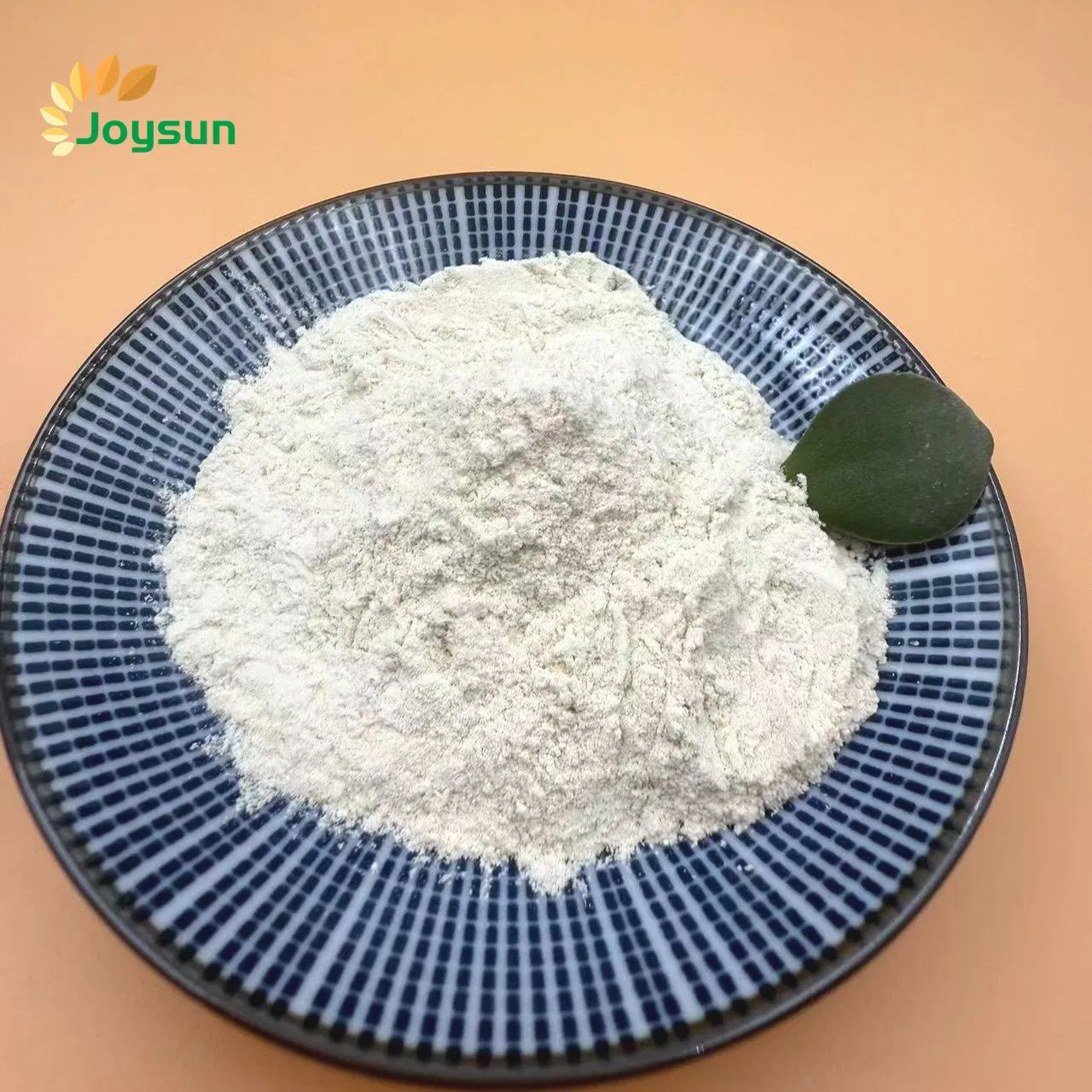
1 / 5
| Model NO. | AATR | Shape | Powder |
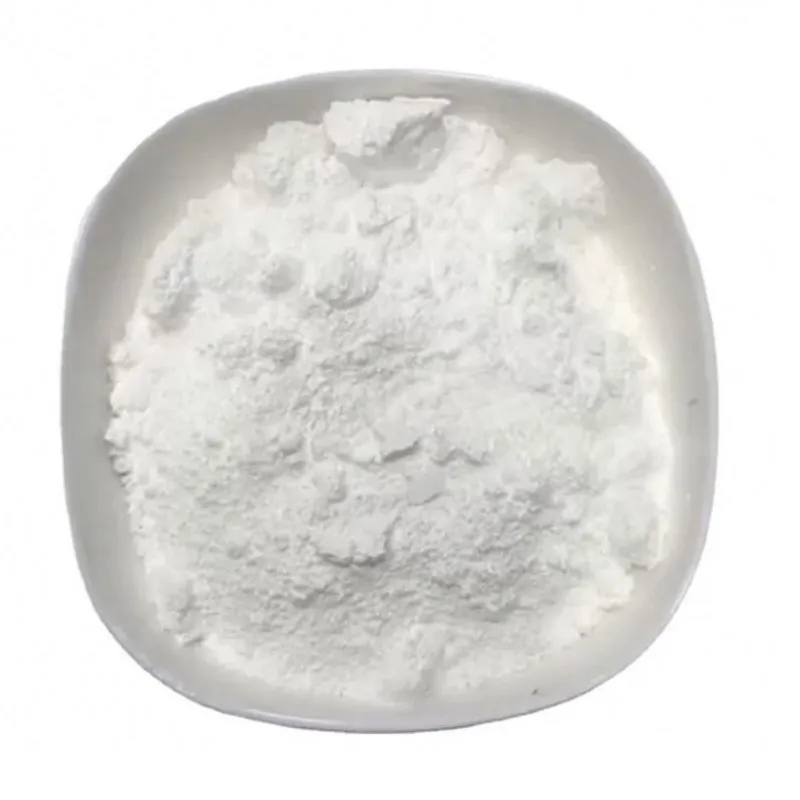
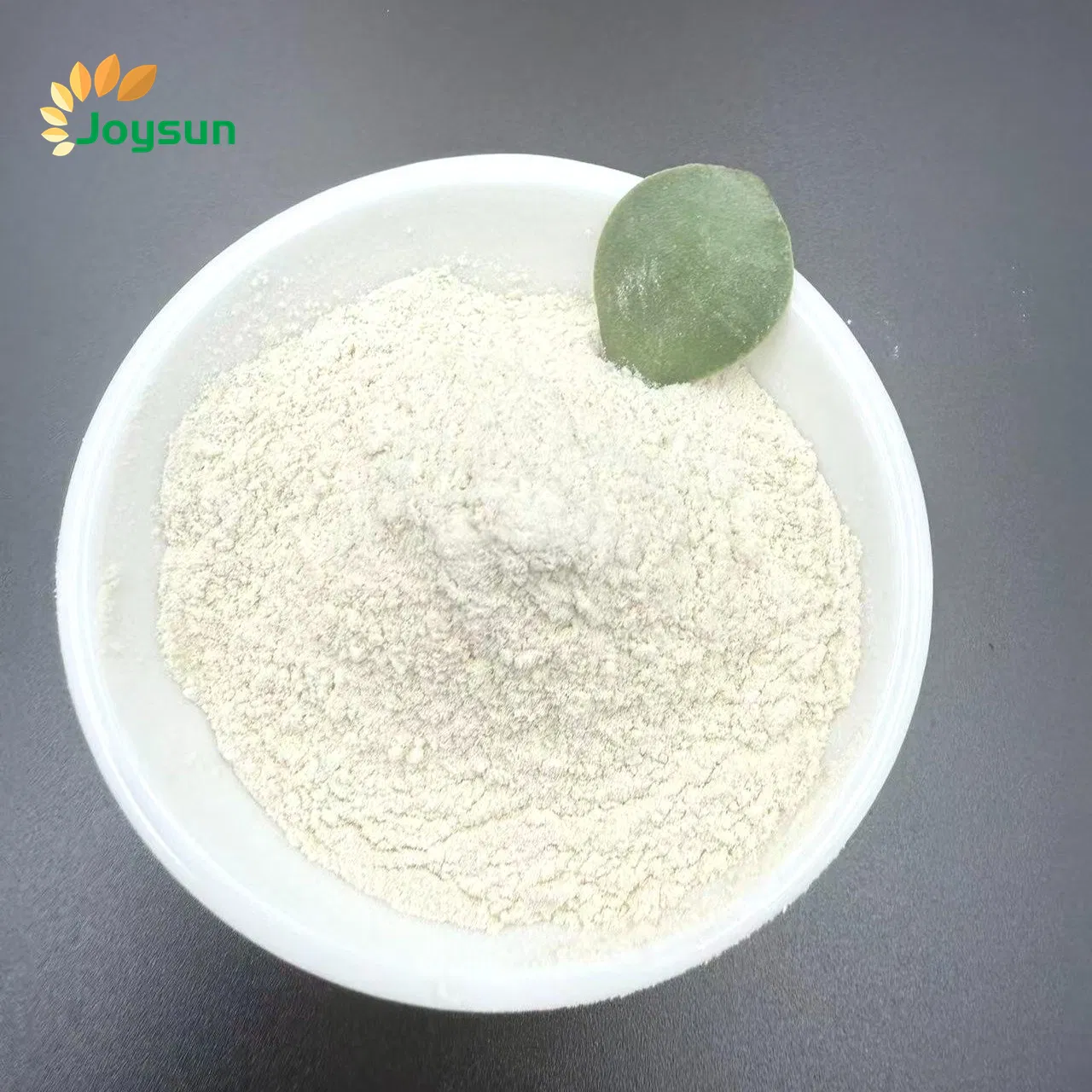
| Type | Tryptophan Additive | Product Name | L-Tryptophan |
| Molecular Weight | 204.23 G/Mol | Purity (Min.) | 98.0% (Dry Basis) |
| Moisture (Max.) | 0.50% | Ash (Max.) | 0.10% |
| Arsenic (as) (Max.) | 2 Ppm (0.0002%) | HS Code | 293399 |
| Standard Reference | GB/T 25735-2010 | Production Capacity | 50000ton/Year |
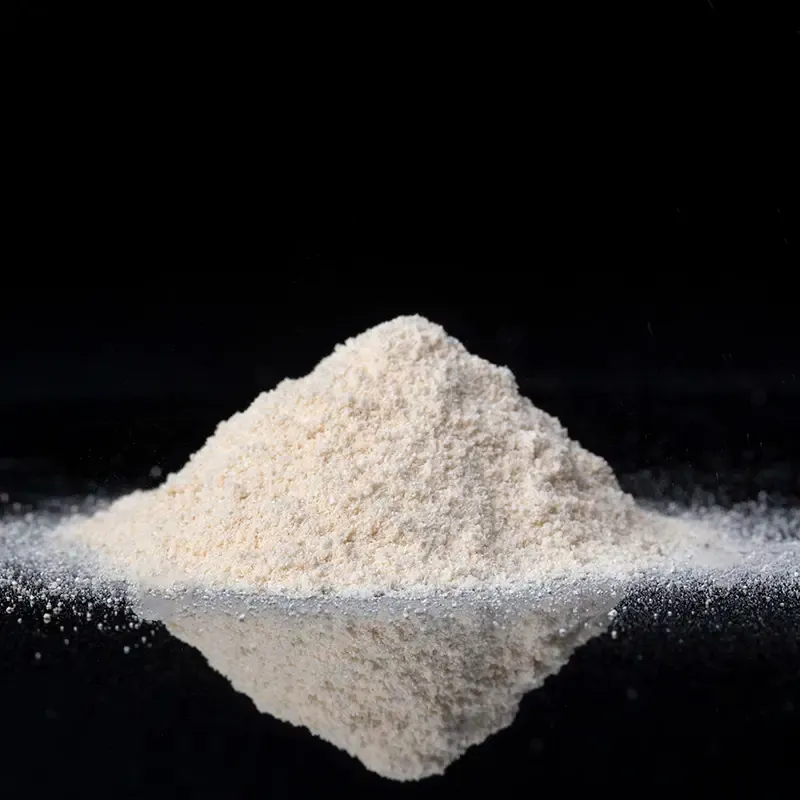
L-TRYPTOPHAN is the fourth restricted amino acid in the diets of animals after lysine, threonine, and methionine. This high-quality feed-grade amino acid plays a crucial role in animal growth, behavior management, and overall well-being across all species.
Support optimal animal nutrition by promoting natural serotonin production, which directly impacts mood regulation, stress reduction, and feeding behavior. Whether you're managing livestock stress, improving feed conversion efficiency, or supporting animal welfare, our tryptophan supplement delivers consistent, reliable results.
L-Tryptophan naturally calms animals during high-stress situations like transportation and weaning. By promoting serotonin production, it reduces cortisol levels, leading to better welfare and reduced mortality rates.
Proper supplementation optimizes amino acid balance, allowing animals to convert feed into body weight more efficiently. This results in faster growth rates and reduced feed costs.
Significantly reduces tail-biting in pigs and feather-pecking in poultry. This leads to improved animal welfare, reduced injuries, and lower veterinary costs in intensive farming.
| Parameter Item | Specification Value |
|---|---|
| Product Name | L-Tryptophan |
| Keywords | Amino Acid Additives |
| Molecular Weight | 204.23 G/Mol |
| Purity (Min.) | 98.0% (Dry Basis) |
| Moisture (Max.) | 0.50% |
| Ash (Max.) | 0.10% |
| Arsenic (As) (Max.) | 2 Ppm (0.0002%) |
| Standard Reference | GB/T 25735-2010 |
Adequate levels support hormone production and reproductive health. It improves conception rates, litter sizes in sows, and milk production in dairy cows.
L-Tryptophan plays a crucial role in immune protein synthesis and antibody production, helping animals resist diseases and reducing antibiotic needs.