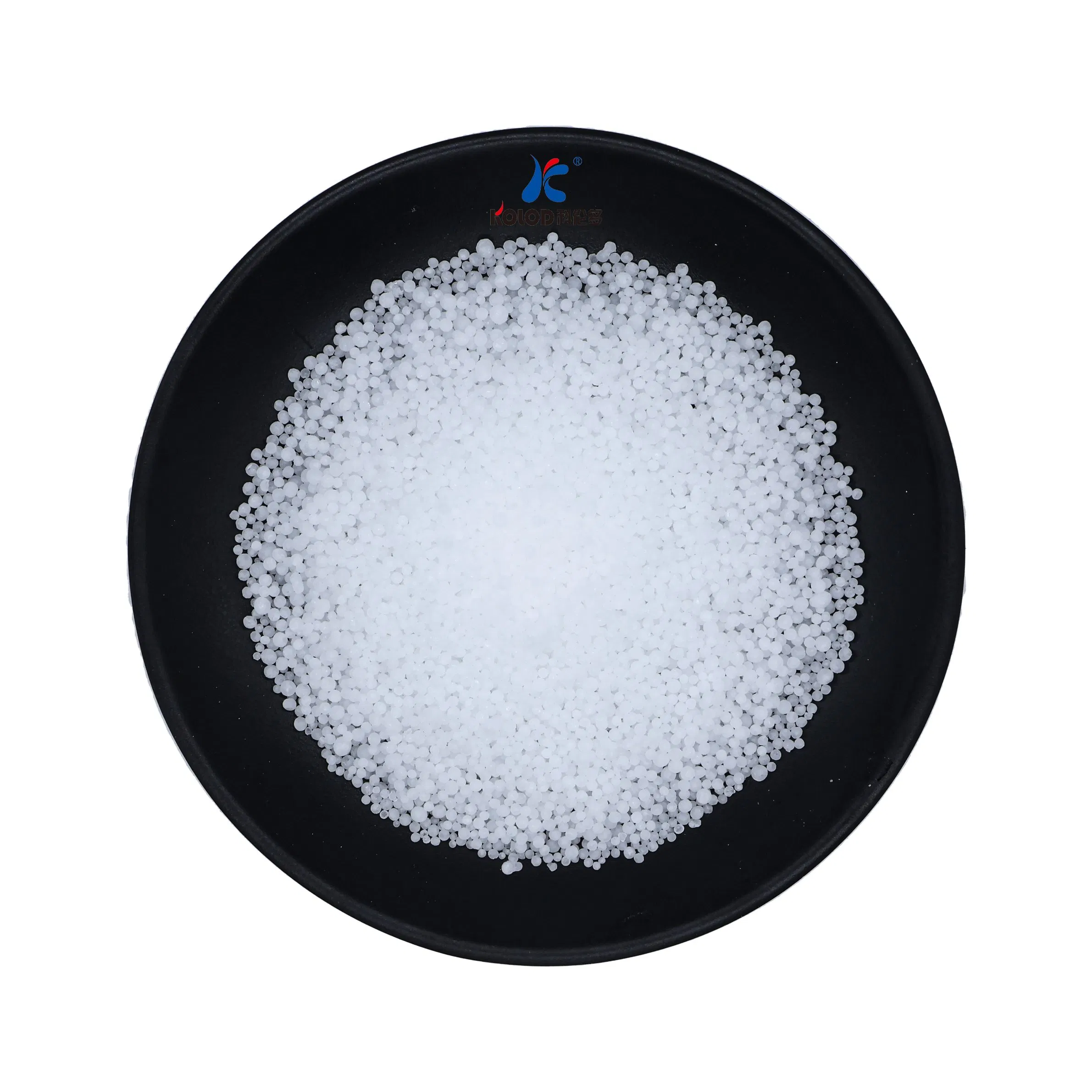
China Manufacturer Feed Grade Urea

Still deciding? Get samples of $ !
Request Sample

Product Description

Basic Information

Model NO.:feed additive
EINECS:200-315-5
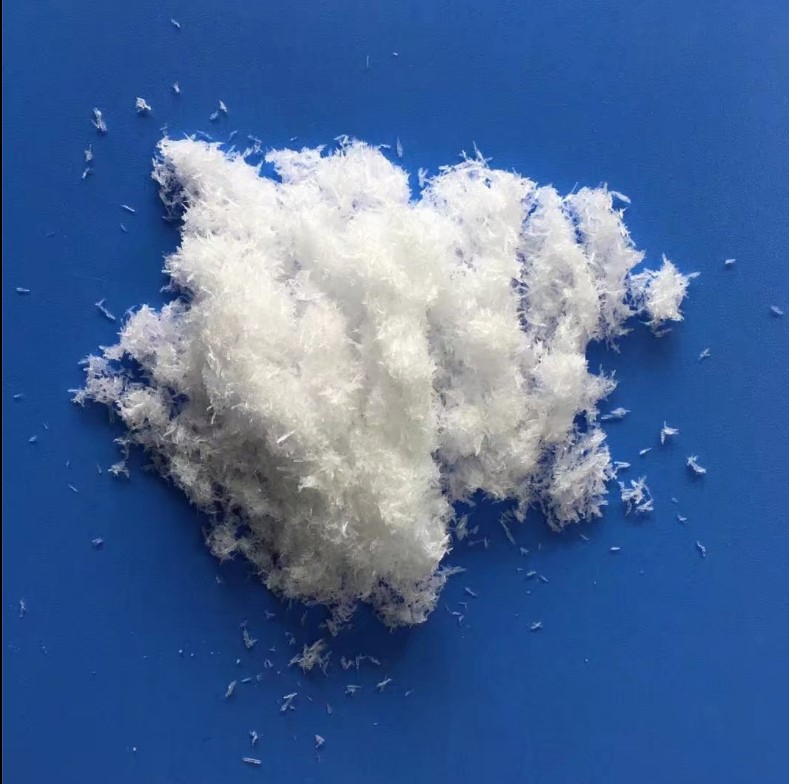
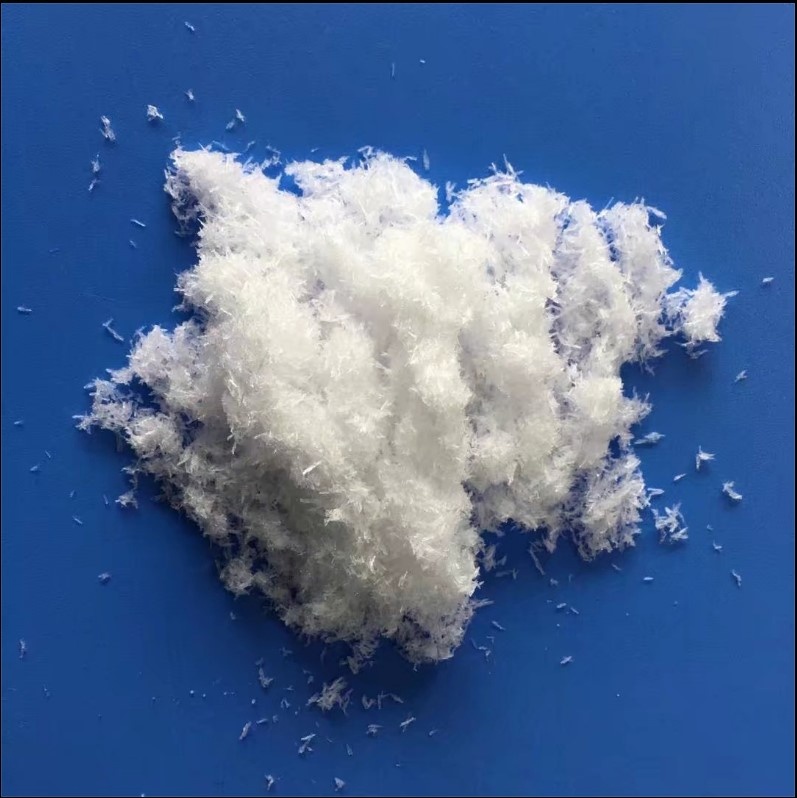
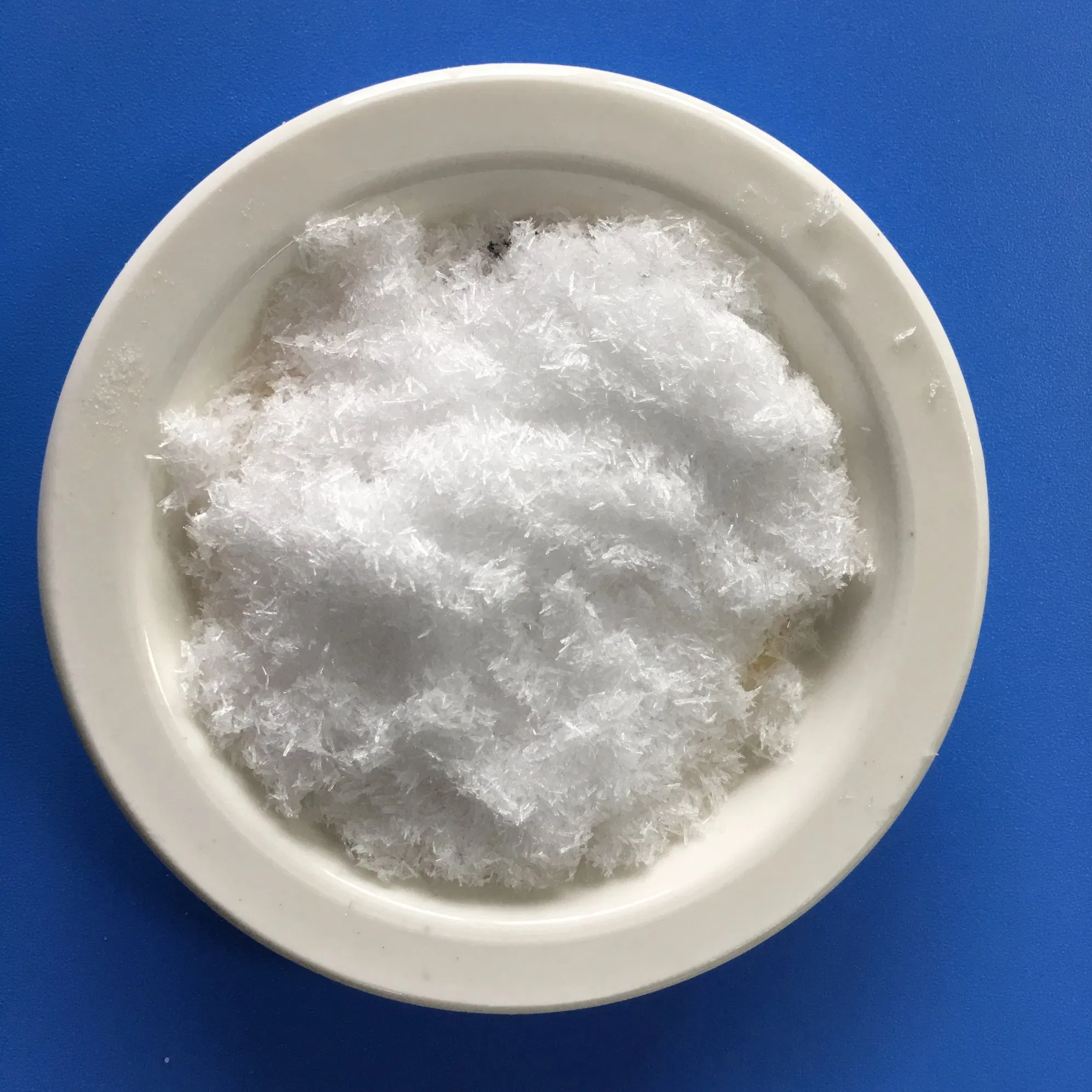
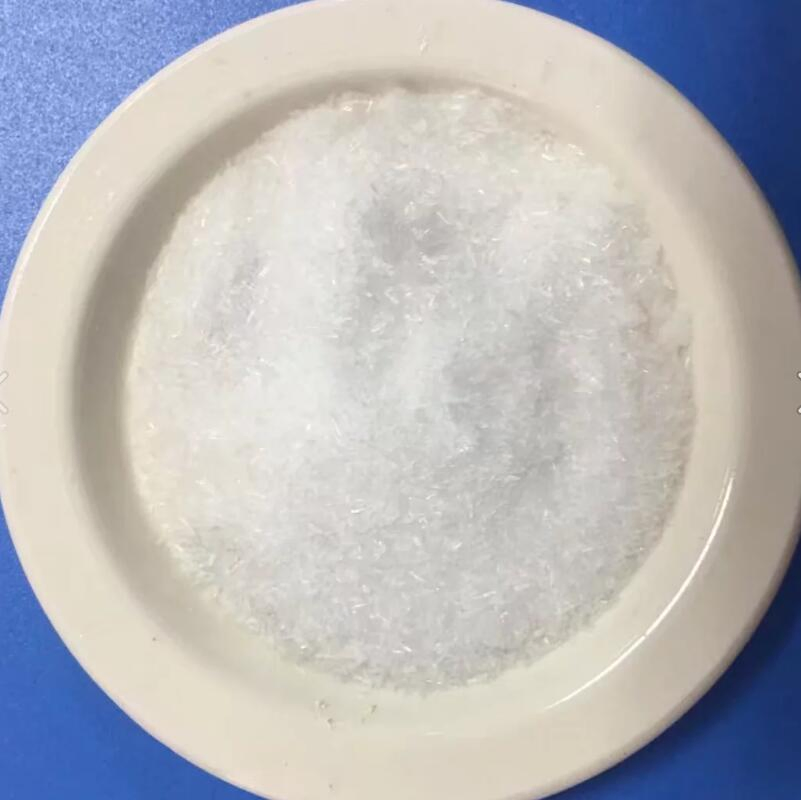
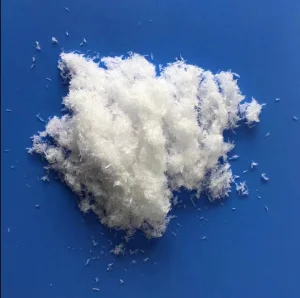
Color:White
Appearance:Granule
HS Code:2804300000
Loading Quantity:20mts / 20'fcl (Without Pallet)
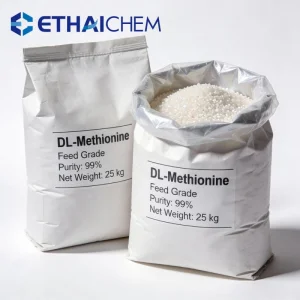
Package:25kgs Kraft Paper Bag
Specification:99% foodgrade
Capacity:10000mts

Product Overview

Urea (Molecular formula: CH4N2O, Molecular weight: 60.06, CAS NO.: 57-13-6) is a colorless or white odorless crystalline powder or little flakes. It features hygroscopicity with a relative density of 1.335 and a melting point of 132.7ºC. It is highly soluble in water, ethanol, and benzene.

⭐ Industrial & Food Applications

Used as yeast food and gum confection improver. It also plays a vital role in ethanol drinks, glutin products, wines, and yeast-fermented baking products.

⭐ Feed-Grade Urea Benefits

As an essential source of non-protein nitrogen (NPN), it is widely utilized for ruminants such as cattle and sheep:

Protein Supplementation: Contains approx 46% nitrogen (288% crude protein equivalent), aiding in high-quality microbial protein synthesis.
Cost Optimization: Reduces reliance on expensive traditional protein feeds like soybean meal.
Digestion Efficiency: Broken down into ammonia in the rumen to improve feed digestibility and nutrient absorption.
Production Performance: Increases milk yield in dairy cows and daily weight gain in beef cattle.
Microbial Growth: Promotes fiber-degrading bacteria, assisting in cellulose breakdown and resource conservation.

Technical Specifications

Parameter Standard (FCC, 1996)
Content (Dry Basis) %99.0 - 100.5
Loss On Drying ≤%1.0
Sulfate Ash ≤%0.1
Insoluble In Ethanol ≤%0.04
As ≤%0.0003
Heavy Metals ≤%0.001
Chlorides ≤%0.007
Pb ≤%0.0005
Sulfates ≤%0.01

Storage & Safety Precautions

Storage: Store in a dry, ventilative warehouse. Keep away from moisture during transport and handle with care to avoid bag damage.

Precautions: Usage must be strictly controlled. Proportion in dry matter should not exceed 1%. Daily intake per 100kg body weight should not exceed 30 grams. Combine with energy sources like grains or molasses for maximum efficiency.
Frequently Asked Questions

1. What is the primary role of feed-grade urea for ruminants?
It serves as a non-protein nitrogen (NPN) source that helps ruminants synthesize high-quality microbial protein, replacing more expensive protein sources like soybean meal.
2. How much protein does urea provide?
Feed-grade urea contains approximately 46% nitrogen, which is equivalent to about 288% crude protein when processed by rumen microorganisms.
3. What are the food-grade applications of Urea?
It is used as a yeast nutrient and gum confection improver, as well as in fermented baking products and certain alcoholic beverages.
4. Are there any risks of toxicity with Urea in feed?
Yes, dosage must be strictly monitored. It is generally recommended not to exceed 1% of the dry matter of the total feed to prevent ammonia poisoning.
5. What is the recommended storage environment?
Urea should be stored in a dry, well-ventilated warehouse, kept strictly away from water and moisture to maintain its granular integrity.
6. Can urea be added to silage?
Yes, it is often added to silage at a rate of roughly 0.5% of the wet weight to increase the overall protein content of the roughage.

Related Products