Explore our top-tier catalog of biological formulations, trace mineral chelates, slow-release urea, and disinfection generators designed for modern farm biosecurity and maximum metabolic yield.
How precision ruminal metabolism, environmental regulatory frameworks, and advanced biotechnology are redefining dairy farm performance indexes globally.
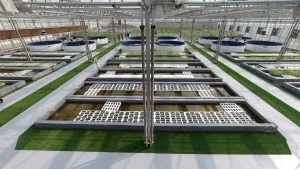
In the modern agricultural landscapes, the definition of dairy performance enhancers has shifted from simple calorie-boosting feeds to complex, metabolically-targeted bioactive compounds. Today, high-producing dairy cows require customized nutrition that does not merely fill the rumen, but optimizes the symbiotic relationship between ruminal microbes, digestive enzymes, and systemic absorption pathways. The rapid integration of multi-span greenhouse systems and hydroponics has also created clean, structured environments where dairy feed additives play an instrumental role in ensuring herd health and peak performance under intensive farming models.
Three primary development vectors drive the dairy performance enhancement sector today:
Maximizing Fat and Protein Corrected Milk (FPCM) relies on targeted microbial nutrition and rumen-bypass amino acid formulations.
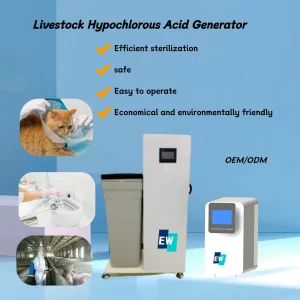
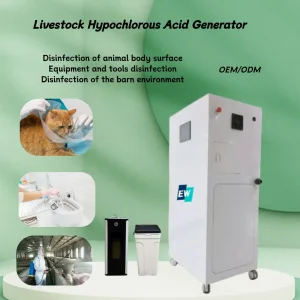
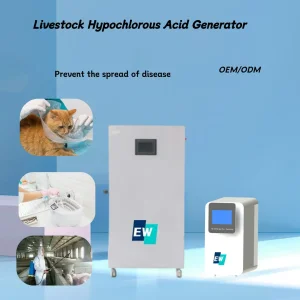
Leveraging high-efficiency hypochlorous acid (HOCl) generators to secure veterinary sanitization and mitigate bovine somatic cell counts.
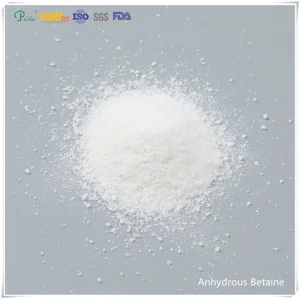
Utilizing high-purity betaine and amino acid chelates to protect metabolic function, enhance liver performance, and lower feed-conversion ratios.
An analytical breakdown of compliance, logistical frameworks, and product parameters expected by multinational animal feed producers and commercial dairy operations.
Purchasing directors and nutritional formulators at major feed manufacturers look beyond unit costs when sourcing performance enhancers. In the highly regulated dairy sector, a global supplier must satisfy stringent technical parameters, environmental metrics, and regulatory standards. For instance, exporting feed grade urea or microencapsulated amino acids into jurisdictions like the European Union or North America demands absolute conformity to FAMI-QS, GMP+, or FDA food safety guidelines.
Key areas of focus during global vendor evaluations include:
Years Industry Experience
Betaine Purity Standard
Advanced Production Bases
FAMI-QS & GMP+ Aligned
Integrating biological feed optimization, water hygiene systems, and precision crop-to-feed conversion cycles for optimal farm efficiency.
Achieving sustained peak performance on commercial dairy farms requires a systematic approach that links nutrition, hygiene, and agronomics. High-yield dairy operations rely on a steady supply of high-purity nitrogen sources, such as Feed Grade Urea, to ensure that the rumen flora has constant, accessible nitrogen for synthesizing microbial protein—the building block of milk components.
Concurrently, the health of the gastrointestinal tract must be supported. Introducing Bacillus Subtilis probiotic feed additives competitively excludes pathogenic bacteria within the intestinal tract, increases villus height, and boosts the synthesis of endogenous enzymes. This results in enhanced dry matter intake (DMI) and superior fiber digestion, translating into improved milk fat and protein yields.
Beyond feed, animal wellness is maintained through comprehensive biosecurity. Advanced Hypochlorous Acid (HOCl) Generators produce veterinary-grade, eco-friendly disinfectant solutions on-site. These solutions effectively eliminate pathogens in milking parlors, wash down veterinary equipment, and sanitize drinking water systems, reducing mastitis incidence and somatic cell counts (SCC) without leaving harmful residues in the milk supply.
Connecting twenty years of specialized veterinary and crop nutrition expertise to modern dairy production.
Zhengzhou Treo Nutrition Co., Ltd., with over 20 years of industry experience, is committed to delivering innovative, efficient, and sustainable nutrition solutions for both animal husbandry and modern agriculture. Leveraging deep technical expertise and continuous research, the company has established a strong foundation in the field of animal nutrition. We specialize in high-quality feed ingredients and additives such as Corn Gluten Meal 60%, Mycoprotein 70%, and Rice Protein Powder 70%, which are widely recognized for their stable quality, high nutritional value, and cost-effectiveness. Through scientific formulation and strict quality control, we help customers improve feed efficiency, animal health, and overall productivity.
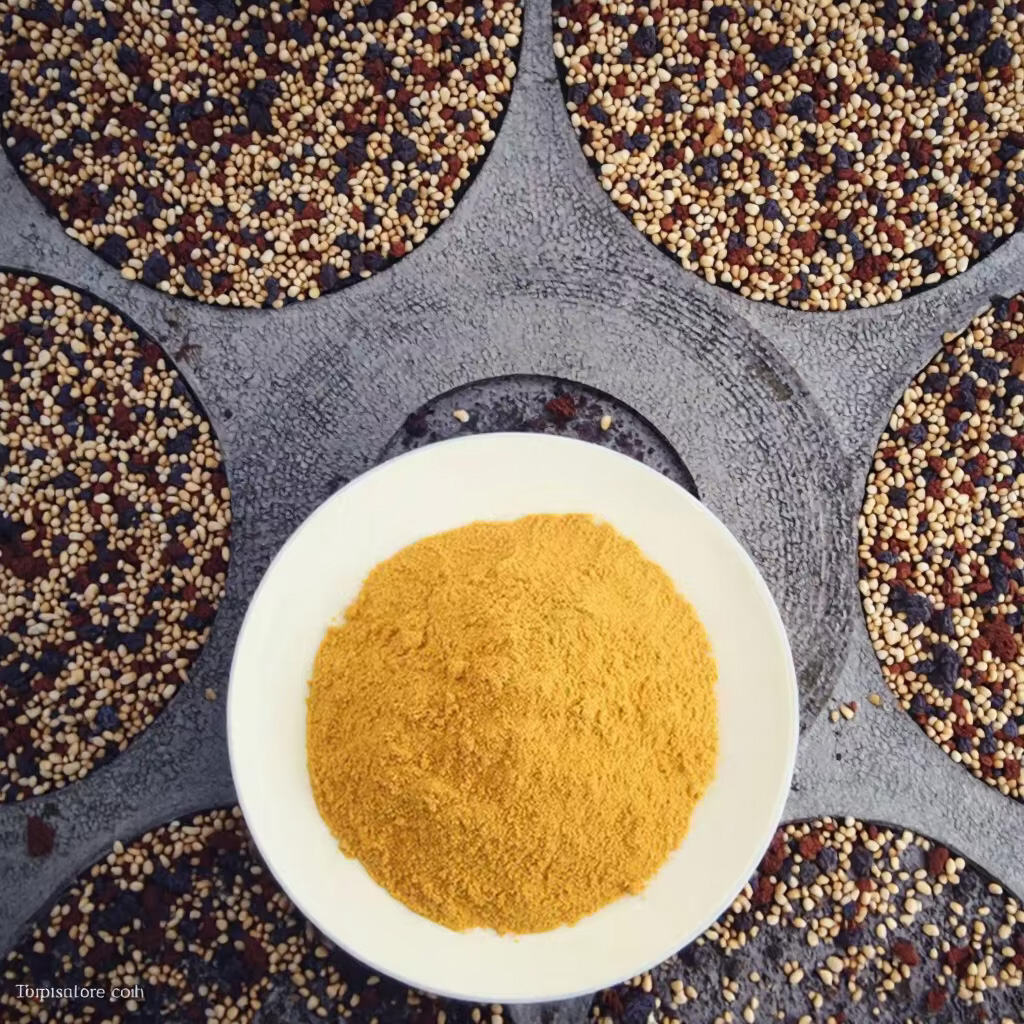
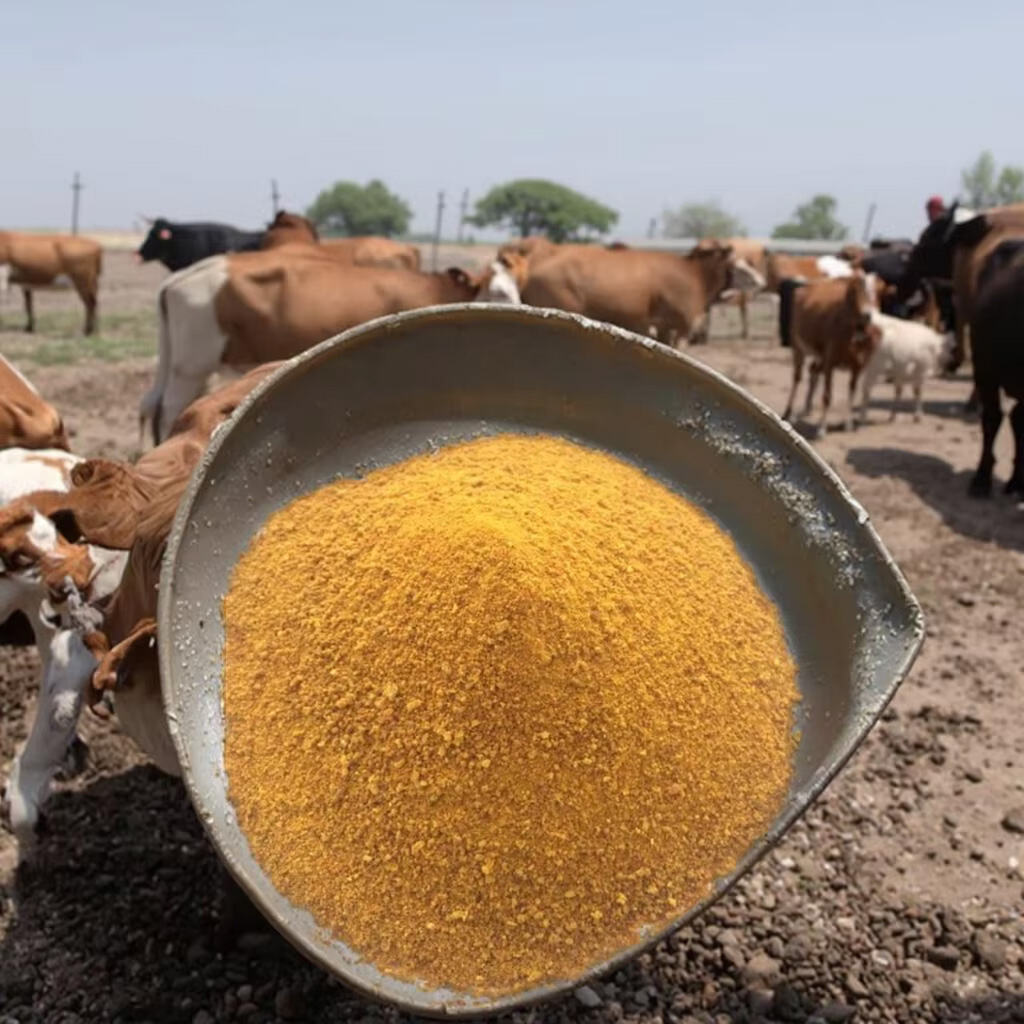
In response to the increasing global demand for sustainable agricultural practices, Treo Nutrition has strategically expanded its business scope into crop nutrition and soil health management. Our diversified product portfolio now includes CSL Powder 42%, Organic NPK Fertilizers, soil conditioners, and tailor-made nutrient solutions. These products are designed to enhance soil structure, increase nutrient availability, boost crop resilience, and ultimately improve yield and quality, while reducing environmental impact.
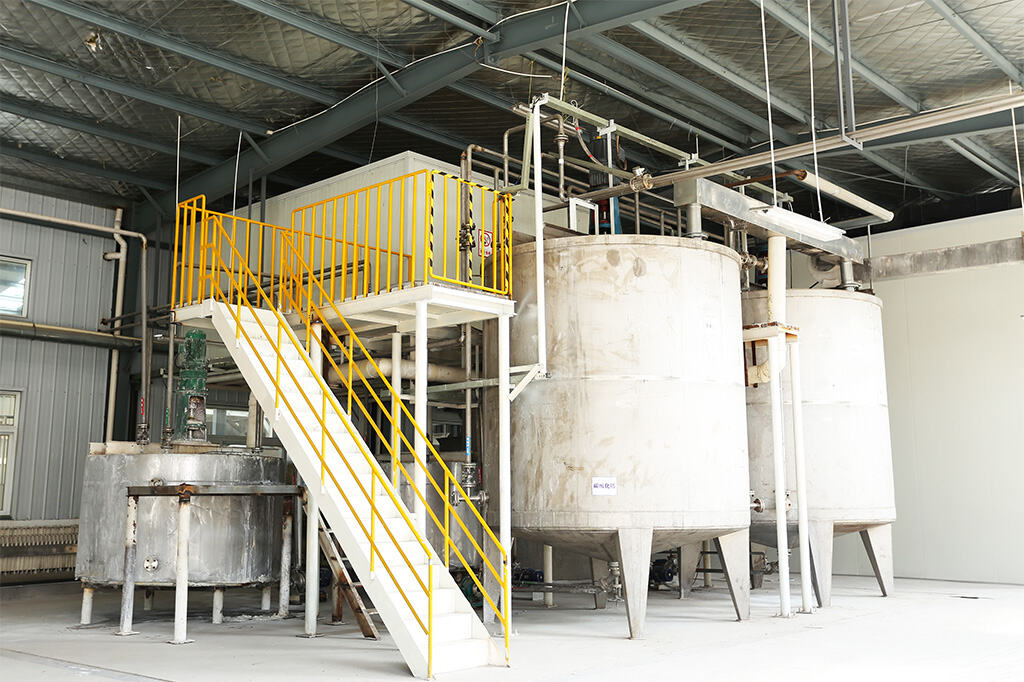
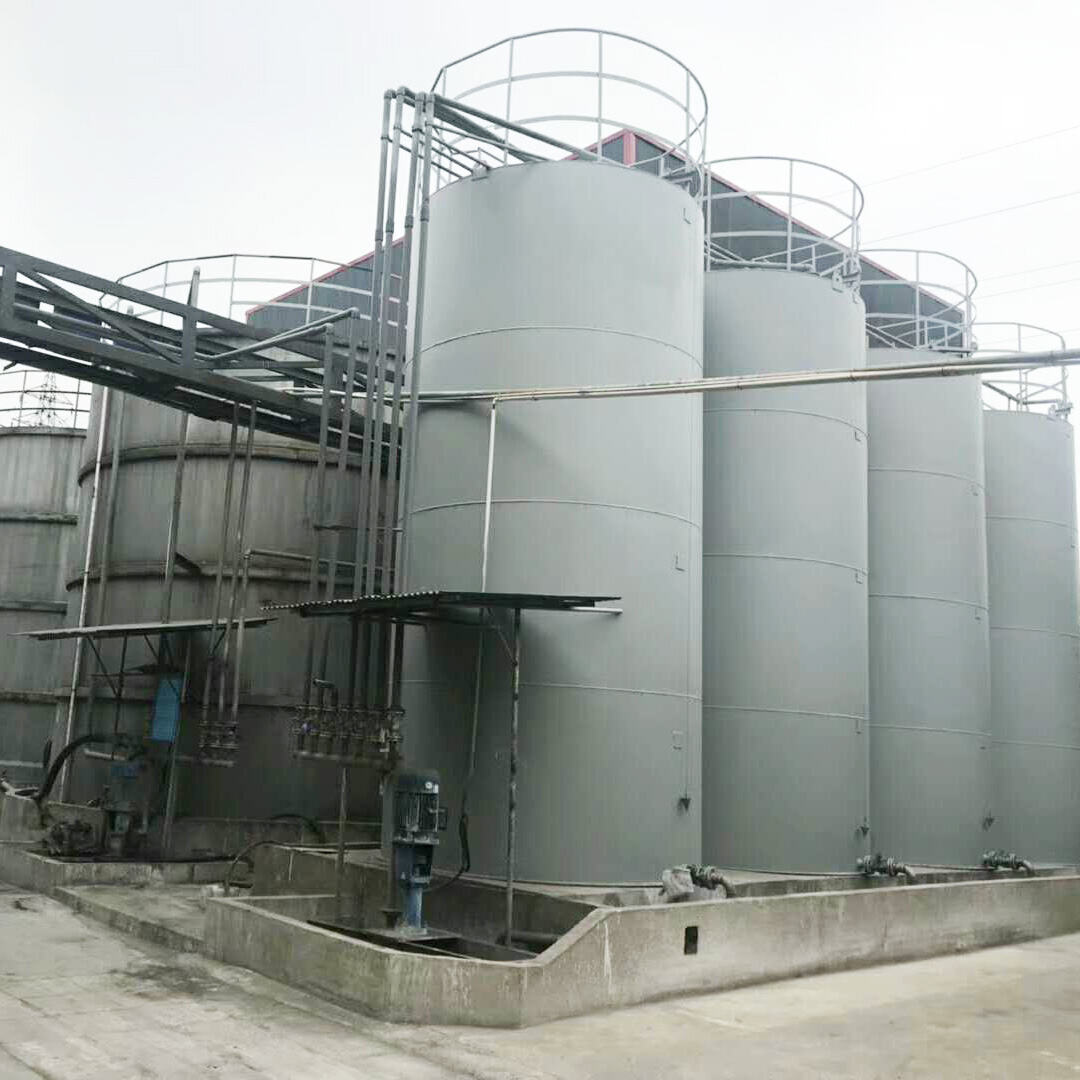
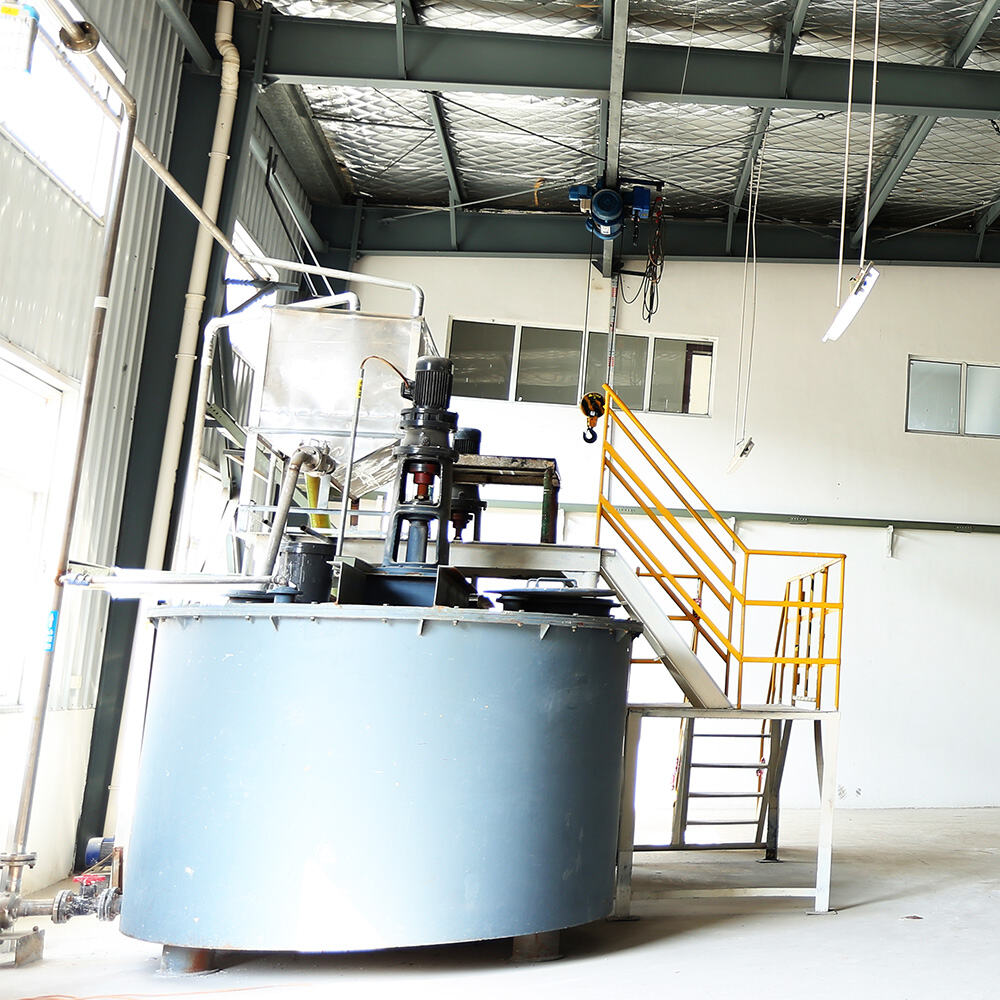
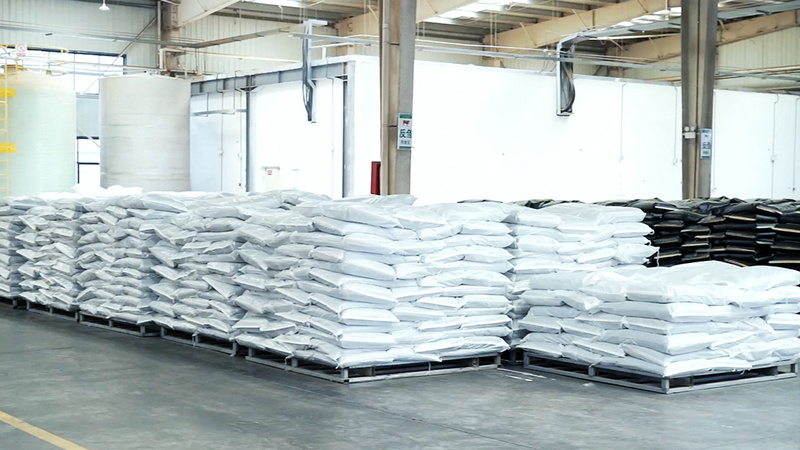
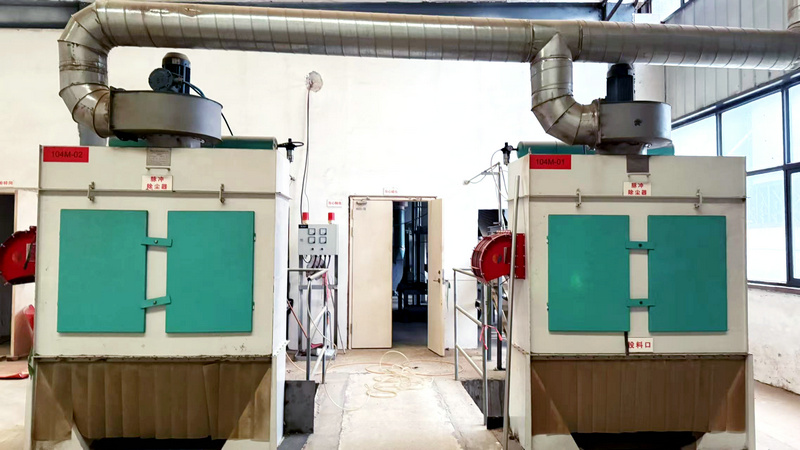
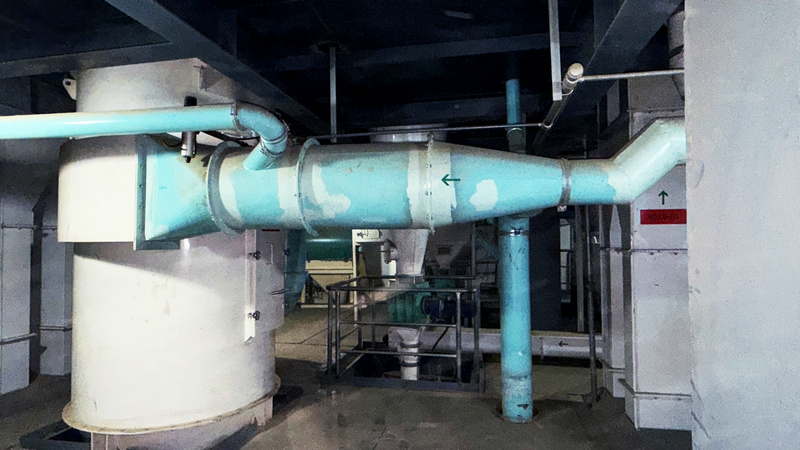
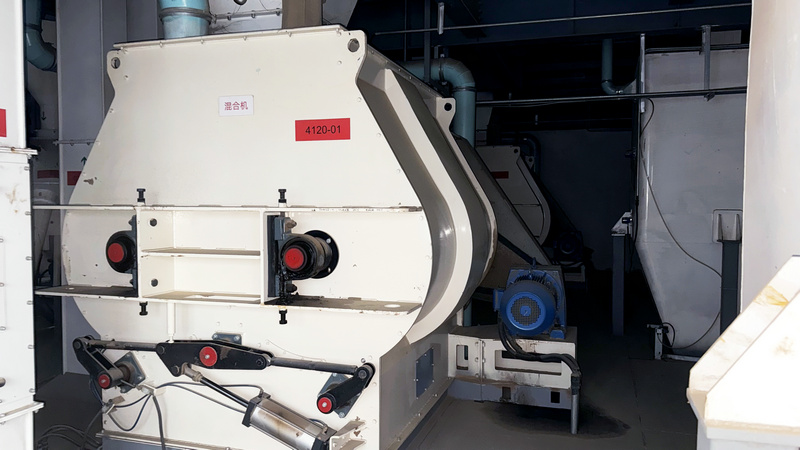
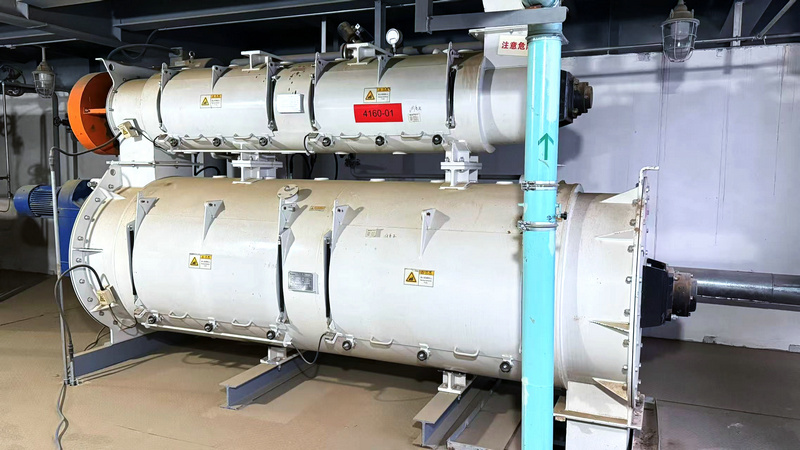
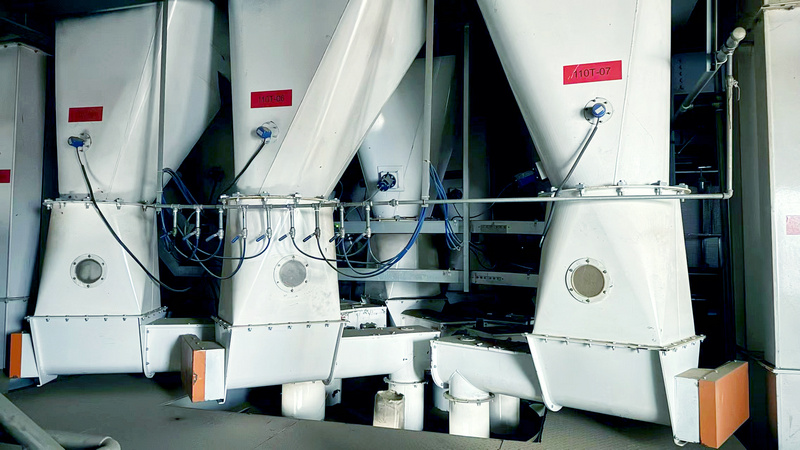
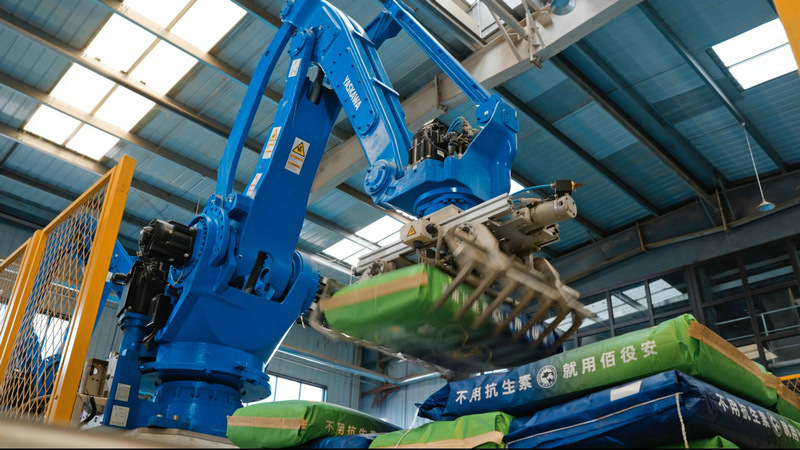
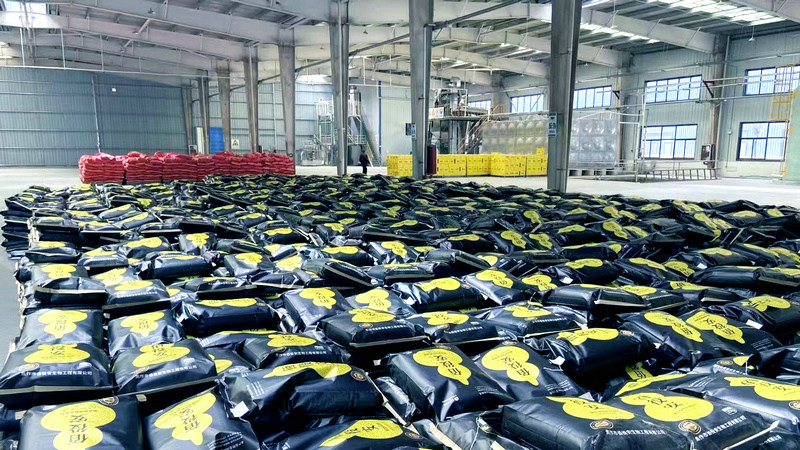
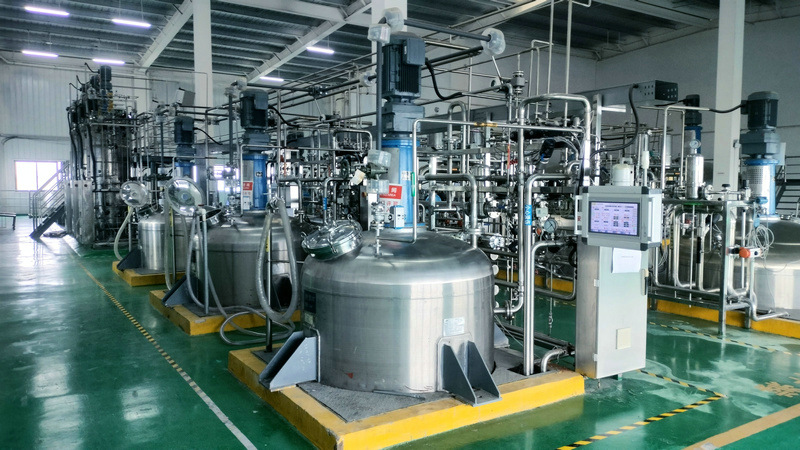
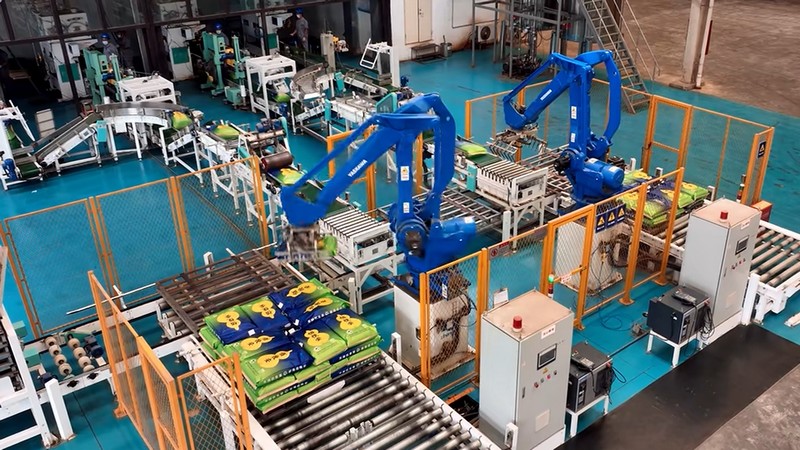
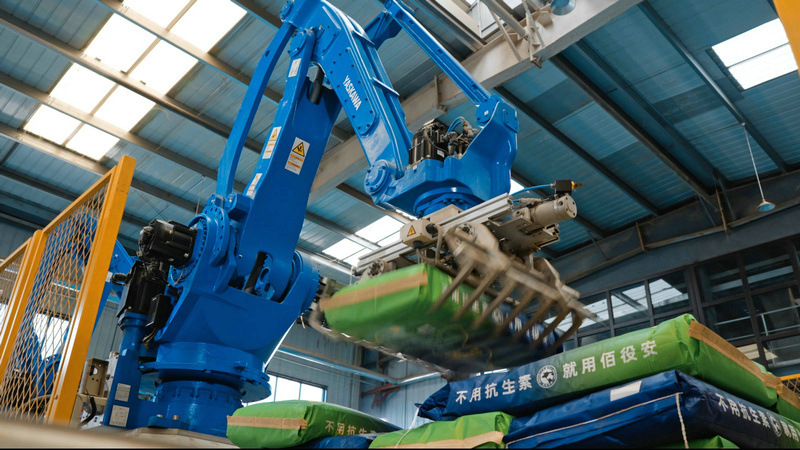
To better serve international markets, the company operates offices in Zhengzhou and Hong Kong, supported by multiple modern production facilities located in Shandong, Hebei, and Jiangsu. With a well-integrated supply chain and advanced manufacturing processes, we ensure consistent product quality, reliable supply, competitive pricing, and timely global delivery. Our logistics and service teams work closely with partners worldwide to provide flexible and customized solutions.
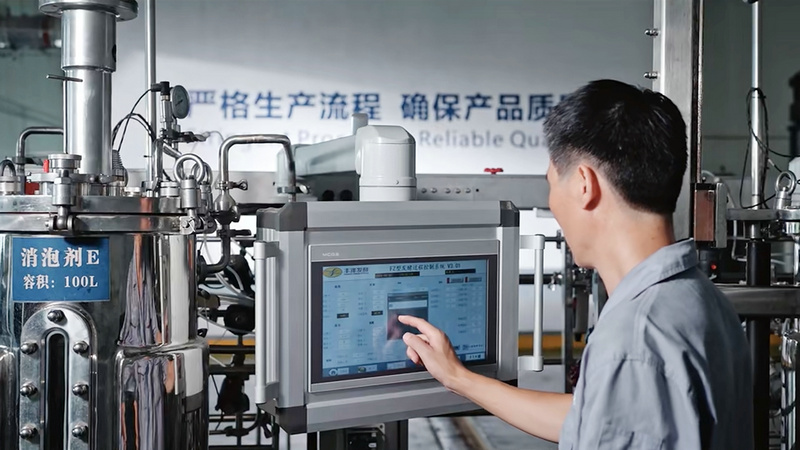
In addition, Treo Nutrition places strong emphasis on research and development, continuously investing in innovation to meet evolving market needs. We collaborate with industry experts and research institutions to develop next-generation nutritional products that align with global sustainability goals.
Driven by the core values of quality, integrity, innovation, and customer focus, Zhengzhou Treo Nutrition Co., Ltd. strives to build long-term partnerships with clients across the globe. We are dedicated to supporting the advancement of efficient, eco-friendly, and sustainable farming systems, contributing to a healthier food chain and a greener future for agriculture.
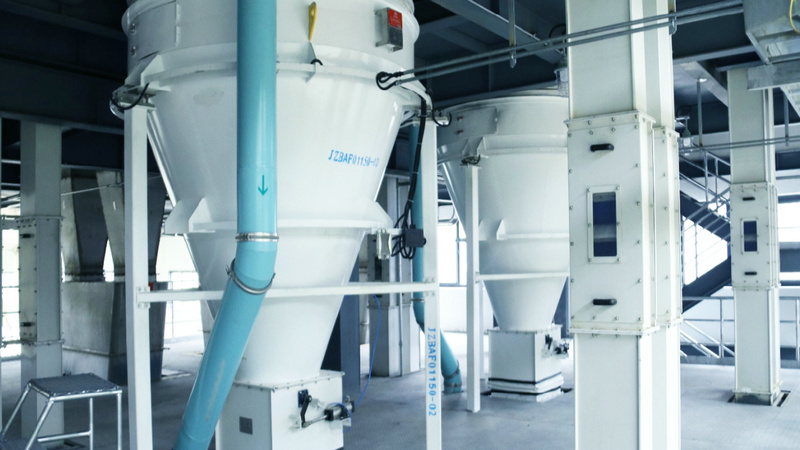
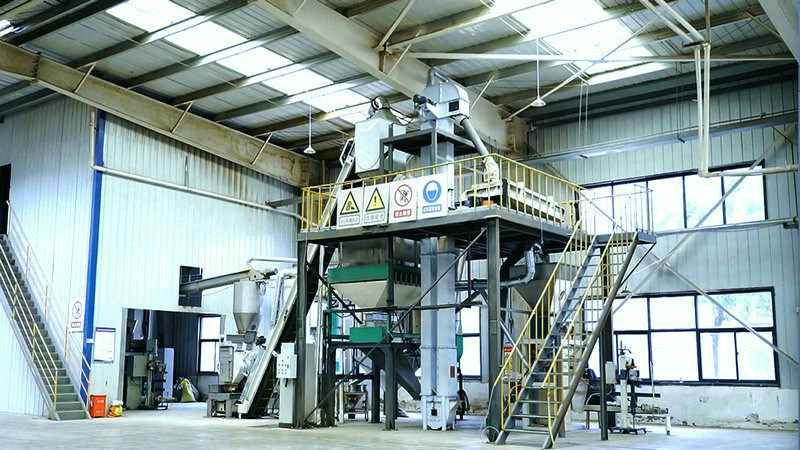
Minimizing export delays and ensuring absolute batch consistency through regional hubs and stringent QA/QC measures.
Navigating the complex global regulatory framework for animal feed imports requires a supplier with a robust quality management framework and an integrated logistics setup. Zhengzhou Treo Nutrition Co., Ltd. ensures smooth export processes via our corporate hubs in Zhengzhou and Hong Kong, backed by state-of-the-art manufacturing bases in Shandong, Hebei, and Jiangsu. This strategic footprint enables us to secure quick shipping lanes, flexible custom clearances, and competitive port-to-port rates.
Our regulatory and logistics commitments include:
Mapping the next five years of feed technology, micro-encapsulation, and data-driven metabolic tracking.
The transition toward zero-carbon agriculture and precision livestock farming (PLF) requires a technological transformation in feed additives. The upcoming decade of dairy performance enhancement will focus heavily on improving nutrient utilization efficiency while reducing the dairy sector's environmental footprint.
Utilizing lipid-matrix and ethyl-cellulose coating technologies to shield amino acids and vitamins from ruminal degradation, ensuring targeted release in the abomasum under high heat-stress climates.
Integrating targeted phytochemicals (such as Eucommia leaf extracts and natural saponins) with slow-release nitrogen systems to shift ruminal fermentation pathways away from methanogenesis towards propionic acid production, maximizing energy retention.
Developing responsive, pH-sensitive amino acid chelates that remain stable in the rumen but decouple in the gastric environments, ensuring high absorption rates of essential trace minerals like zinc, copper, and manganese.
Technical, evidence-based answers to key inquiries regarding formulation biochemistry, stability, and farm performance.
Further agricultural systems, smart greenhouses, hydroponic integrations, and metabolic promoters manufactured under global standards.

 Treo Nutrition